A Comprehensive Guide to Safe Peptide Injection Supplies
Disclaimer: The information provided in this article is for educational and informational purposes only. It is not intended as medical advice, diagnosis, or treatment. Products and compounds referenced are for research use only and are not approved for human or veterinary consumption. Always consult a qualified professional regarding health or medical decisions.
Research Peptide Injection Supplies Checklist for Safe Preparation
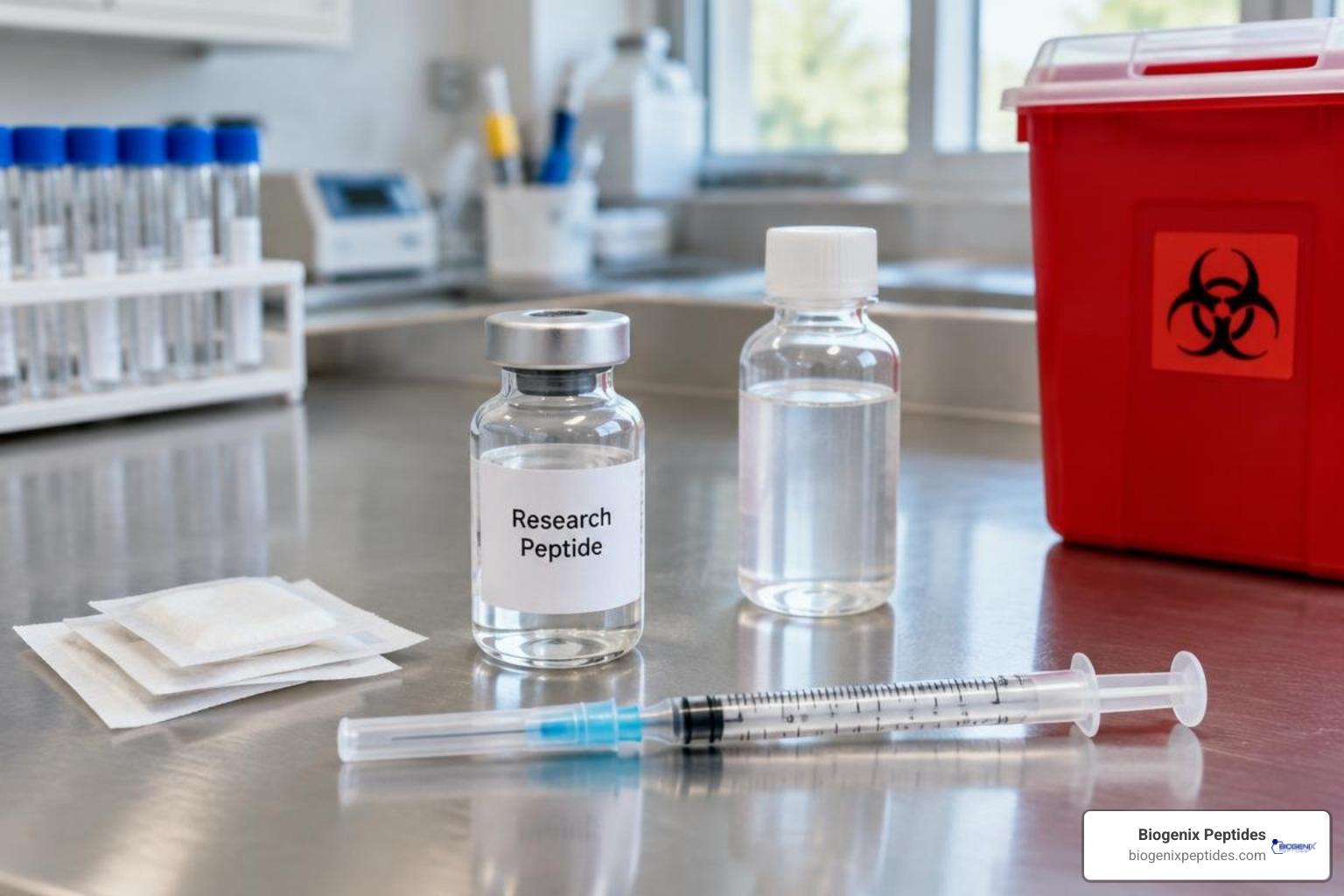
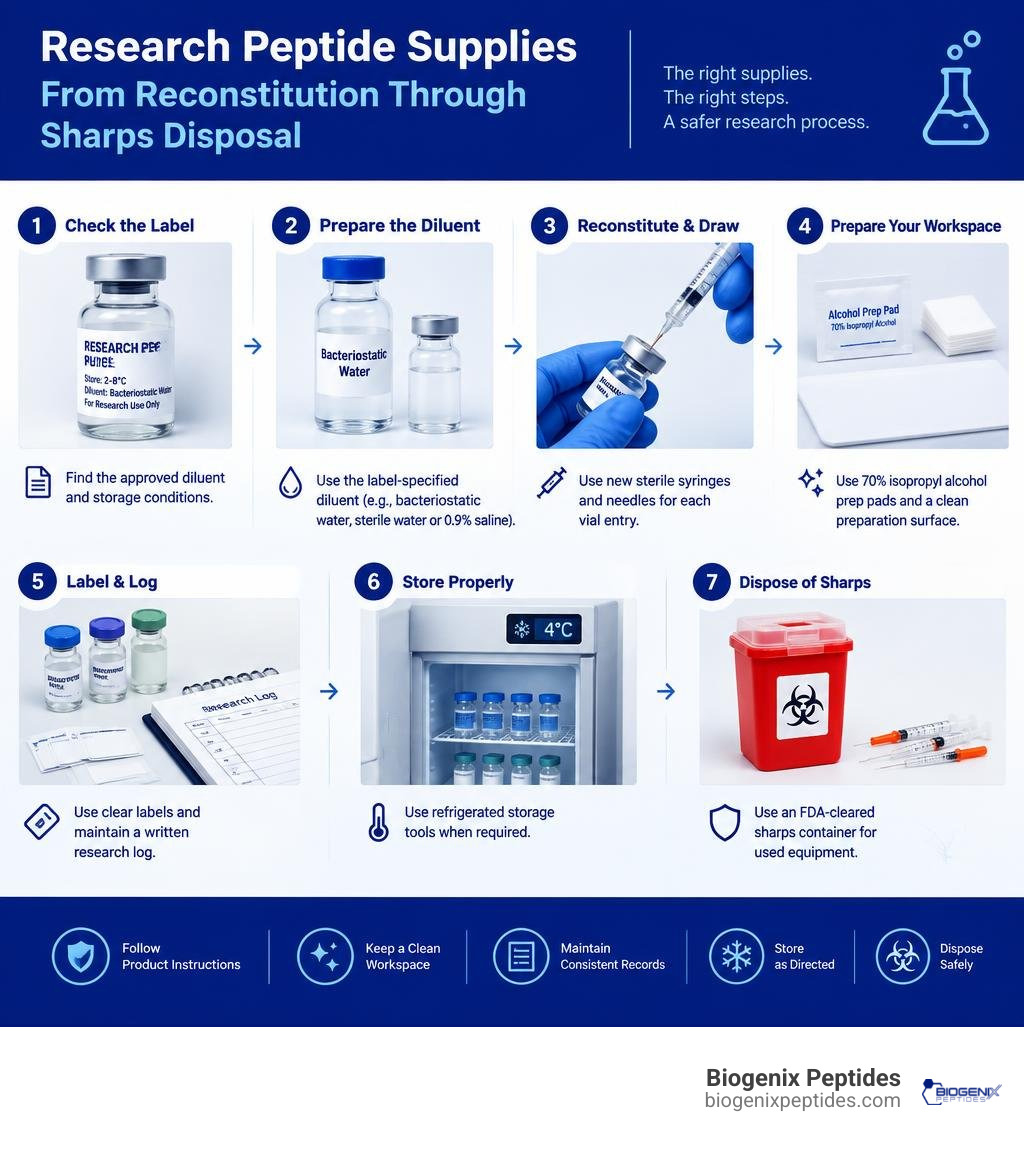
A peptide injection supplies checklist helps research teams organize the sterile tools, label-specified diluents, and storage materials needed for controlled laboratory preparation. This guide focuses on research peptide preparation supplies that support organized, reproducible workflows. Core supplies usually include:
- The label-specified diluent, such as bacteriostatic water, sterile water, or 0.9% saline
- New sterile syringes and needles for each vial entry
- 70% isopropyl alcohol prep pads and a clean preparation surface
- Labels and a written research log
- Refrigerated storage tools, when required
- An FDA-cleared sharps container for used equipment
Never assume one fluid, needle size, or storage method fits every peptide. Match every item to the product instructions, keep the workspace clean, and discard any solution that becomes cloudy, discolored, or contains visible particles.
I am Jay Daniel, Founder and CEO of BioGenix Peptides, with hands-on experience in peptide sourcing, quality-control processes, and laboratory-focused research standards. My work with peptide preparation supplies centers on clear handling information that helps research teams support organized, reproducible workflows.
The Complete Checklist of Peptide Preparation Supplies
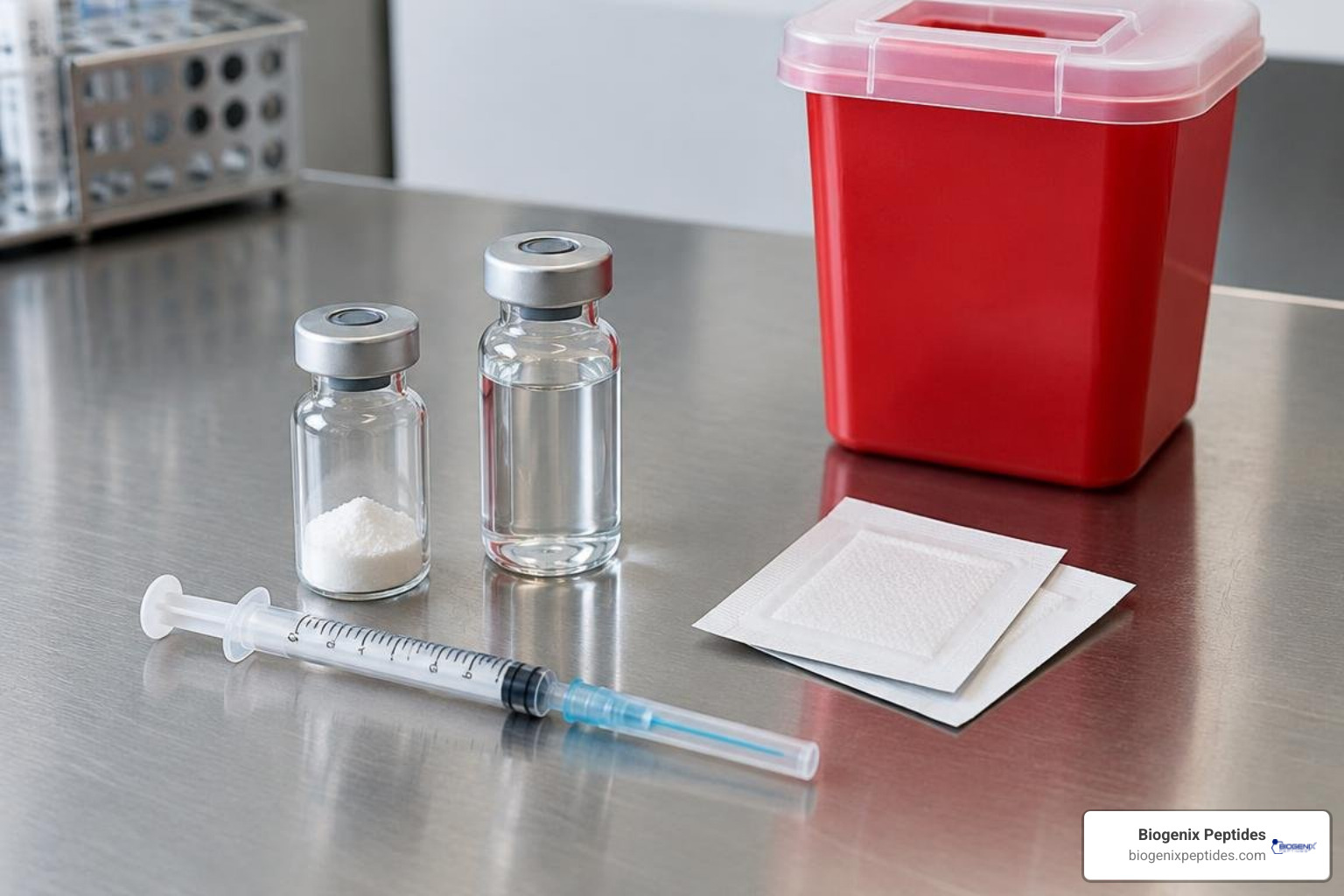
Navigating laboratory workflows requires reliable tools, clean accessories, and high-grade consumables. Maintaining strict control over research variables begins with sourcing the right materials before opening a single vial. Procuring dependable peptide preparation supplies ensures that every stage of research fluid handling meets rigorous purity and precision criteria.
Every single entry into a research vial presents a potential contamination vector. Because of this, acquiring reliable single-use consumables, proper measuring instruments, and specialized storage accessories guarantees procedural integrity from the initial thaw to long-term monitoring.
What Belongs in a Peptide Preparation Supplies Starter Kit?
Setting up a fresh research station can feel overwhelming if you source components individually. An organized starter kit bundles the core essentials needed to prepare lyophilized powders. Bundling these tools guarantees that critical transfer needles match your syringe barrels and storage accessories fit standard borosilicate glass vials.
A complete starter arrangement should include:
- Multi-volume reconstitution diluents (such as preserved water solutions or sterile buffers)
- Calibrated transfer and micro-volume syringes
- Individually foil-wrapped 70% isopropyl alcohol wipes
- Borosilicate glass mixing vials for custom solutions
- Sterile transfer pipettes or filtered draw spikes
- Waterproof vial labels and permanent research markers
For researchers looking to streamline their initial procurement, utilizing an all-in-one peptide mixing kit eliminates the logistical hassle of buying individual items from multiple vendors. Integrating these bundles alongside essential lab equipment for research setups ensures that your laboratory maintains high experimental standards.
Syringes, Needles, and Advanced Delivery Devices
Accurate volumetric measurement is paramount when working with concentrated peptide solutions. Minor measurement errors can distort experimental data. Standard U-100 micro-syringes deliver 100 graduation units per 1 mL, providing the fine control required for small-volume sampling.
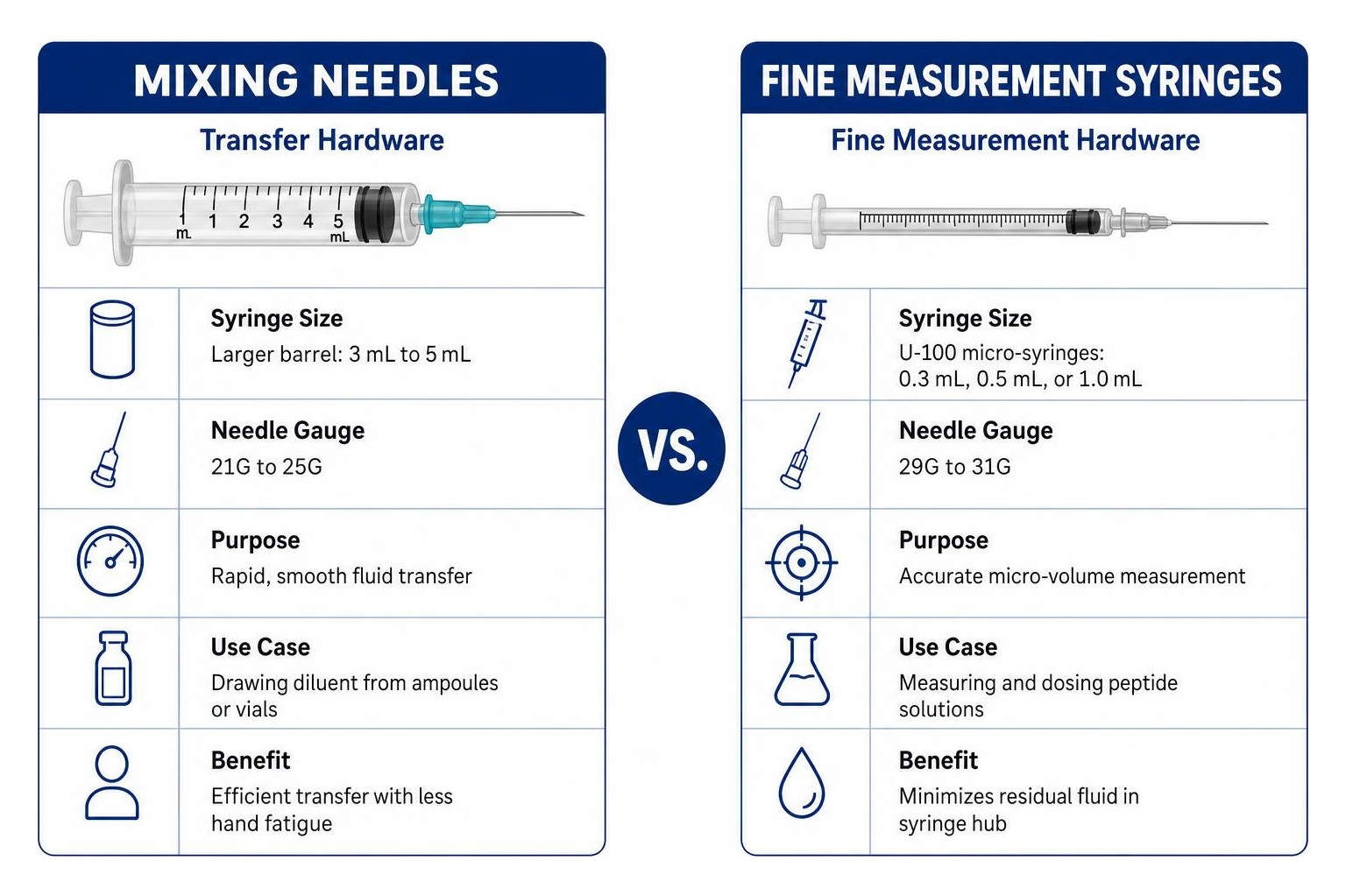
When selecting hardware, laboratories distinguish between two categories of instruments:
- Transfer Hardware: Larger-barrel syringes (3 mL to 5 mL) fitted with 21G to 25G needles. These allow rapid, smooth fluid transfer from diluent ampoules without fatiguing the laboratory worker.
- Fine Measurement Hardware: Low-dead-space U-100 micro-syringes (0.3 mL, 0.5 mL, or 1.0 mL) equipped with fixed 29G to 31G fine needles. These minimize residual fluid waste in the syringe hub.
For projects requiring high-frequency testing across numerous test subjects, manual drawing can introduce human error. Utilizing a dedicated precision peptide delivery pen offers mechanical click-dial volume increments. This ensures exact, repeatable volumetric fluid release across extensive multi-point trials. When stocking standard setups, exploring trusted sterile peptide syringes ensures your inventory meets strict laboratory specifications.
Aseptic Tools and Single-Use Disinfectants
A sterile tool is only as good as the technique used to handle it. Airborne particulates, benchtop dust, and skin flora can compromise reconstituted solutions if strict sanitization is ignored.
A standard aseptic workstation relies on:
- Individually sealed 70% isopropyl alcohol (IPA) prep pads
- Powder-free nitrile examination gloves
- Surface disinfectant sprays (such as ready-to-use 70/30 IPA or sterilizing wipes)
- Disposable, non-shedding bench pads to catch accidental drips
Wiping the vial septum with a fresh alcohol pad and letting it air-dry completely for 15 to 30 seconds eliminates surface contaminants before needle insertion. We discuss foundational workflows in our guide to creating a sterile research environment to assist teams in establishing proper protocols.
Choosing Reconstitution Solutions: Bacteriostatic Water vs. Sterile Water and Saline
Selecting the wrong diluent can lead to peptide degradation or rapid microbial contamination. Lyophilized peptide powders are porous matrices that dissolve readily in specific aqueous solutions. Matching the fluid to your experimental timeframe is essential.
Reviewing the fundamental sterile water and bacteriostatic water differences prevents costly mistakes during sample preparation. Diluting high-value compounds requires understanding how preservatives affect peptide longevity, as outlined in our report on bacteriostatic water for research solutions.
When to Use Bacteriostatic Water
Bacteriostatic water is the standard diluent for multi-entry research vials. It contains sterile non-pyrogenic water combined with 0.9% (9 mg/mL) benzyl alcohol. The benzyl alcohol acts as a bacteriostatic preservative, inhibiting the growth of bacteria introduced during repeated vial access.
When kept at 2°C to 8°C, a vial reconstituted with bacteriostatic water generally maintains microbial stability for up to 28 days. Sourcing standard bacteriostatic water 10ml satisfies the volume requirements of most standard laboratory reconstitution schedules. For accurate concentration planning, consult the science of the bacteriostatic water peptide ratio.
Sterile Water, Saline, and Specialized Diluents
Sterile water for preparation contains no antimicrobial agents. Once unsealed, it is strictly single-use; any residual liquid must be discarded immediately because bacteria can multiply unchecked in unpreserved water.
Normal saline (0.9% Sodium Chloride) provides an isotonic environment required for specific cell-culture or membrane-binding assays where osmotic shifts could rupture cells. However, certain peptides aggregate or precipitate in the presence of salt ions.
Certain basic compounds or hydrophobic peptides with high isoelectric points will not dissolve in neutral water. In these cases, laboratories rely on specialized solvents such as acetic acid reconstitution solution. For non-standard formulations, always review safe substitutes for bacteriostatic water before introducing alternative liquids.
Reconstitution Protocol and Sizing Guide for Needles and Syringes
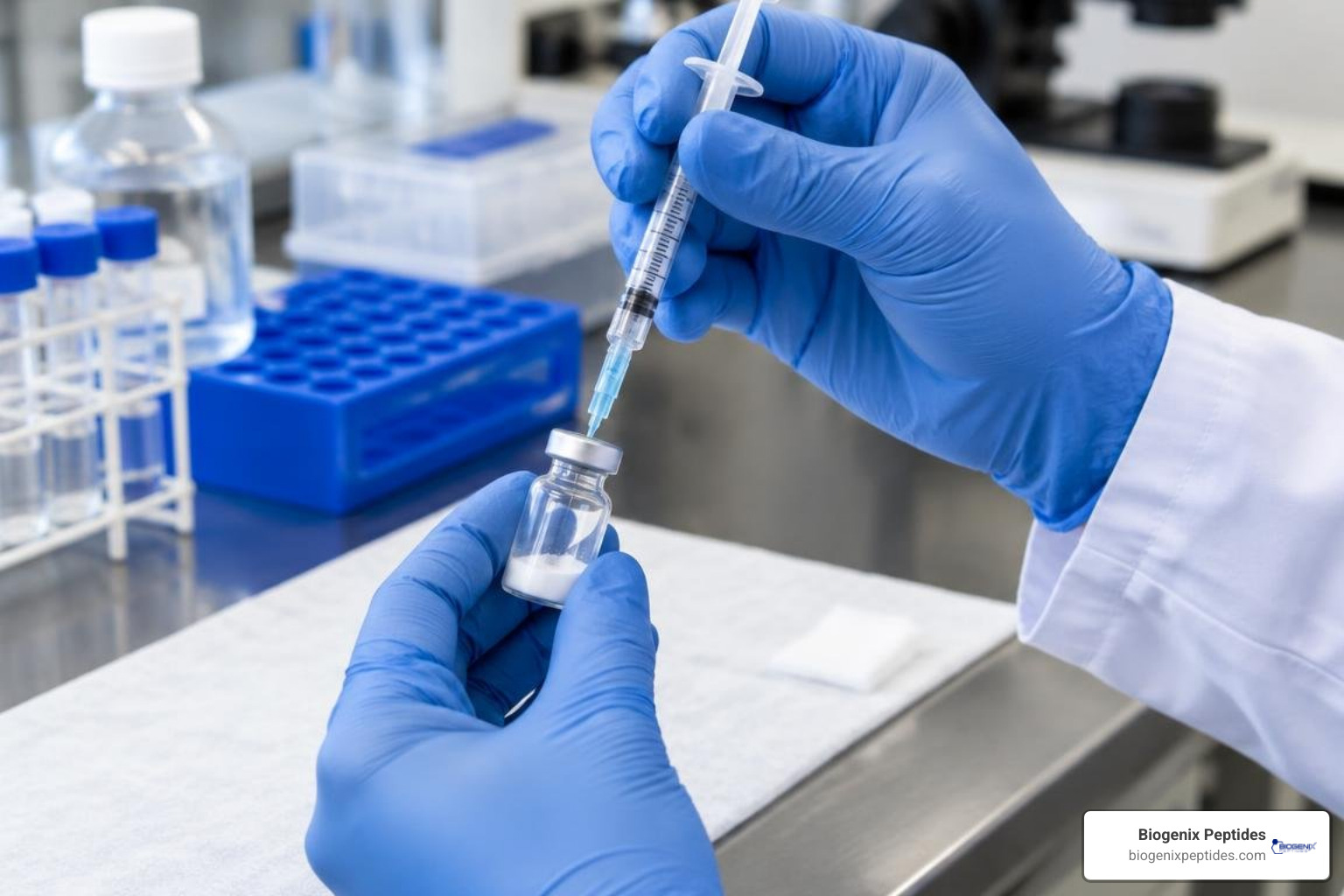
Lyophilized peptide chains are delicate molecular structures held together by fragile bonds. Rough handling, rapid fluid drops, or intense agitation can shear the tertiary structures of these molecules, causing loss of biological activity.
Following verified procedures for reconstituting lyophilized powder safely and implementing a standardized guide to safe peptide protocols will protect your laboratory assets.
Selecting Needle Gauges and Barrel Volumes
Needle gauge refers to the outer diameter of the shaft: the larger the gauge number, the thinner the needle.
- Reconstitution Transfer (21G to 25G, 1.0 to 1.5 inches): These wider bores allow smooth fluid transfer of dense diluents without requiring excessive plunger pressure.
- Laboratory Sampling & Micro-Delivery (29G to 31G, 5/16 inch to 1/2 inch): These ultra-fine needles glide smoothly through vial stoppers without coring the rubber, preserving the airtight seal of the container.
Matching your target volume to barrel capacity prevents measurement errors. For example, measuring a 0.05 mL volume inside a 3.0 mL syringe introduces high percentage error, whereas drawing that same volume inside a 0.3 mL U-100 syringe allows clear reading down to individual tick marks. Detailed mathematical conversions can be found in our overview of custom peptide dilution ratios.
Step-by-Step Reconstitution and Pressure Balancing
Lyophilized vials are often sealed under partial vacuum. If a transfer needle punctures the septum without resistance, the vacuum can forcefully pull the diluent into the vial, slamming liquid into the powder cake and shearing the peptide structures.
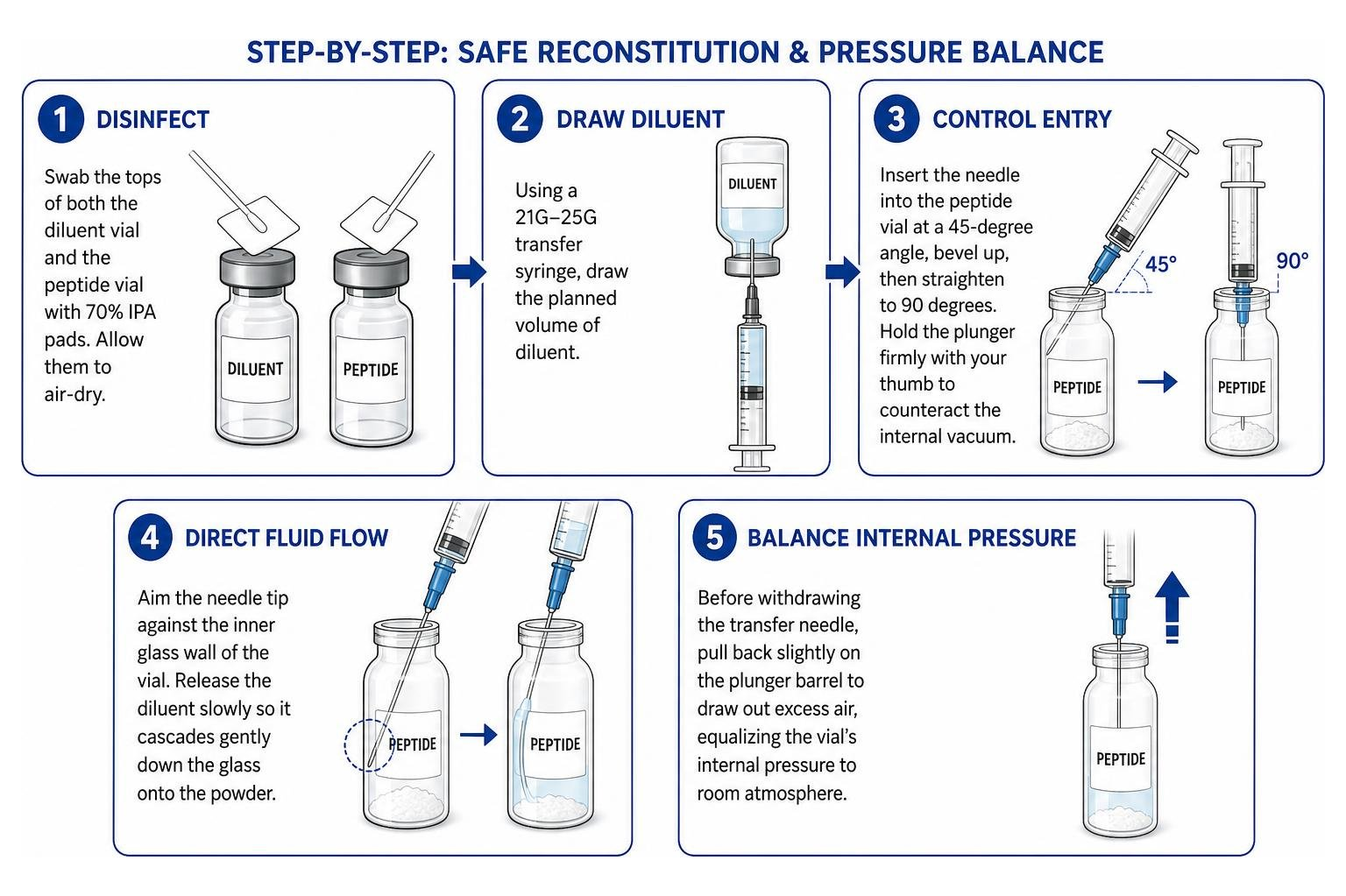
- Disinfect: Swab the tops of both the diluent vial and the peptide vial with fresh 70% IPA pads. Allow them to air-dry.
- Draw Diluent: Using a 21G–25G transfer syringe, draw the planned volume of diluent.
- Control Entry: Insert the needle into the peptide vial at a 45-degree angle, bevel up, then straighten to 90 degrees. Hold the plunger firmly with your thumb to counteract the internal vacuum.
- Direct Fluid Flow: Aim the needle tip against the inner glass wall of the vial. Release the diluent slowly so it cascades gently down the glass onto the powder.
- Balance Internal Pressure: Before withdrawing the transfer needle, pull back slightly on the plunger barrel to draw out excess air, equalizing the vial’s internal pressure to room atmosphere.
- Dissolve Without Shaking: Swirl the vial gently in slow, circular motions. Never shake vigorously, as foaming indicates molecular shear and denaturation.
Understanding the mechanisms behind stopping peptide denaturation ensures your solutions retain complete molecular fidelity throughout your research.
Safe Storage, Travel, and Sharps Disposal Protocols
Once reconstituted, peptide solutions become susceptible to heat degradation, photo-oxidation, and microbial proliferation. Establishing strict containment and disposal rules protects both the compounds and laboratory personnel.
Peptide Storage and Temperature Control Supplies
Lyophilized peptide powders are stable in dry, climate-controlled environments for short durations, but long-term preservation requires cold storage:
- Lyophilized Powders: Store at -20°C for long-term multi-year preservation, or 2°C to 8°C for intermediate holding.
- Reconstituted Solutions: Store strictly at 2°C to 8°C in a dedicated laboratory refrigerator. Avoid freeze-thaw cycles after reconstitution, as ice crystals tear peptide bonds.
To protect vials from light and mechanical shock, use specialized vial holder organizers and durable peptide storage containers. If you need to transport samples between laboratory sites, use insulated travel cases with dedicated cold packs to prevent temperature spikes, following our established cold storage guidelines for reconstituted peptides.
Compliant Sharps Disposal and Safety Rules
Safety protocols require strict disposal procedures for biohazard consumables. Used needles, micro-syringes, and glass ampoules should never be discarded in regular laboratory waste bins or recycling streams.
- FDA-Cleared Sharps Containers: These heavy-duty, puncture-resistant plastic containers feature leak-proof walls and secure, locking lids, following established standards for FDA-cleared sharps disposal containers.
- Fill Line Adherence: Never fill sharps containers beyond the indicated 3/4 fill line. Overfilling creates needle-stick hazards for laboratory workers.
- Municipal & Regulatory Drop-Off: Dispose of full sharps containers through designated municipal collection sites, biohazard waste handlers, or certified mail-back disposal programs in accordance with local environmental safety laws.
How to Calculate and Buy Peptide Preparation Supplies for Your Protocol
Running out of transfer accessories or alcohol pads mid-protocol introduces procedural delays and risks experimental continuity. Standardize your supply procurement using straightforward inventory formulas.
Building a 15% to 20% buffer allowance accounts for priming steps, dead space retention, or packaging drops, keeping your workspace well-stocked without over-ordering perishable diluents.
Frequently Asked Questions About Peptide Preparation Supplies
Can I reuse needles or syringes for peptide experiments?
No. Needles and syringes are strictly single-use research consumables. Reusing a needle dulls its bevel, causing mechanical damage to vial septums, and introduces bacterial contamination to sterile solutions. Always discard consumables immediately after a single liquid transfer.
How long do reconstituted peptides stay stable in storage?
When reconstituted with bacteriostatic water and stored at 2°C to 8°C, most peptides remain stable for roughly 28 days. Unpreserved aqueous solutions should be used immediately. Consult our stability reference on how long reconstituted peptides last for compound-specific data.
What should I do if my reconstituted peptide turns cloudy?
If a peptide solution turns hazy, changes color, or develops visible floating particulates, discard it immediately. Cloudiness signifies either chemical precipitation, molecular denaturation, or microbial proliferation, all of which invalidate experimental results.
Conclusion
Conducting reliable, high-level peptide research requires attention to detail at every step of preparation. From selecting high-grade diluents and calibrated micro-syringes to executing precise pressure balancing and maintaining strict cold-chain containment, the quality of your research tools directly impacts your experimental outcomes.
Equipping your laboratory with verified, professional tools safeguards your investments and maintains scientific reproducibility. When you are ready to restock your workstation with verified reference materials, explore premium research peptides and supplies to support your ongoing laboratory operations.