
The Ultimate Guide to the Incretin Mimetic Drug Class
Disclaimer: The information provided in this article is for educational and informational purposes only. It is not intended as medical advice, diagnosis, or treatment. Products and compounds referenced are for research use only and are not approved for human or veterinary consumption. Always consult a qualified professional regarding health or medical decisions.
Why Incretin Mimetics Are Reshaping Metabolic Research
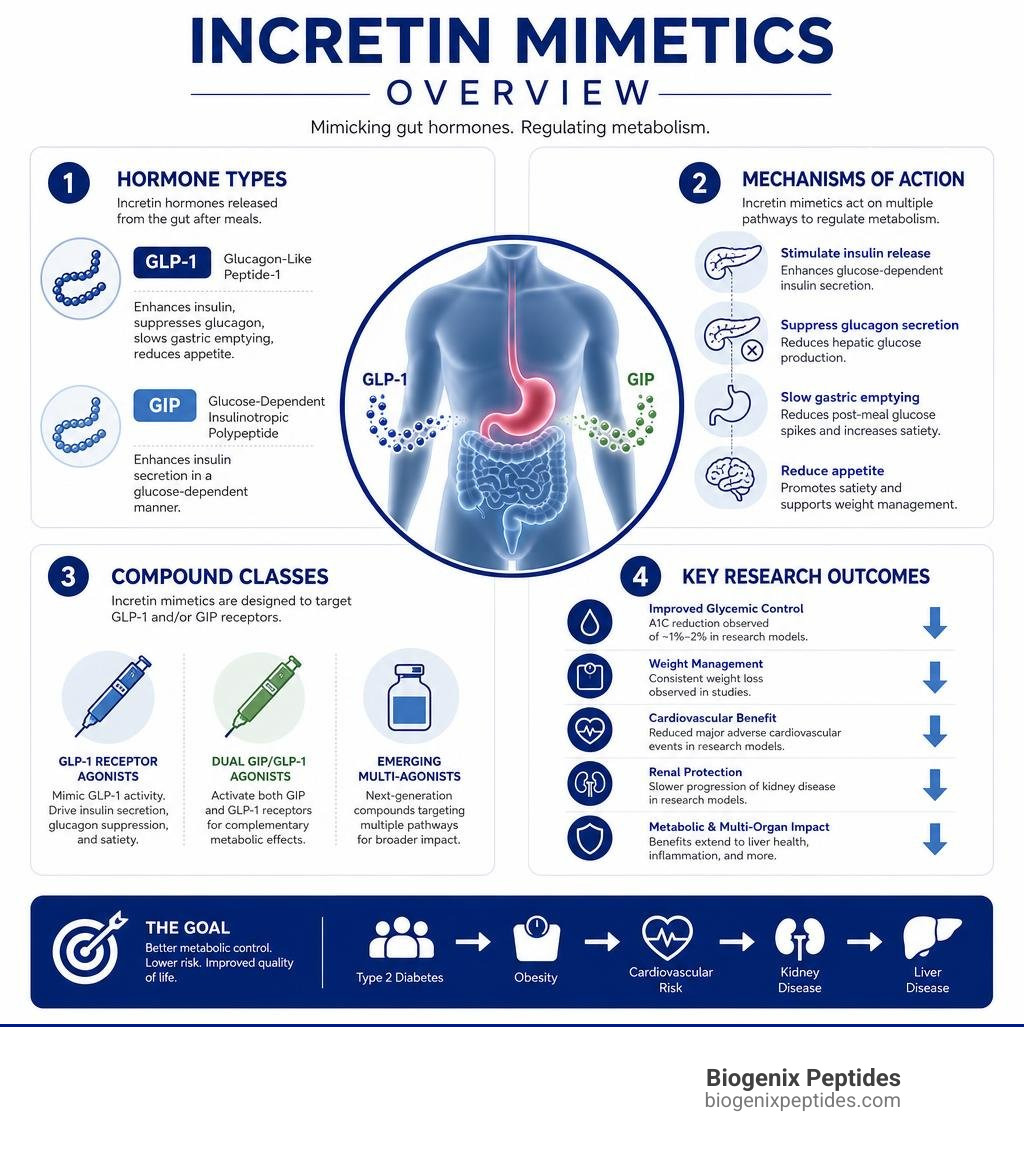
Incretin mimetics are a class of compounds — specifically GLP-1 (glucagon-like peptide-1) and GIP (glucose-dependent insulinotropic polypeptide) — to regulate blood glucose, suppress appetite, and support metabolic function.
Here is a quick breakdown:
| What | Detail |
|---|---|
| What they are | Compounds that mimic gut-derived incretin hormones |
| Key hormones targeted | GLP-1 and GIP |
| Primary mechanisms | Stimulate insulin release, suppress glucagon, slow gastric emptying |
| Main research models | Type 2 diabetes, obesity, cardiovascular risk, kidney disease |
| Key examples | Exenatide, liraglutide, semaglutide, tirzepatide |
| A1C reduction observed | Approximately 1% to 2% in research models |
The story of incretin mimetics begins in an unlikely place — the saliva of the Gila monster. The desert-dwelling lizard produces a peptide called exendin-4 that mimics GLP-1 far more effectively than the body’s own version. That discovery eventually led to exenatide (Byetta), the first GLP-1 receptor agonist approved in 2005.
Since then, the field has moved fast.
Research has expanded from simple blood glucose control to cardiovascular protection, kidney disease, liver disease, and weight management. Compounds like semaglutide and tirzepatide now sit at the center of some of the most closely watched metabolic research in modern science.
The scale of the problem these compounds address is significant. In 2000, an estimated 171 million people worldwide had diabetes — a number projected to reach 366 million by 2030. Global mortality linked to diabetes was estimated at 2.9 million deaths, or 5.2% of all deaths, in that same year. Traditional treatments have often fallen short of long-term glycemic goals, which is exactly why incretin-based research has drawn so much attention.
This guide covers the full landscape — from how these compounds work at the receptor level, to how different classes compare, to what the latest research says about efficacy and safety.
I’m Jay Daniel, Founder and CEO of BioGenix Peptides, with years of hands-on experience in peptide science and a deep focus on the research surrounding incretin mimetics and their metabolic mechanisms. The sections ahead break down the science in plain language, so whether you’re new to the topic or already deep in the research, you’ll find what you need.
Must-know incretin mimetics terms:
- GLP-1 agonists cardiovascular outcomes
- GLP-1 agonists exercise synergy
- GLP-1 receptor agonist benefits
What Are Incretin Mimetics and How Do They Work?
To understand how incretin mimetics function, we first have to look at the “incretin effect.” In healthy subjects, when food is consumed orally, the gut releases natural hormones that trigger a significantly larger insulin response compared to receiving the same amount of glucose intravenously. In fact, this gut-derived pathway accounts for up to 70% of the total insulin secreted following a meal.
The two primary hormones driving this effect are:
- GLP-1 (Glucagon-Like Peptide-1): Produced by L-cells in the distal gut, it enhances glucose-dependent insulin secretion, slows down stomach emptying, and signals fullness to the brain.
- GIP (Glucose-Dependent Insulinotropic Polypeptide): Released by K-cells in the upper small intestine, it also stimulates insulin release and plays a vital role in lipid metabolism and energy balance.
In metabolic disorders like type 2 diabetes, this natural pathway is severely compromised. The body exhibits a diminished postprandial secretion of GLP-1, and the insulin-stimulating power of GIP is almost entirely lost.
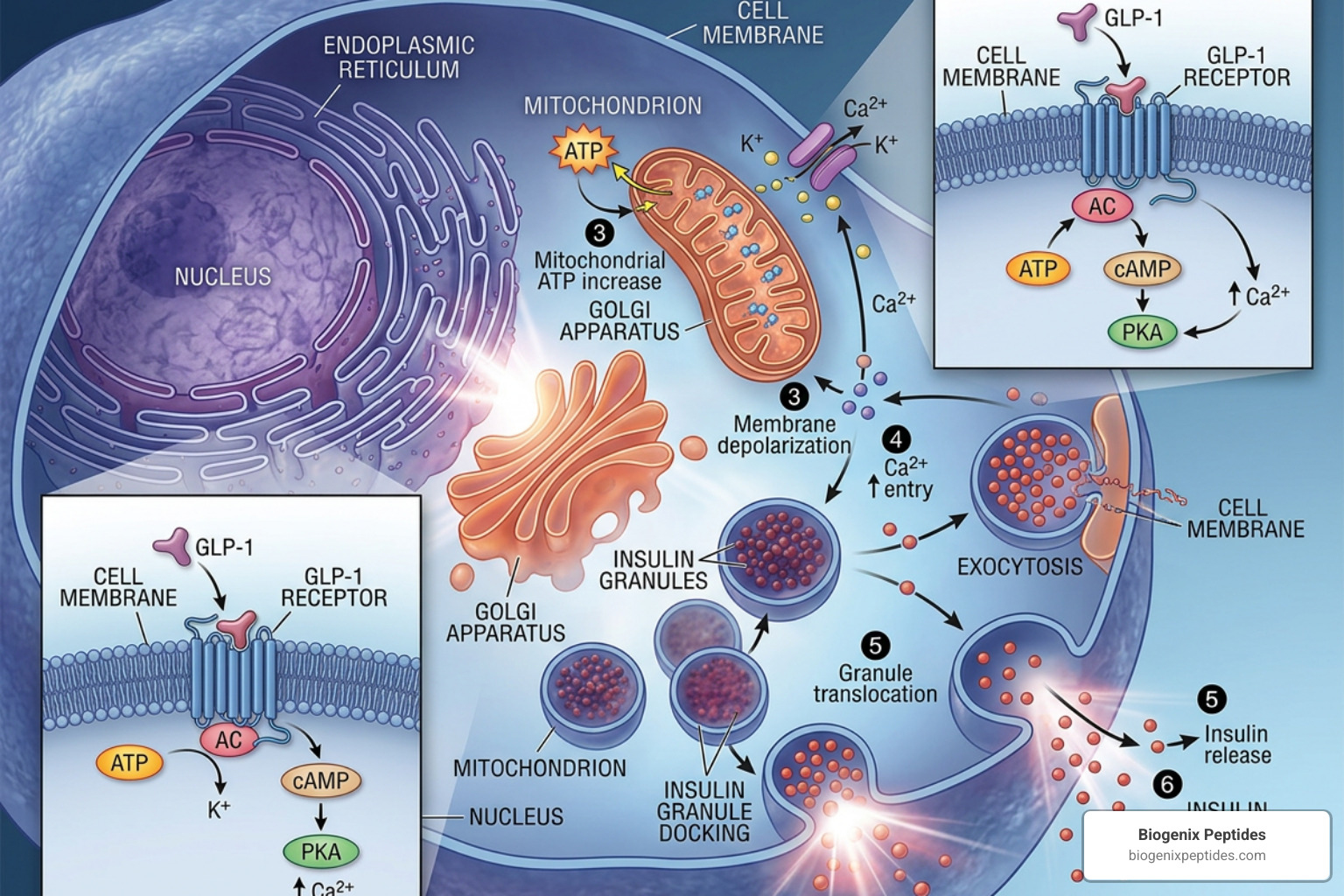
Furthermore, native GLP-1 is incredibly fragile. The enzyme dipeptidyl peptidase-4 (DPP-4) degrades native GLP-1 within 1 to 1.5 minutes of its release, while native GIP has a half-life of only about 7 minutes.
This is where synthetic incretin mimetics come in. Researchers structurally modified these peptides so they could resist DPP-4 enzymatic degradation. By remaining active in circulation for hours, days, or even weeks, these compounds can continuously stimulate key physiological pathways:
- Glucose-Dependent Insulin Secretion: They prompt pancreatic beta-cells to release insulin, but only when circulating blood glucose is elevated. This glucose-dependent mechanism keeps the risk of sudden hypoglycemia remarkably low.
- Glucagon Suppression: They inhibit the inappropriate release of post-meal glucagon, stopping the liver from dumping unnecessary glucose into the bloodstream.
- Gastric Emptying Delay: By slowing down the rate at which food leaves the stomach, they smooth out post-meal glucose spikes.
- Beta-Cell Preservation: Preclinical models suggest these compounds reduce beta-cell apoptosis (programmed cell death) and promote cellular proliferation, potentially preserving long-term pancreatic function.
To explore these biological pathways in greater detail, we recommend reading our breakdown of GLP-1 Incretin Pathways Explained and reviewing the classic literature on Incretin hormone physiology and research. For a historical perspective on how these mechanisms were first mapped against DPP-4 inhibitors, see the early clinical discussions in Incretin Mimetics and DPP-IV Inhibitors: New Paradigms … – PubMed.
Key Classes and Types of Incretin Mimetics in Research
As the science of metabolic research has matured, the compounds under investigation have evolved from basic peptide copies into highly optimized multi-receptor agonists. The table below outlines the primary classes currently studied:
| Agonist Class | Primary Receptor Targets | Key Structural Features | Relative Half-Life | Primary Research Focus |
|---|---|---|---|---|
| Single GLP-1 Agonists | GLP-1 Receptor | Modified native sequences or exendin-4 bases | Variable (2 hours to 7 days) | Glycemic control, basic satiety, cardiovascular protection |
| Dual GIP/GLP-1 Agonists | GIP & GLP-1 Receptors | Single peptide chains modified for dual affinity | Extended (~5 days) | Advanced weight loss, lipid regulation, insulin sensitivity |
| Triple Agonists | GIP, GLP-1, & Glucagon | Balanced co-agonists with fatty acid chains | Highly extended | Max energy expenditure, hepatic fat reduction (MASH/NASH) |
Researchers can learn more about the transition from single to multi-receptor targeting in our guide on GLP-1 Dual and Triple Agonist Peptides: Semaglutide, Tirzepatide, and Retatrutide in Research or review the clinical foundations in the GLP-1 Receptor Agonists clinical overview.
Single GLP-1 Receptor Agonists as Incretin Mimetics
The single-target GLP-1 receptor agonists represent the foundational era of incretin research.
- Exenatide: The first-generation compound derived from Gila monster saliva shares 53% sequence homology with native human GLP-1. In its immediate-release form, it exhibits a short half-life of roughly 2 hours. Because of its foreign peptide structure, approximately 40% of exenatide-treated subjects develop antibodies over 30 weeks of research, which can occasionally impact long-term efficacy.
- Liraglutide: Designed with a 97% sequence homology to native human GLP-1, liraglutide features a fatty acid side chain that allows it to bind to albumin, extending its circulating half-life to about 13 hours. Only about 8% of subjects in liraglutide studies develop antibodies, making it a highly stable option.
- Semaglutide: Representing a massive leap forward, semaglutide features structural modifications at position 8 (to resist DPP-4) and position 26 (an integrated di-acid spacer and lipid tail). This extends its half-life to approximately 7 days, allowing for a highly stable weekly research protocol.
To understand why these single-target peptides captured global attention, read our article What Are GLP-1 Peptides and Why Is Everyone Talking About Them? and dive into the comprehensive data in the Semaglutide: 95 Studies Reviewed (2026) | PepCodex dossier. For a direct comparison of the early clinical outcomes of exenatide and liraglutide, see Incretin mimetics: a novel therapeutic option for patients with type 2 ….
Dual and Triple Agonists: The Next Generation of Incretin Mimetics
The current frontier of metabolic science belongs to multi-receptor agonists, often referred to as “twincretins” and “tri-agonists.”
- Tirzepatide: This compound is a dual GIP and GLP-1 receptor agonist. By activating both pathways simultaneously, it achieves a synergistic effect. GIP receptor activation appears to buffer some of the gastrointestinal side effects of GLP-1 while directly improving lipid buffering in adipose tissue. Tirzepatide has demonstrated unprecedented efficacy in metabolic models, bringing down blood glucose and body weight more effectively than single-target agonists.
- Retatrutide: A triple agonist targeting the GIP, GLP-1, and glucagon receptors. While it might seem counterintuitive to target the glucagon receptor (which normally raises blood sugar), controlled glucagon activation actually increases energy expenditure and accelerates the clearance of liver fat.
These multi-target approaches are detailed in our GLP-1 Peptides Complete Guide 2026. To examine the specific pharmacology, binding dynamics, and clinical trial results of dual-targeting, refer to the Tirzepatide – StatPearls – NCBI Bookshelf and review the pancreatic safety data in Checking your browser – reCAPTCHA.
Clinical Efficacy: Comparing Incretin Mimetics to Traditional Controls and Cardiovascular Outcomes
When evaluated against traditional metabolic treatments, incretin mimetics consistently display superior, multi-system benefits.
Glycemic Efficacy
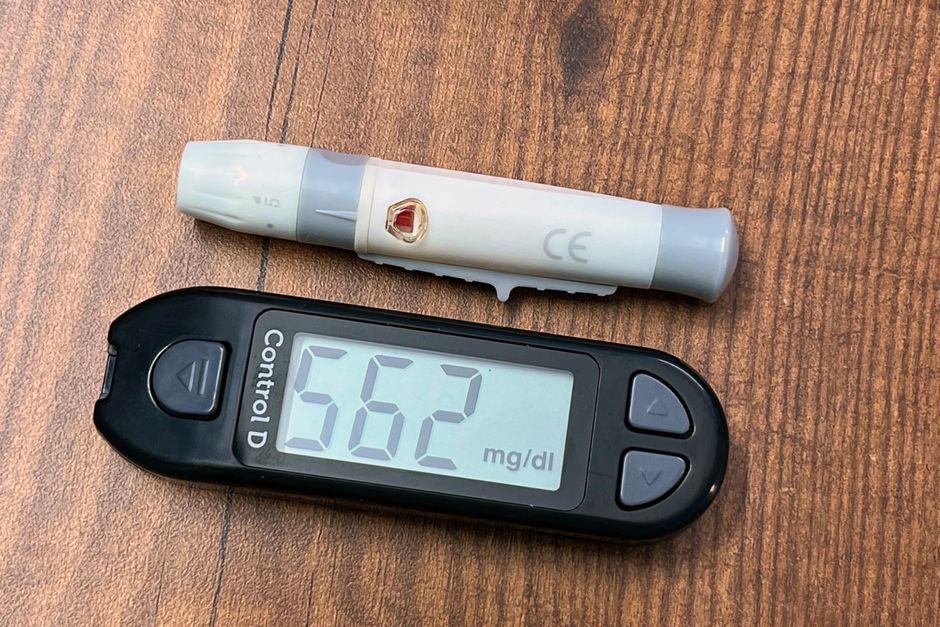
Traditional oral therapies (like metformin) typically lower A1C by slightly over 1%. SGLT2 inhibitors offer up to a 1% reduction, and DPP-4 inhibitors generally provide a modest 0.6% to 0.8% decrease.
In contrast, incretin mimetics regularly achieve A1C reductions of 1% to 2%. In direct head-to-head research, liraglutide demonstrated an average A1C reduction of 1.2% (from an 8.2% baseline) across the landmark LEAD studies, outperforming standard oral agents. In the SURPASS-5 trial, tirzepatide achieved up to a 2.34% reduction in A1C over 40 weeks of evaluation.
Weight Management
Unlike insulin and sulfonylureas, which frequently cause weight gain, incretin mimetics promote substantial weight loss by acting on hypothalamic satiety centers.
Clinical trial data highlights this dramatic difference:
- In early trials, liraglutide (as Saxenda) helped approximately 60% of participants lose at least 5% of their body weight, averaging an 8% overall reduction.
- Semaglutide (as Wegovy) elevated these figures, with roughly 80% of participants losing at least 5% of their body weight, averaging nearly 15% to 16% total weight loss over 68 weeks.
- Tirzepatide research in non-diabetic models demonstrated an astonishing 16.5% to 22.4% reduction in total body weight over 72 weeks.
Cardiovascular and Organ Protection
Beyond weight and glucose, these compounds show remarkable cardioprotective properties. They reduce blood pressure (partially through natriuretic and diuretic effects in the kidneys) and improve lipid profiles by lowering LDL cholesterol and triglycerides.
Key clinical trials have confirmed these systemic benefits:
- SUSTAIN-6: Semaglutide demonstrated a 26% reduction in major adverse cardiovascular events (MACE) in subjects with type 2 diabetes.
- SELECT: In obese subjects with established cardiovascular disease but without diabetes, semaglutide reduced MACE by 20%.
- FLOW: Evaluation showed a 24% reduction in kidney disease progression, confirming a protective renal pathway.
We explore these clinical breakthroughs in our articles on Why Your Doctor Is Obsessed With GLP-1 Receptor Agonists and Why GLP-1 Agonists Are a Change of Heart for Cardiac Care. For a deep dive into the comparative data of early trials, see Incretin mimetics: a novel therapeutic option for patients with type 2 … and Checking your browser – reCAPTCHA.
Safety Profiles, Side Effects, and Research Considerations
While the metabolic benefits of incretin mimetics are extensive, researchers must carefully consider their safety profiles and potential adverse effects.
Gastrointestinal Tolerability
The most frequent adverse events are gastrointestinal, particularly during the initial titration phases. Nausea occurs in 30% to 45% of semaglutide-treated models, frequently accompanied by diarrhea, vomiting, or constipation. These effects are usually transient and decline over time as the digestive system adapts.
Pancreatitis and Gallbladder Concerns
A rare but serious risk is acute pancreatitis, occurring in roughly 0.3% of subjects. If severe abdominal pain is observed, the compound must be discontinued immediately. Additionally, because rapid weight loss alters bile composition, there is a minor increase (~2.5%) in gallbladder disorders, such as gallstones.
Thyroid C-Cell Tumors
Most weekly GLP-1 receptor agonists and dual agonists carry a boxed warning regarding the risk of thyroid C-cell tumors. This warning is based on preclinical rodent models, which express GLP-1 receptors on thyroid C-cells far more densely than humans do. Nonetheless, these compounds are strictly contraindicated in subjects with a personal or family history of medullary thyroid carcinoma (MTC) or Multiple Endocrine Neoplasia syndrome type 2 (MEN-2).
Muscle Mass and Nutrition
During rapid weight loss, up to 30% of the lost weight can come from lean muscle mass rather than fat tissue. In research models, incorporating resistance training and high protein intake is vital to prevent muscle wasting.
To explore strategies for mitigating muscle loss, see The GLP-1 Guide to Not Melting Away Your Muscle. For general guidance on peptide safety, see Shedding Pounds With Science: A Guide to GLP-1 Peptides and Navigating GLP-1 Therapy in the Elderly. For a detailed clinical review of pancreatic and systemic safety data, consult Checking your browser – reCAPTCHA.
Frequently Asked Questions about Incretin Mimetics
How do single GLP-1 receptor agonists differ from dual GIP/GLP-1 agonists in research?
Single GLP-1 receptor agonists target only the GLP-1 pathway, focusing primarily on slowing gastric emptying, suppressing glucagon, and stimulating insulin. Dual agonists, such as tirzepatide, target both the GLP-1 and GIP receptors.
This dual activation creates a synergistic effect: GIP enhances the insulinotropic response to glucose while acting on adipose tissue to improve lipid storage and insulin sensitivity. This dual action often results in superior weight loss and glycemic control with a potentially milder gastrointestinal profile.
To explore these differences further, check out the comparative clinical guides in Incretin Mimetics and Amylin Analogues | Johns Hopkins Diabetes ….
What are the primary safety concerns associated with these compounds?
The primary safety concerns include:
- Gastrointestinal Distress: Transient nausea, vomiting, and diarrhea, especially during titration.
- Pancreatitis: A rare but serious risk of pancreatic inflammation.
- Thyroid C-Cell Pathology: A theoretical risk of medullary thyroid cancer, resulting in a boxed warning for most long-acting agents.
- Dehydration and Acute Kidney Injury: Often secondary to severe vomiting or diarrhea.
For an in-depth evaluation of these safety risks and clinical monitoring guidelines, see Checking your browser – reCAPTCHA.
How do dual GIP/GLP-1 receptor agonists compare to single GLP-1 agonists?
Dual GIP/GLP-1 agonists (like tirzepatide) consistently outperform single GLP-1 agonists (like semaglutide) in both glycemic control and weight reduction. In clinical trials, tirzepatide demonstrated weight loss of up to 22.4% in non-diabetic models, compared to approximately 15% to 16% typically observed with semaglutide.
Furthermore, dual agonists show more pronounced improvements in markers of insulin sensitivity and lipid profiles, making them a major focus of ongoing metabolic research.
Conclusion
The evolution of the incretin mimetic drug class has completely transformed our approach to metabolic research. What began as an intriguing observation of lizard biology has led to highly sophisticated multi-receptor agonists that protect cardiovascular health, preserve pancreatic beta-cells, and restore metabolic balance.
As we look further into 2026, the pipeline is full of exciting developments, including oral non-peptide formulations, triple agonists like retatrutide, and novel combination therapies. At BioGenix Peptides, we remain dedicated to providing high-purity compounds to support the next generation of metabolic discovery.
To explore our selection of high-quality research materials, visit our dedicated page: Explore GLP-1 and Incretin Research Peptides.