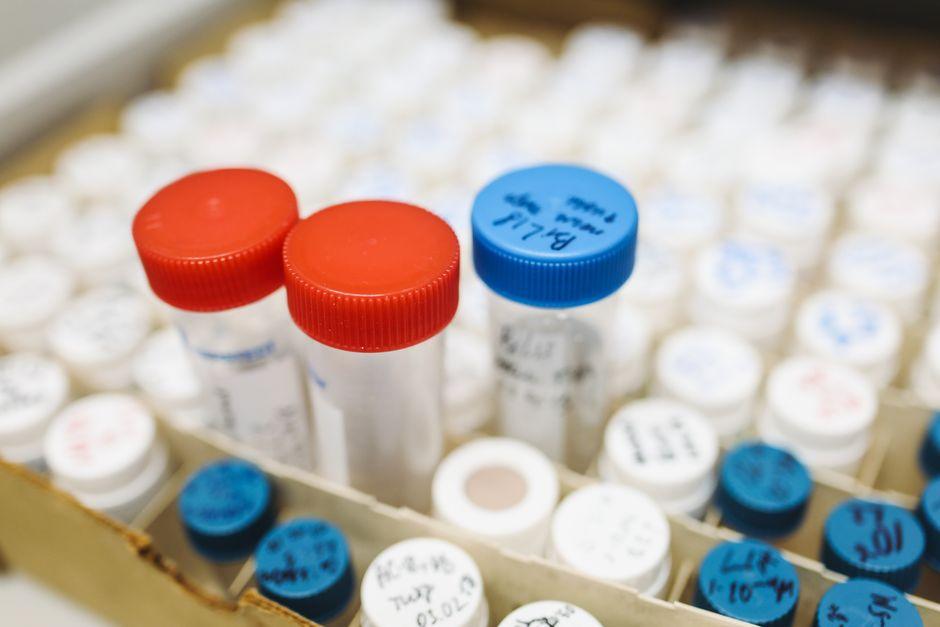
The Definitive Guide to Properly Storing Peptides
Disclaimer: The information provided in this article is for educational and informational purposes only. It is not intended as medical advice, diagnosis, or treatment. Products and compounds referenced are for research use only and are not approved for human or veterinary consumption. Always consult a qualified professional regarding health or medical decisions.
Storing Peptides: Keep Them Dry, Cold, and Protected
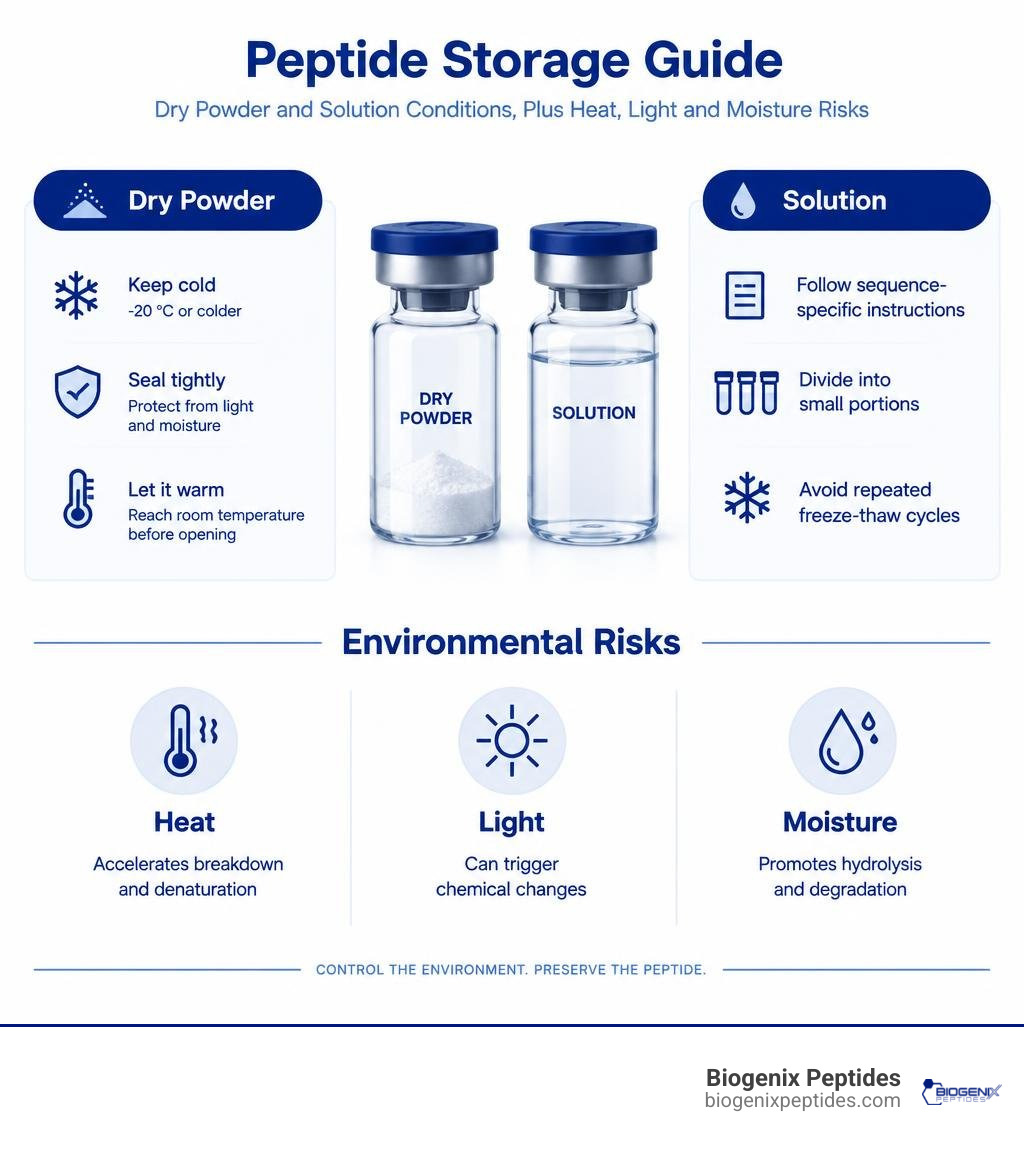
For storing peptides in a research lab, keep dry powder sealed, protected from light and moisture, and at -20 °C or colder for long-term storage. Let a sealed vial reach room temperature before opening it so moisture does not collect inside. For peptide solutions, follow the sequence-specific storage instructions, divide the solution into small portions, and avoid repeated freeze-thaw cycles. No single storage time fits every peptide.
These steps help limit chemical breakdown and loss of material, but they cannot confirm that a peptide remains intact. Its sequence, solvent, and container all matter.
I’m Jay Daniel, founder of BioGenix Peptides. My work in peptide sourcing and quality control shapes this research-focused guide to storing peptides with more consistent results.
Environmental Factors and Principles of Storing Peptides
Maintaining the structural integrity of synthetic peptides requires strict control over their physical environment. Environmental instability triggers both physical unfolding and irreversible chemical modifications. Understanding these mechanisms helps researchers implement targeted storage controls to protect valuable research samples.
Temperature plays a decisive role in peptide conformation. While small linear sequences lack complex folding, larger polypeptides and therapeutic proteins depend on delicate non-covalent interactions to maintain their active geometries. For most proteins and complex peptides, the critical temperature for unfolding is approximately 50 °C. Elevated temperatures impart kinetic energy that accelerates denaturation mechanisms and promotes secondary structure collapse.
Moisture exposure represents the primary catalyst for solid-state degradation. Lyophilized peptide cakes are inherently hygroscopic, meaning they rapidly absorb water vapor from the surrounding atmosphere. When moisture breaches a storage container, it introduces liquid-phase kinetics to an otherwise stabilized matrix. This ambient water facilitates non-enzymatic hydrolysis, cleaving the peptide backbone into inactive fragments.
Light exposure—specifically ultraviolet (UV) radiation—drives photo-induced oxidation. Aromatic residues absorb photon energy, generating reactive oxygen species (ROS) within the vial that degrade adjacent bonds. Furthermore, physical agitation introduces mechanical shear stress. Research reviewed in Instability Challenges and Stabilization Strategies of Pharmaceutical Proteins (Akbarian & Chen, 2022) illustrates how shear forces accelerate aggregation. In fact, agitation has been shown to increase the rate of aggregation and amyloid formation in proteins like amyloid-β, insulin, and β-lactoglobulin by more than three times on average. Studies also confirm that stirring creates higher mechanical shear stress than shaking, causing rapid, irreversible fibril precipitation.
Amino Acid Sequence Vulnerabilities and Chemical Breakdown
A peptide’s primary sequence dictates its susceptibility to chemical breakdown. Certain residues carry functional side chains that react under sub-optimal pH, light, and moisture levels:
- Oxidation-Prone Residues: Methionine (M), cysteine (C), and tryptophan (W) degrade readily when exposed to oxygen or free radicals. Methionine converts into methionine sulfoxide and sulfone, while cysteine forms non-native intermolecular disulfide crosslinks or shuffles existing bonds. Tryptophan undergoes photo-oxidation, forming colored degradants like kynurenine.
- Deamidation Hotspots: Asparagine (N) and glutamine (Q) residues undergo non-enzymatic deamidation, converting into aspartic/isoaspartic acid and glutamic acid. Asparagine-glycine (N-G) and asparagine-serine (N-S) motifs are vulnerable due to low steric hindrance, enabling cyclic succinimide intermediate formation.
- Deamidation Kinetics: The rate of deamidation accelerates at physiological pH and elevated temperatures. Placing calmodulin at 37 °C (pH 7.4) for one month results in severe deamidation, leaving only 10% of the protein functionally active. Similarly, incubating human growth hormone (hGH) at 37 °C (pH 7.4) for two weeks converts 37% of the sample into a deamidated form, substantially reducing biological activity.
- Hydrolysis and Cleavage: Aspartyl residues (particularly Asp-Pro sequences) undergo acid-catalyzed peptide bond cleavage under low pH conditions, while neutral aqueous conditions promote non-enzymatic hydrolysis over extended periods.
- Racemization and Beta-Elimination: Basic environments (pH > 8.0) promote base-catalyzed racemization of chiral centers and beta-elimination of cysteine residues, altering steric properties.
Stability Differences Across Peptides, Proteins, and ADCs
Storage requirements scale with molecular weight and higher-order structural complexity. Short peptides (2 to 20 amino acids) lack tertiary folding, making them resistant to classical thermal denaturation, though they remain vulnerable to chemical cleavage and oxidation.
In contrast, full-length proteins and monoclonal antibodies (mAbs) possess intricate secondary, tertiary, and quaternary structures. Unfolding exposes buried hydrophobic patches, triggering self-association and precipitation. Incubating an IgG1 antibody in a neutral, aqueous medium for three months produces measurable non-enzymatic hydrolysis, illustrating the baseline instability of large proteins.
Antibody-drug conjugates (ADCs) present dual challenges. In addition to protein denaturation, ADCs risk covalent payload detachment and photo-induced aggregation. Conjugated chromophores absorb light energy and channel it into the protein scaffold; for instance, eosin-conjugated trastuzumab initiates measurable aggregation after just 7 minutes of incubation under 20 W·h/m² of UVA light.
Thermodynamic behavior also differs at low temperatures. While heating causes thermal unfolding, extreme cold can trigger cold-induced denaturation due to structural changes in surrounding water molecules. For example, ribonuclease A precipitates at temperatures as low as −22 °C, and human IgM cryoglobulins form a reversible gel between 10 °C and 12 °C that resolves only upon rewarming.
Lyophilized Peptide Storage: Solid-State Preservation
Solid-state lyophilization (freeze-drying) removes bulk water, locking peptide molecules into an amorphous glass matrix that minimizes chemical reactions. Preserving this protective matrix requires thorough moisture exclusion and thermal control.
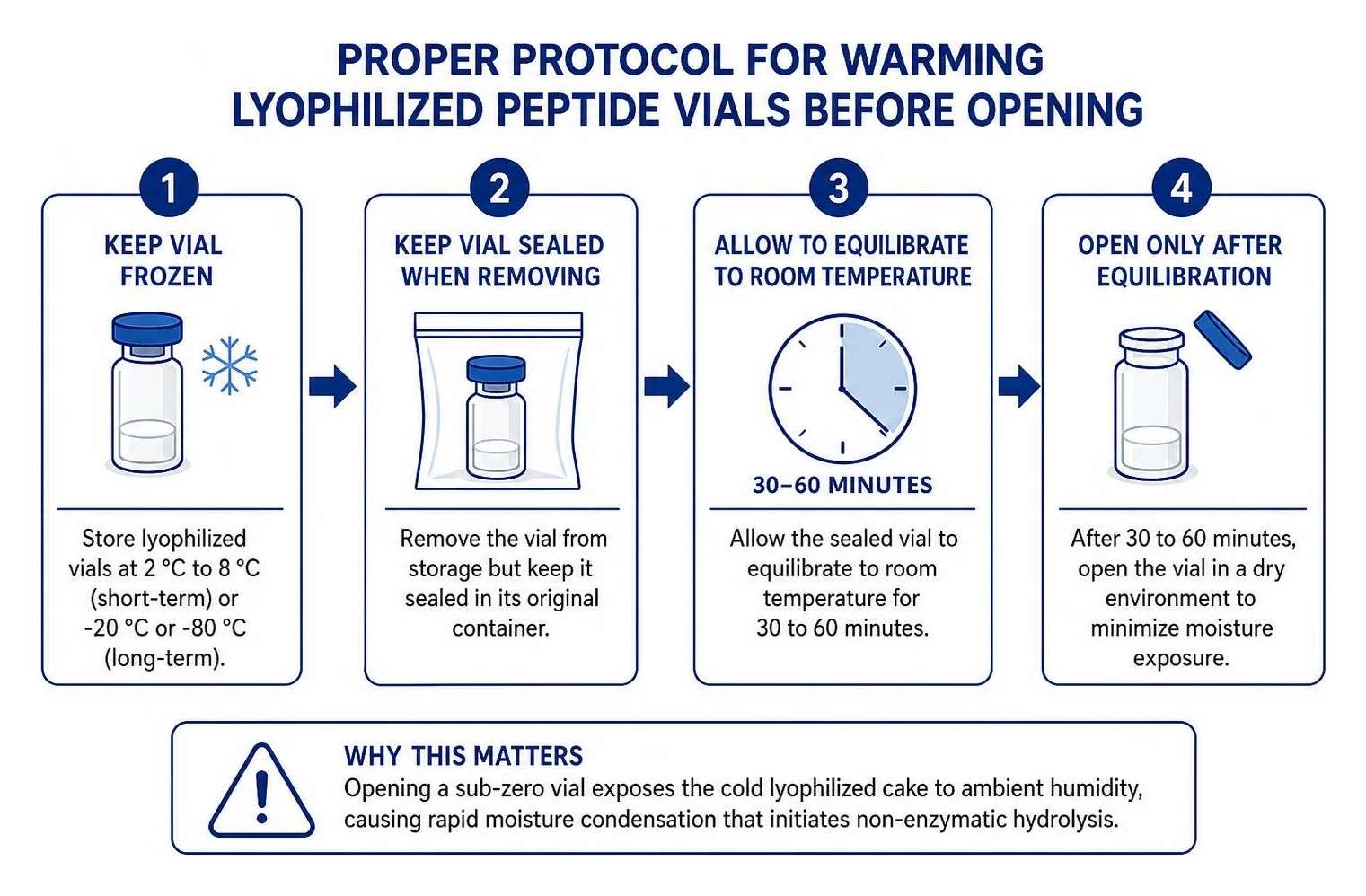
Unopened, properly refrigerated lyophilized peptides typically stay stable for 1 to 2 years at 2 °C to 8 °C. For long-term storage exceeding one year, or for peptides containing oxidation-prone residues, maintain freezers at -20 °C or -80 °C. Always employ dedicated freezer powder storage protocols and consult our handbook on solid peptide shelf life to prevent degradation.
Moisture management remains paramount. Always store vials within sealed secondary containers containing activated desiccant beads. When retrieving frozen powder vials, never open the container immediately. Allow the sealed vial to equilibrate to room temperature for 30 to 60 minutes. Opening a sub-zero vial exposes the cold lyophilized cake to ambient humidity, causing rapid moisture condensation that initiates non-enzymatic hydrolysis. Always follow established laboratory handling guidelines during preparation procedures.
| Peptide Physical State | Storage Temperature Range | Target Shelf Life | Key Storage Precautions |
|---|---|---|---|
| Lyophilized (Powder) | -20 °C to -80 °C | 1 to 3+ Years | Store with desiccant; equilibrate to room temp before opening; flush with nitrogen. |
| Lyophilized (Powder) | 2 °C to 8 °C (Refrigerated) | 1 to 2 Years | Keep protected from light; use secondary desiccated container. |
| Reconstituted (Solution) | -20 °C to -80 °C | 3 to 12 Months | Prepare single-use aliquots; strictly avoid frost-free freezers and freeze-thaw cycles. |
| Reconstituted (BAC Water) | 2 °C to 8 °C (Refrigerated) | 2 to 4 Weeks | Use sterile technique; place on middle refrigerator shelves; protect from light. |
| Reconstituted (Sterile Water) | 2 °C to 8 °C (Refrigerated) | 3 to 5 Days | High risk of microbial proliferation; prepare immediately prior to study. |
Container Integrity and Surface Adsorption Prevention
Container material selection directly impacts peptide recovery and sample stability. Highly diluted peptide solutions and small powder quantities are prone to surface adsorption, where hydrophobic segments bind non-specifically to container walls.
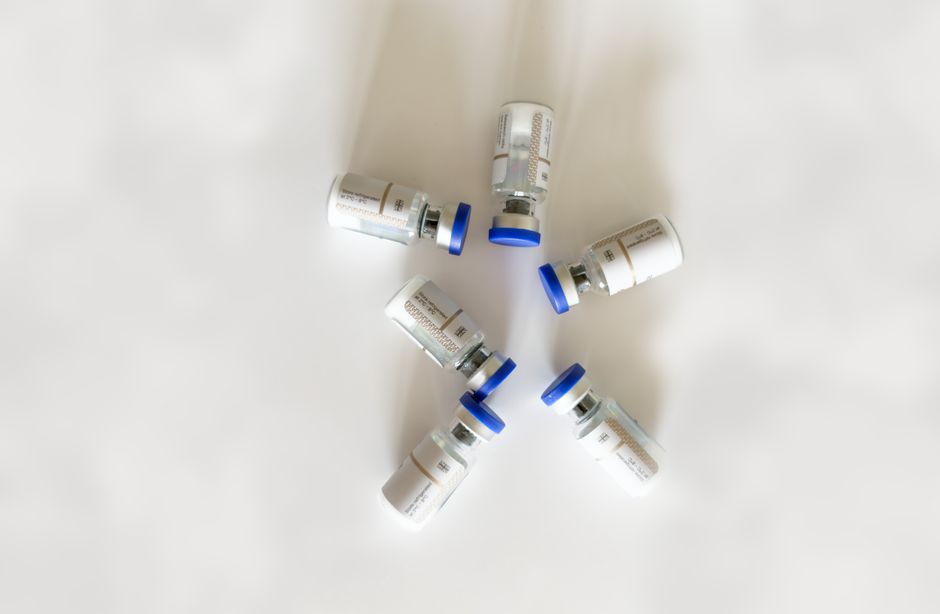
Borosilicate glass vials provide chemical resistance, optical clarity, and low gas permeability. However, basic or hydrophobic peptides can bind to silanol groups on untreated glass surfaces. Polypropylene cryovials offer an inert alternative, but researchers should prioritize certified low-binding microcentrifuge tubes to maximize recovery. Choosing durable storage containers ensures container integrity and prevents micro-fissures during ultra-low temperature freezing.
For sensitive peptides containing cysteine, methionine, or tryptophan, flush the vial headspace with high-purity inert gas—such as dry argon or nitrogen—prior to capping. This inert blanket displaces atmospheric oxygen, eliminating oxidative degradation during multi-year storage.
Guidelines for Storing Peptides During Transit and Shipping
Lyophilized peptides tolerate transient ambient temperatures during domestic and international transit. While short-term exposures (1 to 2 weeks) at room temperature rarely cause measurable degradation for resilient sequences, elevated heat spikes can compromise integrity.
When planning research logistics, implement controls for handling shipping fluctuations by using insulated containers lined with conditioned gel packs or dry ice. Certain sequences exhibit higher stability profiles; for example, validating temperature stability for BPC-157 reveals robust structural tolerance during brief shipping delays. Upon receipt, inspect packaging integrity and immediately transfer vials to -20 °C or 2 °C to 8 °C storage.
Reconstituted Peptide Management and Solution Chemistry
Once reconstituted into a liquid solvent, peptides enter an active thermodynamic state where physical and chemical degradation pathways accelerate. Solution shelf life depends heavily on the choice of diluent, pH balance, and temperature management.

Bacteriostatic water (sterile water containing 0.9% benzyl alcohol) serves as the standard diluent for multi-use laboratory solutions. Benzyl alcohol acts as a bacteriostatic preservative, suppressing microbial proliferation. Reconstituted peptides in bacteriostatic water typically remain stable for 2 to 4 weeks when refrigerated. In contrast, solutions prepared with non-preserved sterile water lack antimicrobial protection and must be used within 3 to 5 days to avoid microbial breakdown.
Unopened bacteriostatic water retains efficacy through its printed expiration date, but once pierced, it lasts about 28 days before preservative potency declines. Solution pH should generally be maintained between 5.0 and 6.5; this slightly acidic range minimizes both base-catalyzed deamidation and strong acid hydrolysis. For comprehensive lifespan projections, review our guide on reconstituted peptide lifespan.
Best Practices for Storing Peptides in Liquid Solutions
Reconstituted solutions require constant thermal stability. Store working solution vials between 2 °C and 8 °C (35 °F to 38 °F), positioning them on central refrigerator shelves rather than door compartments, which experience temperature swings during daily access. Explore specialized cold storage techniques and follow dedicated refrigeration protocols to maintain steady temperatures. Our refrigerator placement advice offers practical organization strategies for high-volume laboratories.
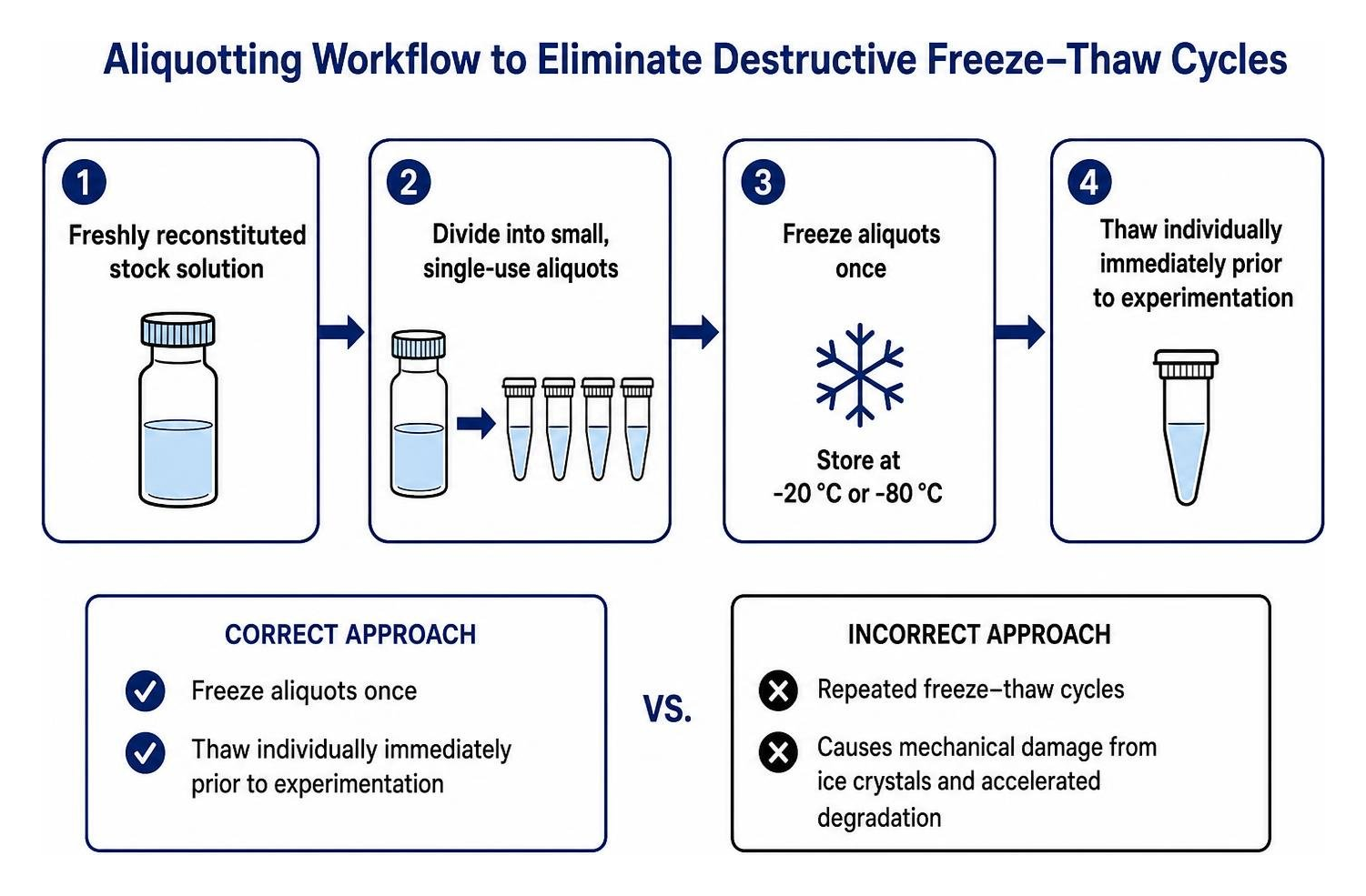
For liquid storage extending beyond four weeks, store peptide solutions at -20 °C or -80 °C. Freeze-thaw cycles must be strictly avoided. As water freezes, growing ice crystals create mechanical shear forces that tear peptide structures apart. Cryo-concentration also occurs, forcing dissolved peptides and buffer salts into concentrated liquid channels that accelerate aggregation and deamidation.
To prevent freeze-thaw damage:
- Divide freshly reconstituted stock solutions into small, single-use aliquots.
- Freeze aliquots once and thaw individually immediately prior to experimentation.
- Never use standard household or laboratory frost-free freezers, which cycle their internal temperatures to melt frost, inadvertently subjecting samples to repeated thermal cycling.
Sequential Dissolution for Hydrophobic Sequences
Peptides containing high proportions of hydrophobic residues (e.g., leucine, isoleucine, phenylalanine, valine) often resist standard aqueous dissolution. Forcing dissolution through aggressive heating or excessive vortexing introduces shear stress and thermal degradation.
Instead, employ a sequential solvent methodology:
- Baseline Test: Attempt dissolution in a minimal volume of sterile, degassed water.
- Acidic/Basic Adjustment: If the sequence carries a net positive charge (basic residues: Arg, Lys, His), add a minute volume (10–50 µL) of dilute acetic acid (0.1–1.0%). If the sequence carries a net negative charge (acidic residues: Asp, Glu), add dilute ammonium hydroxide (0.1–1.0%).
- Organic Cosolvents: For non-polar sequences, dissolve the dry peptide in a small volume of dimethyl sulfoxide (DMSO) or dimethylformamide (DMF) before bringing the solution to its final concentration with sterile water or buffer.
- Assisted Solubilization: Place the vial in an ultrasonic bath sonicator for 15 to 30-second intervals to break up aggregates without introducing mechanical shear.
Advanced Stabilization Engineering and Quality Assessment
Modern peptide science relies on structural engineering to enhance shelf life and resistance to thermal stress. Incorporating chemical modifications minimizes degradation pathways in native chains.
- PEGylation: Conjugating polyethylene glycol (PEG) chains creates a protective hydration sphere around the peptide, shielding it from proteolytic enzymes, reducing surface adsorption, and suppressing intermolecular aggregation.
- Acylation: Attaching fatty acid moieties promotes reversible self-association or serum albumin binding. Extending an albumin-binding peptide label to the anti-tissue factor D3H44 Fab fragment increased its half-life nearly 40-fold in stability models.
- Cyclization: Joining N- and C-termini (or forming internal side-chain bridges) locks the peptide backbone into a rigid conformation, eliminating exopeptidase cleavage and preventing unfolded transition states. Learn more about these formulation technologies in our review of heat-resistant formulation science.
- Genetic Engineering: Point mutations can replace labile residues. Engineering hGH analogs with 10–14 rational mutations yielded a four- to ten-fold increase in shelf life alongside improved thermal stability.
- Formulation Excipients: Lyoprotectants like trehalose and sucrose form hydrogen bonds with drying peptides, preserving their native secondary structures during freezing. Non-ionic surfactants (such as polysorbate 20 and polysorbate 80) prevent agitation-induced aggregation at liquid-air interfaces.
Researchers should regularly inspect stored peptide solutions for signs of degradation. Visual inspection against direct light helps detect early physical breakdown, such as:
- Loss of clarity, visible cloudiness, or opalescence indicating high-molecular-weight aggregates.
- Particulate settlement or fibrillar flocs at the bottom of the vial.
- Viscosity increases or gelation.
- Yellow-to-brown discoloration signaling advanced tryptophan or methionine photo-oxidation.
For definitive validation, use analytical characterization techniques such as reverse-phase high-performance liquid chromatography (RP-HPLC) coupled with mass spectrometry (LC-MS) to quantify exact purity and identify cleaved or oxidized species.
Frequently Asked Questions About Peptide Storage
Can lyophilized peptides be stored safely at room temperature?
Lyophilized peptides can tolerate short-term ambient exposures (ranging from several days to two weeks) during transport or benchtop preparation without significant loss of purity. However, long-term ambient storage accelerates moisture-driven hydrolysis and oxidation. Always store solid peptide powders at 2 °C to 8 °C for intermediate use or at -20 °C to -80 °C for extended preservation.
How long do reconstituted peptides remain stable in the refrigerator?
When reconstituted with bacteriostatic water (containing 0.9% benzyl alcohol), most peptide solutions remain stable for 2 to 4 weeks when refrigerated continuously at 2 °C to 8 °C. If reconstituted with unpreserved sterile water, solutions must be utilized within 3 to 5 days due to the risk of rapid bacterial growth and hydrolytic degradation.
What are the primary signs that a stored peptide has degraded?
Visual signs of peptide degradation include cloudiness (turbidity), particulate precipitation, gelation, or a distinct yellowish-brown discoloration. However, chemical degradation (such as deamidation or single-site oxidation) often occurs without visual changes. If experimental assays show an unexpected loss of potency, verify purity via RP-HPLC or LC-MS.
Conclusion
Rigorous storage practices are essential for preserving the chemical integrity and experimental reproducibility of synthetic peptides. By controlling moisture exposure, shielding samples from UV light, using inert containers, and eliminating freeze-thaw cycles, laboratories can maximize peptide shelf life and minimize experimental variability. At BioGenix Peptides, our compounds undergo comprehensive analytical verification to support consistent research outcomes. For detailed compound stability data, review our complete peptide storage stability guidelines.
References
Akbarian M, Chen SH. “Instability Challenges and Stabilization Strategies of Pharmaceutical Proteins..” Pharmaceutics, 2022. PMCID PMC9699111.