How to Buy Thymosin Alpha 1 for Research
Buy thymosin alpha 1 for research: purity guide, testing, storage, benefits & FAQs. Top research-grade from Biogenix.
Buy thymosin alpha 1 for research: purity guide, testing, storage, benefits & FAQs. Top research-grade from Biogenix.
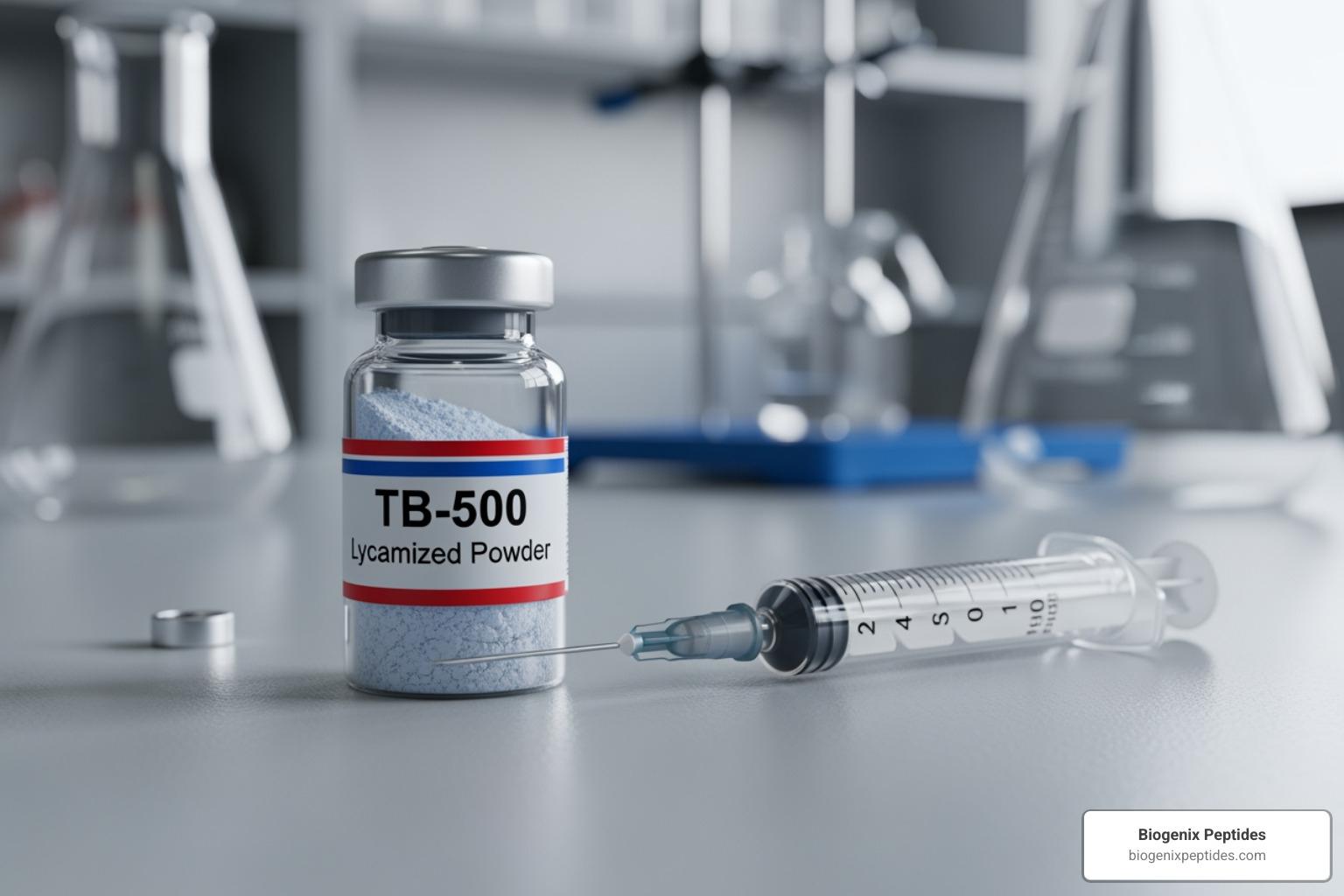
Master your TB 500 injection protocol guide. Learn dosing, administration, and optimization for tissue repair and recovery.
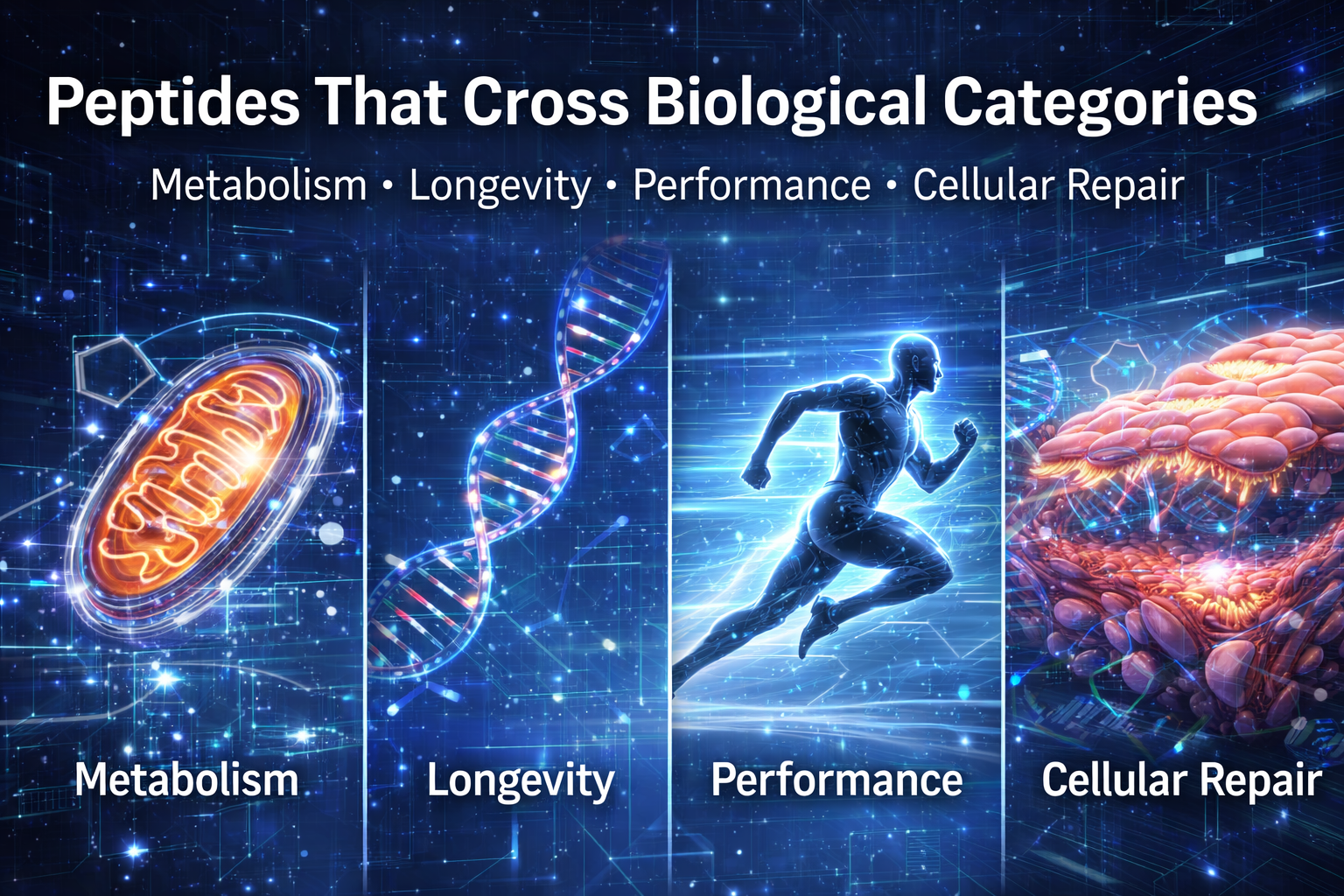
When One Molecule Influences Metabolism, Longevity, Performance, and Repair Research Use Only Notice: The information presented in this article is for educational and scientific discussion purposes only. All compounds referenced are intended strictly for laboratory research and analytical use. They are not approved for human consumption, not intended to diagnose, treat, cure, or prevent any

Two Peptides, Two Philosophies of Neural Signaling Important Research Use Notice The compounds discussed on this page are offered strictly for laboratory research and analytical purposes only. These products are not approved by the FDA for human or veterinary use. They are not intended for diagnosis, treatment, cure, or prevention of any disease. All information
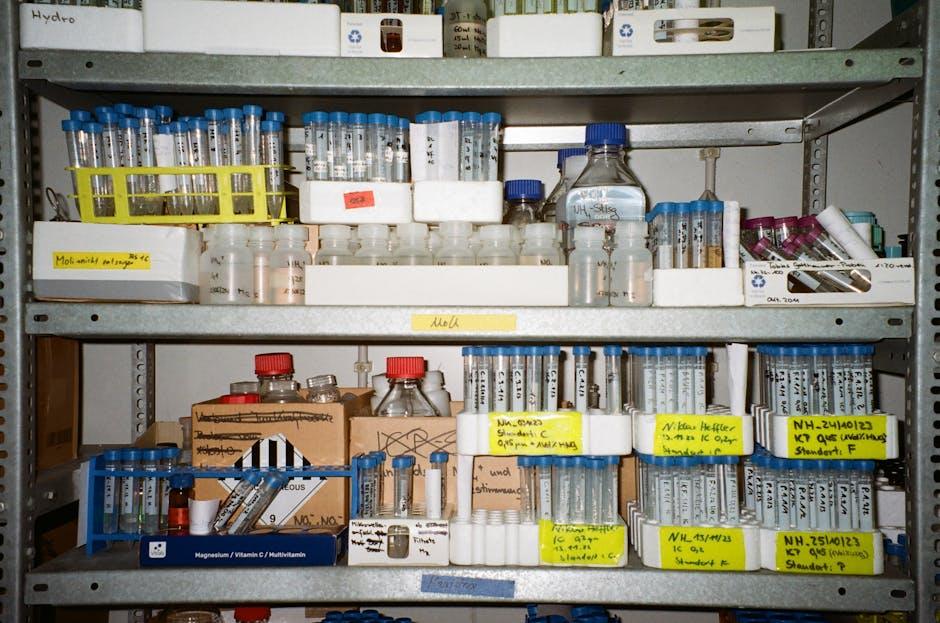
Master peptide vial storage: Optimize freezer organization, prevent degradation, and ensure research potency with expert guidelines.
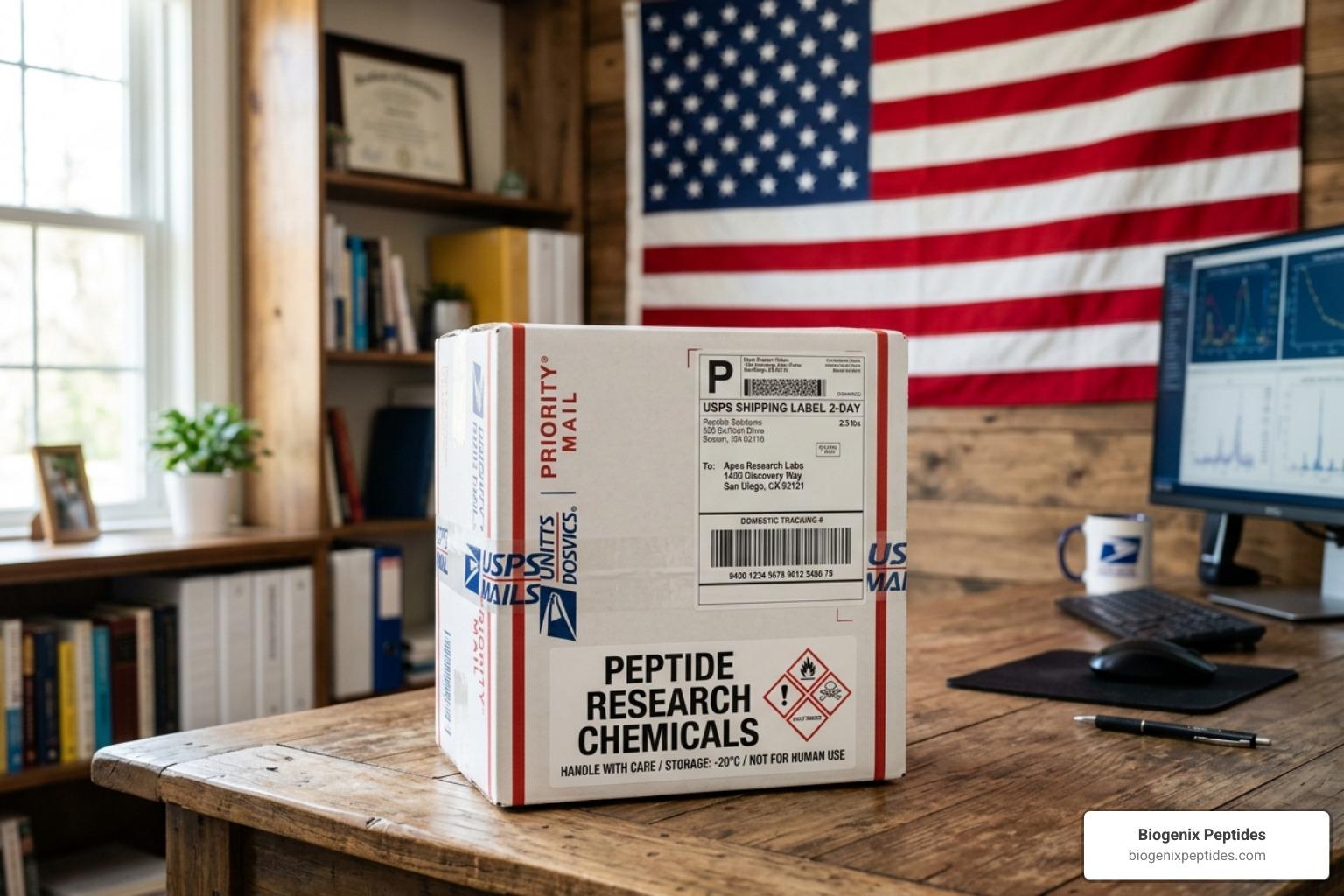
Discover fast peptide shipping USA: expert tips on compliance, stability packaging, expedited carriers & free shipping thresholds for research peptides.
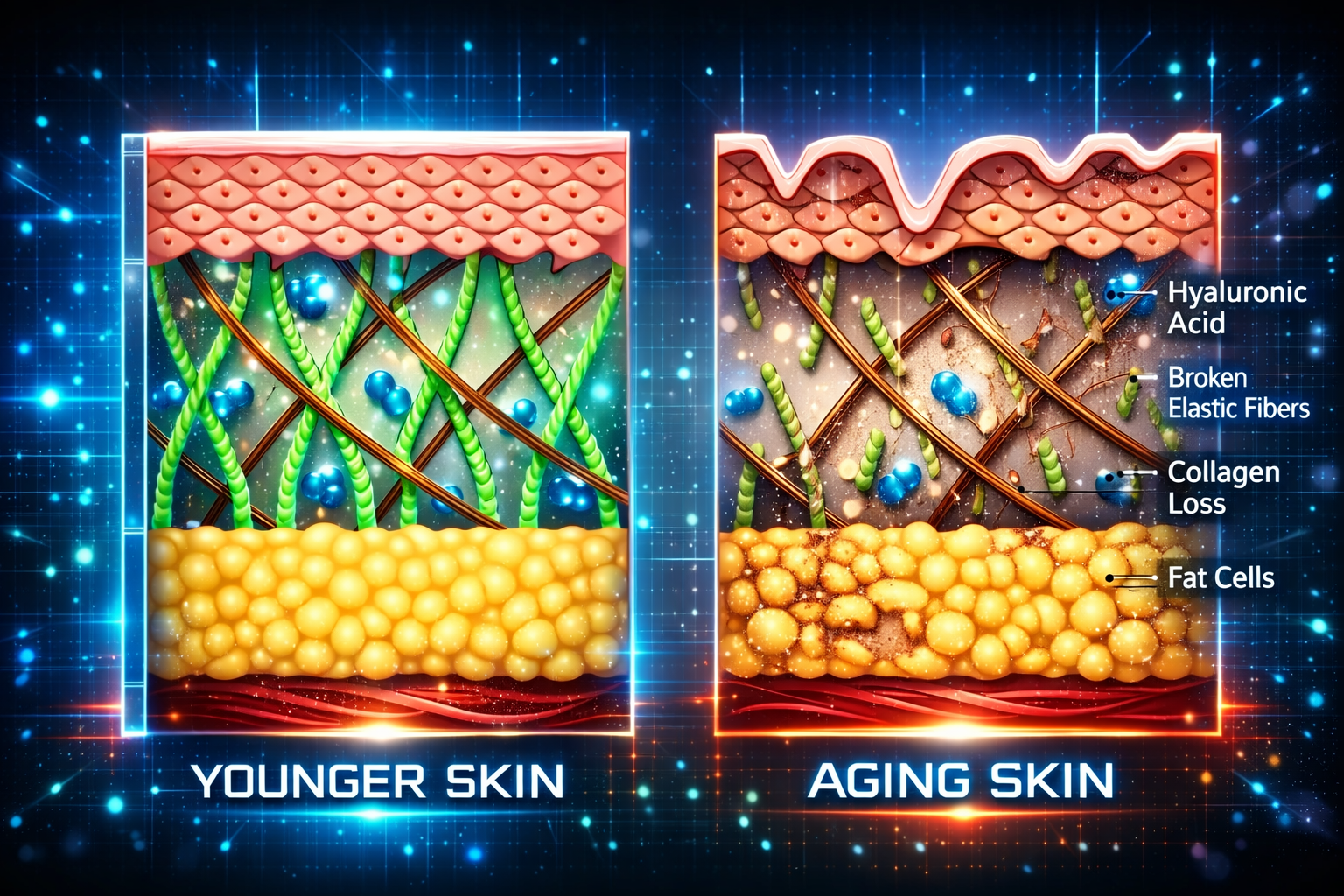
Deep Dive • Mechanism • Research Review Disclaimer: The information provided on this website, including articles, blogs, graphics, and other educational materials, is intended solely for informational and educational purposes within a scientific research context. This content is not medical advice and should not be interpreted as such. BioGenix Peptides™ products are sold for research

Research Use Only Disclaimer The information provided on this website is for educational and informational purposes only. All products referenced are research compounds intended solely for in vitro laboratory research and development. These materials are not intended for human or veterinary use, are not approved by the FDA, and are not intended to diagnose, treat,
Discover high-purity peptides for sale tirzepatide: lab standards, dual-agonist research, reconstitution tips & buy 99% pure now.
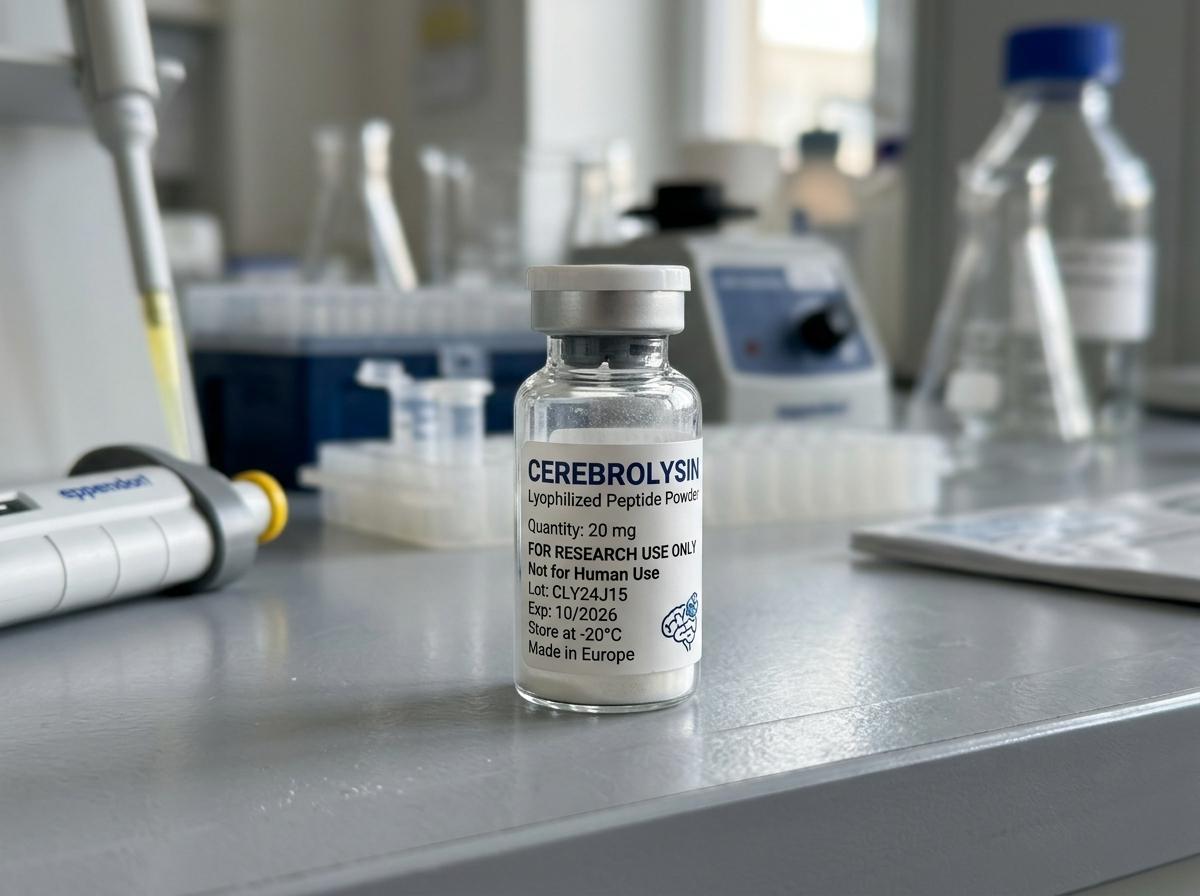
Discover Cerebrolysin peptide for sale: Boost neuroprotection, cognition & recovery in research. Explore protocols, FAQs & alternatives now!

Don’t lose your saved cart. Enter your email below so your research items are ready whenever you return.

Before entering this website, please read and agree
to the following statement:
You are not old enough to view this content.