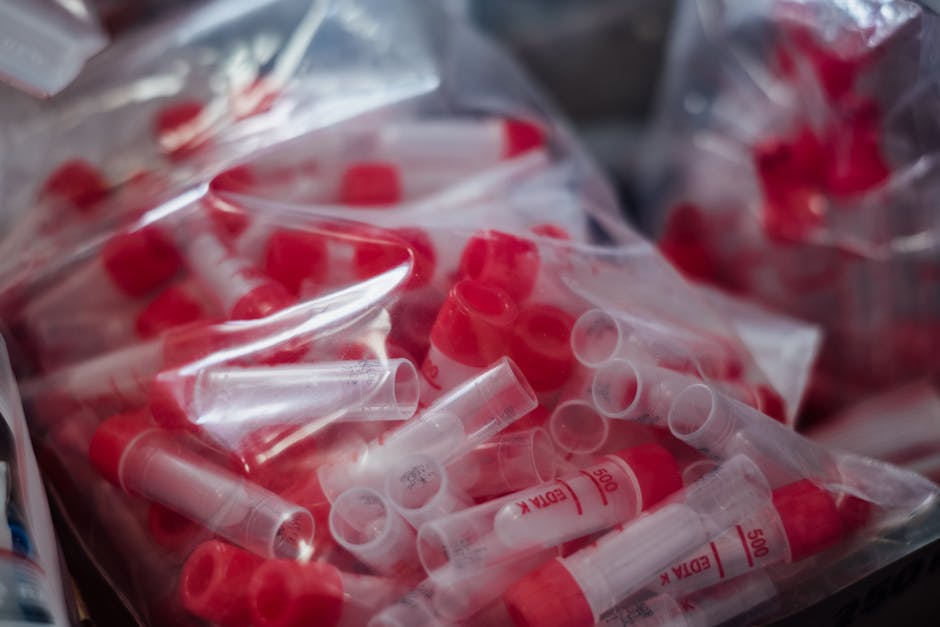
Cold Storage Secrets for Keeping Reconstituted Peptides Fresh
Discover how long does reconstituted peptides last in fridge: 28-30 days max. Expert tips on stability, storage & best practices for BPC-157, TB-500 & more.
Discover how long does reconstituted peptides last in fridge: 28-30 days max. Expert tips on stability, storage & best practices for BPC-157, TB-500 & more.
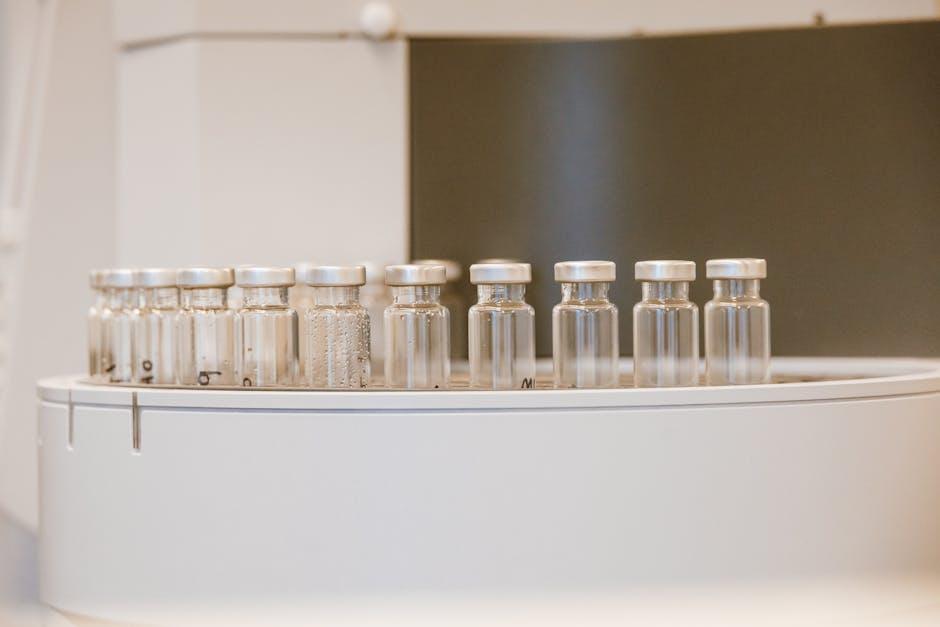
Discover how long do lyophilized peptides last at room temp, fridge & freezer. Master storage tips to prevent degradation and ensure research potency!
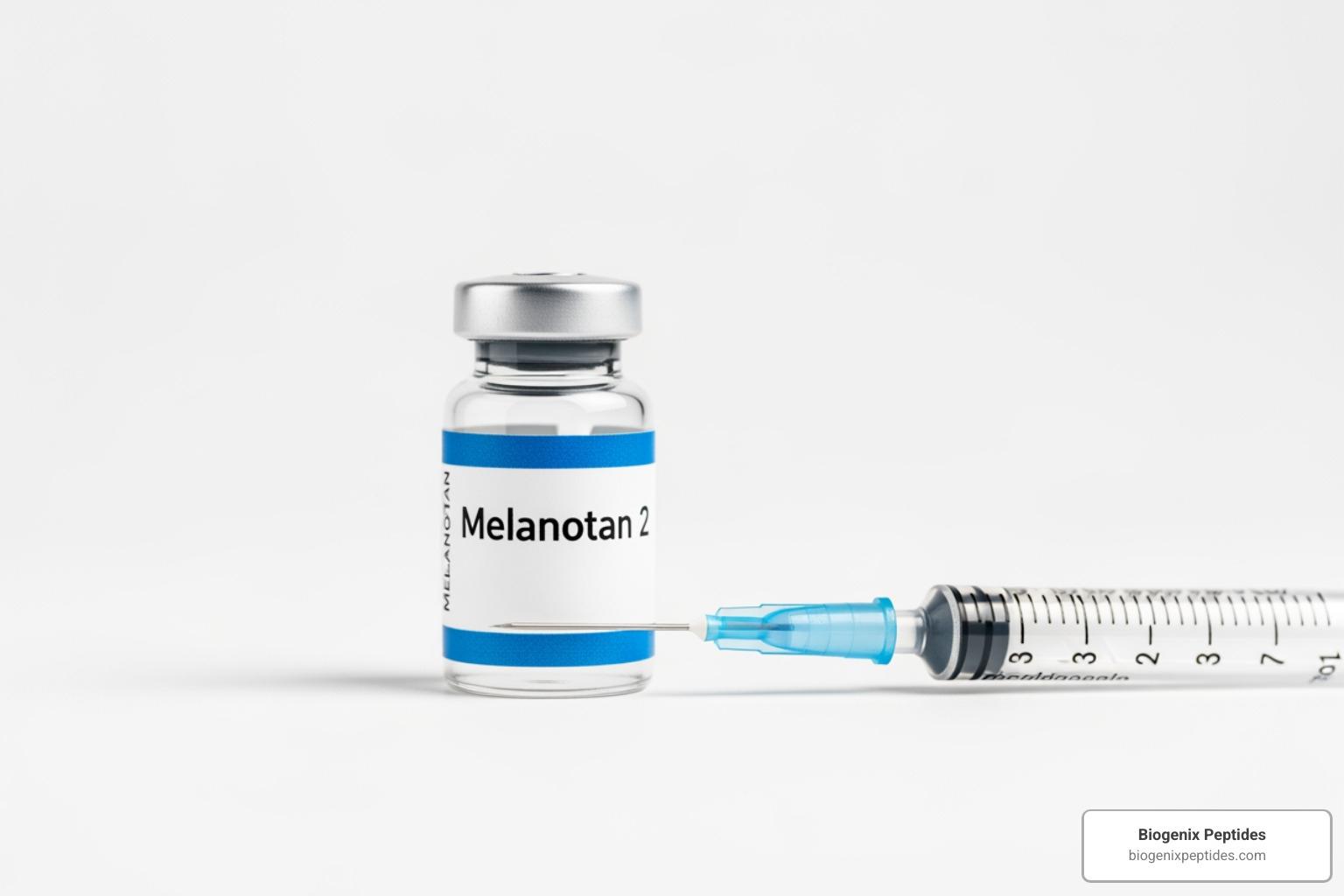
Buy melanotan 2 peptide safely: Expert guide on purity, dosage, benefits, storage & top vendors for research.

How a Four-Pathway Approach to Metabolism Could Redefine Fat Loss, Muscle Preservation, and the Future of Multi-Agonist Research Disclaimer: The content published under this author’s byline is provided for informational and educational purposes only and reflects theoretical research discussions related to peptides, biochemistry, and related scientific topics. Any credentials or academic titles referenced are academic
Protect muscle on GLP-1 agonists! Discover proven strategies for GLP-1 agonists muscle preservation, exercise tips, and research-backed methods.
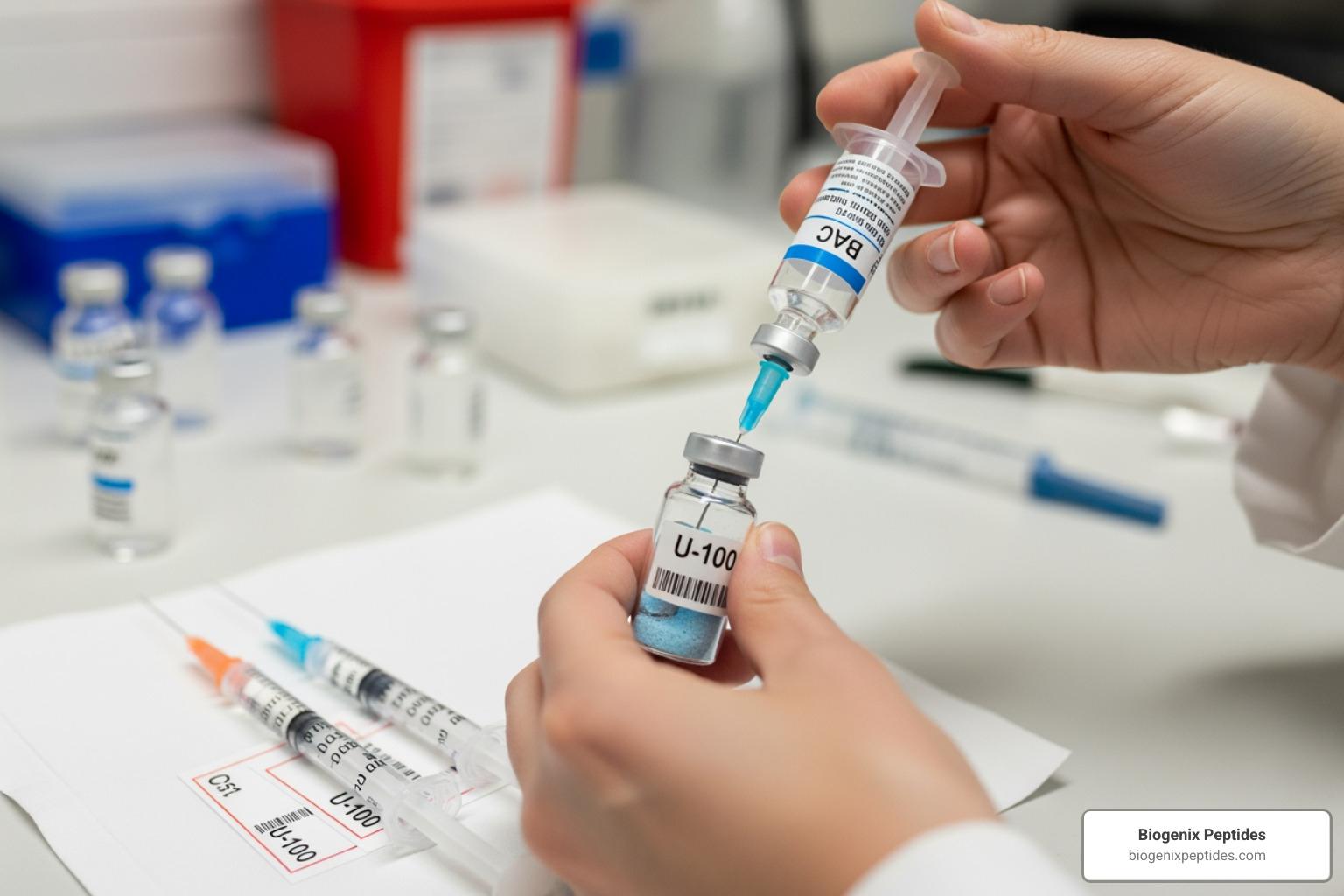
Learn how much bac water to reconstitute peptides: exact ratios for 5mg/10mg vials, step-by-step guide, storage tips & FAQs.

Enzymatic Ligation in Peptide Synthesis: Why It May Be the Next Major Leap in Complex Peptide Manufacturing Enzymatic ligation is emerging as a powerful tool in complex peptide synthesis, offering advantages in selectivity, yield, purity, cyclization, and scalable manufacturing compared with conventional stepwise chemistry. DISCLAIMER The content published under this author’s byline is provided for
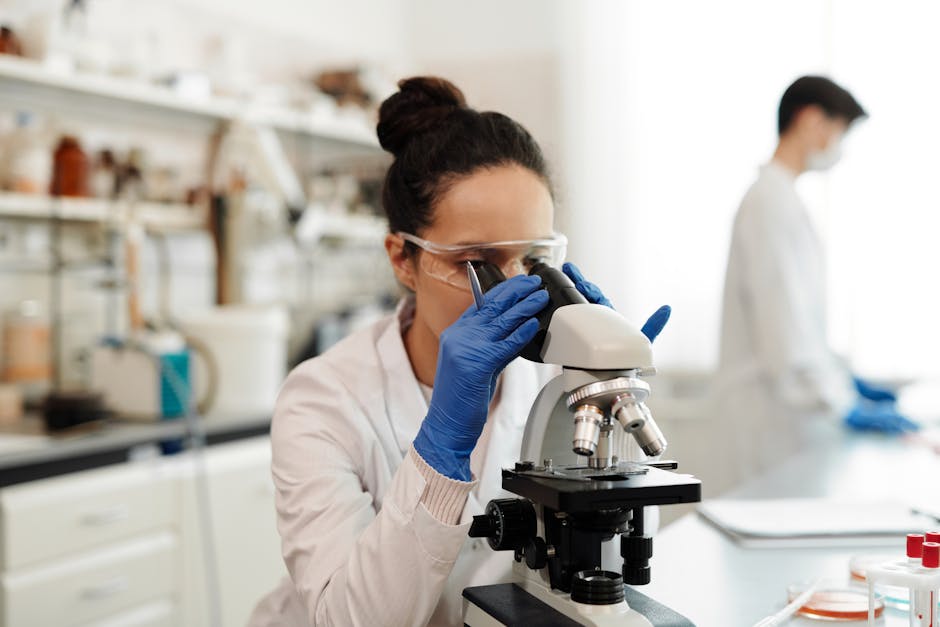
Discover strategies for enhancing peptide thermal stability: stapling, liposomes, counterions, and more to conquer heat challenges.
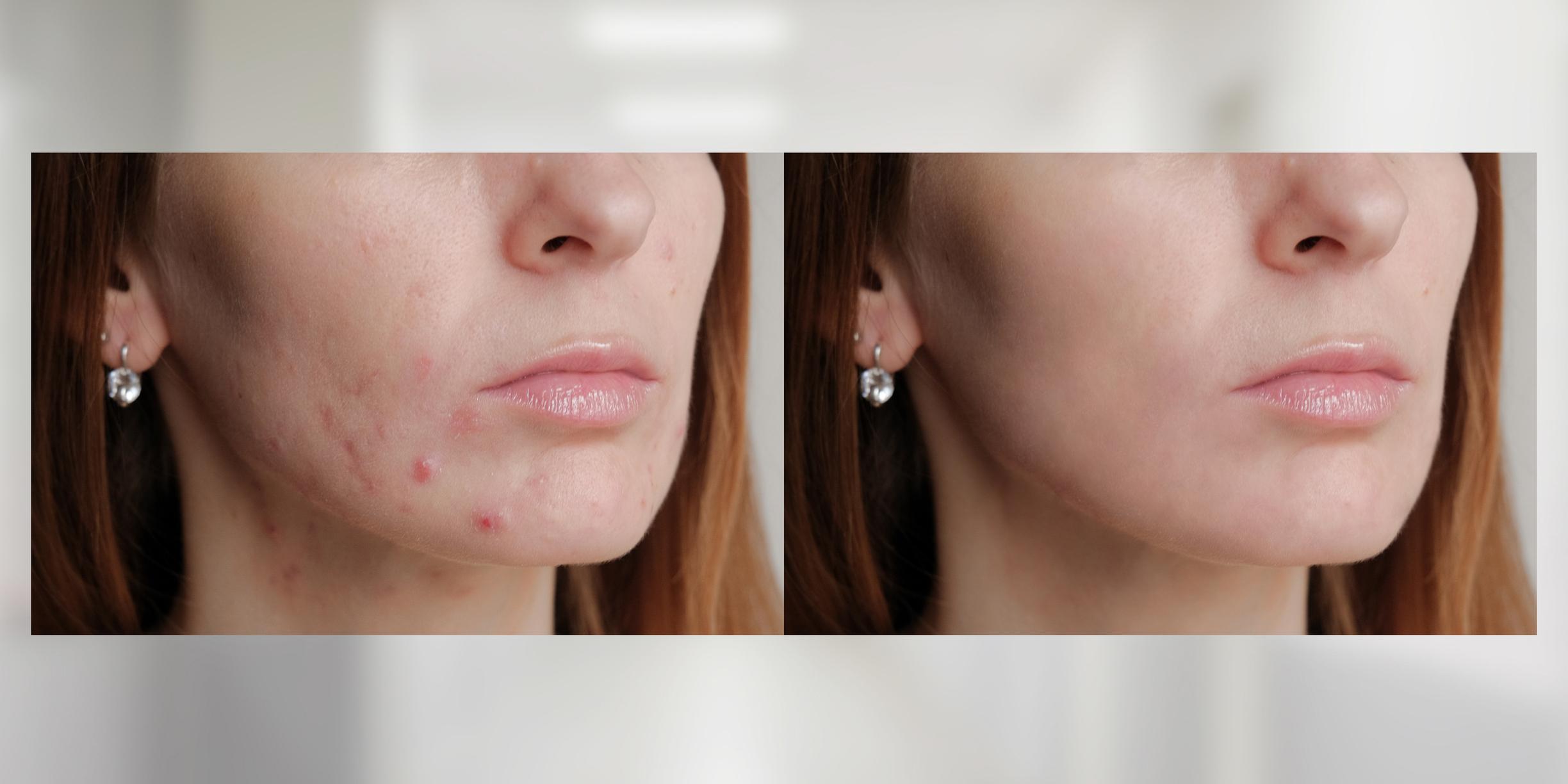
GHK-Cu for Systemic Acne: What the Research Really Suggests About Healing From Within Acne is often treated as a surface-level issue — clogged pores, excess oil, and bacteria. But many stubborn forms of acne are more complex than that. In a growing number of research discussions, acne is being viewed as a broader biological issue
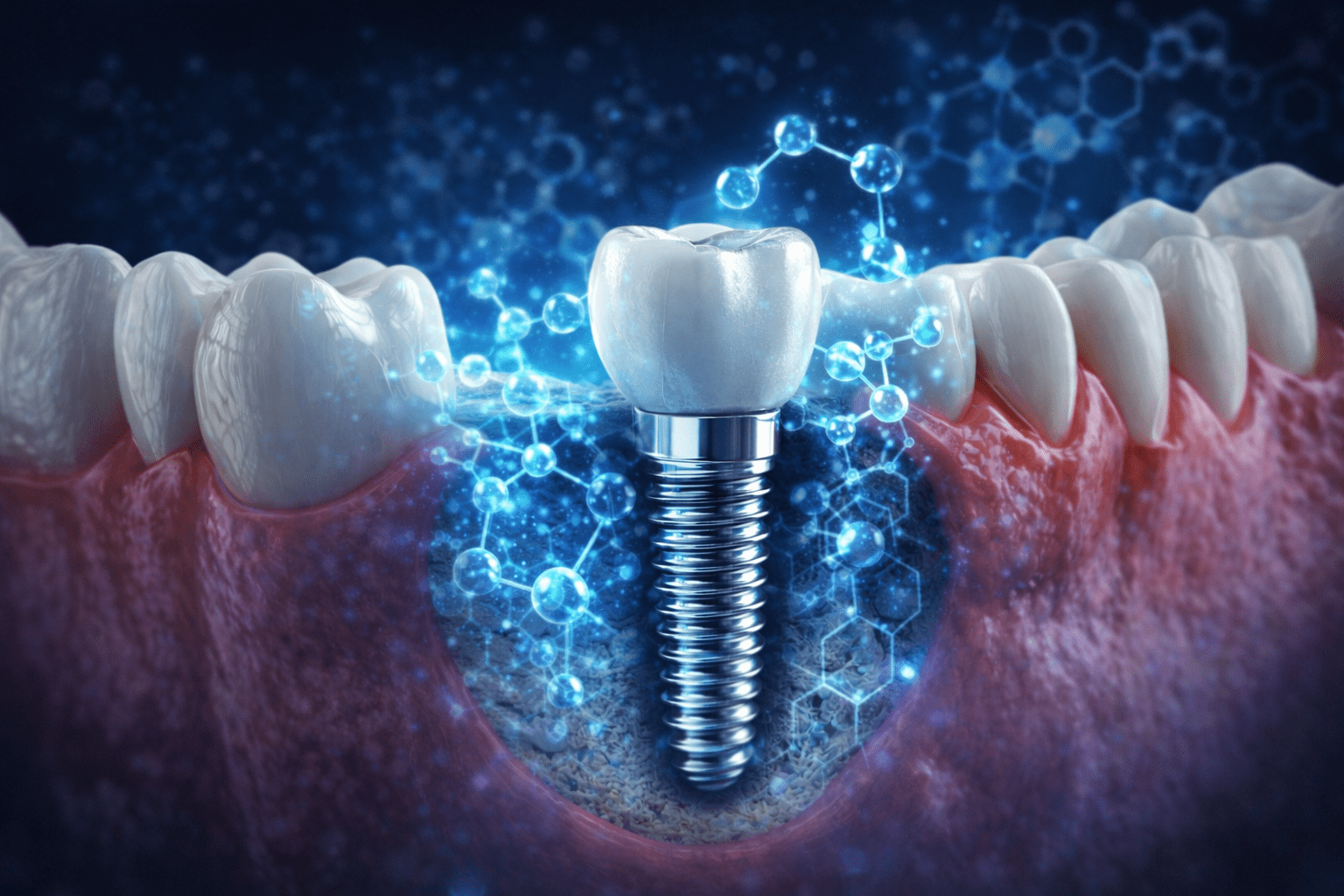
Research & Educational Notice: The information presented in this article is provided strictly for scientific discussion and educational purposes related to peptide research, regenerative biology, and molecular signaling. The material below discusses experimental findings from published scientific literature involving peptides and signaling molecules being studied in laboratory, preclinical, and select dental research settings. This content

Don’t lose your saved cart. Enter your email below so your research items are ready whenever you return.


Before entering this website, please read and agree
to the following statement:
You are not old enough to view this content.