
BioGlutide (NA-931): The First True Quadruple Agonist? What Emerging Research Suggests About the Next Era of Metabolic Science
How a Four-Pathway Approach to Metabolism Could Redefine Fat Loss, Muscle Preservation, and the Future of Multi-Agonist Research
Disclaimer:
The content published under this author’s byline is provided for informational and educational purposes only and reflects theoretical research discussions related to peptides, biochemistry, and related scientific topics.
Any credentials or academic titles referenced are academic in nature only and do not imply medical licensure, clinical authority, or the practice of medicine.
This content does not constitute medical advice, diagnosis, or treatment, and should not be interpreted as such. The author is not providing clinical guidance and is not acting as a healthcare provider.
All products discussed by BioGenix Peptides LLC are intended strictly for research, laboratory, and analytical use only and are not for human or animal consumption.
BioGenix Peptides LLC makes no claims regarding the safety, efficacy, or approved use of any compounds discussed.
Introduction: The Shift Beyond GLP-1 Has Already Begun
For years, metabolic research has been dominated by a single question:
How do we control appetite?
That question gave rise to GLP-1 receptor agonists like semaglutide. Then came dual agonists like tirzepatide. Then triple agonists like retatrutide.
But now, something different is emerging.
Not just better appetite suppression.
Not just more weight loss.
A broader, upstream attempt to reprogram metabolism itself.
That’s where BioGlutide (NA-931) enters the conversation.
I’m Jay D Daniel, Founder and CEO of BioGenix Peptides and a peptide research specialist who has spent years studying the intersection of metabolic health, body composition, and peptide science — including the rapidly evolving research on multi-agonist pathways and body composition signaling.
From that background, this guide breaks down what the emerging research around BioGlutide (NA-931) is actually suggesting — and more importantly, what may realistically unfold as this next generation of metabolic compounds develops.
What Is BioGlutide (NA-931)?

BioGlutide, also known as NA-931, is being described as a quadruple receptor agonist—a compound designed to simultaneously influence four major metabolic signaling pathways:
- GLP-1 receptor
- GIP receptor
- Glucagon receptor
- IGF-1 pathway
This is not just an incremental step.
It represents a systems-level approach to metabolism.
Instead of targeting a single lever like appetite, BioGlutide aims to coordinate multiple biological signals that govern:
- Energy intake
- Energy expenditure
- Glucose metabolism
- Tissue preservation
Why Multi-Agonists Are Taking Over Metabolic Research

To understand why NA-931 matters, you need to understand where the science is going.
Single-pathway interventions often produce:
- Strong appetite suppression
- Rapid weight loss
- But also unintended trade-offs like lean mass reduction
This is why the field evolved:
- GLP-1 → appetite control
- GLP-1 + GIP → improved glycemic balance
- GLP-1 + GIP + Glucagon → added thermogenic and metabolic effects
Now, the next question is:
Can we improve not just how much weight is lost… but what kind of weight is lost?
The IGF-1 Factor: Why This Changes Everything
This is where BioGlutide separates itself.
The addition of IGF-1 pathway activity introduces a completely different dimension:
- Tissue signaling
- Growth and repair pathways
- Lean mass preservation, at least theoretically
While traditional incretin-based approaches focus heavily on reducing intake, IGF-1-related signaling introduces the possibility of:
- Supporting protein synthesis signaling
- Influencing nutrient partitioning
- Reducing the degree of catabolic loss during weight reduction
In simple terms:
This may be one of the first approaches aimed at fat loss without the same degree of muscle compromise.
What Early Research Is Suggesting (And What It Isn’t)
Emerging data from early-stage studies and conference abstracts suggests:
- Dose-dependent weight reduction
- Potential for double-digit percentage body weight loss
- Reports indicating minimal or no measurable lean mass loss
- Mostly mild gastrointestinal effects
But this is where we need to stay grounded.
These findings are currently:
- Based largely on early-phase data
- Presented in conference abstracts or sponsor communications
- Not yet fully supported by long-term, peer-reviewed publications
Which means:
The signal is compelling—but not yet definitive.
The Bigger Shift: From Weight Loss to Body Composition Engineering

For the first time, the conversation is changing.
It’s no longer just:
- “Did weight go down?”
It’s becoming:
- “What happened to fat?”
- “What happened to muscle?”
- “What happened to metabolic function overall?”
BioGlutide fits directly into this shift.
If future data supports early signals, we may see a transition toward:
- Precision metabolic modulation
- Body composition-focused research models
- Combination pathway targeting instead of single-drug solutions
Oral Delivery: A Quiet but Massive Advantage
Another aspect that shouldn’t be overlooked:
BioGlutide is being developed as an oral compound.
This matters more than most people realize.
If potency and consistency hold, oral delivery could:
- Expand accessibility in research settings
- Improve compliance in long-term protocols
- Reduce dependency on more complex delivery methods
In many ways, this could be just as disruptive as the mechanism itself.
What Comes Next: The Real Inflection Point
The next phase will determine everything.
What the field is watching closely:
- Full peer-reviewed publications
- Detailed body composition data
- Long-term safety profiles
- Cardiometabolic markers
- Combination studies with existing incretin-based compounds
Particularly important:
The IGF-1 component introduces powerful biology—which also means:
It will be studied carefully under long-term safety frameworks.
Where BioGlutide Fits in the Bigger Picture
It’s important to frame this correctly.
BioGlutide is not just another GLP-1 alternative.
It represents a possible move toward:
- Multi-pathway metabolic engineering
- Upstream intervention instead of symptom control
- Integration of anabolic and metabolic signaling
If validated, it could mark the beginning of:
The post-GLP-1 era.
Final Thoughts: Early, But Worth Watching Closely
Right now, BioGlutide (NA-931) sits in a very specific category:
- Not proven
- Not fully published
- But scientifically aligned with where the field is heading
That combination is rare.
And it’s usually where the next breakthroughs come from.
Best selling products
-

Bacteriostatic Water (Reconstitution Solution) 10mL
$16.00 -
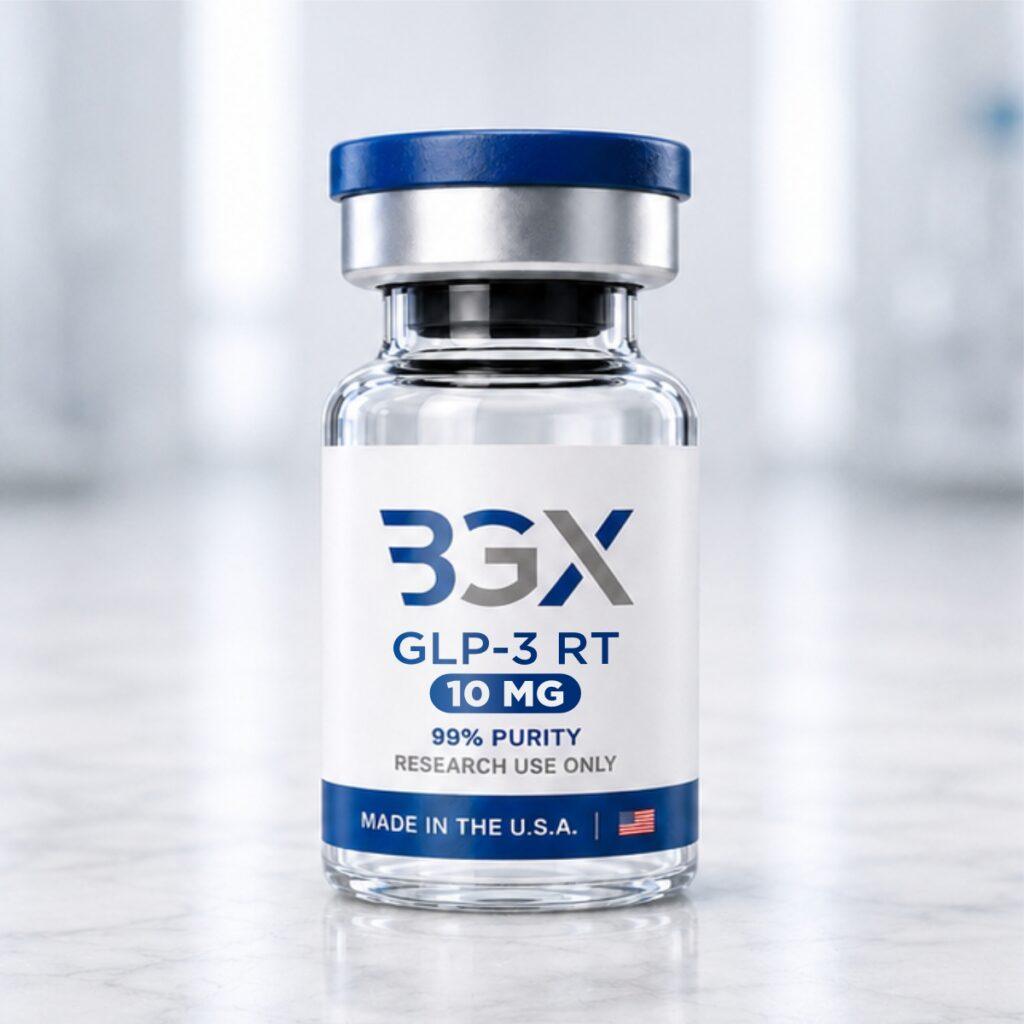
RT (GLP-3 RT) 10mg
$110.00 -
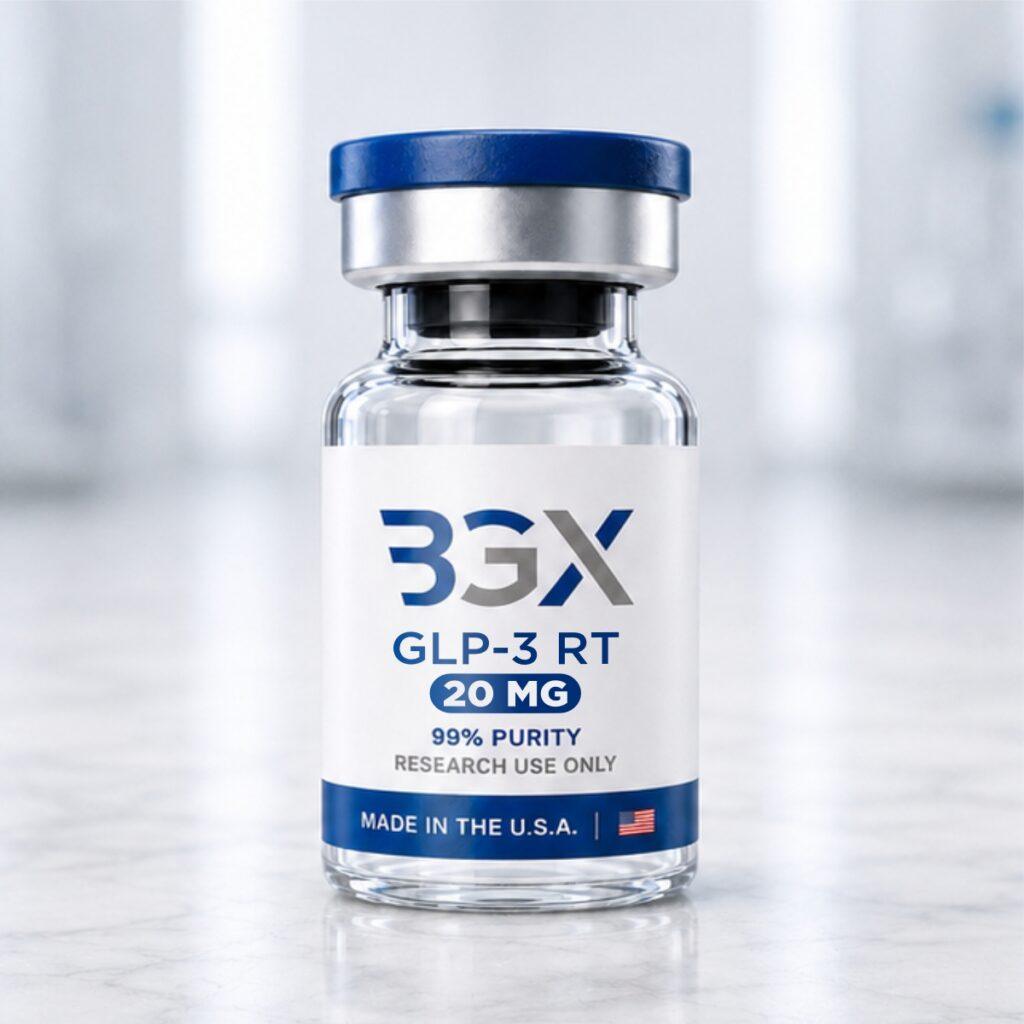
RT (GLP-3 RT) 20mg
$180.00 -

Bacteriostatic Water (Reconstitution Solution) 3mL
$9.00 -
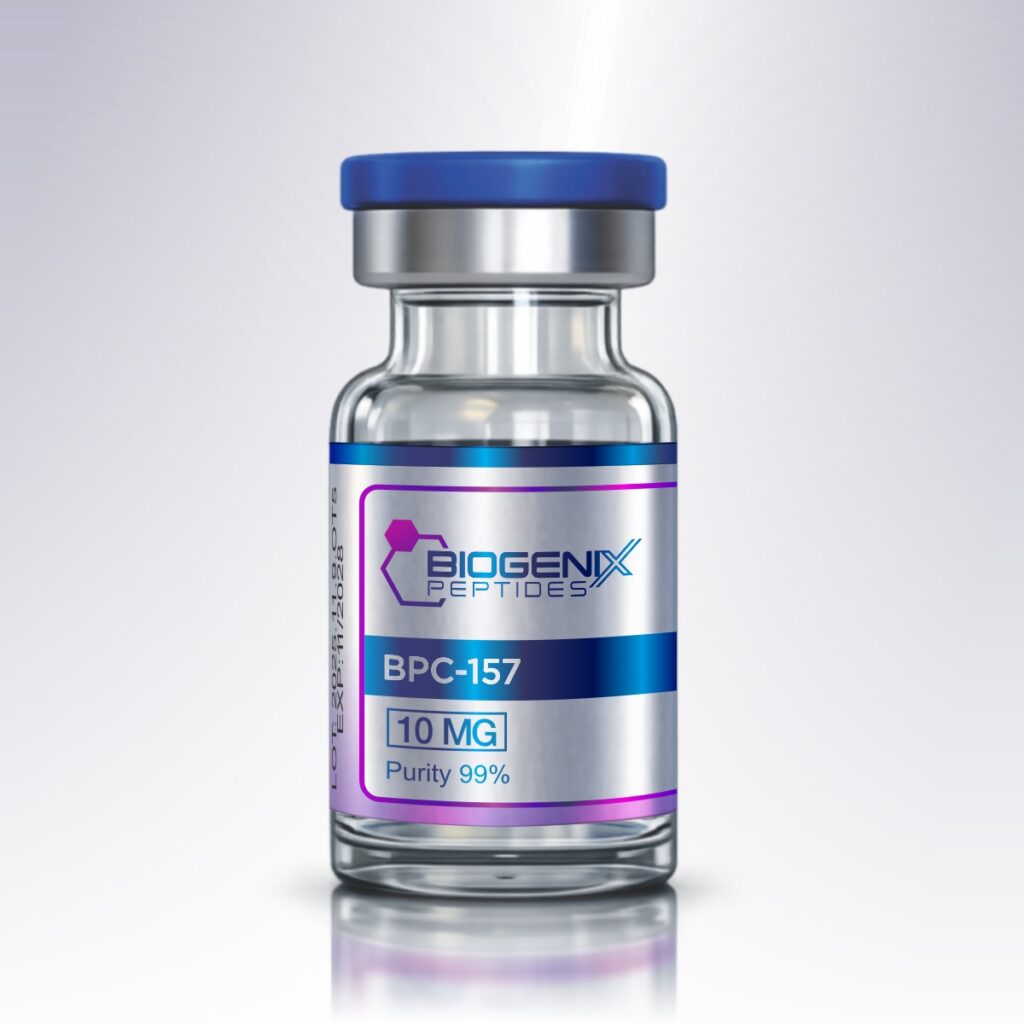
BPC-157 10mg
$72.00