A Researcher’s Guide to Buying High-Purity ARA-290
Disclaimer: The information provided in this article is for educational and informational purposes only. It is not intended as medical advice, diagnosis, or treatment. Products and compounds referenced are for research use only and are not approved for human or veterinary consumption. Always consult a qualified professional regarding health or medical decisions.
How to Buy ARA 290 Peptide for Research
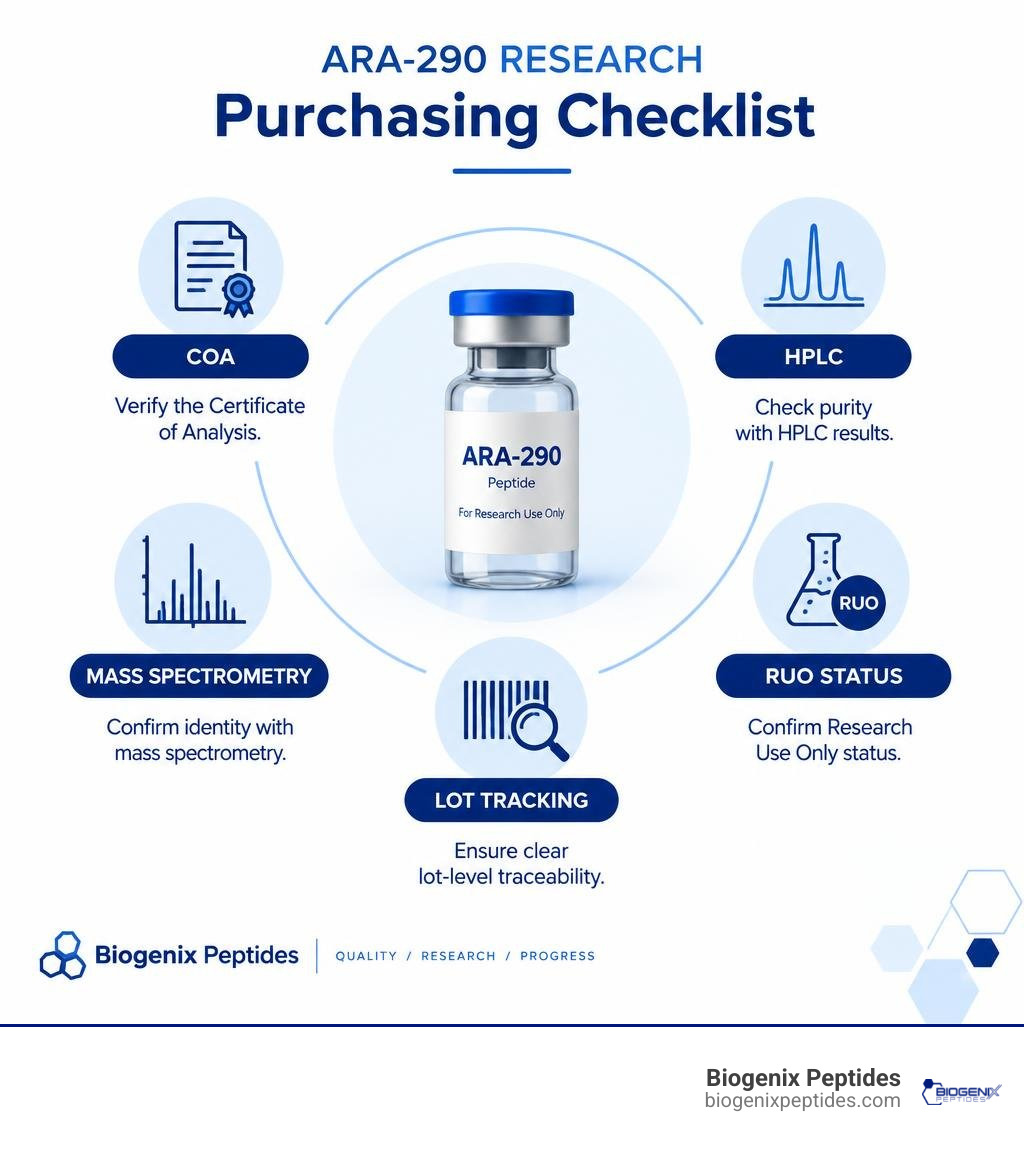
To buy ARA 290 peptide for legitimate laboratory research, look for a research-use-only supplier that provides a batch-specific Certificate of Analysis, HPLC purity results, mass spectrometry identity confirmation, clear storage information, and lot-level traceability. Avoid sellers that make treatment claims or cannot document what is in the vial.
ARA-290, also called cibinetide, is a short erythropoietin-derived peptide studied for its possible activity at the innate repair receptor. Research has explored its role in inflammatory signaling, nerve-related pain models, and tissue-protection pathways, but it remains an investigational compound rather than an approved treatment.
I am Jay Daniel, Founder and CEO of BioGenix Peptides, with hands-on experience in peptide sourcing, quality control, purity validation, and research-focused manufacturing standards. In this guide, I will explain what informed researchers should verify before they buy ARA 290 peptide, while keeping the discussion strictly educational and research-focused.
Key terms for buy ara 290 peptide:
What Is ARA-290 (Cibinetide) and How Does It Work?
ARA-290 is an 11-amino-acid synthetic peptide modeled from the tertiary structure of erythropoietin (EPO), specifically mimicking the B-helix domain of the native cytokine. Unlike full-length recombinant human erythropoietin (rhEPO), ARA-290 is an entirely non-erythropoietic peptide. It does not bind to the classical erythropoietin receptor homodimer (EPOR)₂ responsible for red blood cell proliferation, which means it completely circumvents the hematopoietic stimulation, blood thickening, and thrombosis risks commonly associated with standard EPO.
Instead, scientific inquiry shows that ARA-290 selectively targets and activates the Innate Repair Receptor (IRR), a heteromeric complex composed of one erythropoietin receptor subunit (EPOR) and the common beta receptor (CD131/βc) subunit. This specialized heteroreceptor is transiently expressed on cell surfaces during states of metabolic distress, mechanical injury, or sustained pro-inflammatory signaling.
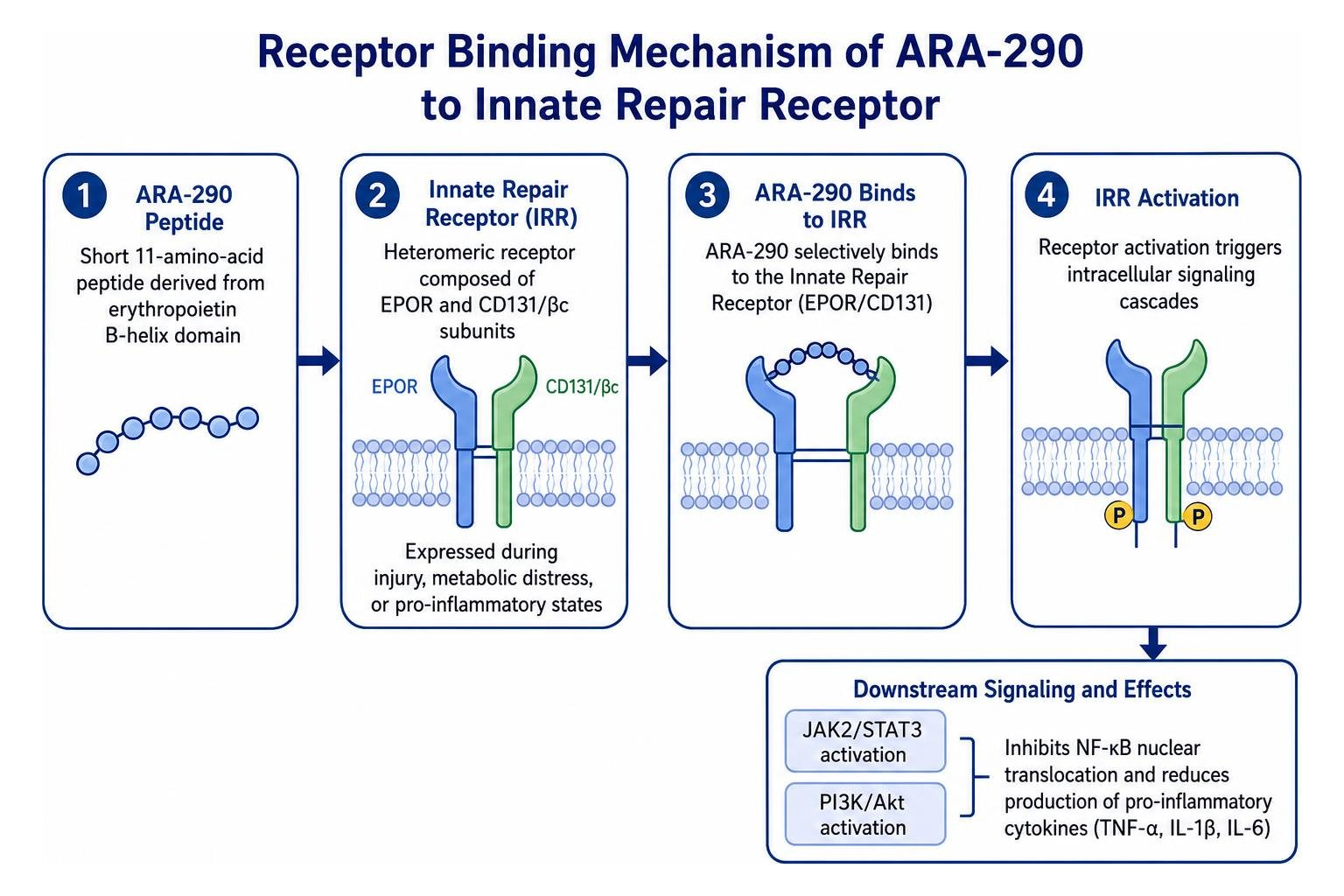
When ARA-290 engages the IRR, it triggers downstream intracellular cascades—such as JAK2/STAT3 and PI3K/Akt phosphorylation—that directly inhibit the nuclear translocation of NF-κB. This action shuts down the transcriptional machinery that generates pro-inflammatory cytokines like TNF-α, IL-1β, and IL-6. Scientists interested in the molecular pathways of this selective tissue-protective peptide have found that it operates by modulating upstream cellular pathways, addressing the root signals of inflammatory degradation rather than simply suppressing downstream symptoms.
Neuropathic Pain and Small Fiber Neuropathy Research
A prominent area of scientific investigation for cibinetide centers around neuropathic pain and small fiber neuropathy (SFN). Small unmyelinated C-fibers and thinly myelinated A-delta fibers are exceptionally sensitive to systemic inflammation and localized oxidative stress. In pathological states such as sarcoidosis-associated neuropathy and diabetic peripheral neuropathy, these fibers withdraw and degenerate, resulting in loss of intraepidermal nerve fiber density (IENFD) and severe spontaneous pain behaviors in laboratory models.
Clinical and preclinical trials have documented that IRR activation by ARA-290 dampens chronic neuroinflammation, allowing damaged peripheral axons to repair structurally. In animal models of nerve constriction and metabolic neuropathy, researchers observe significant increases in distal IENFD alongside reductions in mechanical allodynia and thermal hyperalgesia. Understanding these anti-inflammatory peptide mechanisms gives investigators critical insights into how innate cellular mechanisms can be leveraged to calm peripheral nerve hyperexcitability.
Tissue Repair and Cellular Protection Pathways
Beyond peripheral nerves, ARA-290 demonstrates profound cytoprotective capabilities across diverse organ systems, including renal, cardiovascular, and pancreatic tissue models. When ischemic or toxic stress threatens tissue viability, cells often succumb to programmed cell death (apoptosis) or necrosis.
ARA-290 limits apoptosis by preserving mitochondrial membrane potential, mitigating reactive oxygen species (ROS) overproduction, and halting the release of cytochrome c into the cytosol. Furthermore, activation of the IRR promotes macrophage polarization from the destructive M1 pro-inflammatory phenotype toward the resolving M2 reparative phenotype.
This cellular shift accelerates the clearance of debris, promotes localized microvascular stability, and stimulates extracellular matrix restoration. Investigating tissue repair and regeneration peptides reveals how non-hematopoietic EPO derivatives help maintain mitochondrial resilience under severe metabolic challenge.
Critical Quality Factors When You Buy ARA 290 Peptide
Laboratory protocols demand exceptional reproducibility, making analytical purity the most critical factor when acquiring research compounds. Because solid-phase peptide synthesis (SPPS) inherently produces truncated sequences, deletion fragments, and chemical adducts, strict quality metrics must be confirmed before introduction into an assay.
| Specification Parameter | High-Purity Research Standard | Substandard / Low-Grade Material | Impact on Research Findings |
|---|---|---|---|
| HPLC Purity | ≥ 98.0% | < 95.0% | Eliminates off-target receptor crosstalk and background noise |
| Identity Confirmation | MS matched theoretical mass (1257.4 Da) | Deviations in molecular weight | Guarantees exact 11-amino-acid peptide sequence |
| Net Peptide Content | Fully quantified (75%–85% target) | Unspecified / raw gross weight | Ensures precise molar concentration calculations |
| Residual Counterions | Lyophilized with low/tracked TFA | High residual TFA or organic solvents | Prevents unexpected in vitro cytotoxicity and cell death |
| Appearance | Uniform, sterile, white lyophilized cake | Clumped, off-color, or gummy powder | Indicates proper vacuum lyophilization and low moisture |
When you source research materials, such as when you select ARA-290 10mg from our catalog, verifying these precise analytical benchmarks is essential to prevent experimental error.
Essential Testing Standards Before You Buy ARA 290 Peptide
Analytical documentation must accompany any research-grade compound. The primary tool is a batch-specific Certificate of Analysis (CoA), which must reflect current testing performed by an independent, accredited laboratory.
- High-Performance Liquid Chromatography (HPLC): This assay separates the target peptide from synthesis byproducts, providing a clear chromatogram showing a single dominant retention peak with a purity score of at least 98%.
- Mass Spectrometry (MS): Electrospray ionization mass spectrometry (ESI-MS) or MALDI-TOF must verify that the monoisotopic or average molecular mass precisely matches the expected 1257.4 Da of cibinetide.
- Net Peptide Content vs. Gross Weight: Lyophilized peptides naturally contain counterions and residual water. A CoA should differentiate total gross mass from net active peptide content so investigators can establish exact target concentrations.
- Counterion Removal (TFA vs. Acetate): Peptides synthesized with trifluoroacetic acid (TFA) can retain residual salts that exert cytotoxic effects on sensitive primary cell cultures. Low TFA or acetate-converted salts are preferred for sensitive cellular assays.
Sourcing and Vendor Reliability Checklist to Buy ARA 290 Peptide
Vendor accountability ensures that biological research remains uncompromised by contaminated or substandard materials. Before procurement, evaluate your supplier against the following scientific checklist:
- Independent Batch Testing: The vendor supplies verifiable, lot-specific HPLC and MS reports from accredited third-party laboratories.
- Traceability and Cold-Chain Handling: The supplier maintains strict batch numbering, stable temperature-controlled inventory management, and rapid dispatch.
- Proper Lyophilization: Vials contain a uniform, moisture-free lyophilized cake under inert gas (such as nitrogen or argon) rather than degraded residue.
- Clear Research Labeling: All products are transparently designated as Research Use Only (RUO), devoid of marketing claims or medical advice.
For an extensive review of quality parameters across all peptide classes, explore the complete guide to peptides in scientific research.
Scientific Evidence, Efficacy, and Safety Profile
The pharmacology of ARA-290 has been evaluated across preclinical rodent models and multiple early-phase clinical trials involving human subjects with sarcoidosis, type 2 diabetes, and neuropathic pain syndromes. In Phase II exploratory studies, cibinetide exhibited rapid systemic clearance with an elimination half-life of approximately 20 minutes, yet triggered biological tissue-protective effects that persisted for days or weeks. This phenomenon reflects the peptide’s role as a biological “trigger” that activates downstream endogenous repair pathways rather than requiring persistent receptor occupancy.
Across clinical trial datasets, ARA-290 demonstrated an excellent safety and tolerability profile. Because it lacks affinity for the homodimeric (EPOR)₂ receptor, trials reported no significant shifts in hemoglobin concentrations, red blood cell mass, or blood pressure. The most common mild adverse observations in human trials included transient headaches, mild gastrointestinal upset, or localized discomfort at the experimental site. No pro-thrombotic states, antibody neutralization events, or serious peptide-related adverse events were identified during the designated investigational trial periods.
Preclinical data also highlight broad safety margins across animal models, with no evidence of systemic toxicity even at concentrations substantially higher than those required to activate the Innate Repair Receptor. However, because it remains an unapproved investigational chemical, it must be handled exclusively within compliant research environments.
ARA-290 Compared With Standard Recombinant EPO
The primary therapeutic limitation of standard recombinant human EPO in non-hematopoietic conditions is its potent stimulation of erythropoiesis, which leads to elevated hematocrit, hypertension, and potential thromboembolic complications.
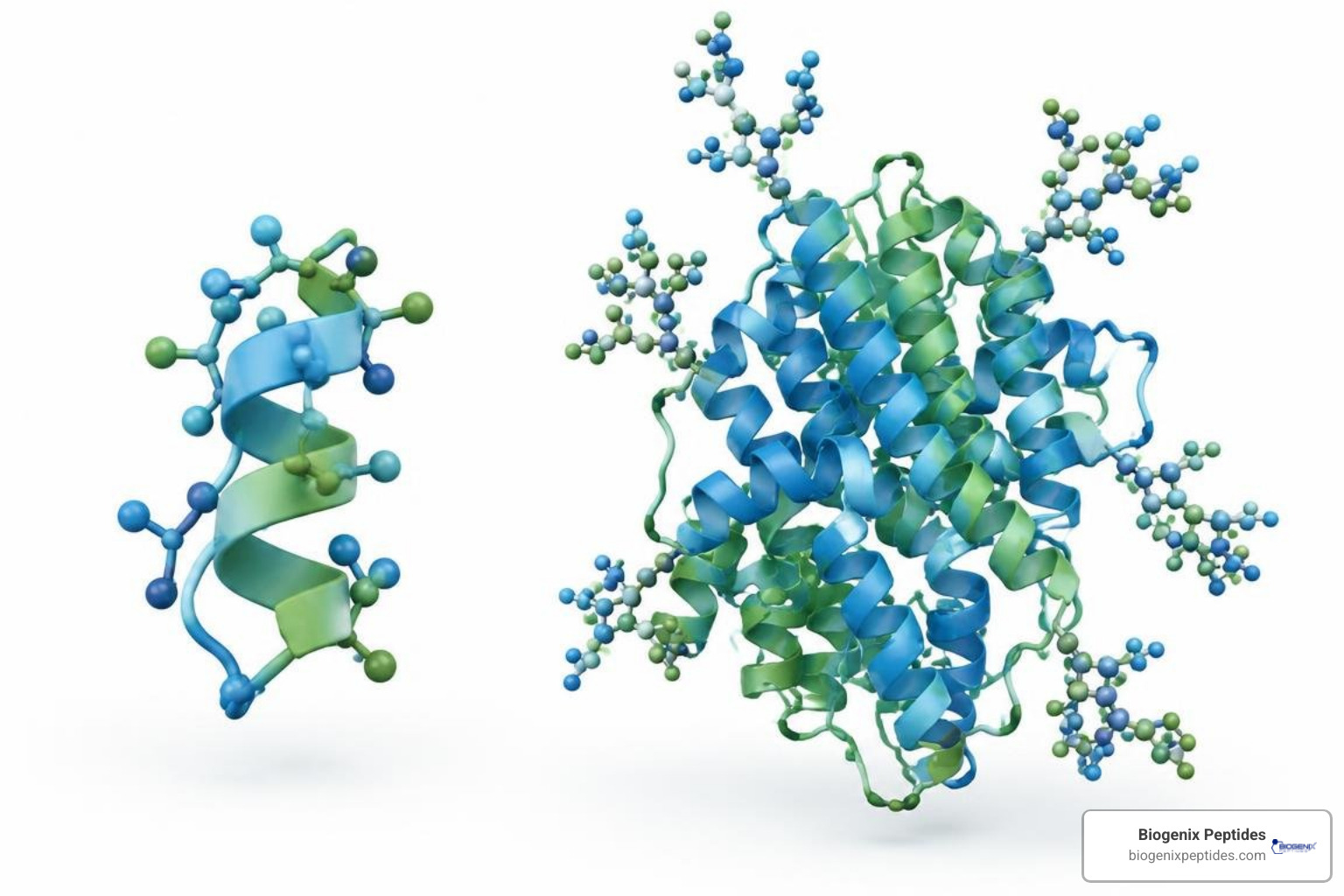
ARA-290 addresses this constraint through precise structural design. By isolating only the B-helix domain of EPO, cibinetide binds exclusively to the EPOR/CD131 heteroreceptor. It possesses zero measurable affinity for the classical (EPOR)₂ homodimer. Consequently, ARA-290 achieves targeted tissue protection, reduced inflammation, and stimulated nerve fiber density without altering red blood cell counts, making it a substantially safer molecular probe for investigating anti-inflammatory and regenerative biology.
Further information regarding the current safety profile and status of ARA-290 is widely referenced in contemporary biomedical literature.
Laboratory Handling, Reconstitution, and Storage Protocols
Maintaining the structural integrity of ARA-290 requires disciplined laboratory procedures. Peptides are susceptible to chemical degradation, including deamidation, oxidation, and aggregation, if subjected to improper temperature, moisture, or pH conditions.
To prepare the lyophilized powder for in vitro or ex vivo assays:
- Allow the sealed vial to equilibrate to room temperature for 20 to 30 minutes before opening to prevent atmospheric moisture condensation inside the container.
- Clean the septum with a sterile alcohol swab and allow it to dry completely.
- Using a sterile needle and syringe, introduce a research-grade solvent—typically sterile bacteriostatic water (0.9% benzyl alcohol) or sterile saline for experimental assays—slowly along the interior glass wall.
- Gently swirl the vial in circular motions until the lyophilized cake is fully dissolved. Never shake or vortex the vial vigorously, as high mechanical shear forces can disrupt the tertiary structure and induce peptide aggregation.
For precise calculations when establishing experimental concentrations, standard laboratory volumetric equations should be utilized.
Once dissolved, the solution should be stored at 2°C to 8°C and protected from light. Because reconstituted peptides have a finite shelf life in aqueous form, aliquoting the solution into single-use polypropylene tubes before freezing at -20°C or -80°C helps prevent repeated freeze-thaw cycles. Detailed timelines are covered in our overview of peptide stability and storage duration.
Frequently Asked Questions About ARA-290 Research
What is the legal and regulatory status of ARA-290?
In the United States, ARA-290 is classified as an investigational compound sold strictly for Research Use Only (RUO). It is not approved by the U.S. Food and Drug Administration (FDA) for human diagnostic, therapeutic, or clinical applications. Laboratories, academic institutions, and qualified researchers may legally acquire it for in vitro, ex vivo, and laboratory-based animal research. Vendors are strictly required to sell ARA-290 without clinical administration instructions or therapeutic claims.
How does ARA-290 differ from standard recombinant EPO?
While both compounds share structural origins, standard recombinant EPO acts primarily on the (EPOR)₂ homodimeric receptor to stimulate red blood cell production, carrying risks of increased blood viscosity. ARA-290 is an 11-amino-acid peptide that binds exclusively to the Innate Repair Receptor (EPOR/CD131). It triggers cytoprotective and anti-inflammatory signaling pathways without causing erythropoiesis or altering blood hematocrit.
What are the optimal storage conditions for unconstituted ARA-290?
Unopened, lyophilized ARA-290 powder should be kept in a desiccated container at -20°C for long-term stability (up to 24 months) or at 2°C to 8°C for short-term preservation (up to 3 months). It must be shielded from direct light, heat, and ambient moisture to prevent premature degradation of the peptide sequence.
Conclusion
ARA-290 (cibinetide) remains one of the most compelling research tools for investigating innate cellular repair, peripheral nerve biology, and the resolution of localized inflammatory pathways. By selectively targeting the Innate Repair Receptor without stimulating erythropoiesis, it provides researchers with an effective model for cytoprotection free from the hematological variables of standard EPO.
Securing reproducible experimental results depends entirely on chemical purity, third-party analytical validation, and meticulous handling protocols. At Biogenix Peptides, we remain committed to supplying rigorously tested, high-purity compounds to advance scientific understanding of research peptides like ARA-290.