
The Ultimate Guide to Peptide Therapy Muscle Growth and Recovery
Disclaimer: The information provided in this article is for educational and informational purposes only. It is not intended as medical advice, diagnosis, or treatment. Products and compounds referenced are for research use only and are not approved for human or veterinary consumption. Always consult a qualified professional regarding health or medical decisions.
Top Muscle Building Peptides: A Research-First Overview
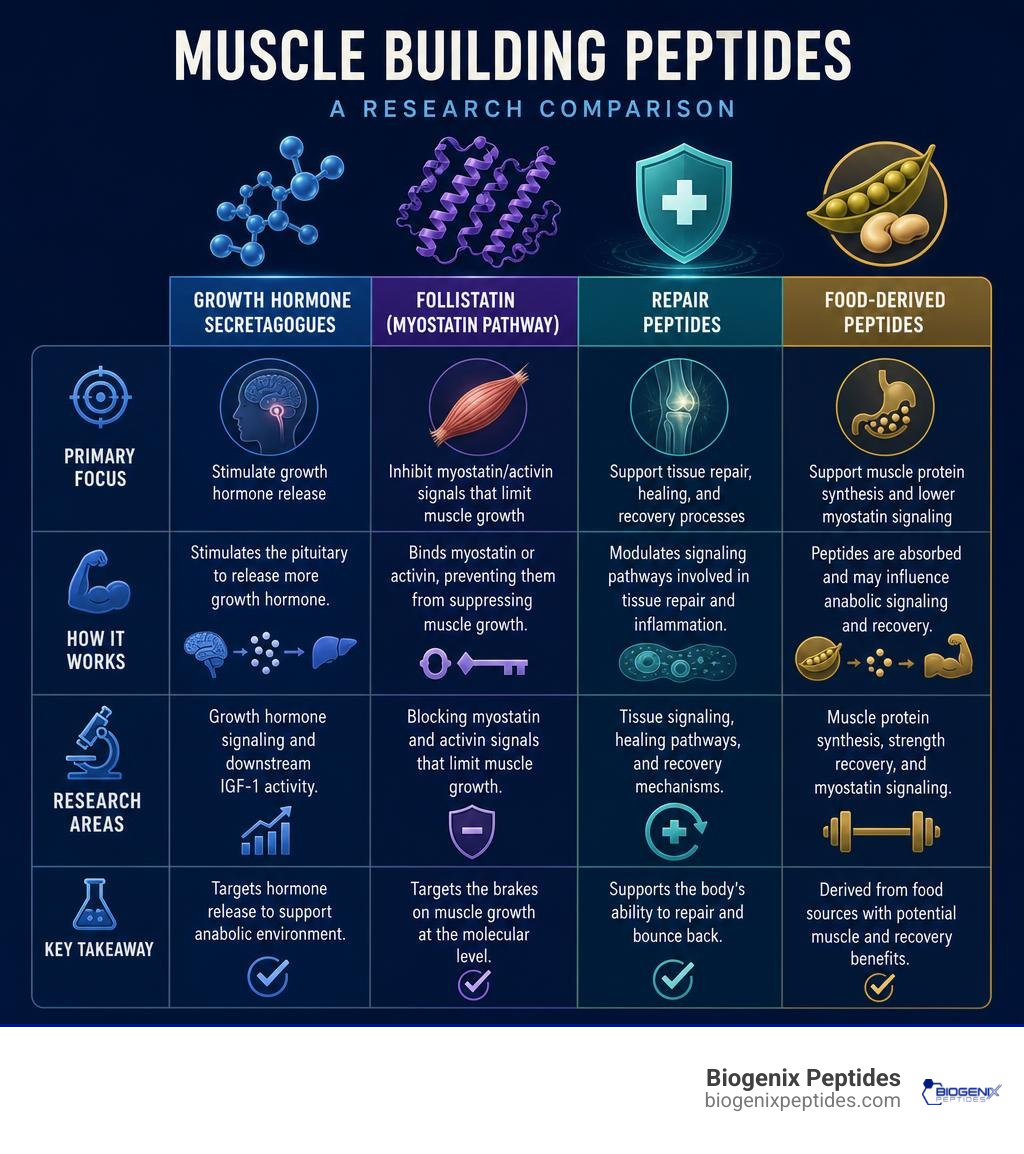
Top muscle building peptides in current research generally fall into three groups: growth hormone secretagogues, myostatin-pathway compounds, and tissue-repair peptides. None are FDA-approved for muscle hypertrophy, and the strength of evidence varies widely.
| Research category | Commonly discussed compounds | What researchers are studying |
|---|---|---|
| Growth hormone secretagogues | CJC-1295, Ipamorelin, GHRP-2, GHRP-6, Hexarelin | Growth hormone signaling and downstream IGF-1 activity |
| Myostatin-pathway research | Follistatin variants | Blocking myostatin and activin signals that limit muscle growth |
| Recovery and repair research | BPC-157, TB-500 | Tissue signaling, healing pathways, and recovery mechanisms |
| Food-derived peptide research | Vicia faba and pea protein hydrolysates | Muscle protein synthesis, strength recovery, and myostatin signaling |
Peptides are short chains of amino acids that can signal through specific receptors. They are not anabolic steroids, which are synthetic hormone-like compounds that act more broadly on the endocrine system. That difference does not make research peptides risk-free: growth hormone secretagogues are prohibited in sport by WADA, and unregulated products may be mislabeled, contaminated, or contain no active peptide at all.
The most promising findings should be read carefully. For example, follistatin gene-therapy studies in muscle-disease populations cannot establish that commercially available follistatin materials produce the same outcome. Likewise, food-derived peptide research has reported improved recovery markers and lower myostatin in controlled settings, but it does not prove broad muscle-building effects in every population.
I am Jay Daniel, Founder and CEO of BioGenix Peptides, with experience in peptide sourcing, purity validation, quality-control processes, and research education around top muscle building peptides. In the sections ahead, I will separate early-stage theory from evidence that deserves closer attention.
Understanding Peptides vs Anabolic Steroids in Preclinical Research
When evaluating scientific literature on muscle growth, distinguishing between short-chain amino acid sequences and synthetic steroidal compounds is essential. Anabolic steroids are synthetic derivatives of testosterone designed to enter cells, bind directly to androgen receptors, and broadly alter genetic transcription across multiple tissue types. While this creates pronounced systemic changes, it also frequently leads to severe disruption of the hypothalamic-pituitary-gonadal axis, hepatic strain, and undesirable cardiovascular shifts.
In contrast, peptides are short chains of amino acids linked together by peptide bonds. In laboratory models, these signaling molecules bind to specific surface receptors on target cells to trigger targeted downstream responses. Rather than forcing direct androgen receptor transcription, peptides function as precision keys that initiate defined cellular cascades.
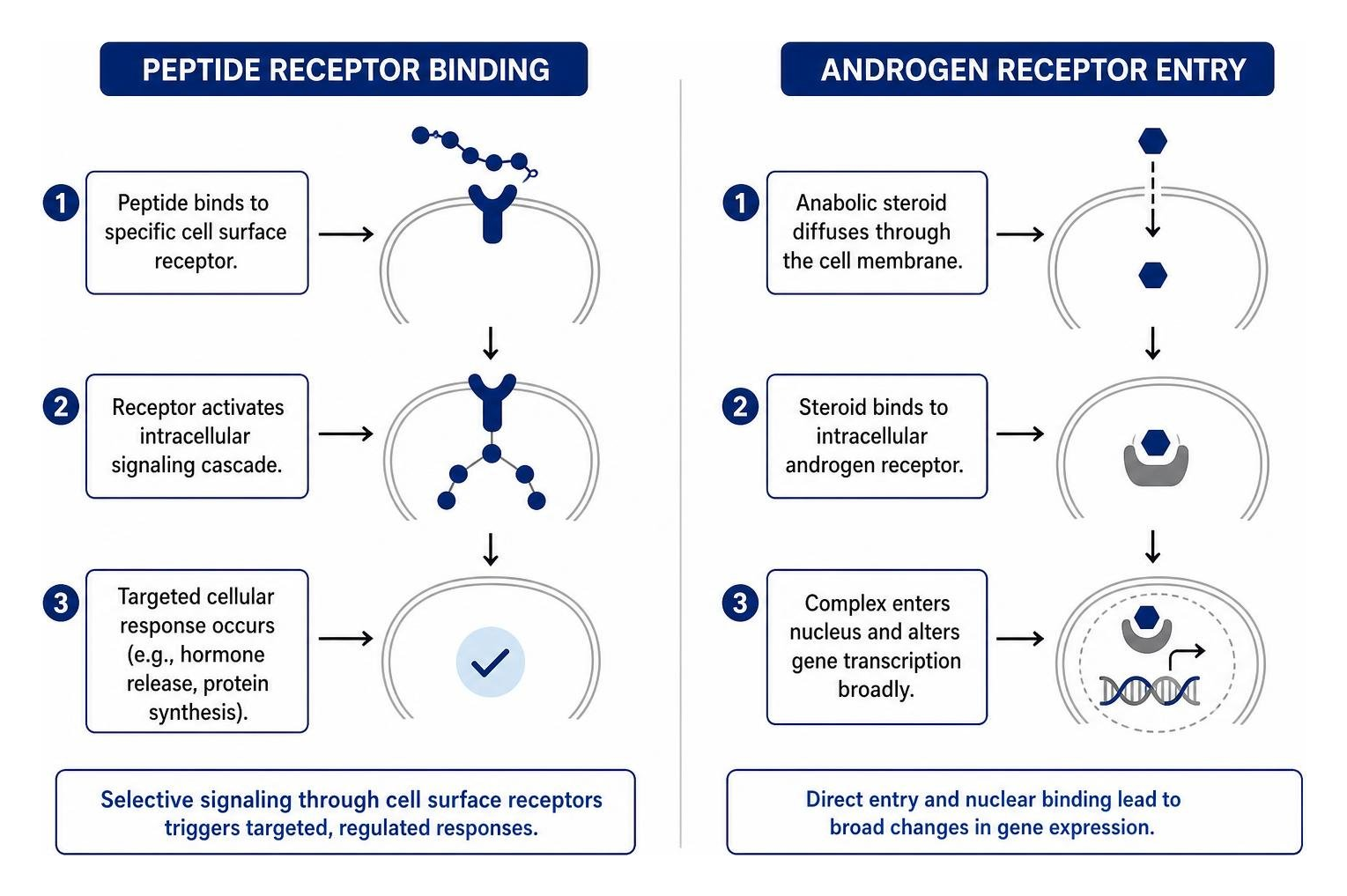
From a research standpoint, this selectivity offers a distinct operational mechanism. For example, growth hormone secretagogues target ghrelin or growth hormone-releasing hormone (GHRH) receptors on pituitary somatotropes, encouraging the release of endogenous growth hormone while maintaining homeostatic regulatory loops.
Despite these mechanistic differences, regulatory bodies such as the World Anti-Doping Agency (WADA) maintain strict prohibitions on both classes of compounds in competitive athletics. Growth Hormone Secretagogues (GHS) and anabolic agents are explicitly included on WADA’s prohibited list due to their performance-enhancing potential. Understanding these cellular mechanisms helps contextualize academic findings presented in The Peptide Prescription Do These Compounds Actually Build Muscle.
Scientific Breakdown of Top Muscle Building Peptides
In scientific literature examining high-performance cellular adaptation, researchers evaluate top muscle building peptides through distinct functional classifications. Skeletal muscle growth relies heavily on balancing muscle protein synthesis (MPS) and muscle protein breakdown (MPB). Hypertrophy mechanics are largely dictated by the mammalian target of rapamycin complex 1 (mTORC1) signaling pathway, which integrates nutrients, cellular energy status, and mechanical strain to govern tissue accretion.
For a comprehensive overview of how these compounds are categorized in preclinical models, consult Bulk Up Smart Best Peptides for Muscle Growth and Recovery and general reviews like Peptides for Bodybuilding: Efficacy, Safety, Types, and More.
Growth Hormone Secretagogues as Top Muscle Building Peptides
Growth hormone secretagogues represent a widely studied class of peptides that stimulate the anterior pituitary gland to produce and secrete growth hormone (GH), subsequently increasing insulin-like growth factor 1 (IGF-1) concentrations in liver and peripheral tissues.
- Growth Hormone-Releasing Hormone (GHRH) Analogues: Compounds like CJC-1295 simulate endogenous GHRH, binding to pituitary GHRH receptors. Preclinical models evaluate both CJC-1295 with Drug Affinity Complex (DAC), which extends circulating half-life through albumin binding, and CJC-1295 without DAC (often referred to as Modified GRF 1-29), which mimics natural pulsatile GH release patterns. Further insights into these protocols are explored in HGH Secretagogues the Most Misunderstood Pathway to Growth Hormone Optimization and The Ultimate Guide to CJC-1295 Without DAC.
- Ghrelin Receptor Agonists & GHRPs: Peptides such as Ipamorelin, GHRP-2, GHRP-6, and Hexarelin interact with the growth hormone secretagogue receptor (GHSR-1a). While first-generation GHRPs like GHRP-6 can trigger elevated appetite and non-selective cortisol or prolactin release, selective agonists like Ipamorelin demonstrate clean GH pulses without disrupting baseline hormonal balances.
In laboratory trials, pairing a GHRH analogue with a ghrelin receptor agonist exhibits synergistic signaling, inducing far greater pituitary GH release than either compound tested independently. However, researchers continuously monitor potential side effects in laboratory subjects, such as altered insulin sensitivity and extracellular fluid retention.
Myostatin Inhibitors and Follistatin Research
Myostatin, also designated as Growth Differentiation Factor 8 (GDF-8), operates as a primary endogenous negative regulator of skeletal muscle mass. It binds to activin type IIB receptors (ActRIIB), activating Smad2/3 transcription factors to suppress muscle protein synthesis and promote tissue degradation.
Follistatin is an endogenous cysteine-rich glycoprotein that serves as a molecular sponge, binding and neutralizing myostatin and activin A with high affinity (Kd ~45 pM). By preventing myostatin from engaging ActRIIB receptors, follistatin theoretically removes the biological ceiling on muscle accretion.
As detailed in Follistatin: 38 Studies Reviewed (2026) | PepCodex, primary clinical research involving follistatin relies on adeno-associated virus (AAV1-FS344) gene therapy rather than short-lived peptide isolates. In clinical trials for Becker Muscular Dystrophy (BMD), AAV1-FS344 gene therapy improved the 6-minute walk distance test by 58 to 125 meters.
However, native follistatin peptide sequences demonstrate an initial half-life of roughly 4 minutes and a terminal half-life of 130 minutes in laboratory settings. Furthermore, cellular studies indicate that follistatin-mediated muscle hypertrophy requires functional IGF-1 receptor (IGF-1R) signaling; blocking the IGF-1R pathway attenuates follistatin’s hypertrophic effects by up to 63%. These cellular dynamics are further addressed in Muscle Growth Performance Peptides.
Healing and Tissue Repair Peptides in Recovery
Skeletal muscle hypertrophy depends on cellular recovery and the structural integrity of connective tissue, including tendons, ligaments, and extracellular matrices. Microtrauma induced by resistance training requires active tissue remodelling to avoid cumulative injury.
- BPC-157 (Body Protection Compound 157): A pentadecapeptide derived from gastric juice proteins, BPC-157 accelerates soft tissue repair in animal models by upregulating vascular endothelial growth factor (VEGF) expression, promoting angiogenesis, and enhancing focal adhesion kinase (FAK) signaling to support fibroblast migration.
- TB-500 (Thymosin Beta-4 Fragment): Thymosin Beta-4 regulates actin polymerization, a key process for cellular motility and structural repair. The active fragment TB-500 facilitates endothelial cell differentiation, decreases tissue inflammation, and accelerates muscle fiber regeneration following severe microtrauma.
Research settings focusing on connective tissue repair often evaluate these compounds together. Learn more about their tissue mechanics in Why Bodybuilders Are Obsessed With BPC-157 and Tissue Repair Regeneration Peptides.
Natural and Bioactive Alternatives to Synthetic Peptides
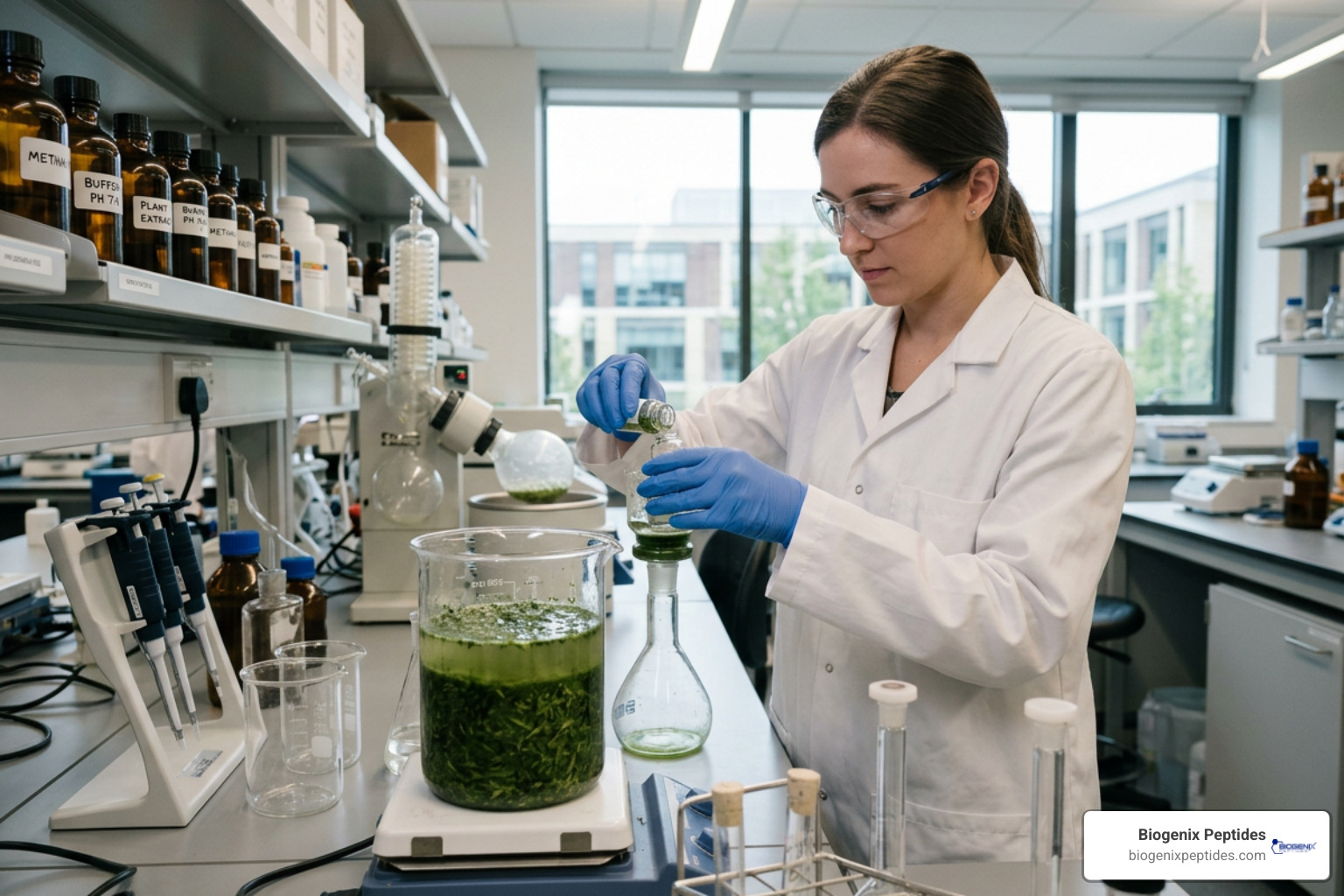
Given the regulatory restrictions and unknown long-term health implications associated with synthetic compounds, researchers have increasingly directed attention toward food-derived bioactive peptides. These plant- and food-based hydrolysates provide distinct signaling mechanisms without introducing unregulated synthetic molecules into cellular systems.
A premier candidate in this research sphere is PeptiStrong (a standardized Vicia faba / fava bean peptide hydrolysate). In preclinical assays, Vicia faba hydrolysates demonstrated a 5.82-fold increase in the phosphorylation of ribosomal protein S6—a key marker of downstream mTORC1 activation—in young muscle cells, and a 3.39-fold increase in aged cellular models.
Combining Vicia faba peptides with standard anabolic nutrients yields remarkable synergy: pairing it with leucine elevated S6 phosphorylation by up to 2.89-fold in aged cells, while pairing it with beta-hydroxy beta-methylbutyrate (HMB) boosted S6 phosphorylation by up to 4.40-fold. In controlled human exercise recovery trials, Vicia faba peptide hydrolysates improved force output recovery by 54% over 72 hours post-exercise relative to placebo, while significantly suppressing circulating plasma myostatin levels (p = 0.006).
Similarly, pea-derived peptide hydrolysates have yielded promising outcomes in animal studies. In an 8-week resistance training trial involving rodent models, pea peptide supplementation significantly increased total body mass, upper limb grip strength, muscle wall thickness, and muscle fiber cross-sectional area compared to exercise-only control groups.
Natural and Bioactive Alternatives to Top Muscle Building Peptides
Beyond bioactive dietary hydrolysates, non-pharmacological, body-based recovery methods remain essential foundational elements for optimizing tissue adaptation and muscle protein synthesis.
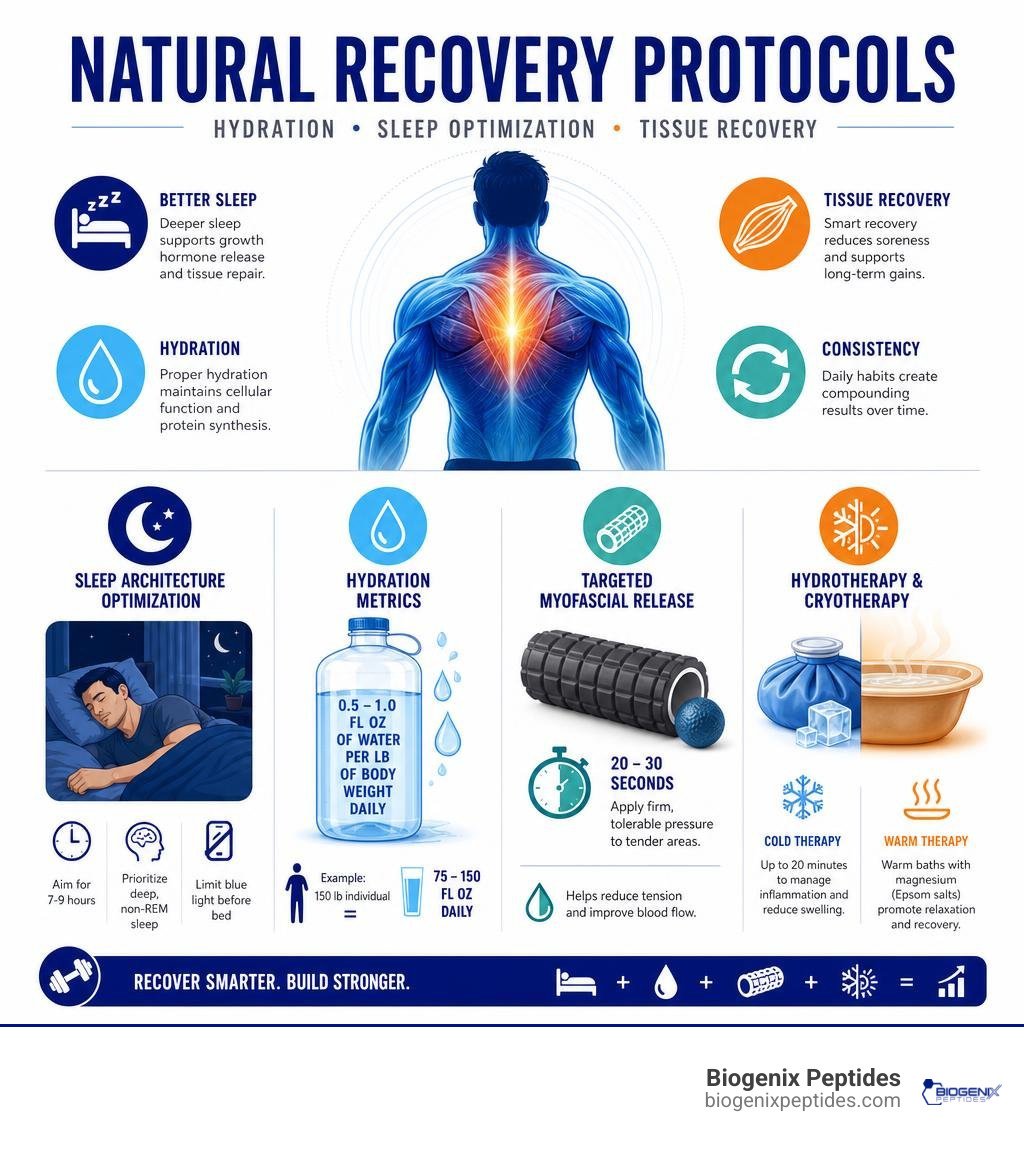
- Sleep Architecture Optimization: Deep, non-REM sleep is the primary physiological state for endogenous growth hormone pulse generation and cellular tissue repair. Research shows that exposure to artificial blue light from digital displays immediately prior to sleep maintains elevated brain wave activity for up to 60 minutes, severely disrupting slow-wave sleep cycles.
- Targeted Myofascial Release: Self-myofascial release using high-density foam rollers or lacrosse balls alleviates localized trigger points. Holding firm, tolerable mechanical pressure on tender spots for 20 to 30 seconds reduces tissue tension and enhances localized blood perfusion without creating unnecessary tissue trauma.
- Hydrotherapy and Cryotherapy: Applying cold therapy or ice packs to acutely inflamed areas for sessions limited to 20 minutes attenuates excessive post-workout edema without completely shutting down necessary inflammatory repair cascades. Warm hydrotherapy baths fortified with magnesium sulfate (Epsom salts) promote systemic muscular relaxation and neuromuscular easing.
- Hydration Metrics: Dehydration impairs intracellular osmotic pressure and decreases rate-limiting protein synthesis. Research benchmarks support a baseline intake of 0.5 to 1.0 fluid ounces of water per pound of total body mass daily (e.g., 75 to 150 fluid ounces daily for a 150 lb individual) to maintain hydration cellular status.
Regulatory Status, Quality Control, and Unregulated Market Risks
The landscape surrounding top muscle building peptides is severely complicated by regulatory strictures and grey-market supply lines. Neither growth hormone secretagogues nor experimental myostatin inhibitors possess FDA approval for human muscle hypertrophy or athletic performance enhancement. Their legal distribution is strictly restricted to scientific research context involving non-human subjects.
When research institutions source unregulated peptide compounds from grey-market distributors, analytical safety risks become critical factors:
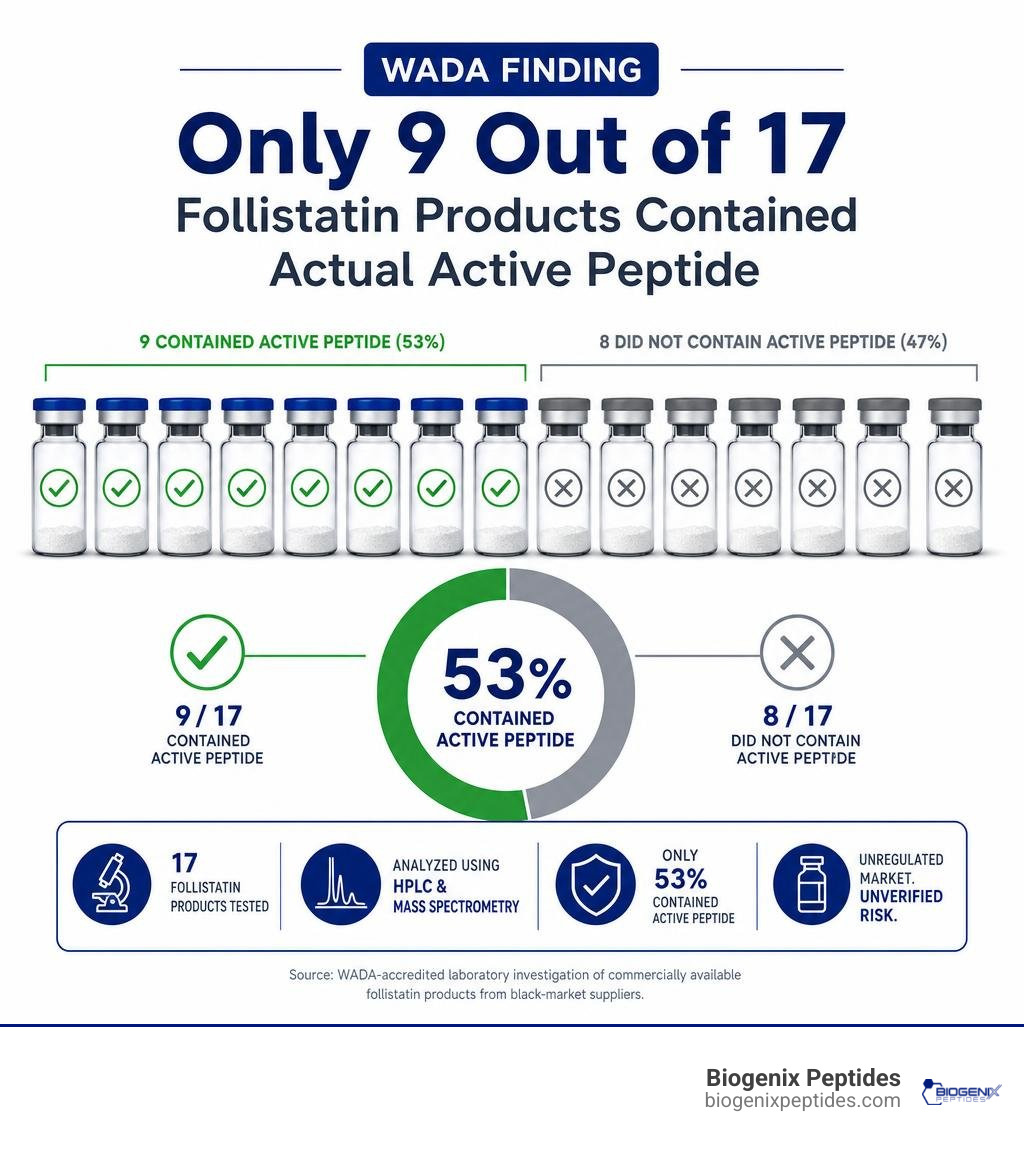
An investigation conducted by WADA-accredited laboratories examined 17 commercially available follistatin products purchased from black-market suppliers. High-Performance Liquid Chromatography (HPLC) and mass spectrometry analysis revealed that only 9 of the 17 products (53%) actually contained the active follistatin peptide sequence. The remaining 47% were either completely inert, severely degraded, or contained unverified chemical filler compounds.
Unregulated market risks include:
- Heavy Metal Contamination: Residual reagents, lead, or arsenic left behind due to poor solid-phase peptide synthesis (SPPS) purification steps.
- Bacterial Endotoxins: Exposure to lipopolysaccharides (LPS) stemming from non-sterile lyophilization or compromised water filtration.
- Sequence Truncation: Incomplete amino acid chains that fail to fold correctly, potentially triggering off-target immunogenic reactions in research models.
- Mislabeling and Quantity Variance: Wide structural variance between product labels and actual analytical content, leading to unreliable experimental data.
Legitimate preclinical research relies strictly on analytical verification—such as HPLC chromatograms and Mass Spectrometry (MS) certificates of analysis—to verify purity standards exceeding 98%.
Frequently Asked Questions About Muscle Building Peptides
Are research peptides FDA-approved for human muscle hypertrophy?
No. Currently, no synthetic peptide compound (including CJC-1295, Ipamorelin, BPC-157, or follistatin variants) holds FDA approval for human muscle growth, hypertrophy, or athletic optimization. These agents remain investigational research chemicals strictly intended for in vitro and preclinical laboratory experiments. Any off-label administration in humans occurs outside approved medical guidelines and lacks verified clinical safety data.
How do natural food-derived peptides compare to synthetic compounds?
Natural food-derived peptides (such as Vicia faba or pea protein hydrolysates) operate as bioactive dietary fractions. They modulate internal signaling pathways—such as activating mTORC1 and reducing circulating plasma myostatin—via natural biological absorption pathways. Synthetic research peptides are unapproved laboratory compounds designed for direct receptor interaction in preclinical trials. While synthetic agents exert potent acute receptor stimulation, they carry significant regulatory, quality-control, and purity risks compared to food-derived bioactive nutrients.
What are the main risks of purchasing unregulated peptides online?
The primary risks center on product contamination, mislabeling, and variable purity. Scientific reviews demonstrate that nearly half of black-market peptide products lack the active ingredients claimed on their labels. Furthermore, non-certified production facilities risk contaminating samples with heavy metals, bacterial endotoxins, or truncated amino acid fragments, which can yield toxic reactions or entirely invalidate scientific research results.
Conclusion
The scientific exploration of top muscle building peptides highlights fascinating cellular pathways involving growth hormone secretion, myostatin suppression, and soft-tissue matrix repair. However, bridging the gap between early preclinical models and safe real-world application requires extreme caution. Synthetic compounds like CJC-1295, Ipamorelin, BPC-157, and follistatin variants lack FDA approval for performance enhancement, face explicit bans from anti-doping organizations like WADA, and carry severe grey-market quality concerns.
Conversely, natural food-derived bioactive peptides—supported by structured sleep, appropriate hydration, and active recovery practices—demonstrate exciting, clinically validated avenues for accelerating strength recovery and supporting protein synthesis safely.
At BioGenix Peptides, we remain dedicated to advancing scientific education, rigorous purity standards, and objective research analysis. All material presented here represents theoretical interpretation and scientific review for educational purposes only. To explore detailed research profiles on cellular repair mechanisms and analytical literature, visit our dedicated resources at Explore Peptide Recovery Research Categories.