Everything You Need to Know Before You Buy GLP-1 Online
Disclaimer: The information provided in this article is for educational and informational purposes only. It is not intended as medical advice, diagnosis, or treatment. Products and compounds referenced are for research use only and are not approved for human or veterinary consumption. Always consult a qualified professional regarding health or medical decisions.
What You Need to Know Before You Make a GLP-1 Peptide Buy

If you’re looking to make a glp 1 peptide buy, here’s a quick summary before we dive deeper:
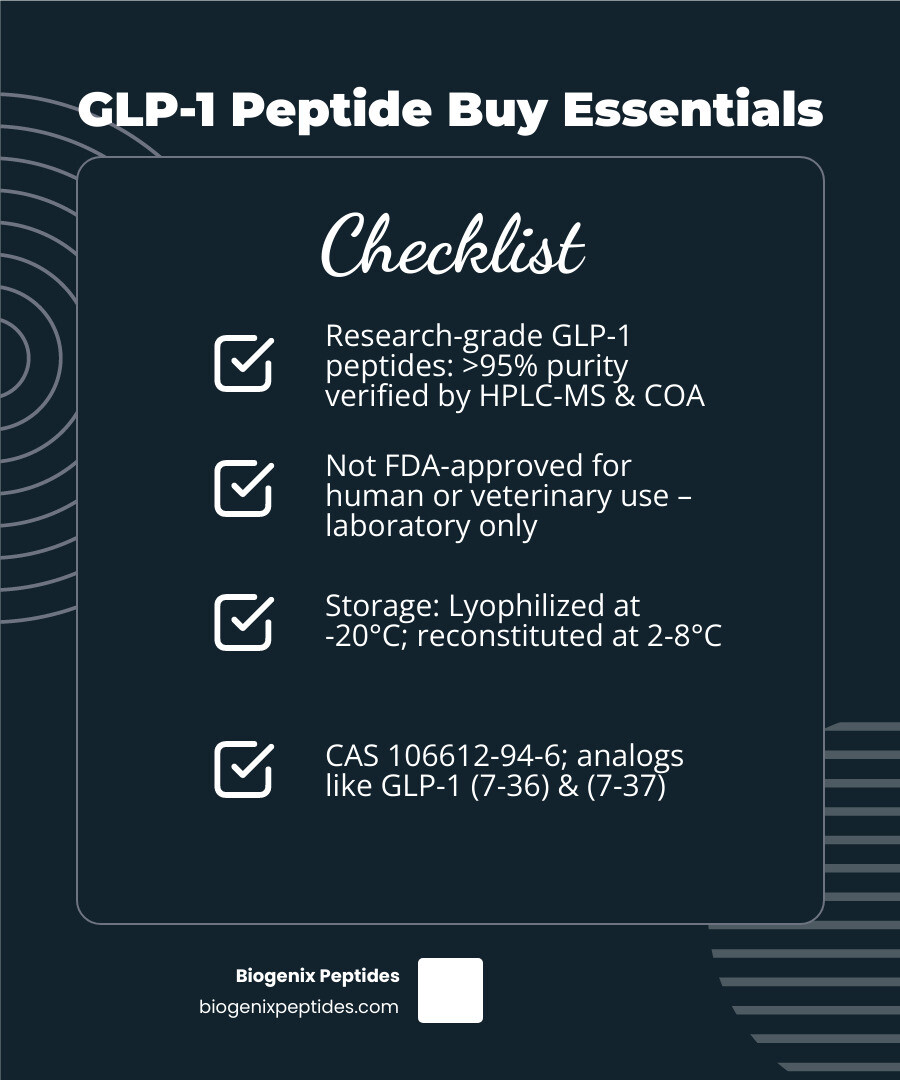
- Research-grade GLP-1 peptides (e.g., GLP-1 7-36 amide, GLP-1 7-37) are available from specialized suppliers for laboratory and in vitro research only
- They are not FDA-approved for human or veterinary use
- Legitimate research suppliers provide >95% purity verified by HPLC-MS and a Certificate of Analysis (COA) for every batch
- Prices typically range from ~$65 for 5mg to ~$285 for 0.5mg, depending on the analog and supplier
- Lyophilized powder should be stored at -20°C and handled under aseptic laboratory conditions
- GLP-1 medications for clinical use (like Wegovy or Zepbound) are prescription-only and a completely separate category from research peptides
GLP-1 research has exploded in recent years. Scientists are studying how glucagon-like peptide-1 affects insulin signaling, appetite regulation, cardiovascular health, and even neuroprotection. That demand has driven a fast-growing market for research-grade GLP-1 peptides — and a lot of confusion about what’s actually available, what’s legal, and what’s safe for laboratory use.
The landscape is complicated. On one side, you have FDA-approved medications requiring prescriptions. On the other, you have research-grade synthetic peptides sold strictly for in vitro and preclinical study. And somewhere in between, there’s a grey zone of compounded medications, unregulated online sellers, and Reddit threads where people are piecing together their own protocols.
Understanding the difference matters — for your research, your compliance, and your safety.
This guide cuts through the noise. Whether you’re a lab researcher sourcing a peptide analog or simply trying to understand what GLP-1 products are legally available and why, you’ll find clear, research-backed answers here.
I’m Jay Daniel, Founder and CEO of BioGenix Peptides, with years of hands-on experience in peptide sourcing, quality validation, and research-grade manufacturing — including everything involved in a responsible glp 1 peptide buy. My goal here is to give you the clearest, most accurate picture of this space so you can make informed decisions.
Understanding the Science Behind a GLP 1 Peptide Buy
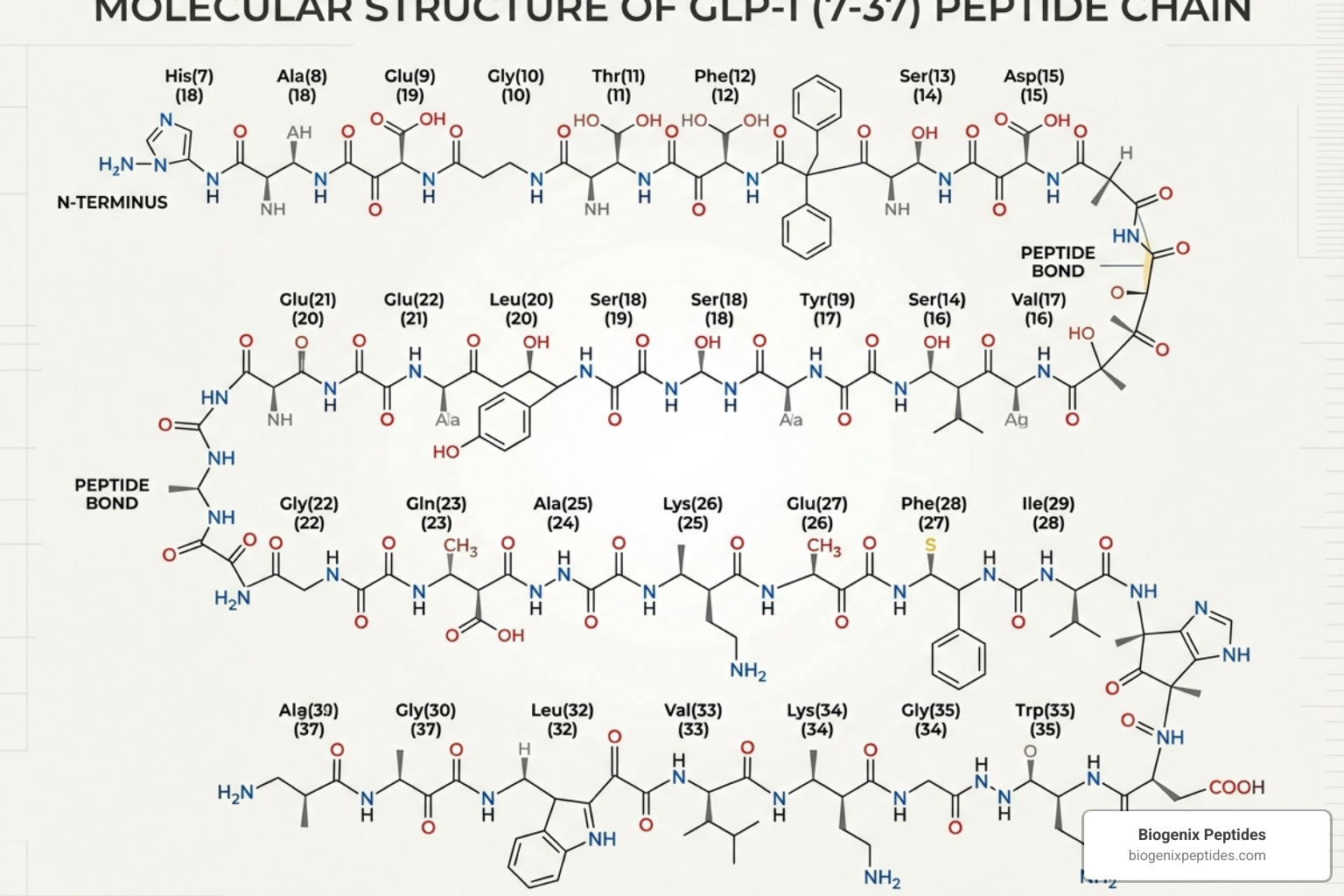
To understand why a glp 1 peptide buy is so prevalent in modern bioscience, we first have to look at the molecule itself. Glucagon-like peptide-1 (GLP-1) is an incretin hormone naturally secreted by the intestinal L-cells. In a biological system, it acts as a potent insulinotropic hormone, meaning it stimulates insulin release in a glucose-dependent manner.
Research into Glp 1 Incretin Pathways Explained shows that these peptides work by binding to the GLP-1 receptor (GLP-1R), a class B G-protein-coupled receptor. This activation triggers a cascade of events, including the suppression of glucagon secretion and the slowing of gastric emptying. In laboratory models, these pathways are critical for studying metabolic homeostasis and energy balance.
When researchers browse a Category/Glp 1 catalog, they are often looking for specific truncated forms. Endogenous GLP-1 is quickly degraded by the enzyme dipeptidyl peptidase-4 (DPP-4), leading to a very short half-life. Therefore, synthetic analogs are often modified to resist this degradation, allowing for longer observation periods in research settings.
Identifying High-Purity GLP 1 Peptide Buy Options
Quality is the most critical factor in any research project. When you set out to make a glp 1 peptide buy, the gold standard for purity is >95%, though many high-end suppliers offer ≥98% or even ≥99% purity. This is typically verified through High-Performance Liquid Chromatography (HPLC) and Mass Spectrometry (MS).
For example, GLP-1 (7-37) with CAS number 106612-94-6 is a common target for synthesis. Reputable research supply houses provide these with detailed analytical validation. Understanding the nuances between Glp 1 Dual And Triple Agonist Peptides Semaglutide Tirzepatide And Retatrutide In Research is also vital, as triple agonists represent the cutting edge of metabolic research, targeting GLP-1, GIP, and glucagon receptors simultaneously.
Legal Requirements for a GLP 1 Peptide Buy in 2026
As of April 2026, the legal landscape regarding peptides is strictly defined. In the United States, research-grade GLP-1 peptides are legal to purchase and possess only when intended for laboratory research. They are classified as research chemicals, meaning they have not been approved by the FDA for human use.
Sites selling these compounds must include clear disclaimers stating they are for “In Vitro Research Use Only.” Buying these materials for personal use is a violation of the terms of sale and carries significant health risks, as research-grade products are not manufactured under the same Current Good Manufacturing Practice (cGMP) standards required for human pharmaceuticals. You can read more about Why Your Doctor Is Obsessed With Glp 1 Receptor Agonists to understand the clinical side, but the research-grade peptide path is entirely separate from the medical one.
Research Grade vs. Clinical Grade: Key Distinctions
It is easy to get confused when the names of the molecules sound the same, but the distinction between research-grade and clinical-grade is night and day. Clinical-grade GLP-1s, like those found in brand-name pens, are FDA-approved, produced in cGMP facilities, and require a prescription. Research peptides, found in a Product Category/Glp 1 listing, are typically sold as lyophilized (freeze-dried) powders in glass vials.
| Feature | Research Peptides | Clinical Medications (Wegovy/Zepbound) |
|---|---|---|
| FDA Approval | None (Research Use Only) | FDA Approved for Obesity/Diabetes |
| Form | Lyophilized Powder | Pre-filled Pen or Solution |
| Regulatory Body | Internal Lab Standards | FDA and State Boards |
| Access | Research Suppliers | Licensed Pharmacies (Prescription Required) |
| Cost | Variable ($60 – $300+) | High ($900 – $1,300 without insurance) |
Stability and DPP-4 Resistance
One of the primary goals in creating synthetic GLP-1 analogs is increasing the half-life. Natural GLP-1 lasts only minutes in the bloodstream. By utilizing fatty acid acylation—adding a lipid chain to the peptide—researchers can create molecules that bind to albumin, extending their presence in research models significantly.
In some cases, researchers look for synergistic effects, such as Cagrilintide The Secret Catalyst For Glp 1 Pathways, which is an amylin analog often studied alongside GLP-1 to see how multiple hormonal pathways interact to regulate energy homeostasis.
Third-Party Testing and COA Verification
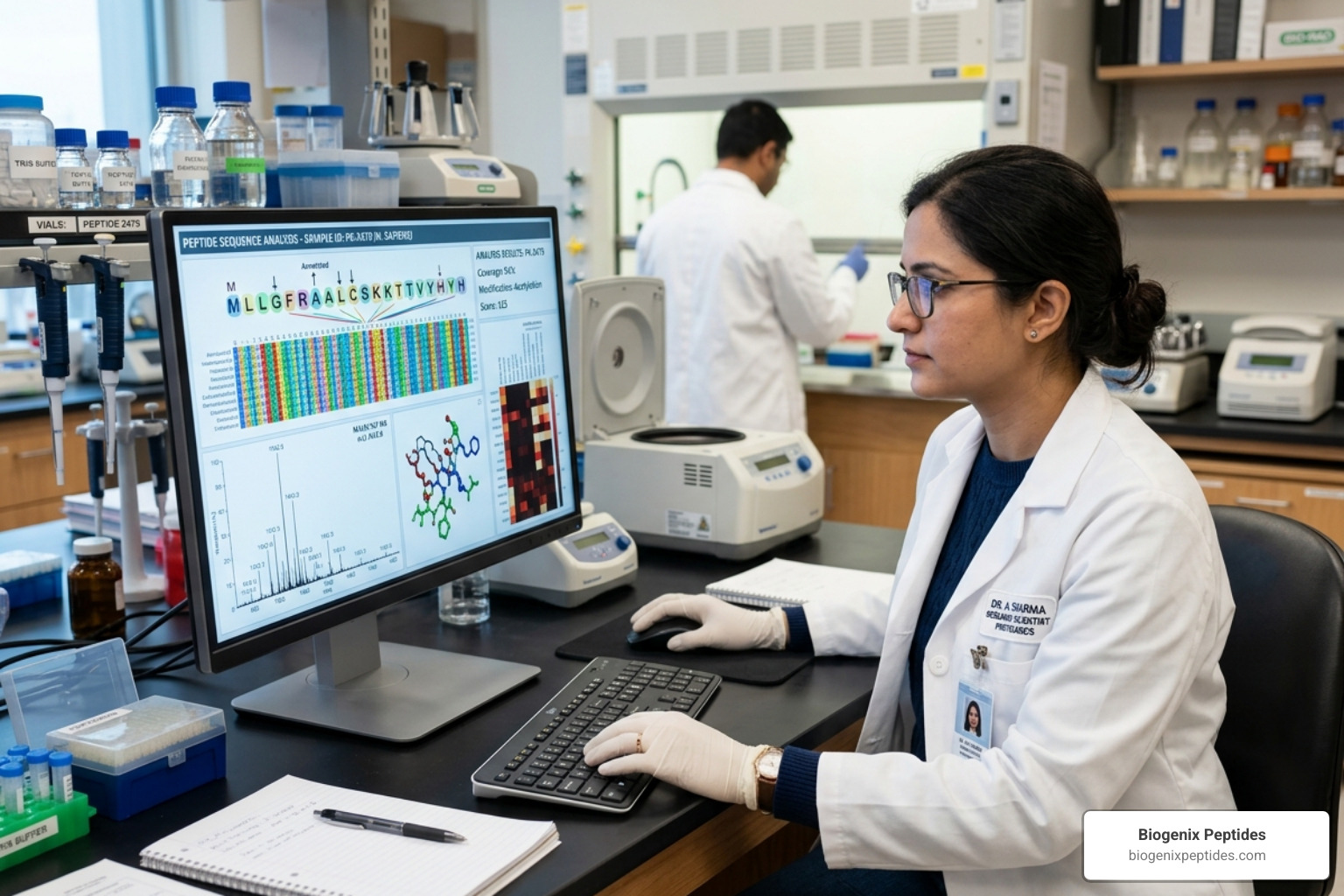
When you glp 1 peptide buy from a reputable source, you should always receive a Certificate of Analysis (COA). This document provides the “fingerprint” of the specific batch you purchased. It should show:
- Purity Level: Usually determined by HPLC.
- Identity: Confirmed by Mass Spectrometry to ensure the molecular weight matches the target peptide.
- Appearance: Confirmation that the lyophilized cake is white and free of visible contaminants.
We recommend checking products like Shop/Metabolic/Semaglutide Glp 1 30Mg to see examples of high-concentration research materials that require rigorous batch testing to ensure consistency across longitudinal studies.
Storage and Handling Protocols for Lyophilized Peptides
Once your glp 1 peptide buy arrives, the clock starts ticking on its stability. Most research peptides are shipped as lyophilized powders because they are most stable in this “freeze-dried” state. However, they are still highly sensitive to temperature, light, and moisture.
For long-term storage, vials should be kept in a laboratory freezer at -20°C. For short-term use (a few weeks), refrigeration at 2-8°C may be acceptable, but consistent freezing is the best way to prevent degradation. It is also vital to keep these vials protected from light, as UV exposure can break peptide bonds. For more on maintaining the integrity of your research, see The Glp 1 Guide To Not Melting Away Your Muscle.
Reconstitution and Aseptic Technique
When it is time to use the peptide in a laboratory protocol, it must be reconstituted. This usually involves adding a solvent, such as bacteriostatic water or sterile saline, to the vial. This process must be done with extreme care:
- Temperature: Allow the vial to reach room temperature before adding liquid to prevent condensation.
- Agitation: Never shake the vial. Peptides are fragile; instead, gently swirl the liquid until the powder is fully dissolved.
- Sterility: Use a sterile environment (like a laminar flow hood) to prevent the introduction of bacteria.
Research into compounds like Shop/Metabolic/Tirzepatide Glp 2 30Mg often requires precise concentrations, so calculating the volume of the diluent is a critical step for research personnel.
Handling Precautions for Research Personnel
Safety in the lab is paramount. While GLP-1 peptides are not considered biohazards, they are biologically active compounds. Personnel should always wear appropriate Personal Protective Equipment (PPE), including gloves, lab coats, and safety goggles. Cross-contamination can ruin the results of an experiment, so dedicated equipment for each peptide type is recommended. Interestingly, the same pathways being studied for metabolic issues are also being looked at for Why Glp 1 Agonists Are A Change Of Heart For Cardiac Care, highlighting the broad biological impact these molecules can have.
Navigating the Online Landscape for GLP-1 Research
The internet has made a glp 1 peptide buy easier than ever, but it has also made it more dangerous. A simple search will lead you to dozens of “peptide warehouses” and “research labs.” Some are legitimate scientific suppliers, while others are fly-by-night operations selling sub-standard or counterfeit products.
Community insights from platforms like Reddit (specifically r/tirzepatidecompound or r/SFbitcheswithtaste) show a massive surge in people seeking these compounds outside of traditional channels. Users often discuss the “food noise” reduction and weight loss they’ve experienced, but these anecdotes often blur the line between research and self-administration—a dangerous practice that we do not condone. For legitimate research, you should always stick to verified Category/Glp 1 suppliers.
Evaluating Supplier Legitimacy
How can you tell if a supplier is real? Look for these green flags:
- Transparent Pricing: If the price is too good to be true, it probably is. For instance, some specialized analytical laboratories sell 0.5mg for about $284, while some research sites sell 10mg for $75. This discrepancy often points to differences in manufacturing quality or purity.
- Physical Address: Legitimate companies have a verifiable presence in the U.S.
- Responsive Support: They should be able to answer technical questions about their HPLC reports.
- Compliance: They should strictly adhere to “Research Use Only” labeling.
Check out our Product Category/Glp 1 to see how a professional research catalog is structured.
Risks of Unregulated Research Chemicals
The risks of buying from unregulated sources cannot be overstated. Research-grade chemicals are not subject to the same oversight as pharmacies. Common issues include:
- Contaminants: Heavy metals, residual solvents, or bacterial endotoxins.
- Mislabeled Potency: A vial labeled as 10mg might only contain 5mg, or worse, a different peptide entirely.
- Legal Fallout: The FDA has been increasingly active in cracking down on companies that market research peptides for human consumption.
To stay safe and compliant, always Explore GLP-1 Research Options through established, reputable entities.
Frequently Asked Questions about GLP-1 Peptides
Is a prescription required for research-grade GLP-1?
No, a medical prescription is not required to buy research-grade peptides for laboratory use. However, you must be a qualified researcher or representing a research institution. These products are not for personal use, and purchasing them under the guise of research for self-consumption is illegal and unsafe.
What is the difference between GLP-1 (7-36) and (7-37)?
Both are truncated, biologically active forms of the GLP-1 molecule. GLP-1 (7-36) amide is the most abundant form in humans, while GLP-1 (7-37) is also naturally occurring. In research settings, both are used to study receptor affinity and insulinotropic effects, though (7-36) is often favored for its stability in certain in vitro models.
How should reconstituted GLP-1 be stored?
Once the lyophilized powder is mixed with a liquid, its stability drops significantly. It should be stored in a refrigerator at 2-8°C and used as soon as possible, typically within a few days to a week, depending on the specific analog and the presence of preservatives like benzyl alcohol in the bacteriostatic water.
Conclusion
The world of GLP-1 research is one of the most exciting frontiers in modern medicine. From understanding metabolic pathways to exploring new avenues for cardiac and neurological health, the potential is vast. However, the integrity of that research depends entirely on the quality of the materials used.
When you prepare to make a glp 1 peptide buy, you aren’t just buying a chemical; you’re investing in the accuracy of your data. By prioritizing high purity, verified COAs, and proper laboratory handling, you ensure that your work contributes meaningfully to the scientific community.
At BioGenix Peptides, we are committed to providing the highest quality materials to support your metabolic innovation. We believe in research integrity and the power of peptides to unlock new biological understanding.
Explore GLP-1 Research Options and start your next project with the confidence that only high-purity, verified peptides can provide.