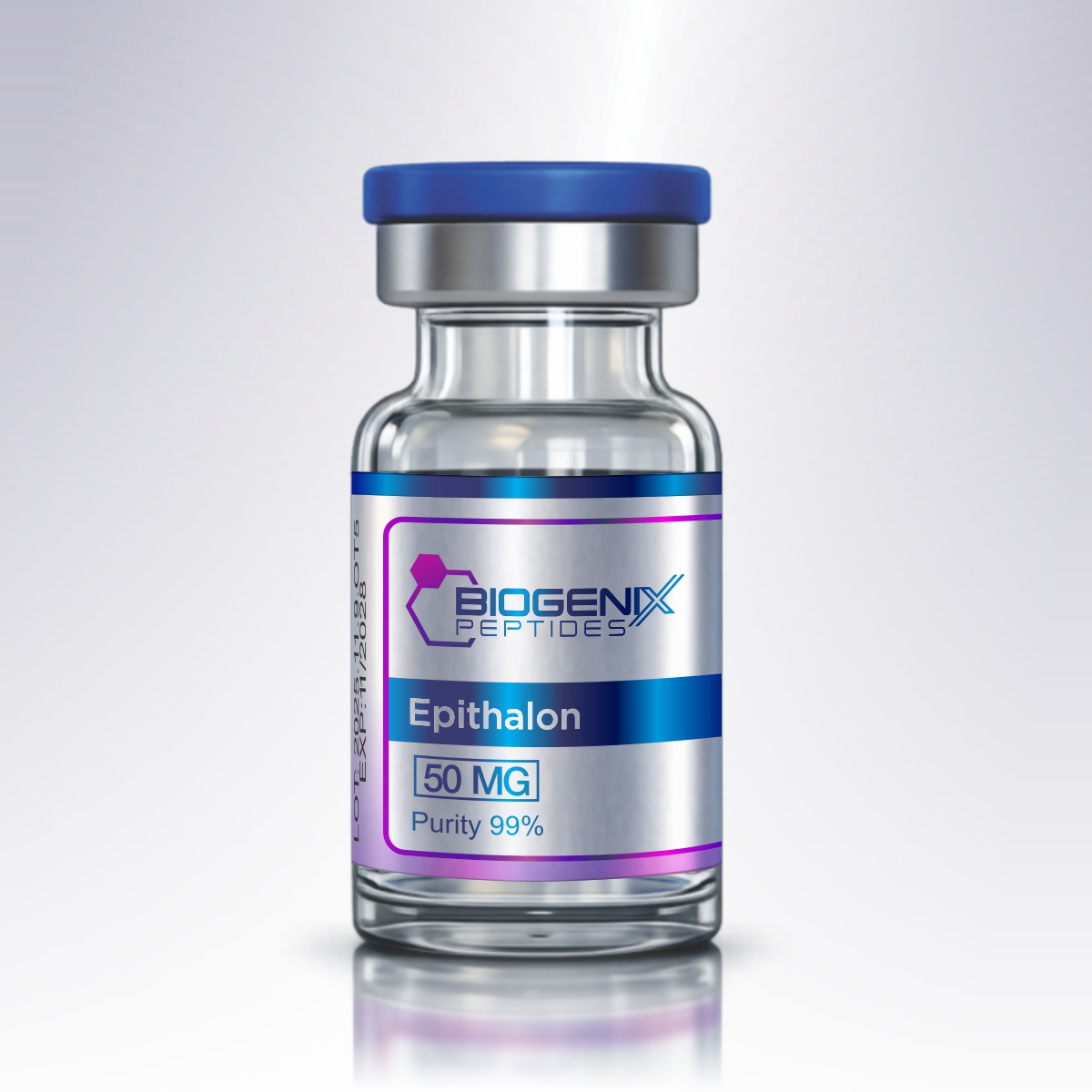
Epithalon 50mg
$180.00Epithalon, also known as AEDG peptide, Epitalon, or Epithalone, is a synthetic tetrapeptide composed of alanine, glutamic acid, aspartic acid, and glycine. It is modeled after Epithalamin, a naturally occurring
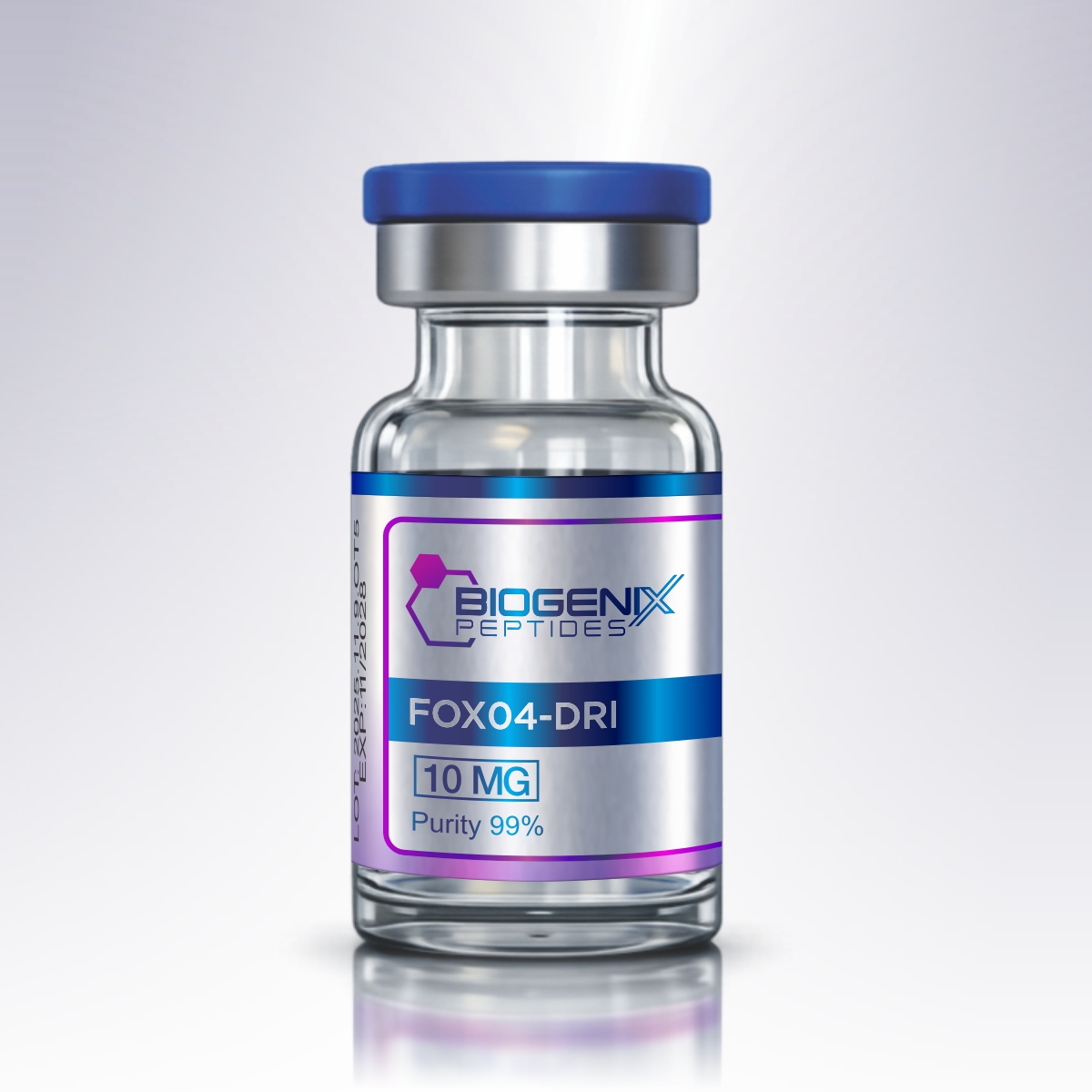
FOX04-DRI 10mg
$195.00FOXO4-DRI, also known as Proxofim, is a synthetic peptide derived from the forkhead box O transcription factor 4 (FOXO4). FOXO proteins (FOXO1, FOXO3, FOXO4, and FOXO6) regulate essential cellular pathways
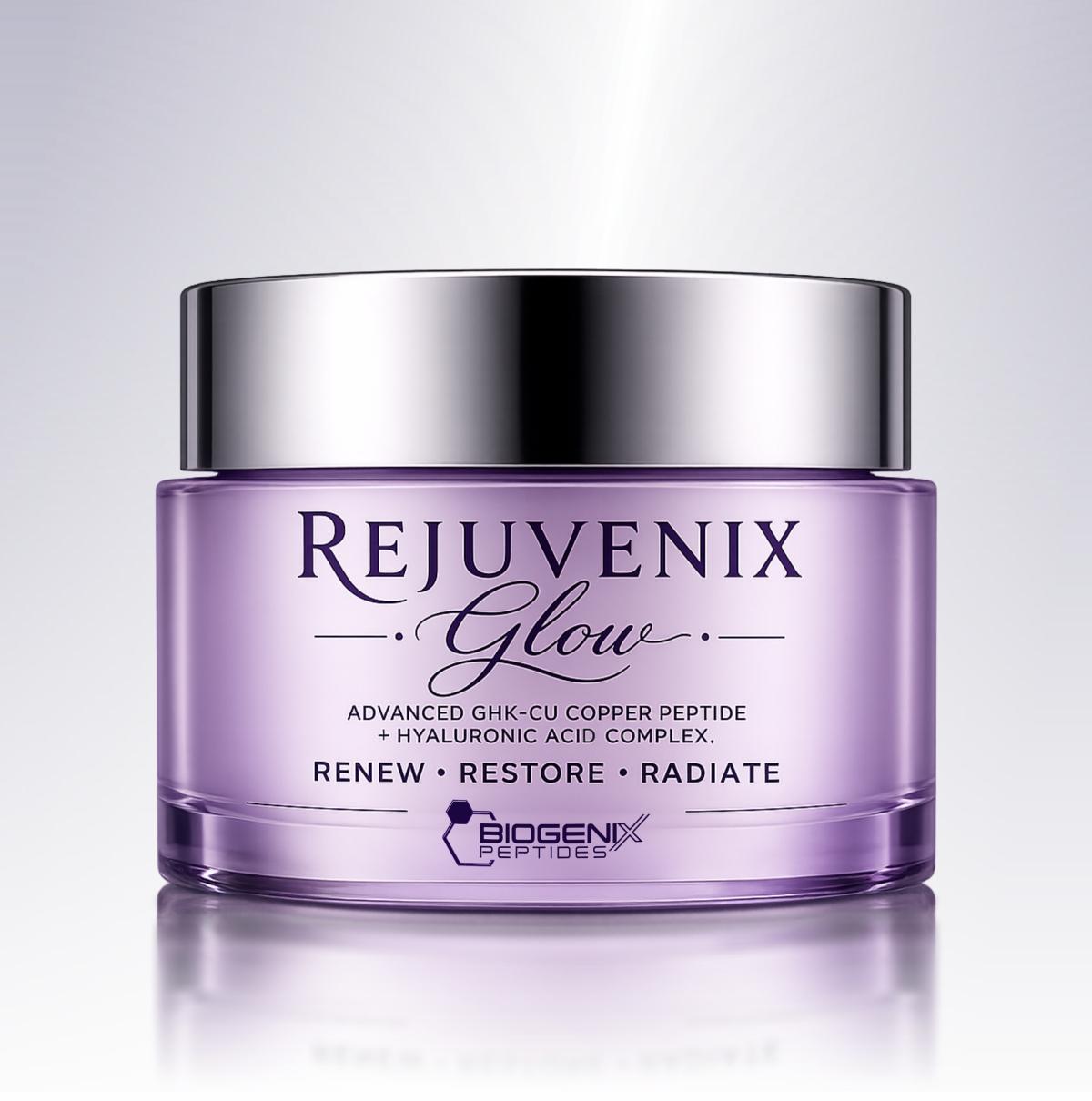
Rejuvenix™ is an advanced GHK-Cu + Hyaluronic Acid skin complex featuring a premium 0.6% concentration of GHK-Cu (Copper Tripeptide-1), delivering approximately 360mg of copper peptide per 60g jar. These two
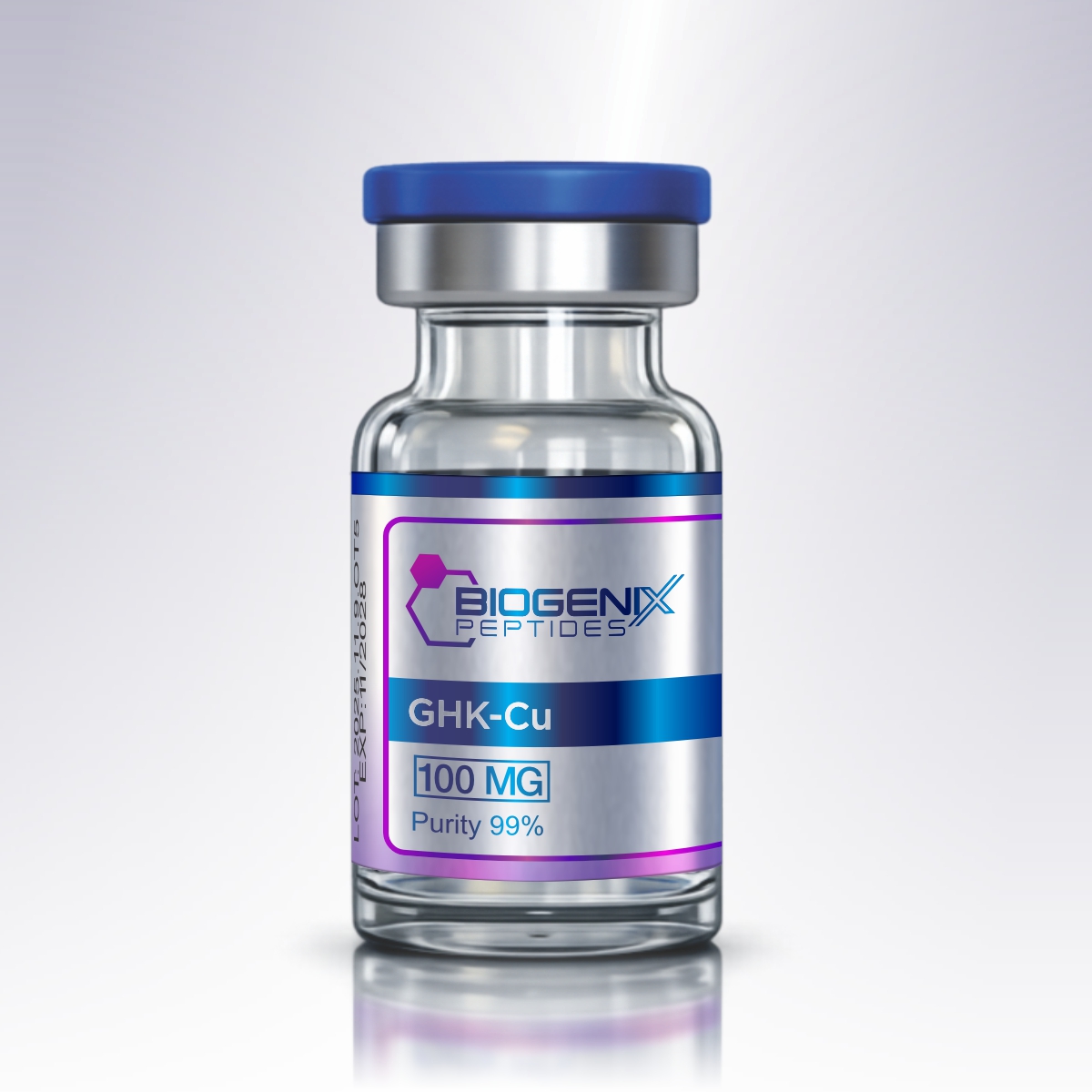
GHK-Cu 100mg
$96.00GHK-Cu is a naturally occurring copper-binding tripeptide composed of glycyl-L-histidyl-L-lysine chelated to copper (II). It is present in plasma and is released at injury sites, where it is proposed to
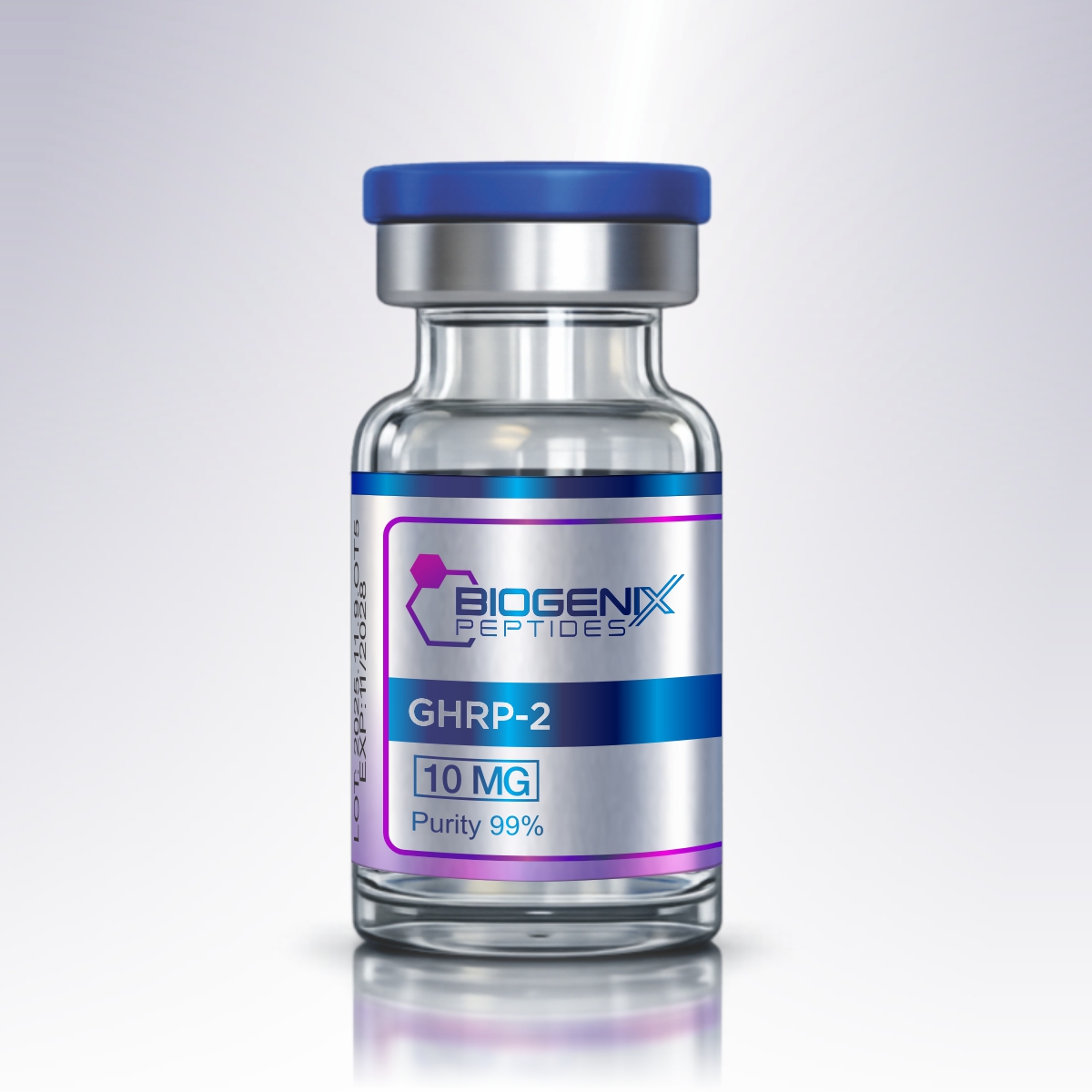
GHRP-2 10mg
$48.00GHRP-2 (pralmorelin) is a synthetic pentapeptide and growth hormone-releasing peptide (GHRP) that acts as an agonist of the ghrelin (growth hormone secretagogue) receptor, GHS-R1a. Although structurally related to met-enkephalin, GHRP-2
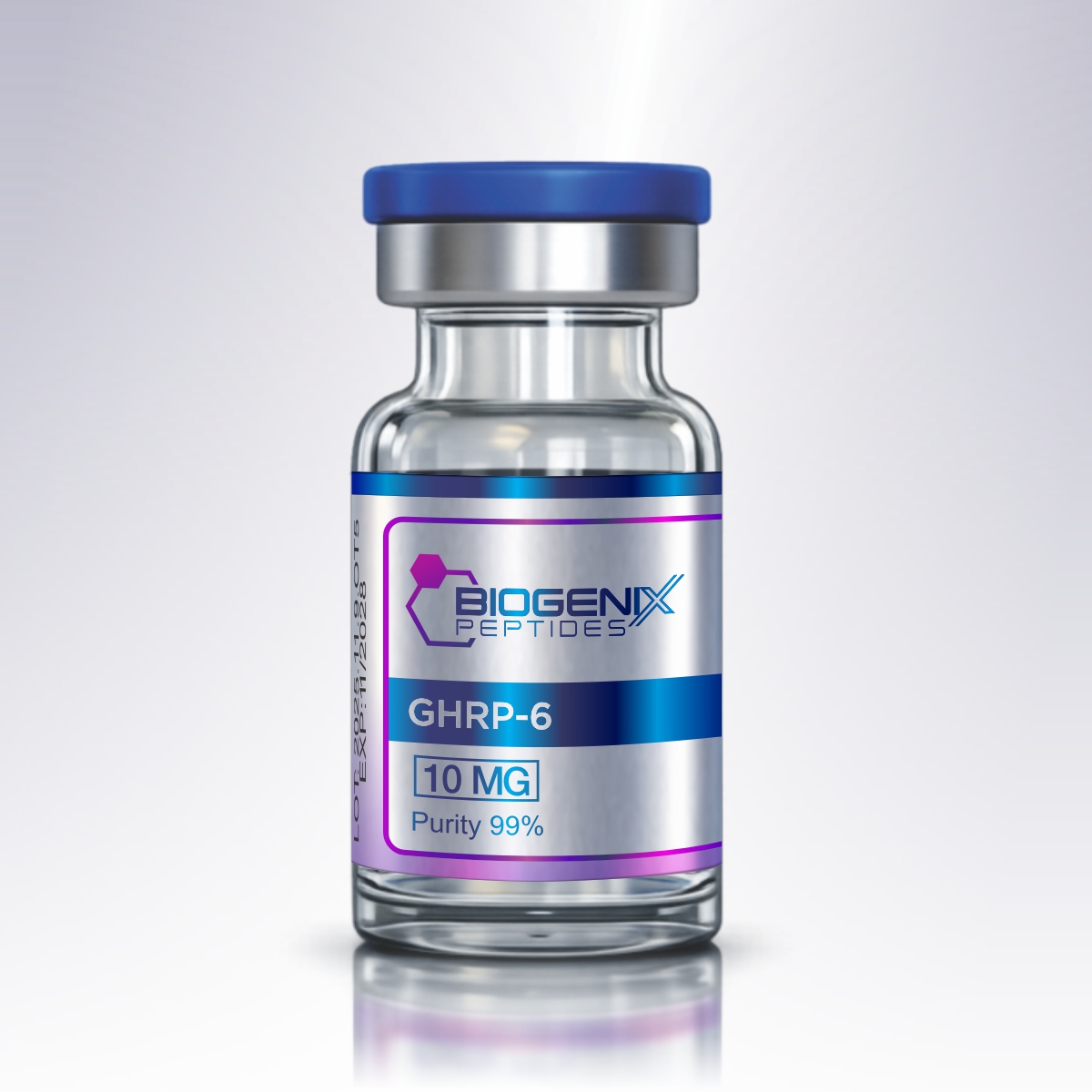
GHRP-6 10mg
$48.00GHRP-6 (Growth Hormone Releasing Hexapeptide) is a synthetic low molecular weight hexapeptide, developed as part of the GHRP family to stimulate growth hormone (GH) secretion. Structurally related to met-enkephalin, GHRP-6
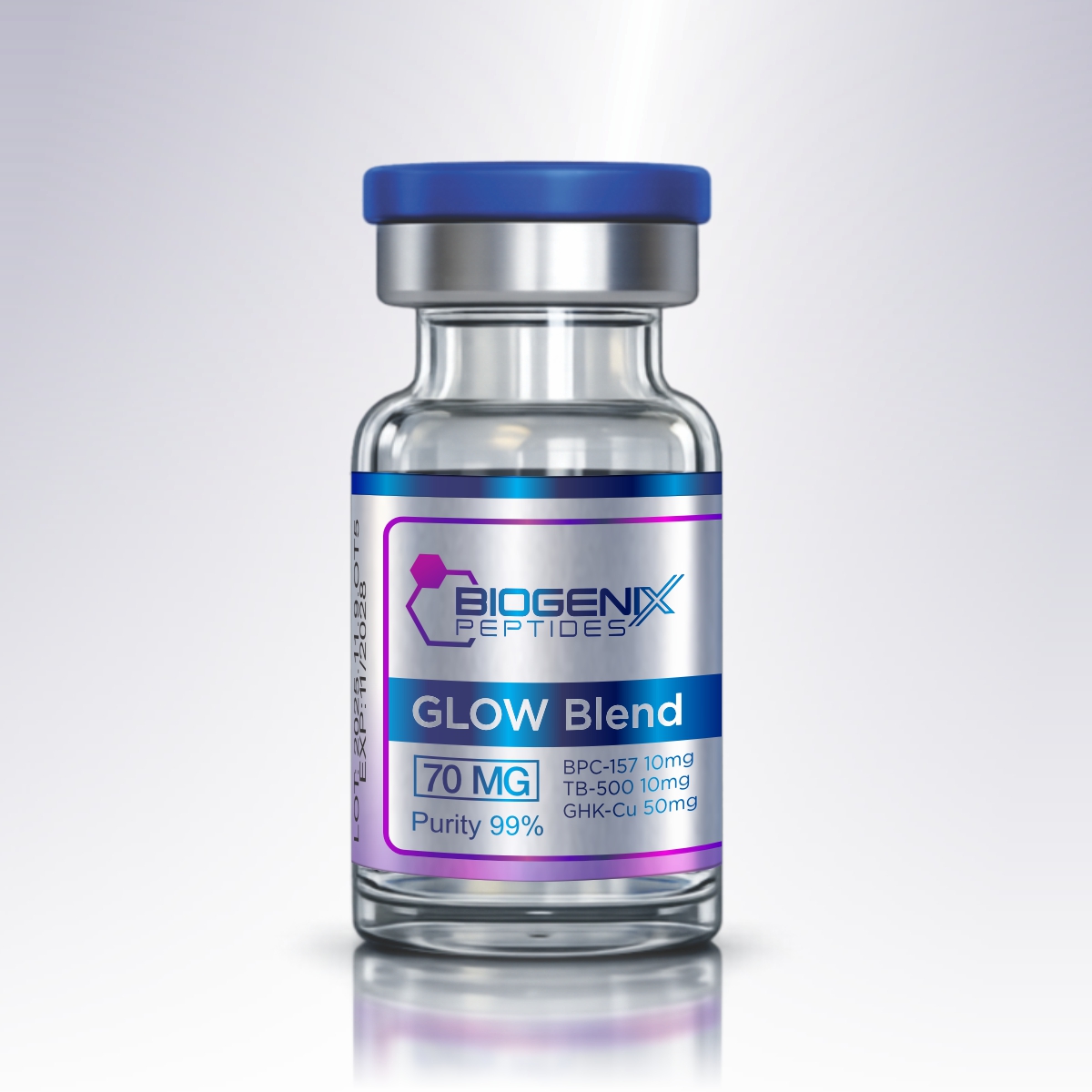
GLOW 70mg Blend
$160.00This multi-peptide preparation unites three widely researched regenerative peptides into a single vial for investigations that probe complementary pathways of tissue repair and remodeling.- GHK-Cu is best known for up-regulating
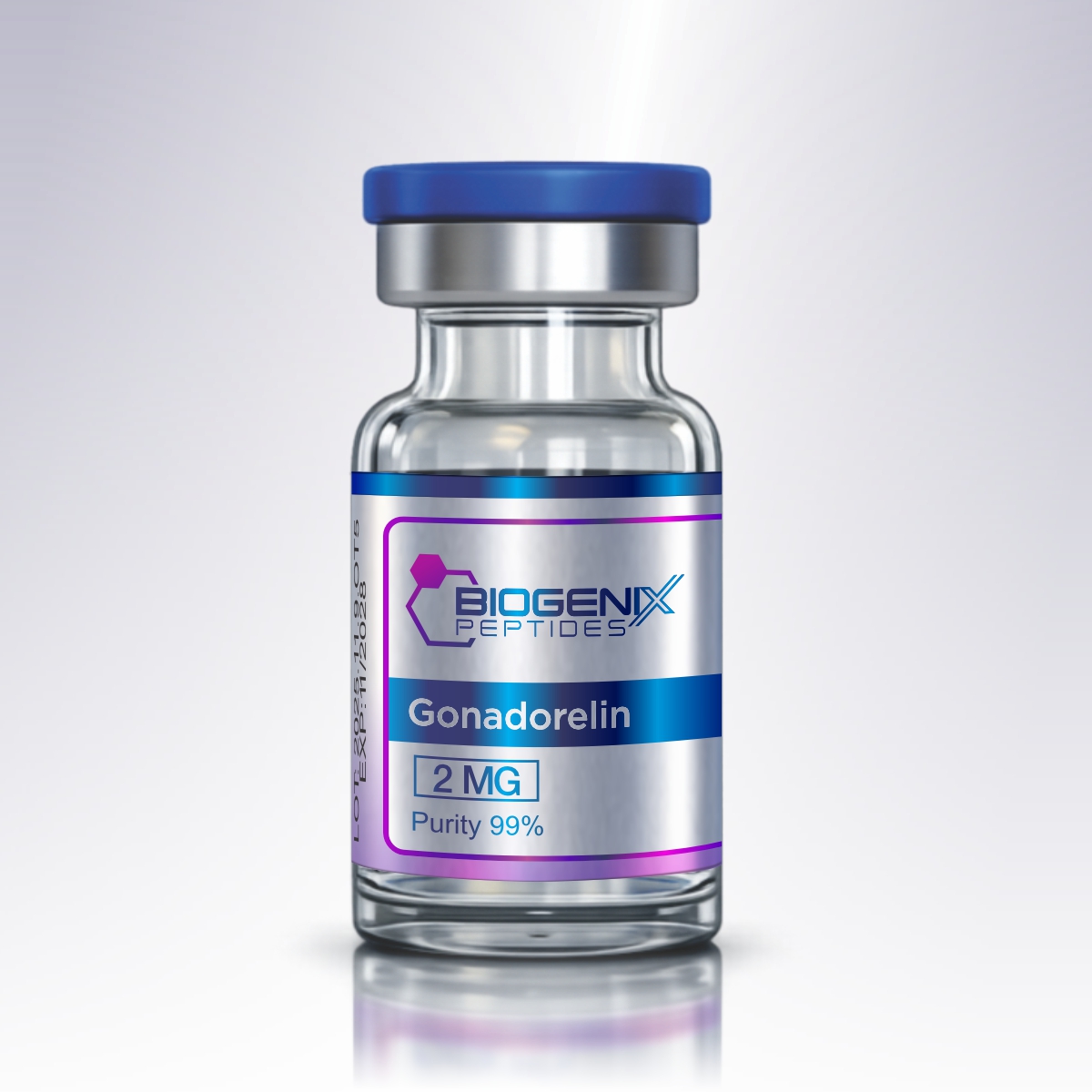
Gonadorelin 2mg
$23.00Gonadorelin is a synthetic decapeptide that mimics the natural gonadotropin-releasing hormone (GnRH) secreted by the hypothalamus. This peptide is composed of ten amino acids and has been widely studied for
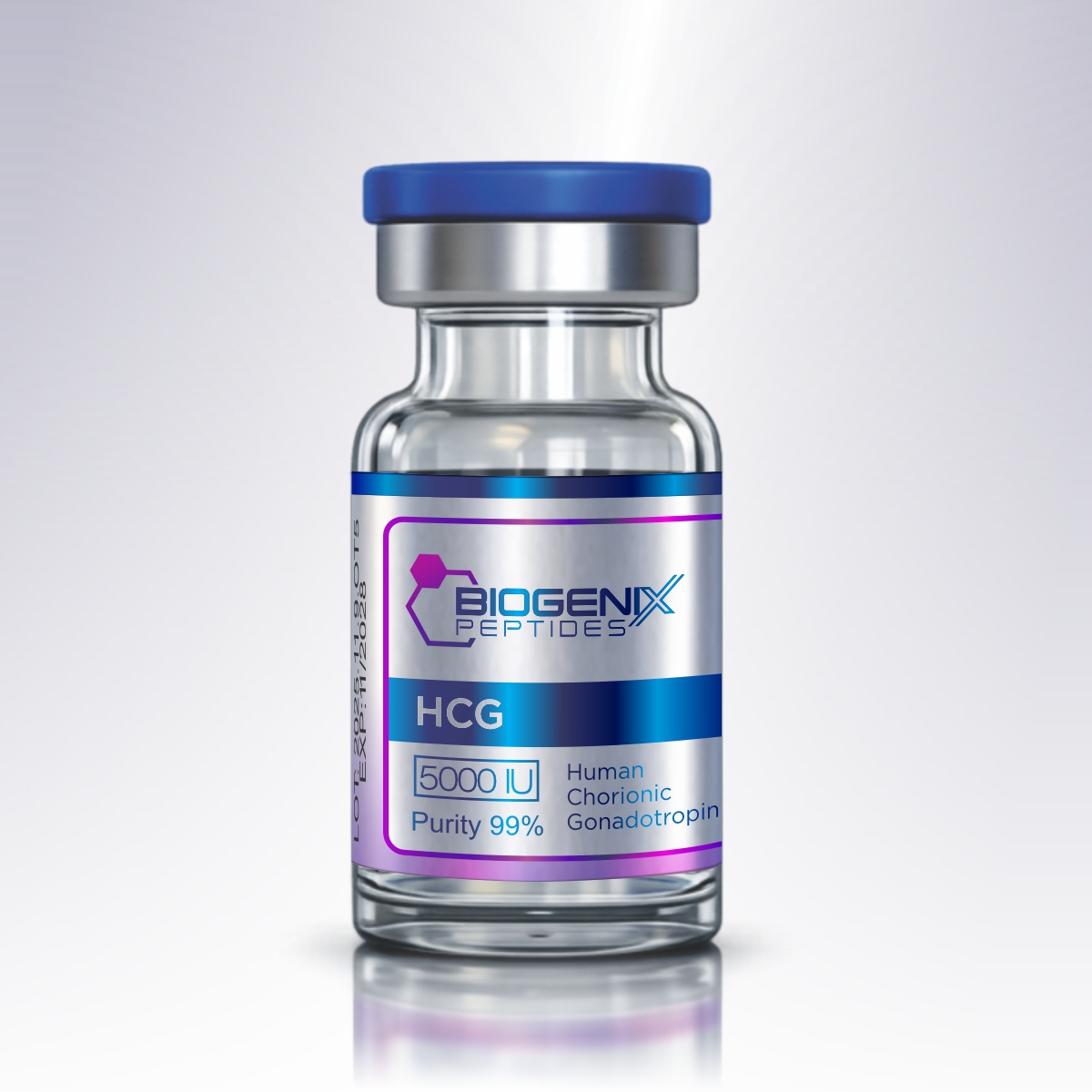
HCG 5000 iu
$56.00Human Chorionic Gonadotropin (HCG) is a naturally occurring hormone made of two connected protein subunits. It plays an important role in fertility and hormone signaling. In research settings, HCG is
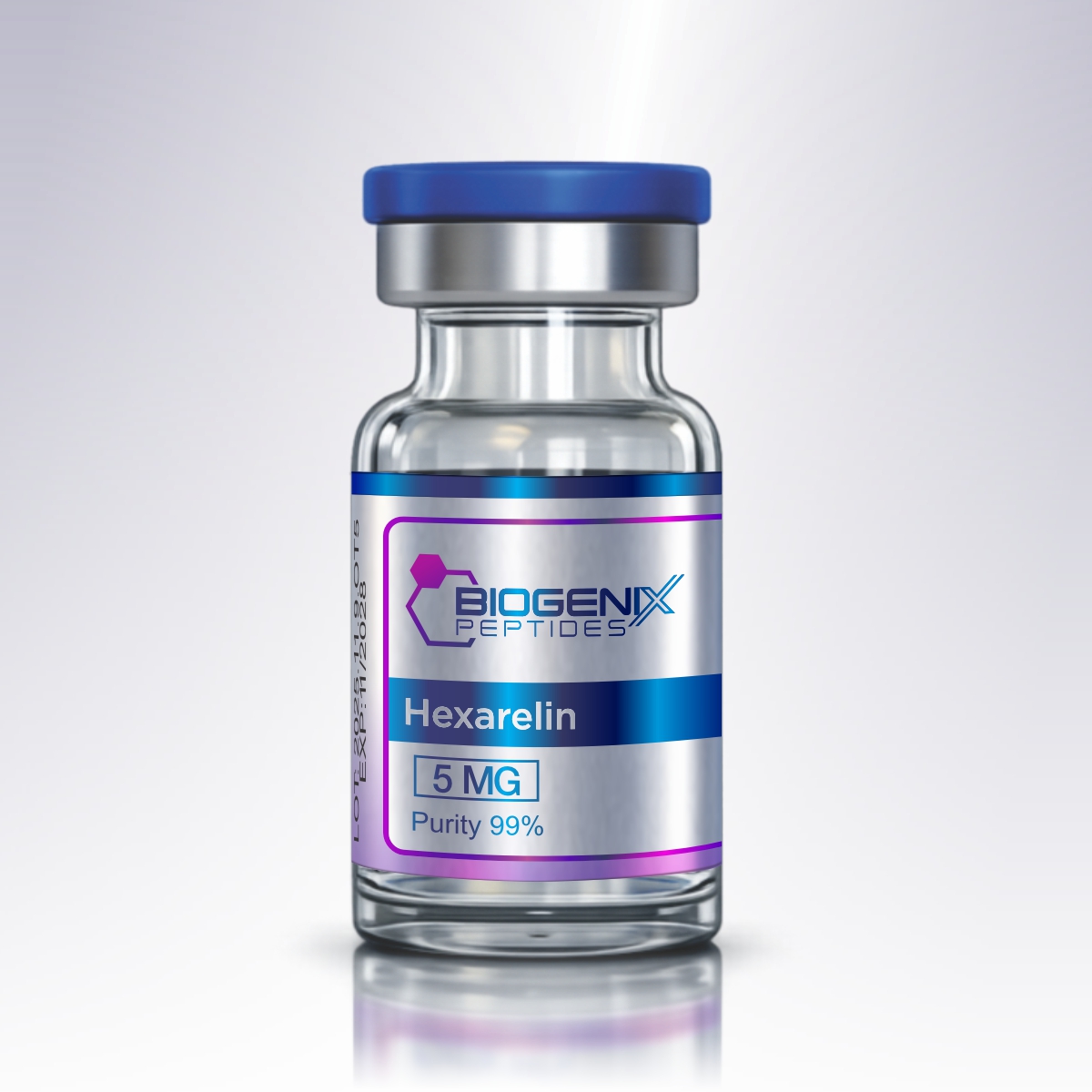
Hexarelin 5mg
$42.00Hexarelin is a small synthetic peptide in the growth hormone–releasing peptide (GHRP) family. It is commonly studied for its ability to help the body release more growth hormone, which plays
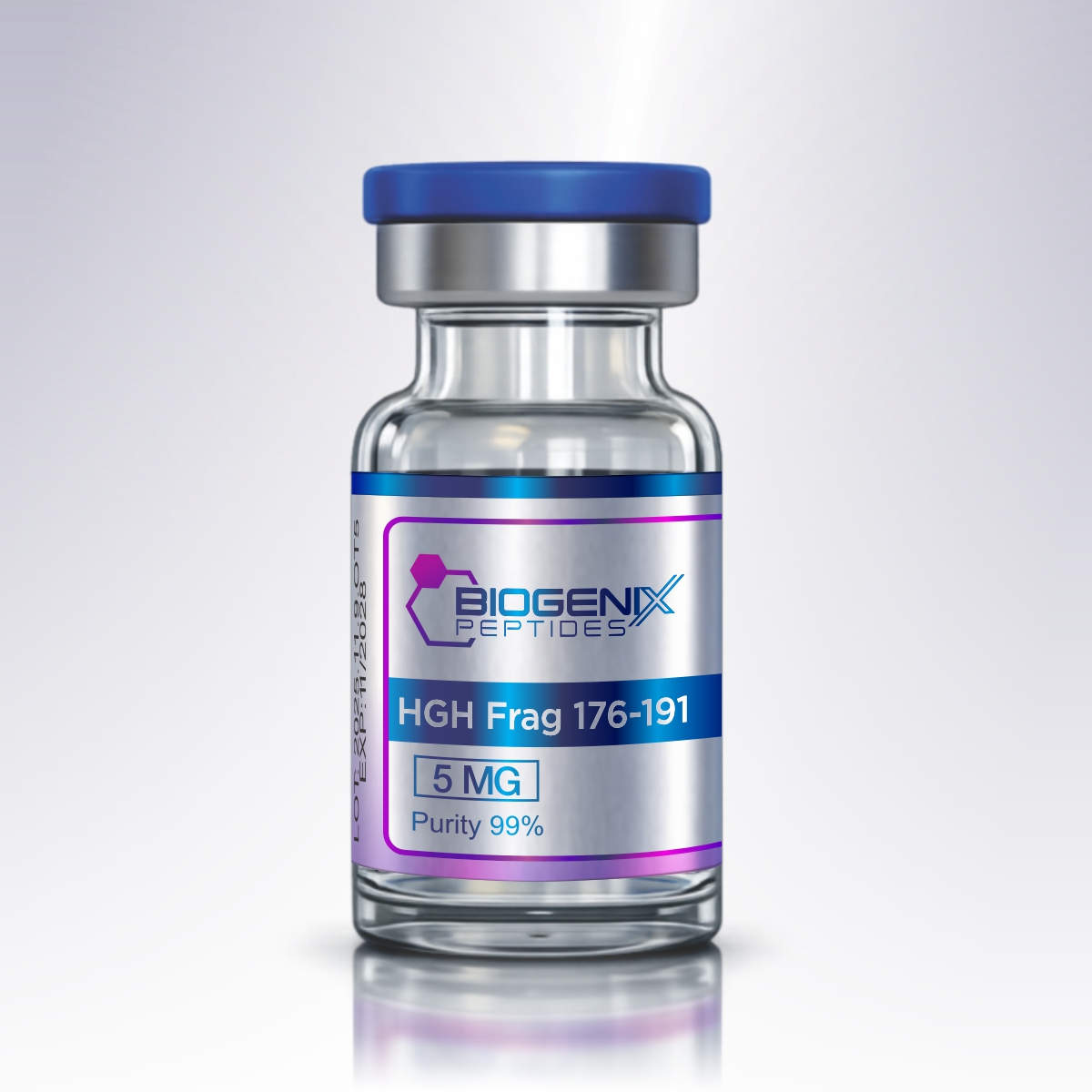
HGH Frag 176-191 5mg
$60.00HGH Fragment 176-191 (HGH Frag) is a synthetic peptide consisting of the final 16 amino acids of the human growth hormone (HGH) molecule. Unlike full-length HGH, this truncated fragment does
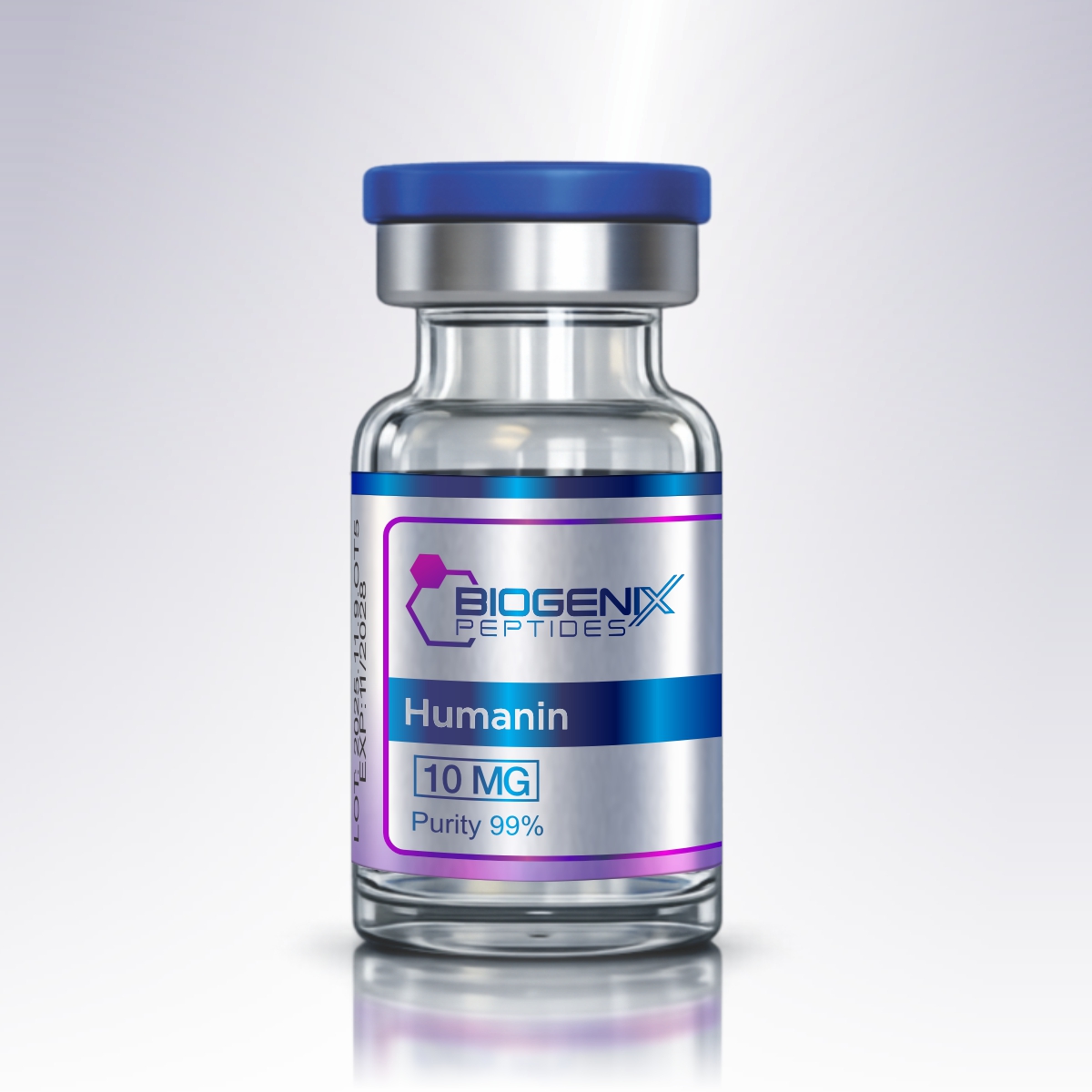
Humanin 10mg
$118.00Humanin is a small 24–amino-acid peptide that comes from the mitochondria, the parts of the cell responsible for energy production. Researchers study Humanin because it appears to help protect cells
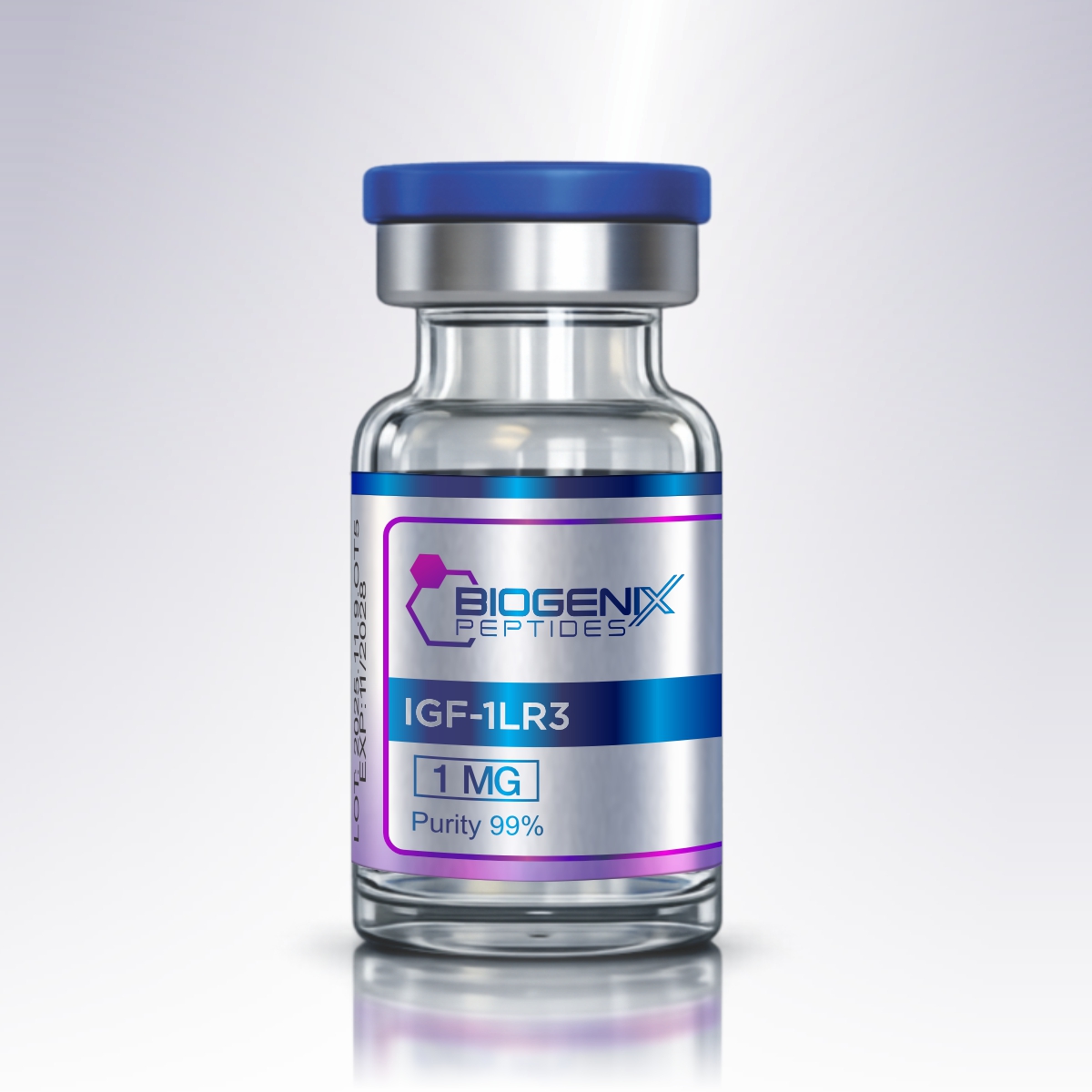
IGF-1LR3 1mg
$120.00Insulin-like Growth Factor-1 Long Arg3 (IGF-1 LR3) is a synthetic analog of human IGF-1 designed with a modified amino acid sequence to improve stability and extend half-life. It differs from
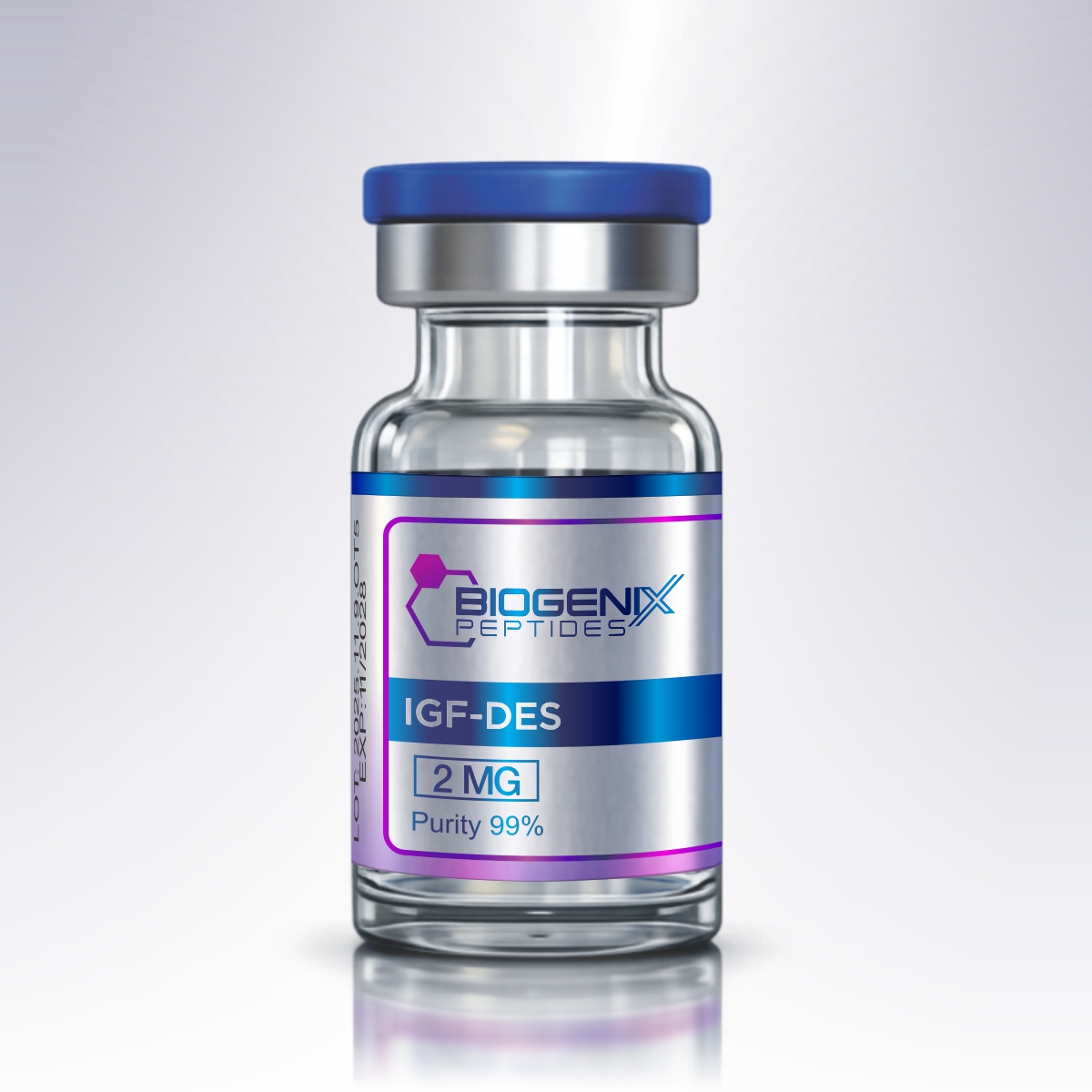
IGF-DES 2mg
$96.00IGF-DES (also called DES(1-3)IGF-1) is a naturally occurring truncated variant of insulin-like growth factor-1 (IGF-1), missing the first three amino acids at the N-terminus of the protein. This modification alters
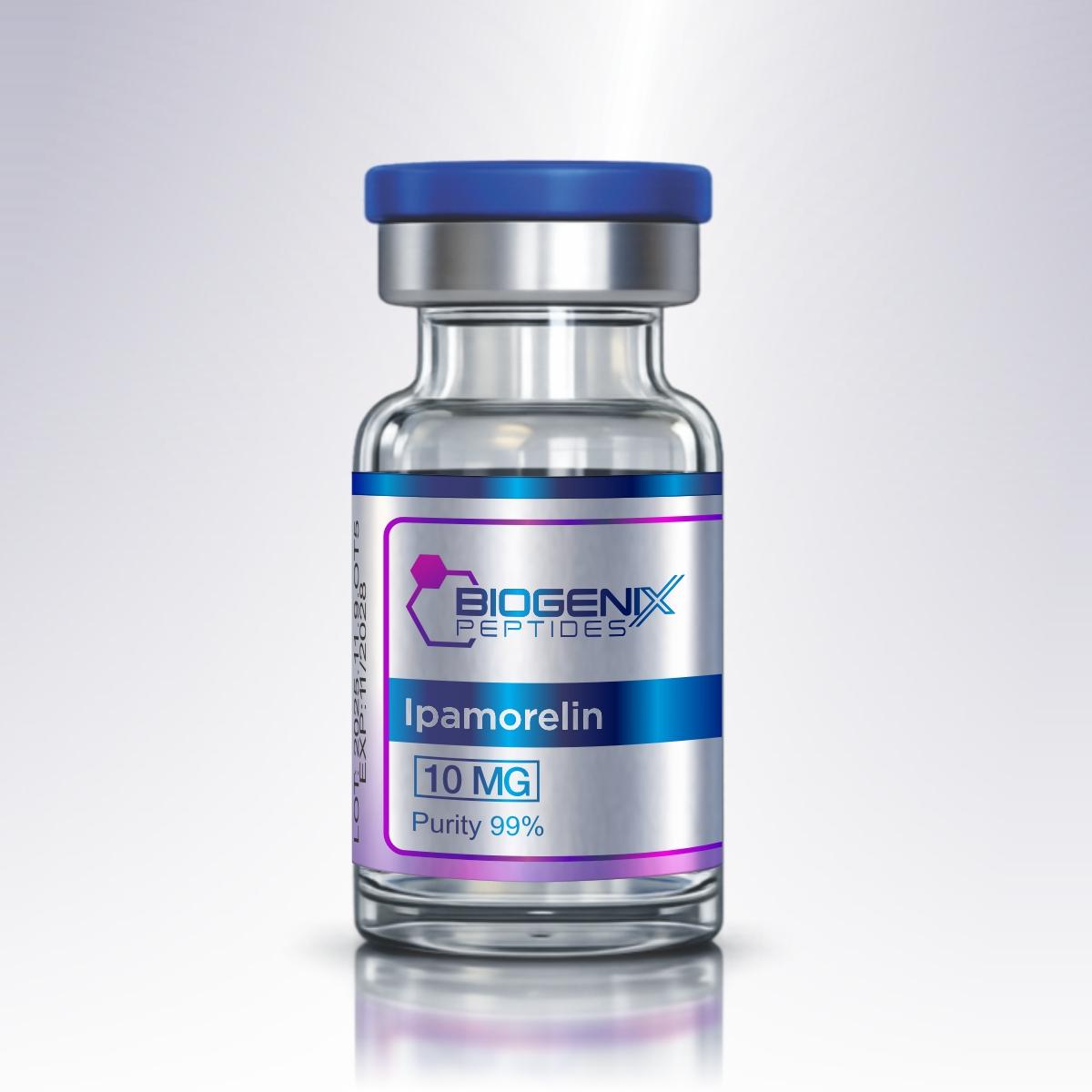
Ipamorelin 10mg
$67.00Ipamorelin is a synthetic pentapeptide classified as a selective growth hormone secretagogue (GHS). It is an analog of ghrelin that binds to the growth hormone secretagogue receptor (GHS-R1a), stimulating growth
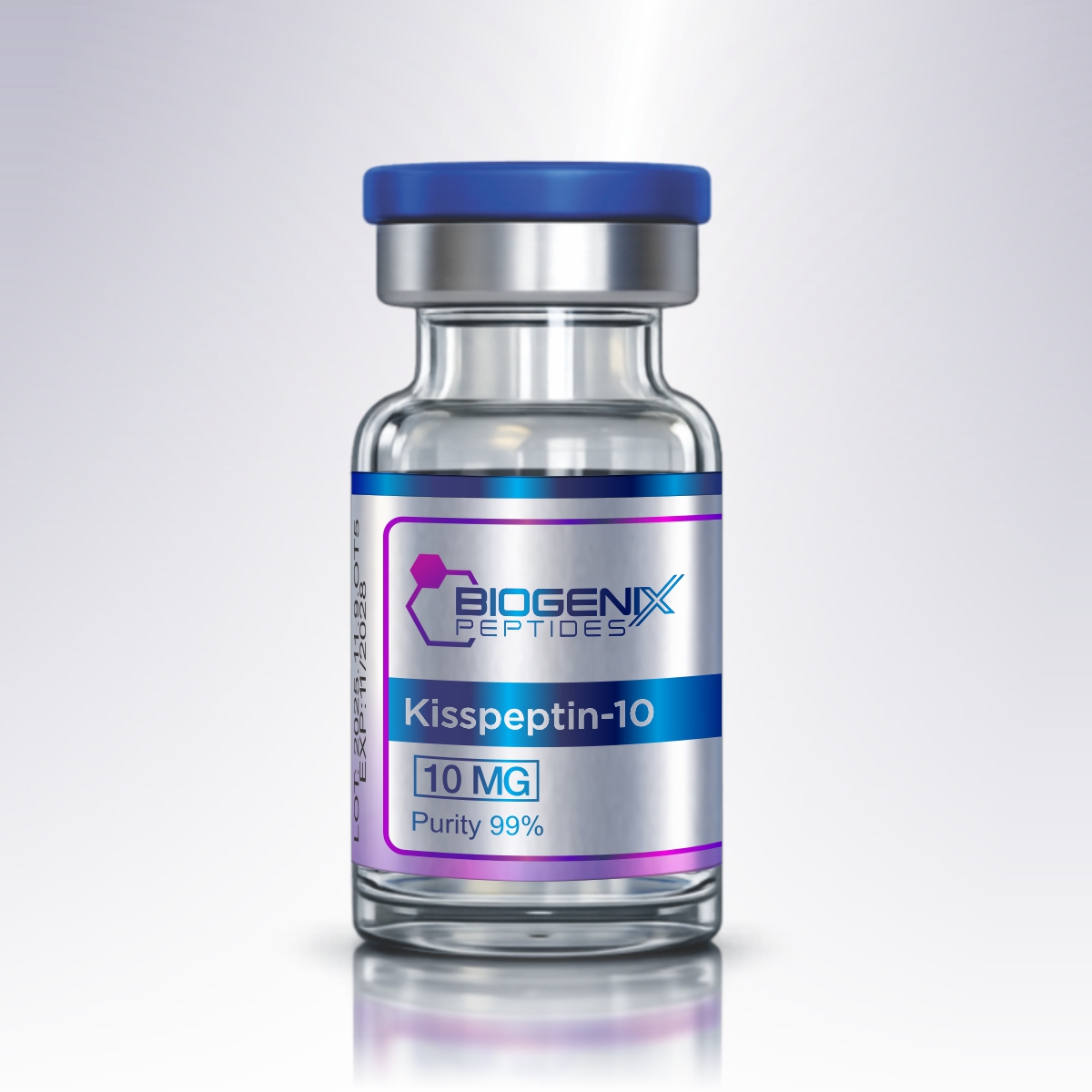
Kisspeptin-10 10mg
$68.00Kisspeptin-10 (KP-10) is a 10-amino-acid peptide fragment produced from the KISS1 gene, which was first identified for its role in metastasis suppression. The full KISS1 precursor protein is
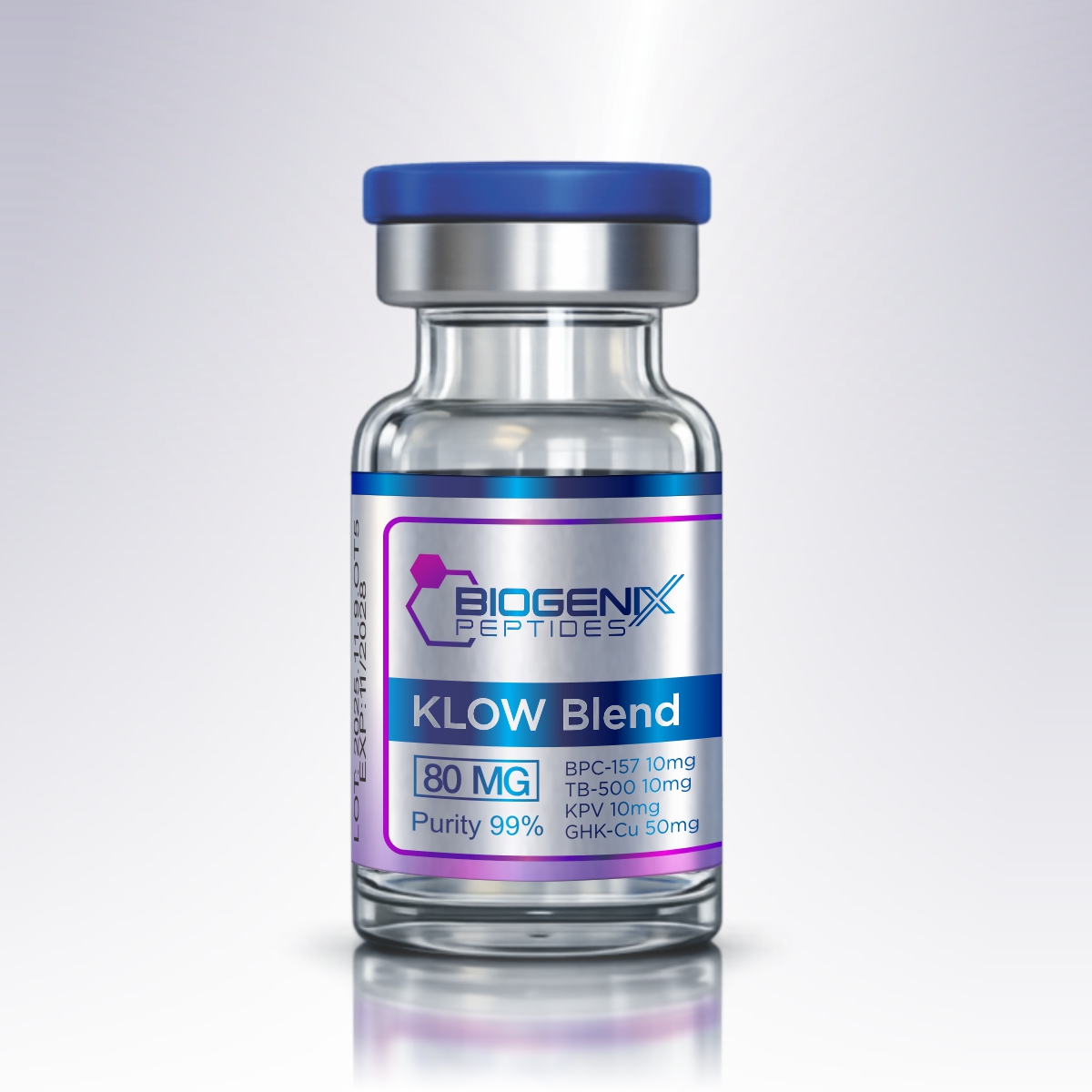
KLOW 80mg Blend
$176.00The KLOW blend pairs four research peptides with complementary roles in tissue protection and repair. BPC-157 supports soft-tissue healing, angiogenesis, and cytoprotection. TB-500
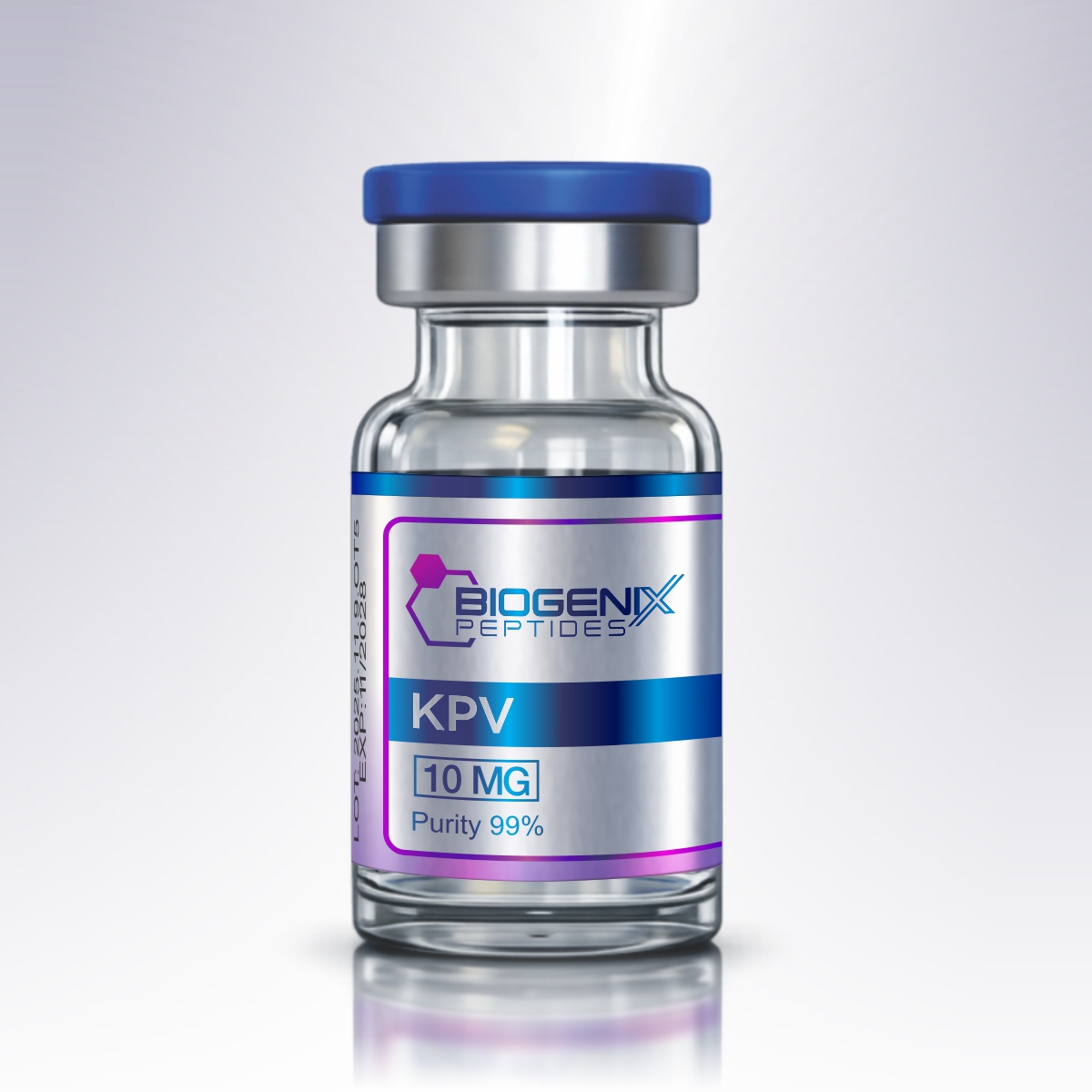
KPV 10mg
$48.00KPV is a short, naturally occurring tripeptide made from the amino acids lysine, proline, and valine. It is a small fragment of the larger hormone α-MSH, and researchers study KPV
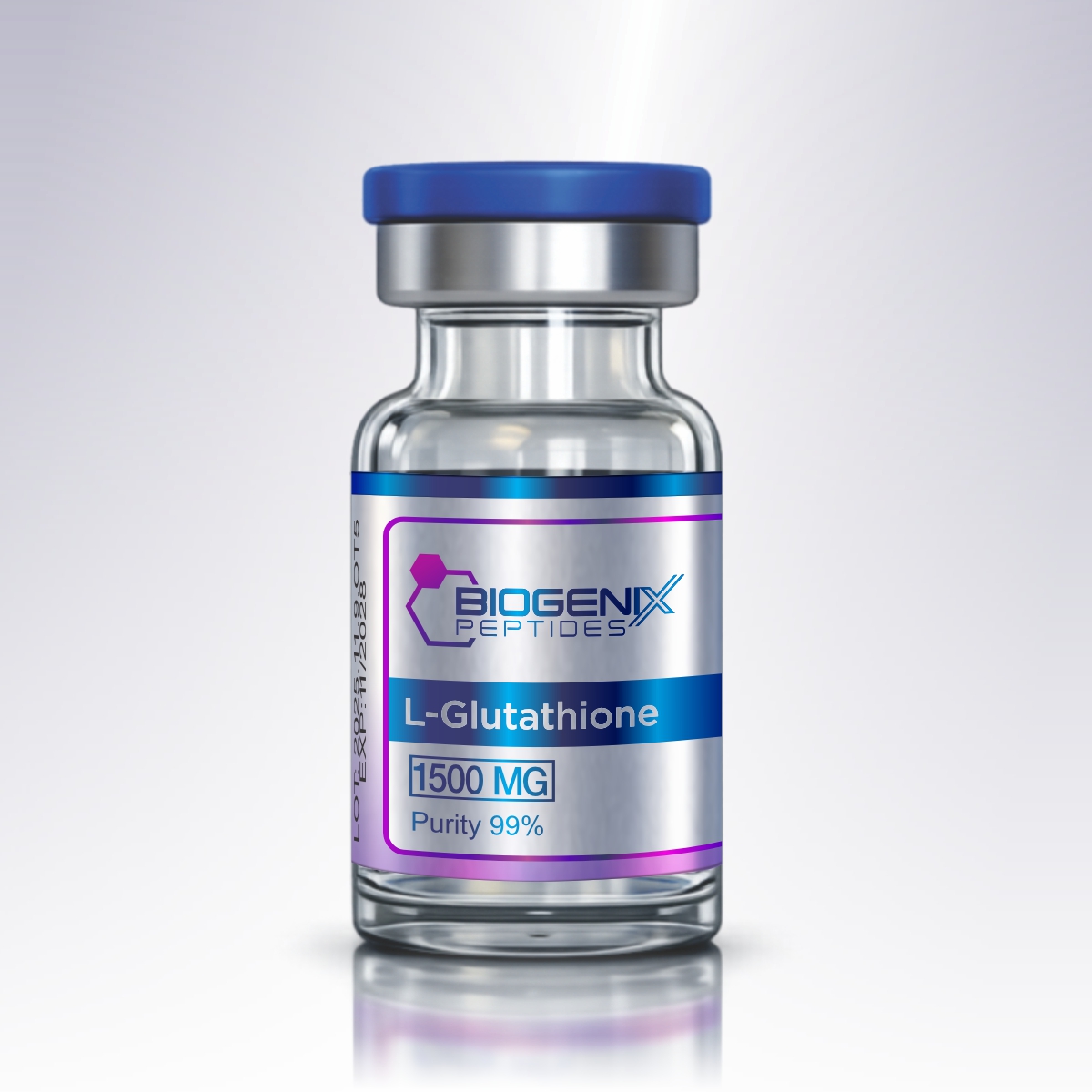
L-Glutathione 1500mg
$105.00L-Glutathione (GSH) is a tripeptide of glutamate, cysteine, and glycine, widely regarded as a key intracellular antioxidant. It functions as a cofactor for enzymes such as glutathione peroxidase
L-Glutathione 500mg
$48.00L-Glutathione (GSH) is a tripeptide of glutamate, cysteine, and glycine, widely regarded as a key intracellular antioxidant. It functions as a cofactor for enzymes such as glutathione peroxidase