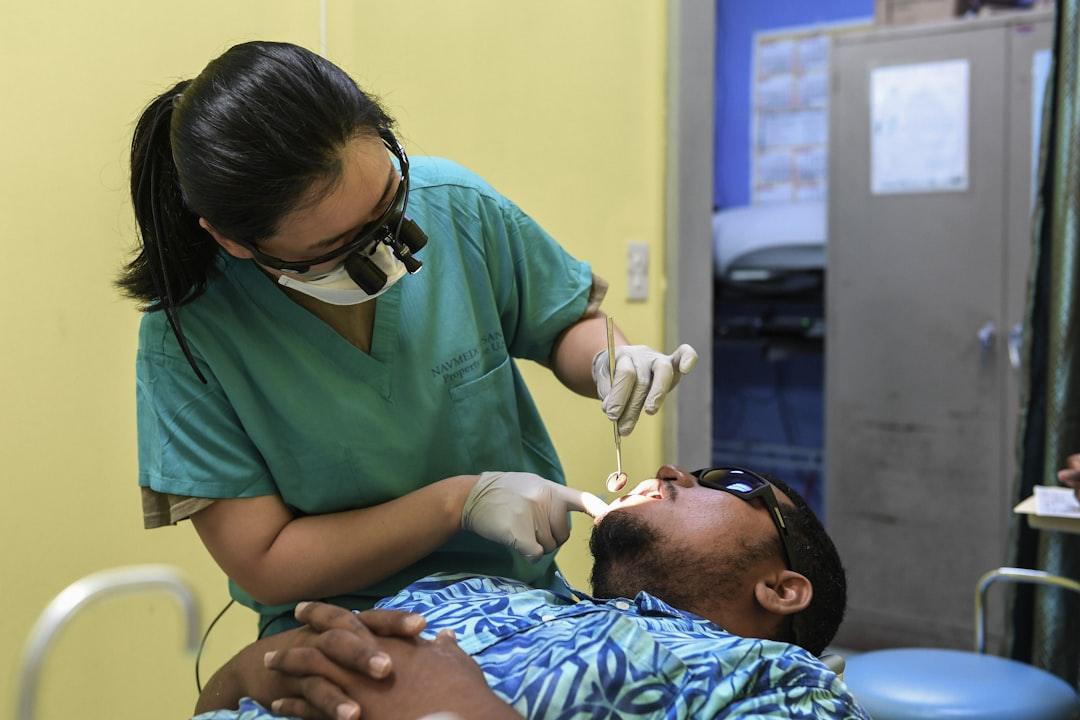
How to Protect Your Pearly Whites on GLP-1 Therapy
The Link Between GLP-1 Therapy and Your Dental Health
Disclaimer: The information provided in this article is for educational and informational purposes only. It is not intended as medical advice, diagnosis, or treatment. Products and compounds referenced are for research use only and are not approved for human or veterinary consumption. Always consult a qualified professional regarding health or medical decisions.

GLP-1 agonists dental health is a growing area of concern as millions of people now use medications like semaglutide (Ozempic, Wegovy) and tirzepatide (Mounjaro, Zepbound) for diabetes management and weight loss.
Here’s a quick overview of what the research shows:
| Oral Health Risk | Cause | Key Action |
|---|---|---|
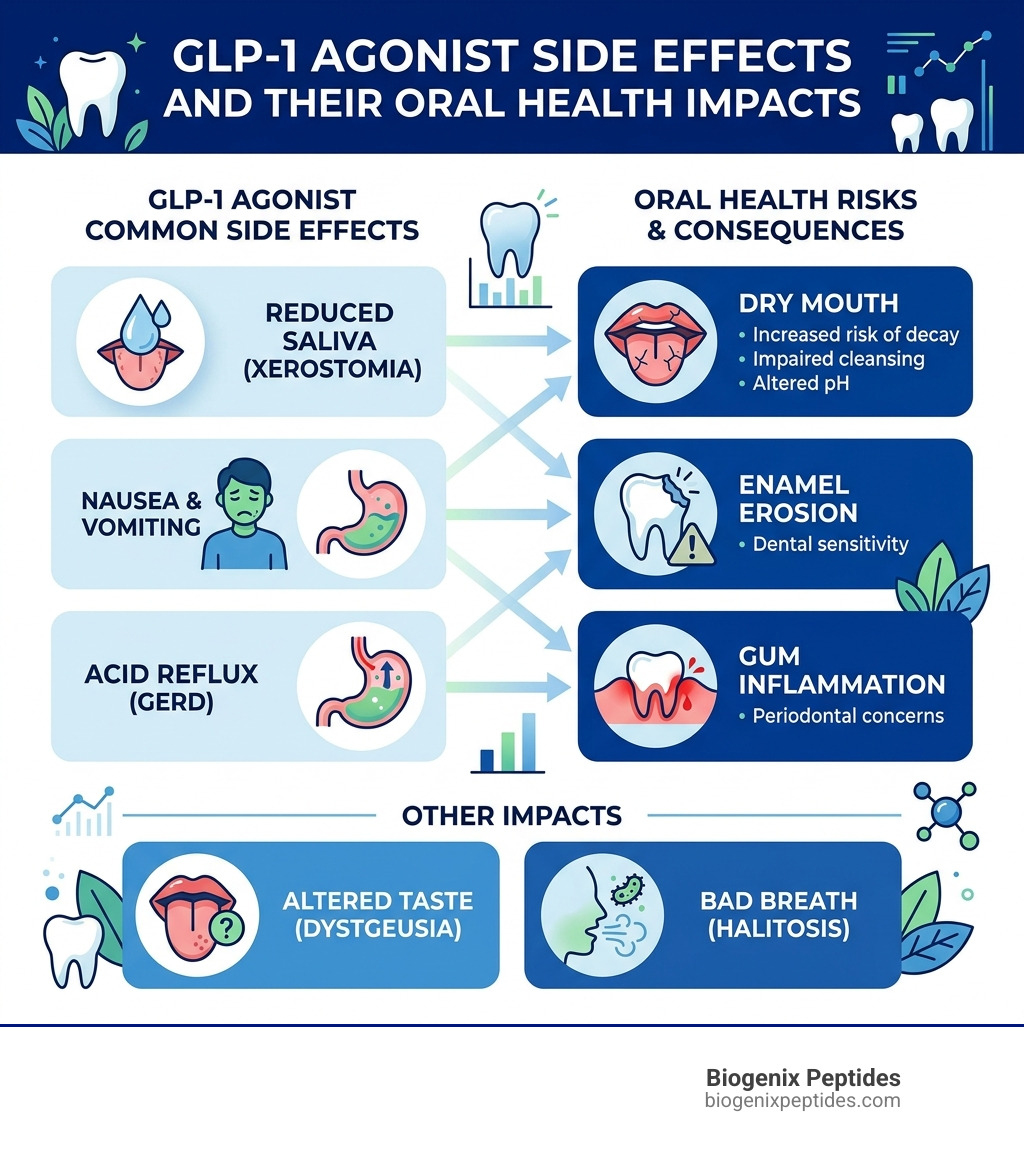
| Dry mouth (xerostomia) | Reduced salivary flow | Stay hydrated; use xylitol gum |
| Enamel erosion | Nausea, vomiting, acid reflux | Rinse with baking soda; delay brushing |
| Tooth decay & cavities | Low saliva, altered pH | Use fluoride toothpaste daily |
| Gum disease | Dry mouth, microbiome shifts | Floss daily; see dentist regularly |
| Bad breath (halitosis) | Reduced saliva, bacterial growth | Use alcohol-free mouthwash |
| Altered taste (“Ozempic tongue”) | GLP-1 receptors in taste buds | Monitor symptoms; consult dentist |
| Potential benefit | Improved glycemic control | Reduces periodontal inflammation |
GLP-1 receptor agonists don’t directly damage teeth. But their side effects — reduced saliva, nausea, appetite suppression, and dietary changes — can quietly create an environment where dental problems develop faster than most people expect.
Dentists are already seeing this play out in clinical settings. Patients are reporting new cavities despite solid hygiene routines, unexpected tooth sensitivity, and even fractures. The informal term “Ozempic teeth” has emerged on social media and in dental offices to describe this cluster of oral side effects — though it’s not an official medical diagnosis.
This guide breaks down exactly what’s happening in your mouth during GLP-1 therapy, and what the latest research says you can do about it.
I’m Jay Daniel, Founder and CEO of BioGenix Peptides and a dedicated researcher in peptide science, with a particular focus on how compounds like GLP-1 receptor agonists interact with systemic and oral health at the molecular level. My work tracking emerging research on GLP-1 agonists dental health puts me in a strong position to translate complex findings into clear, actionable guidance for researchers and health-curious individuals alike.
GLP-1 agonists dental health word list:
Understanding GLP-1 Agonists and Oral Health Risks
To understand the risks, we first have to look at what these compounds actually do. Glucagon-like peptide-1 (GLP-1) receptor agonists are a class of medications that mimic a natural hormone in our bodies. They are primarily used to manage Type 2 diabetes and obesity by enhancing insulin secretion, slowing down how fast the stomach empties (gastric emptying), and signaling the brain to feel full.
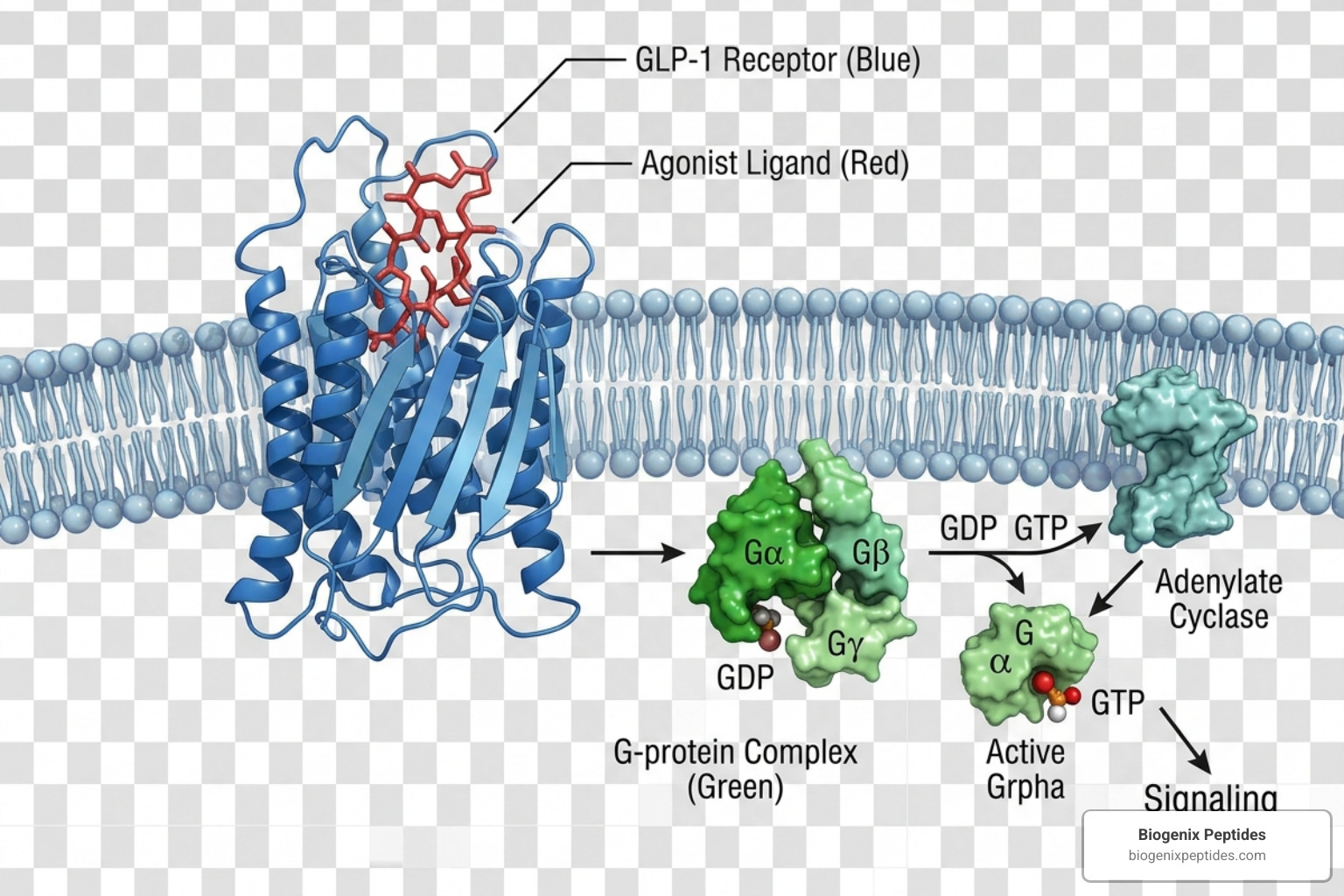
While these mechanisms are for metabolic health, they create a ripple effect that reaches the mouth. According to a review in the British Dental Journal, the exponential rise in the use of these peptides means dentists are seeing more patients with “Ozempic-related” oral issues. The GLP-1 incretin pathways explained help us see that these receptors aren’t just in the gut—they are found throughout the body, including the oral cavity.
Managing Dry Mouth and GLP-1 Agonists Dental Health
One of the most common issues we see in research is xerostomia, or chronic dry mouth. Saliva is the unsung hero of oral health; it buffers acids, washes away food debris, and provides essential minerals like calcium to remineralize enamel.
When you are on GLP-1 therapy, your body may produce less saliva. This happens partly because the medication suppresses thirst—making you drink less water—and partly because of the direct effect on salivary glands. Research in GLP-1 dual and triple agonist peptides suggests that as we move toward more potent molecules like retatrutide, monitoring these side effects becomes even more critical.
Without enough saliva, the mouth’s pH drops, becoming more acidic. This acidic environment is a playground for the bacteria that cause cavities and gum disease. A narrative review on semaglutide-related oral effects highlights that this shift in the oral microbiome is a primary driver of the dental decay seen in some patients.
Enamel Erosion and Gastrointestinal Side Effects
If dry mouth is the “silent” threat, gastrointestinal (GI) distress is the loud one. Nausea is reported in 16% to 20% of users, and vomiting occurs in roughly 5% to 9%. When you vomit, your teeth are bathed in stomach acid, which is incredibly corrosive.
Stomach acid has a very low pH, and it immediately softens the tooth enamel. If this happens frequently due to persistent nausea or acid reflux (another common side effect), the enamel begins to thin and erode. Experts warn in Healthline that once this enamel is gone, it does not grow back. This leads to increased sensitivity, yellowing (as the underlying dentin shows through), and a much higher risk of fractures.
Preventive Strategies for Maintaining GLP-1 Agonists Dental Health
Maintaining your smile while on GLP-1 therapy requires a proactive “defense-first” strategy. We can’t always stop the side effects, but we can protect the teeth from the consequences.
- Hyper-Hydration: Aim for 8 to 10 glasses of water daily. Since GLP-1s can mask your thirst cues, you have to drink even when you don’t feel like it.
- Saliva Stimulation: Use sugar-free gum or lozenges containing xylitol. Xylitol not only stimulates saliva but also inhibits the growth of cavity-causing bacteria.
- Fluoride is Your Friend: Use a high-quality fluoride toothpaste and consider an alcohol-free fluoride mouthwash. Fluoride helps remineralize the areas where acid has weakened the enamel.
- Research-Backed Repair: Emerging research on peptides for dental regeneration is looking into how specific sequences might help repair gum tissue and improve implant healing, which could be vital for patients experiencing bone density shifts.
Saliva Stimulants vs. Acid Neutralizers
| Tool | Purpose | Examples |
|---|---|---|
| Saliva Stimulants | Increase natural flow | Xylitol gum, OTC sprays, pilocarpine (if severe) |
| Acid Neutralizers | Balance mouth pH | Baking soda rinses, plain water, milk |
Handling Acid Exposure and “Ozempic Tongue”
If you do experience vomiting or severe acid reflux, your first instinct might be to brush your teeth immediately to get the taste out. Don’t do it. Brushing softened enamel can actually scrub the enamel away.
Instead, follow this protocol:
- Rinse Immediately: Use plain water or, better yet, a mixture of water and a teaspoon of baking soda to neutralize the acid.
- Wait 30-60 Minutes: Give your saliva time to naturally remineralize and “harden” the enamel before you pick up a toothbrush.
- Address “Ozempic Tongue”: Some patients report a metallic or bitter taste. This is often linked to dry mouth or the presence of GLP-1 receptors on the taste buds. Keeping the tongue clean with a gentle scraper and staying hydrated are the best ways to manage this. The NYS Dental Association emphasizes that these taste changes should be discussed with your dentist.
Nutritional Support for Tooth and Bone Density
Rapid weight loss—sometimes exceeding 10% of body weight in a year—can lead to unintended consequences for bone health. If you aren’t consuming enough protein, calcium, and Vitamin D, your body may begin to resorb bone, including the alveolar bone that holds your teeth in place.
We recommend following a GLP-1 guide to muscle and bone preservation to ensure you are getting adequate nutrients. Focus on:
- Calcium & Vitamin D: Essential for maintaining the jawbone and tooth structure.
- Protein: Critical for gum tissue health and repair.
- Magnesium: Works with calcium to keep enamel strong.
Clinical Considerations for GLP-1 Agonists Dental Health
If you are planning a dental procedure, especially one involving sedation, your GLP-1 status is vital information for your dentist.
Gastroparesis and Sedation Risks
One of the more serious clinical risks is gastroparesis (delayed stomach emptying), which affects about 5% of GLP-1 users. Because food stays in the stomach longer, there is a significantly higher risk of pulmonary aspiration during sedation or general anesthesia—even if you followed the standard “no food after midnight” rule.
The American Dental Association (ADA) recommends that patients on these medications have a thorough pre-assessment before any procedure involving sedation. In some cases, your dentist may suggest local anesthesia or nitrous oxide as safer alternatives.
Periodontal Benefits and Glycemic Control
It’s not all bad news! There is a silver lining for GLP-1 agonists dental health. There is a well-known “bidirectional” relationship between diabetes and gum disease; uncontrolled blood sugar makes gum disease worse, and gum disease makes blood sugar harder to control.
By improving glycemic control, GLP-1s can actually reduce systemic inflammation. A scoping review in Frontiers suggests that these pathways could be a “new frontier” in treating periodontitis. Patients with diabetes often see an improvement in gum healing and a reduction in bleeding once their blood sugar stabilizes on these medications.
Orthodontic and Implant Research
If you are considering braces or dental implants, be aware that rapid weight loss and changes in bone metabolism might affect your progress. Some early research suggests that GLP-1s could potentially slow down the movement of teeth during orthodontic treatment. Furthermore, maintaining bone density is crucial for “osseointegration”—the process where a dental implant fuses with your jawbone. This is why doctors are so focused on GLP-1 receptor agonists; they affect almost every system in the body, including how our bones remodel.
Frequently Asked Questions about GLP-1 Oral Side Effects
What exactly is “Ozempic Teeth”?
“Ozempic Teeth” is a non-medical term used to describe a cluster of dental issues reported by some GLP-1 users. These include rapid-onset cavities, extreme tooth sensitivity, and enamel erosion. As Blende Dental Group notes, the medication doesn’t “attack” the teeth; rather, side effects like dry mouth and vomiting create a “perfect storm” for decay.
How often should I see a dentist while on GLP-1 therapy?
While the standard is twice a year, many experts now recommend visiting the dentist every three to four months while on GLP-1 therapy. More frequent professional cleanings can help catch enamel thinning or gum inflammation before they become permanent problems. This proactive approach is highlighted in recent dental health blogs.
Can GLP-1 medications cause bad breath?
Yes, halitosis is a frequent complaint. This usually stems from two things:
- Dry Mouth: Without saliva to wash away bacteria, they multiply and produce foul-smelling gases.
- Ketosis or Gastric Issues: Changes in metabolism or delayed stomach emptying can lead to “breath changes” that originate in the gut or from the burning of fat.
Conclusion
At Biogenix Peptides, we believe that understanding the full scope of peptide research is the key to better outcomes. While GLP-1 receptor agonists offer incredible benefits for metabolic health, the oral cavity cannot be ignored. By staying hydrated, practicing meticulous hygiene, and maintaining a close relationship with your dental professional, you can protect your pearly whites while pursuing your health goals.
The “Ozempic teeth” phenomenon serves as a reminder that oral health is systemic health. As we continue to explore GLP-1 research categories, we remain committed to providing the data you need to stay ahead of these emerging trends. Don’t let your dental health be an afterthought—be proactive, stay informed, and keep smiling.