
Peptides in Scientific Research Archives - BioGenix Peptides™
New Enzyme-Based Chemistry Is Making Peptides More Stable

New Enzyme-Based Chemistry Is Making Peptides More Stable

Why Structural Optimization Is the Next Major Breakthrough in Peptide Research Research Use Only DisclaimerThis content is provided for educational and informational purposes only and reflects theoretical and preclinical research discussions related to peptides, biochemistry, and molecular engineering. It does not constitute medical advice and is not intended for human or animal use. Introduction: The

SS-31 (Elamipretide): A Mitochondrial Inner-Membrane Stabilizer

SS-31 (Elamipretide): A Mitochondrial Inner-Membrane Stabilizer

Structural integrity, energetic fidelity, and the foundation of cellular performance (research overview) Research Use Only Disclaimer: This article is provided for educational and informational purposes only and reflects theoretical and preclinical research discussions related to mitochondrial biology and peptide science. It does not constitute medical advice. All compounds discussed are intended strictly for research, laboratory,

LL-37 (Human Cathelicidin): A Multifunctional Host-Defense Peptide at the Center of Innate Immune Research

LL-37 (Human Cathelicidin): A Multifunctional Host-Defense Peptide at the Center of Innate Immune Research

Research Use Only DisclaimerThis article is provided for informational and educational purposes only and reflects theoretical, research-focused discussions related to peptides, immunology, and biochemical signaling pathways. It does not constitute medical advice, diagnosis, or treatment. All compounds referenced are intended strictly for research, laboratory, and analytical use only and are not for human or animal

Receptors Matter More Than Exposure: Downregulation, Desensitization, and Under-Stimulation

Receptors Matter More Than Exposure: Downregulation, Desensitization, and Under-Stimulation

Understanding receptor downregulation, desensitization, resensitization, and under-stimulation in peptide-relevant signaling research. Research & Educational Use Only This content is provided for informational and educational discussion related to biochemistry and receptor signaling in a research context. It does not constitute medical advice, diagnosis, or treatment, and should not be interpreted as such. All products referenced by

5-Amino-1MQ: The Adipose-Signaling Compound Redefining Metabolic Research

5-Amino-1MQ: The Adipose-Signaling Compound Redefining Metabolic Research

A research-focused, mechanism-first overview of NNMT inhibition, adipocyte signaling, and the cellular efficiency conversation. Research Use Only: This content is provided for informational and educational purposes only and reflects theoretical research discussions related to biochemistry and metabolic signaling. It is not medical advice. Not for human or animal use. Introduction: Beyond Calories and Stimulants Metabolic

Why Research Peptides Are Typically Lyophilized — and How This Benefits Research

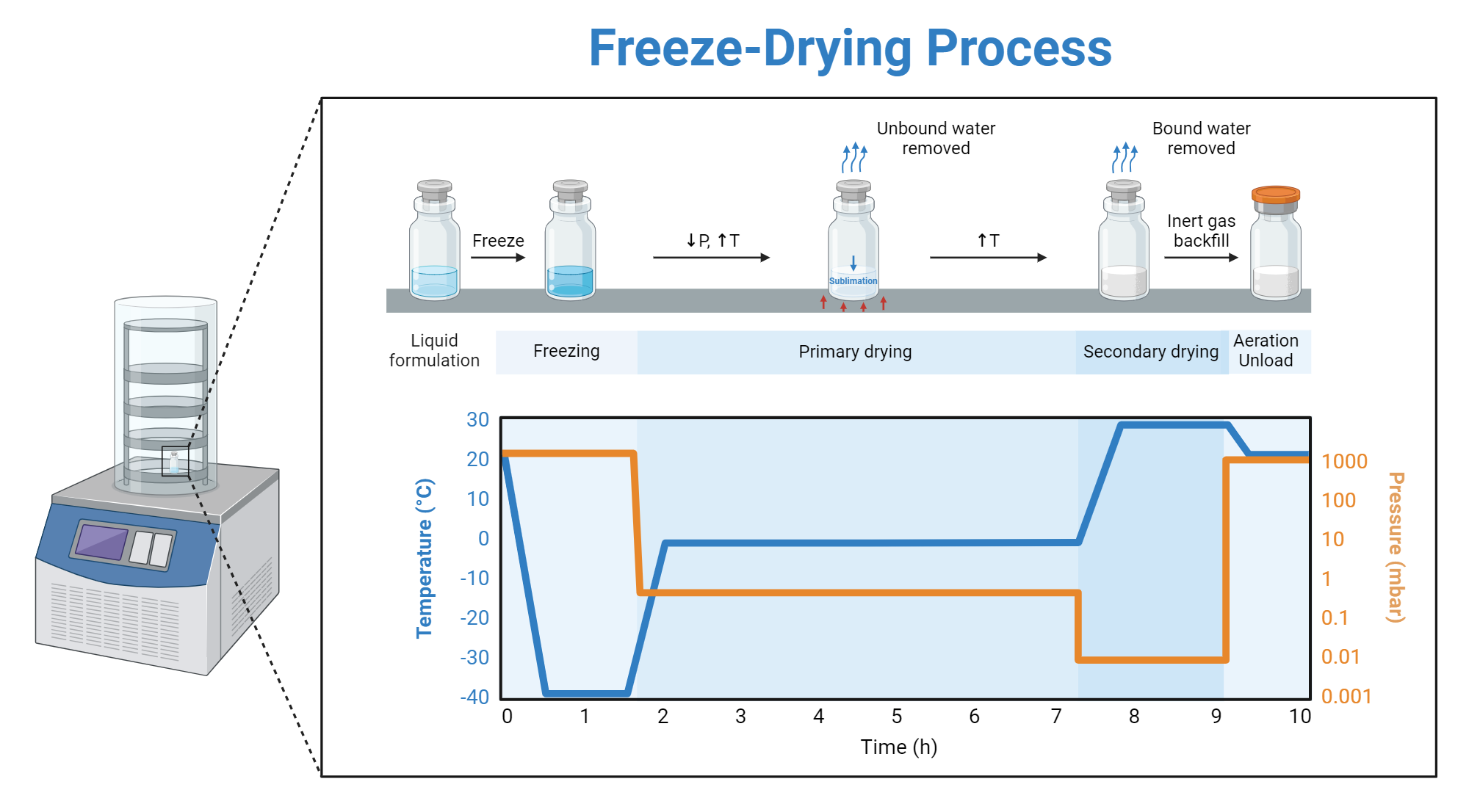
Why Research Peptides Are Typically Lyophilized — and How This Benefits Research

For educational and theoretical research discussion only. This content does not constitute medical advice and does not imply human or animal use. What Does “Lyophilized” Mean? Most high-quality research peptides are supplied in a lyophilized (freeze-dried) form rather than as a liquid. Lyophilization is a preservation process in which water is removed from a compound

The Entero-Mitochondrial Loop: How Gut Peptides Control Cellular Energy Output

The Entero-Mitochondrial Loop: How Gut Peptides Control Cellular Energy Output

The Entero-Mitochondrial Loop: How Gut Peptides Control Cellular Energy OutputResearch & Educational Use OnlyThe information in this article is intended solely for theoretical research discussion and educational purposes. It does not constitute medical, clinical, or therapeutic advice. Any compounds mentioned are discussed in the context of laboratory, in-vitro, and non-human research only and are not

Peptides That Talk to Fat Cells:

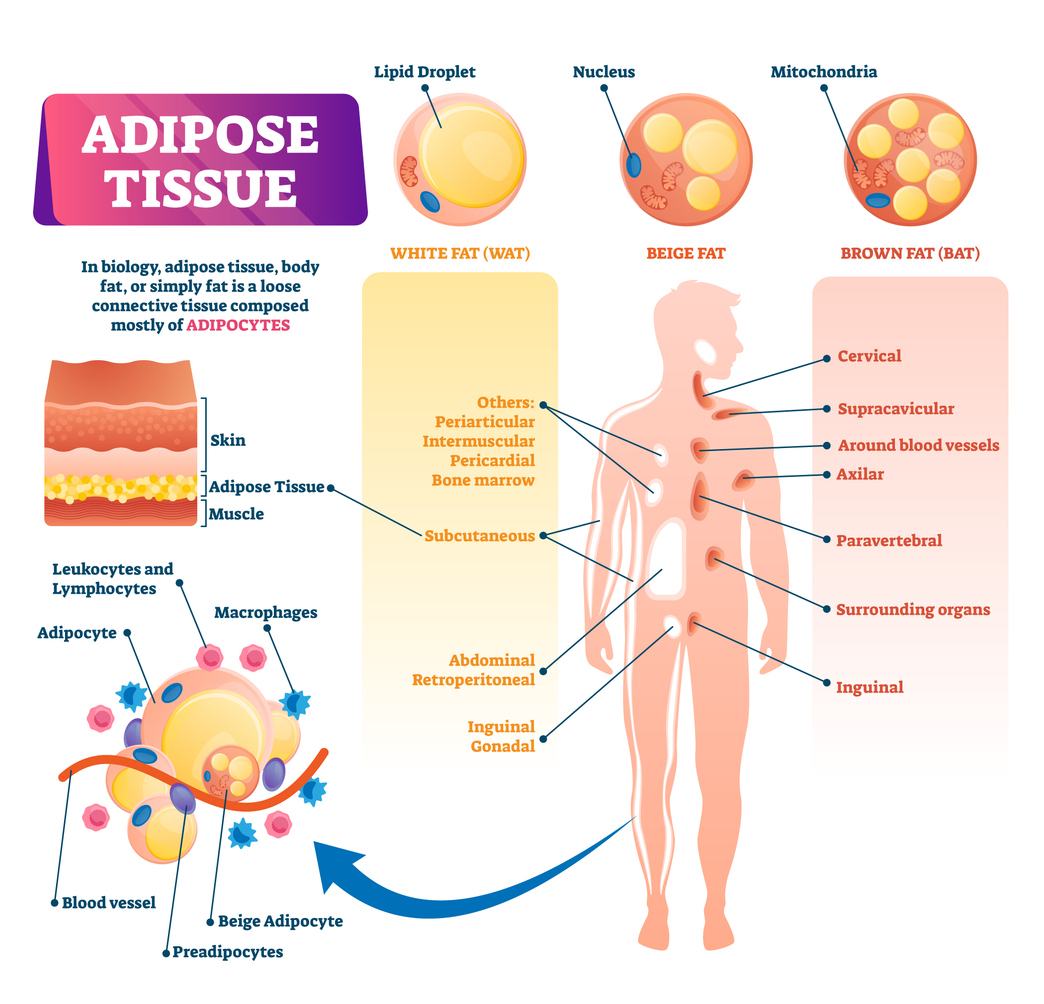
Peptides That Talk to Fat Cells:

The New Frontier of Adipose Tissue Signaling How adipose tissue acts as an endocrine organ — and why peptides that influence fat-cell signaling are redefining metabolic research. Research Disclaimer: This content is provided for educational and informational purposes only and reflects theoretical and ongoing research related to peptides, adipose tissue biology, and metabolic signaling pathways.

How Environmental Stress Changes Peptide Responsiveness:

How Environmental Stress Changes Peptide Responsiveness:

Research Disclaimer: The following content is provided for informational and educational purposes only. It reflects theoretical and ongoing research discussions related to peptides, cellular stress biology, and biochemical signaling. This content does not constitute medical advice and is not intended for human or animal use. The Stress-Adaptive Model Why peptides behave differently under cold exposure,