
5-Amino-1MQ: The Adipose-Signaling Compound Redefining Metabolic Research
A research-focused, mechanism-first overview of NNMT inhibition, adipocyte signaling, and the cellular efficiency conversation.
Research Use Only: This content is provided for informational and educational purposes only and reflects theoretical research discussions related to biochemistry and metabolic signaling. It is not medical advice. Not for human or animal use.
Introduction: Beyond Calories and Stimulants
Metabolic research has steadily moved from “how much energy is used” toward “how cells decide to use it.” One compound increasingly discussed in this newer frame is 5-Amino-1MQ, a small-molecule research compound studied for its interaction with nicotinamide N-methyltransferase (NNMT).
Unlike incretin-pathway agents or stimulant-style compounds, 5-Amino-1MQ is often positioned in research discussions as a tool for exploring intracellular enzyme modulation and downstream metabolic signaling, rather than acute systemic stimulation.
What Is 5-Amino-1MQ?
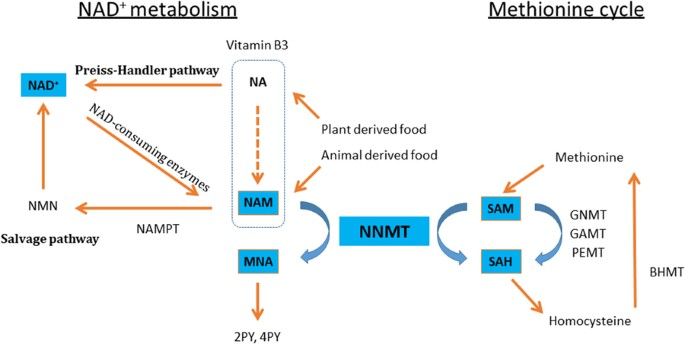
5-Amino-1MQ (5-Amino-1-methylquinolinium) is a small-molecule research compound frequently discussed as an NNMT inhibitor. NNMT is expressed in multiple tissues and is studied in relation to adipose biology, metabolic efficiency signaling, and NAD⁺-adjacent pathways.
In simplified terms: researchers are interested in whether modifying NNMT activity changes downstream cellular behavior in controlled models, including how adipose tissue handles and signals energy state.
Product Link→ 5-AMINO-1MQ
Understanding NNMT: The Enzyme at the Center of the Conversation
NNMT participates in nicotinamide methylation. In several research contexts, altered NNMT activity is discussed alongside adipocyte expansion, metabolic inflexibility, and shifts in intracellular energy partitioning. This is why NNMT inhibition is often explored as a way to investigate how adipose tissue “decides” what to do with incoming energy at the cellular level.
Importantly, outcomes are model-dependent and should be interpreted through validated assays, appropriate controls, and careful study design.
5-Amino-1MQ and Adipose Tissue Signaling
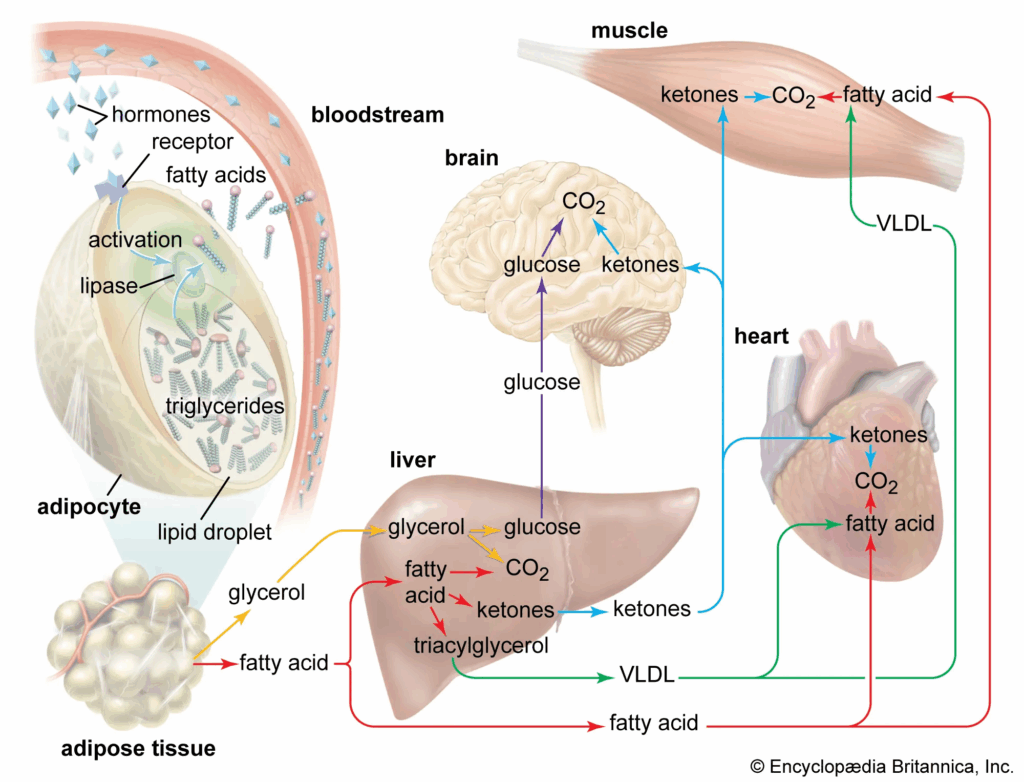
Adipose tissue is not just passive storage. It functions as an active signaling organ that communicates with other systems involved in metabolism, including liver and skeletal muscle, and interacts with cellular energy systems such as mitochondria.
Common research themes
- Metabolic flexibility: how cells shift between glucose and fatty-acid utilization under changing conditions.
- Energy partitioning: intracellular decisions about storage versus oxidation pathways (assay- and model-dependent).
- Cross-tissue signaling: adipose-mediated signaling that influences system-level metabolic context in research models.
How 5-Amino-1MQ Differs from Incretin-Pathway Agents and Stimulants
A frequent misconception is grouping 5-Amino-1MQ with incretin-pathway agents or stimulant-style compounds. In many research discussions, it is positioned differently: as a tool for probing intracellular enzyme modulation and downstream metabolic signaling, rather than acute systemic stimulation.
This distinction matters because the research framing is typically “enzyme target → downstream cellular effects,” not “system-wide stimulation.”
NNMT, NAD⁺, and Mitochondrial Crosstalk
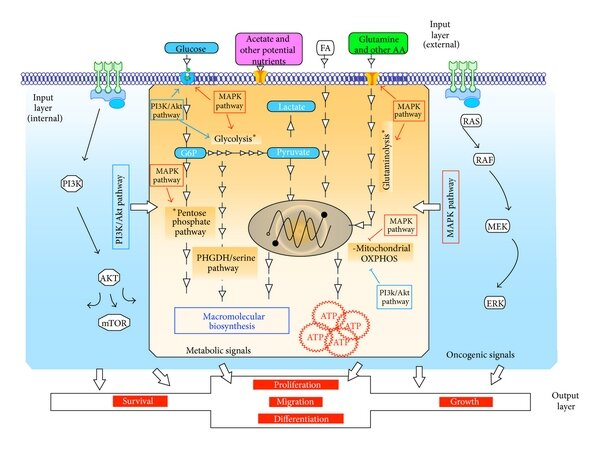
One of the most compelling research angles involves the conceptual NNMT–NAD⁺–mitochondria axis. Because NAD⁺-adjacent pathways intersect with many cellular stress-response systems, NNMT modulation is often discussed alongside hypotheses about redox balance and mitochondrial efficiency.
These relationships remain context-dependent and are interpreted through validated assays, appropriate controls, and model-specific experimental design.
Research Handling Notes: Purity, Documentation, and Interpretation
Because NNMT inhibition outcomes can be sensitive to dose/exposure and experimental design, consistent documentation and analytical verification (for identity/purity) help reduce variability across research workflows.
- Confirm identity and purity using COA-supported analytical methods (e.g., HPLC and MS).
- Maintain consistent storage and handling procedures aligned to your lab SOPs.
- Interpret outcomes through validated assays with appropriate controls.
Conclusion: A “Cell Efficiency” Lens for Metabolic Research
The growing interest in 5-Amino-1MQ reflects a broader shift in metabolic science: from forcing systemic metabolism to work harder, toward exploring how cells regulate efficiency and signaling internally. In many research discussions, NNMT inhibition is positioned as a tool for investigating adipose signaling, metabolic flexibility, and NAD⁺-adjacent pathways—without relying on acute stimulation frameworks.
Product Link→ 5-AMINO-1MQ
Peer-Reviewed References
While peer-reviewed literature primarily characterizes NNMT inhibition using related quinolinium-based inhibitors such as 1-methylquinolinium, 5-Amino-1MQ is discussed in research contexts as a structurally related analog used to explore similar NNMT-associated pathways. Direct compound-specific data remain limited and model-dependent.
- Kraus D, Yang Q, Kong D, et al. Nicotinamide N-methyltransferase knockdown protects against diet-induced obesity. Nature. 2014;508(7495):258–262. doi:10.1038/nature13198.
PMC | PubMed - Ulanovskaya OA, Zuhl AM, Cravatt BF. NNMT promotes epigenetic remodeling by creating a metabolic methylation sink. Nature Chemical Biology. 2013.
PubMed - Kannt A, Pfenninger A, Teichert L, et al. A small-molecule inhibitor of nicotinamide N-methyltransferase for metabolic research. Scientific Reports. 2018;8:3660.
Journal | PubMed - Neelakantan H, Wang H-Y, Vance V, et al. Structure–activity relationships of small-molecule NNMT inhibitors. Journal of Medicinal Chemistry. 2017. doi:10.1021/acs.jmedchem.7b00389.
PubMed - Babault N, Allali-Hassani A, Li F, et al. Discovery of bisubstrate inhibitors of nicotinamide N-methyltransferase. Journal of Medicinal Chemistry. 2018.
PMC - Verdin E. NAD+ in aging, metabolism, and neurodegeneration. Science. 2015;350(6265):1208–1213. doi:10.1126/science.aac4854.
PubMed - Cantó C, Menzies KJ, Auwerx J. NAD+ metabolism and the control of energy homeostasis. Cell Metabolism. 2015.
PubMed - Gao Y, Martin NI. Nicotinamide N-methyltransferase (NNMT): an emerging therapeutic target. Drug Discovery Today. 2021.
Journal
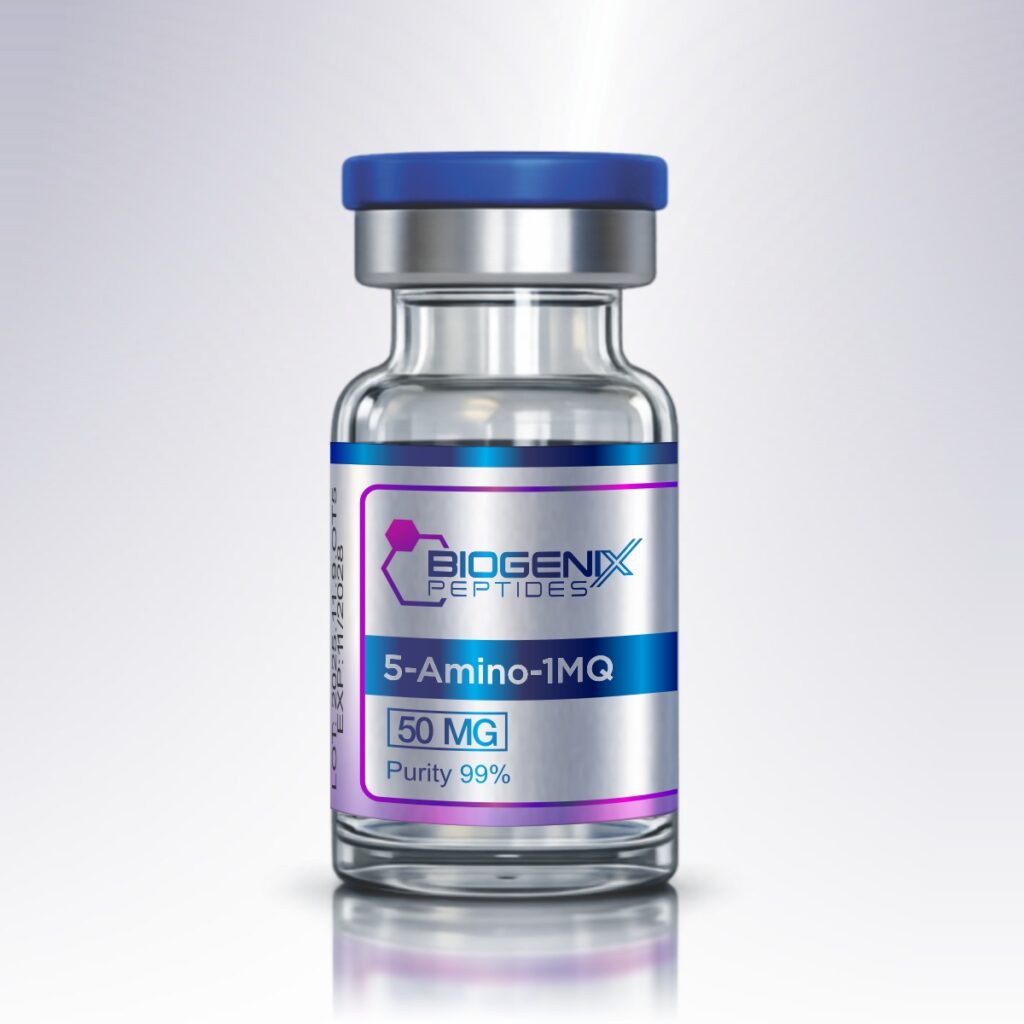
5-Amino-1MQ 50mg
5-Amino-1MQ is a small-molecule research compound investigated for its effects on cellular energy balance and fat metabolism. Unlike retail capsule formulations, this overview pertains to the lyophilized powder presentation intended for controlled laboratory work. The compound is best known as an inhibitor of nicotinamide N‑methyltransferase (NNMT), an enzyme implicated in adipose tissue energy handling and nicotinamide adenine dinucleotide (NAD+) turnover.
In Stock
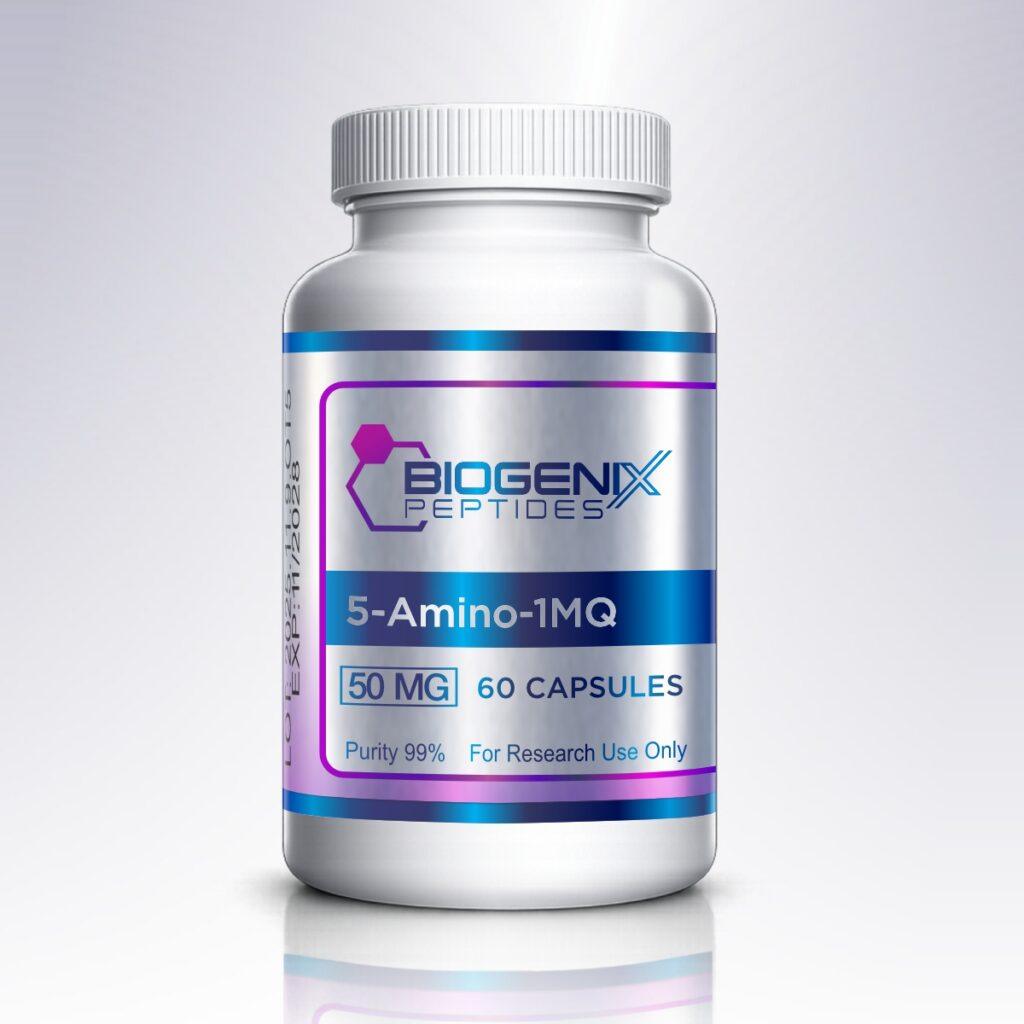
5-Amino-1MQ 50mg (60 Capsules)
5-Amino-1MQ is a small-molecule NNMT inhibitor researched for its potential role in regulating energy balance, metabolic function, and adiposity. While the compound is also available in lyophilized powder form for direct lab use, this version provides an overview for the encapsulated format commonly studied in controlled research settings. Encapsulation enables consistent dosing, stability, and convenient handling when incorporated into preclinical protocols.
In Stock