The Clinically Guided CJC 1295 Ipamorelin Dosage Guide
Disclaimer: The information provided in this article is for educational and informational purposes only. It is not intended as medical advice, diagnosis, or treatment. Products and compounds referenced are for research use only and are not approved for human or veterinary consumption. Always consult a qualified professional regarding health or medical decisions.
What Researchers Need to Know About CJC 1295 Ipamorelin Research Protocols
Disclaimer: The information provided in this article is for educational and informational purposes only. It is not intended as medical advice, diagnosis, or treatment. Products and compounds referenced are for research use only and are not approved for human or veterinary consumption. Always consult a qualified professional regarding health or medical decisions.
A commonly referenced CJC-1295/Ipamorelin research protocol in experimental contexts is 100–300 mcg of each peptide, administered subcutaneously on an empty stomach, typically once daily before sleep, following a 5-days-on/2-days-off weekly schedule.
Quick-reference research protocol summary:
| Parameter | Common Research Range |
|---|---|
| CJC-1295 (No DAC) quantity | 100–300 mcg |
| Ipamorelin quantity | 100–300 mcg |
| Frequency | Once or twice daily |
| Weekly schedule | 5 days on / 2 days off |
| Cycle length | 8–16 weeks on |
| Washout period | 4–8 weeks off |
| Timing | Empty stomach, before sleep |
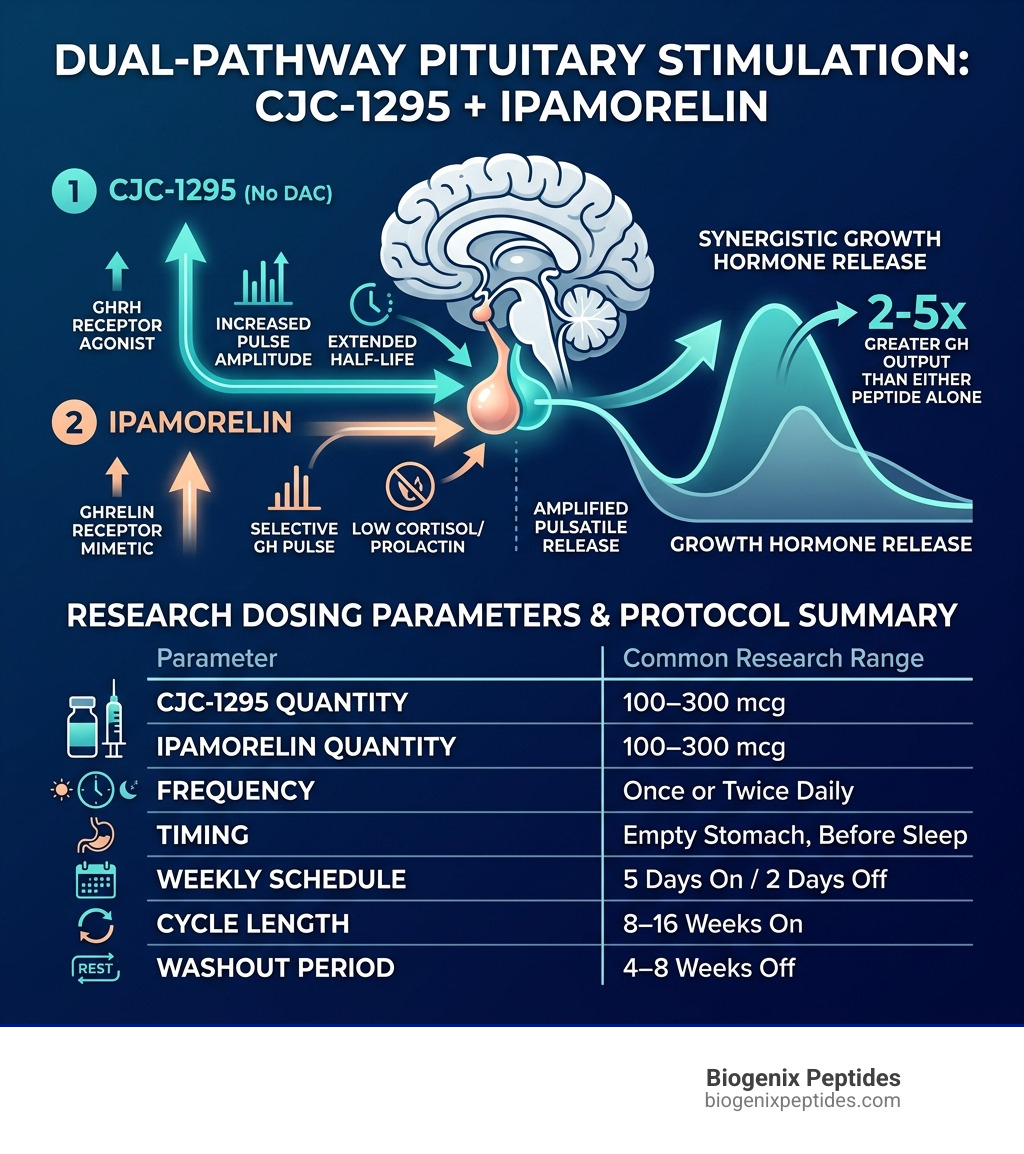
As of April 2026, the CJC-1295 and Ipamorelin peptide combination remains one of the most widely studied growth hormone secretagogue stacks in peptide research. These two compounds operate through completely different receptor pathways — CJC-1295 as a GHRH analog and Ipamorelin as a ghrelin receptor mimetic — yet their mechanisms converge on the same research outcome: amplified, pulsatile growth hormone release from the pituitary gland.
Research data from controlled clinical trials suggests a single administration of CJC-1295 may increase mean plasma GH concentrations by 2- to 10-fold for six days or more, while Ipamorelin appears to add a selective GH pulse without elevating cortisol or prolactin in study settings. The combined effect of studying both compounds together has been estimated in research discussions to produce 2–5x greater GH output than either peptide studied alone.
Understanding the precise quantities, timing, and cycle structures described in published research is essential for researchers working with these compounds. Getting these parameters wrong can blunt study outcomes or introduce confounding variables.
I’m Jay Daniel, Founder and CEO of BioGenix Peptides and a dedicated researcher in peptide science, with years of hands-on experience analyzing CJC 1295 Ipamorelin research protocols across laboratory and clinical literature. The sections below summarize what the research and published commentary indicate for educational purposes only and should not be interpreted as medical guidance or human-use instruction.
Understanding the Synergy: CJC-1295 and Ipamorelin Mechanisms
To understand why CJC-1295 and Ipamorelin research protocols are structured the way they are, we must look at the molecular dance occurring within the pituitary gland. In research commentary, this pairing is often described as “pressing play while turning up the volume.”
GHRH Analogs: The Role of CJC-1295
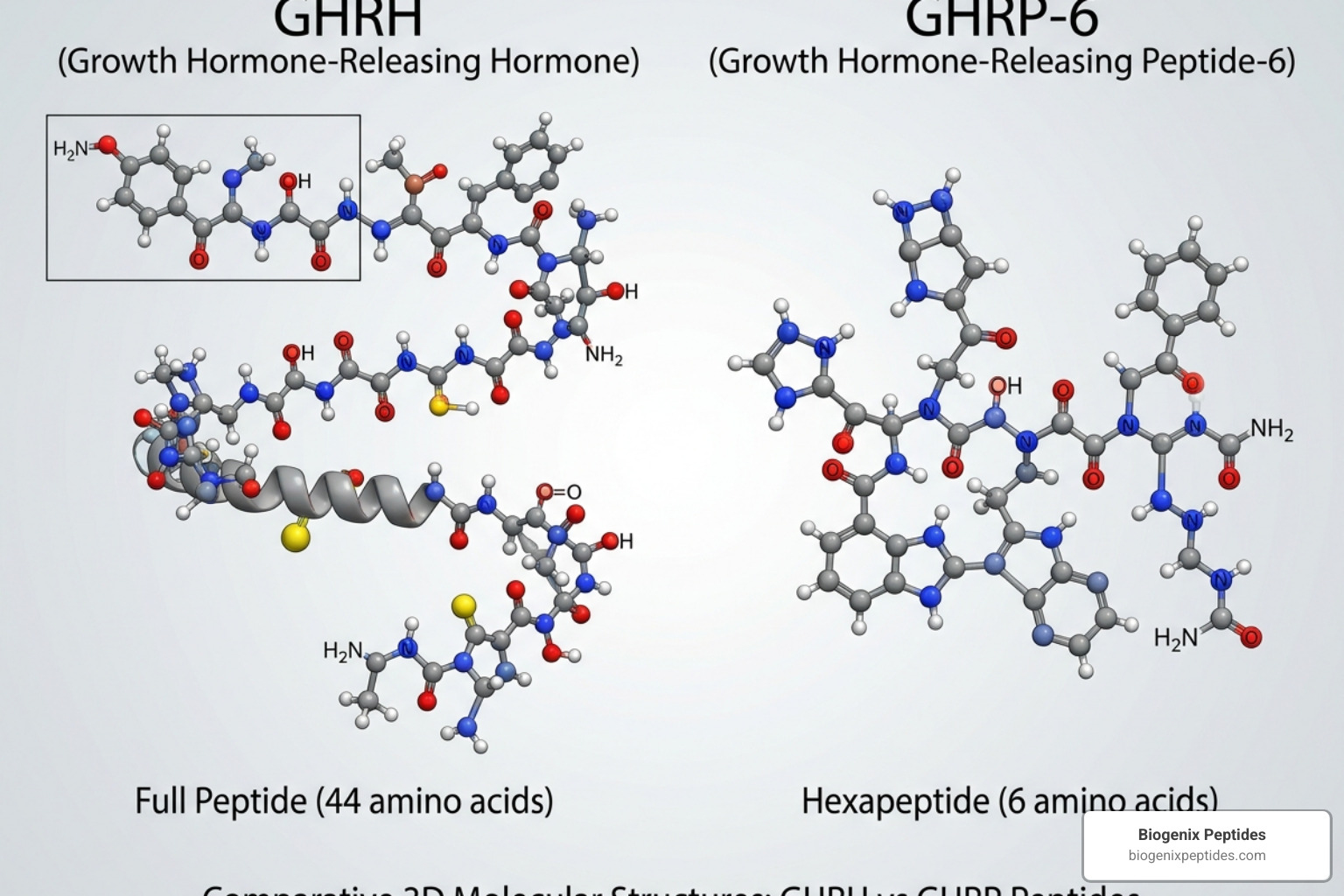
CJC-1295 is a synthetic analog of Growth Hormone-Releasing Hormone (GHRH). In research models, it acts as the “volume knob.” By binding to GHRH receptors, it appears to increase the amplitude of growth hormone pulses. Our CJC-1295 No DAC Ipamorelin Blend focuses on the “No DAC” version, also known as Mod GRF 1-29. This specific form is often preferred in studies because it more closely mimics natural pulsatile GH signaling, rather than creating a constant background elevation.
Ghrelin Receptor Mimetics: The Role of Ipamorelin
If CJC-1295 is the volume, Ipamorelin is the “play button.” As a selective ghrelin receptor agonist, Ipamorelin appears to initiate the GH pulse itself in research settings. Unlike earlier generations of peptides like GHRP-2 or GHRP-6, Ipamorelin is considered highly selective in the literature. It has been studied for pituitary stimulation without significant spikes in cortisol or prolactin. This makes it a comparatively “clean” tool for researchers.
When these two pathways are stimulated simultaneously, the result appears synergistic in experimental literature. Published commentary suggests that the combined effect may be significantly more potent than either compound studied alone. For a deeper dive into these pathways, you can explore our guide on HGH Secretagogues: The Most Misunderstood Pathway to Growth Hormone Optimization.
Establishing a Standard CJC 1295 Ipamorelin Protocol for Research
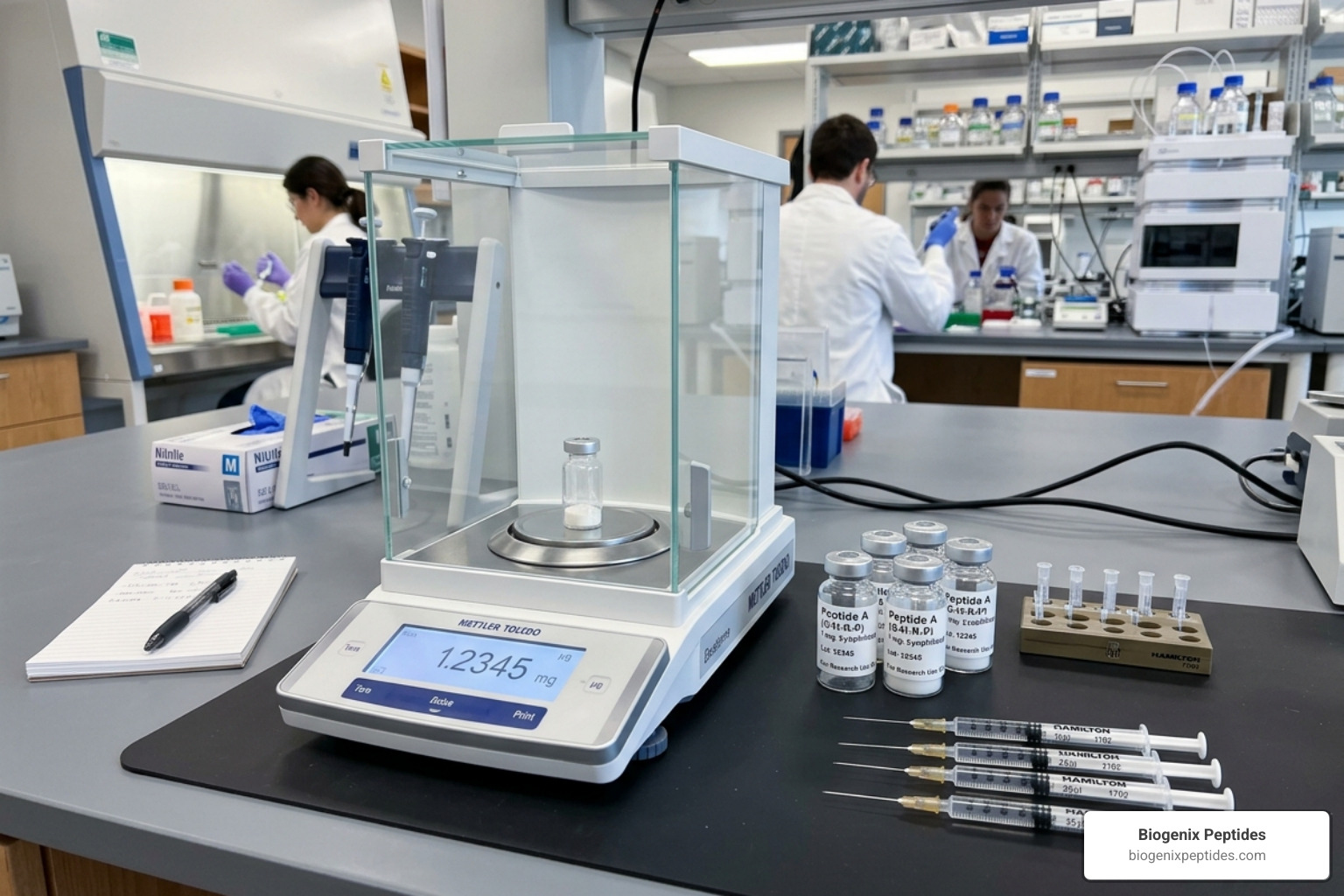
In the lab, precision is everything. When discussing CJC-1295 and Ipamorelin research protocols, quantities are measured in micrograms (mcg), not milligrams (mg). This requires careful reconstitution and mathematics.
Reconstitution Mathematics
Peptides typically arrive as a lyophilized (freeze-dried) powder. To make them research-ready, they must be reconstituted with bacteriostatic water. The amount of water added determines the concentration per unit. For instance, if you have a 5mg/5mg blend vial and add 2mL of water, every 0.1mL (10 units on a standard syringe) will contain 250mcg of each peptide.
We have detailed the exact steps in our guide on Reconstituting Lyophilized Peptides Step-by-Step. It is vital to use high-quality diluents; as we often say, Bacteriostatic Water for Research: Don’t Let Your Research Go Down the Drain.
DAC vs. No DAC: Research Requirements
A common point of confusion in research is the “DAC” (Drug Affinity Complex) modifier. DAC extends the half-life of CJC-1295 significantly, but it changes the physiological nature of the GH release.
| Feature | CJC-1295 (No DAC) | CJC-1295 with DAC |
|---|---|---|
| Half-Life | ~30 Minutes | 6–8 Days |
| GH Release Pattern | Pulsatile (Natural) | Continuous (GH Bleed) |
| Administration Frequency | 1–2x Daily | Once Weekly |
| Synergy with Ipamorelin | High | Lower |
Most modern research focuses on the No DAC version to preserve the natural circadian rhythm of growth hormone.
Optimizing the CJC 1295 Ipamorelin Administration Frequency
The timing of administration in a research setting is just as important as the quantity. To maximize the pituitary response, researchers typically follow two “golden rules.”
- The Nocturnal Surge: The largest natural pulse of growth hormone occurs during the first 90 minutes of deep sleep. By administering the stack 30–60 minutes before bed, researchers aim to amplify this natural peak.
- The Fasting Requirement: Insulin is considered antagonistic to growth hormone release in this context. In research models, the presence of blood glucose or insulin can significantly blunt the pituitary’s response to secretagogues. Therefore, administration usually occurs at least 2 hours after the last meal and 30 minutes before any subsequent food intake.
Understanding receptor sensitivity is also critical. Over-stimulation can lead to desensitization, where the pituitary becomes less responsive to the signal. We discuss this phenomenon extensively in Receptors Matter More Than Concentration: Downregulation, Desensitization, and Under-Stimulation.
Furthermore, the ratio of diluent used can affect the stability and absorption of the compound. You can learn more about this in The Science of the Bacteriostatic Water Peptide Ratio.
Protocol Length and Cycle Structure in Research Studies
Consistency over time is the hallmark of successful peptide research. However, “more” is not always “better.” Continuous stimulation of the pituitary axis without breaks can lead to diminished returns.
The 5-on/2-off Weekly Schedule
A widely adopted protocol in the research community is the “5-days-on, 2-days-off” schedule. This involves administering the peptides for five consecutive days followed by a two-day washout period. This break is intended to help limit receptor downregulation and allow the pituitary gland to maintain its natural sensitivity within the model being studied.
Cycle Duration and Washout Periods
Research cycles typically last between 8 and 16 weeks.
- Weeks 1–4: The “Initiation Phase,” where researchers observe changes in sleep quality and IGF-1 markers.
- Weeks 6–12: The “Peak Phase,” where body composition changes and metabolic shifts may become more evident.
- Post-Cycle: A washout period of 4 to 8 weeks is standard to allow the endocrine system to reset before a new study begins.
For those new to these structures, our Peptide Basics guide provides a solid foundation for understanding how these timeframes are established in literature.
Expected Timelines for CJC 1295 Ipamorelin Research Results
What does the data actually show? In research, success is measured by biomarkers and observable data points.
- IGF-1 Elevation: Mean plasma IGF-1 concentrations have been reported to increase by 1.5- to 3-fold within the first 11 days of CJC-1295 administration in some studies. After multiple administrations, these levels may remain elevated above baseline for up to 28 days.
- Sleep Architecture: One of the earliest reported observations in research subjects is an improvement in “slow-wave” deep sleep and an increase in vivid dreams, often occurring within the first 7–14 days.
- Body Composition: Measurable changes in lean mass and adipose tissue reduction generally require longer study durations, typically appearing between weeks 8 and 12.
Avoiding pitfalls is key to accurate data collection. We’ve compiled a list of The 10 Most Common Mistakes People Make When They’re New to Peptide Research to help support better research practices.
Safety Considerations and Research Contraindications
While CJC-1295 and Ipamorelin are generally described as well-tolerated in clinical trials (particularly at quantities of 30 or 60 microg/kg), researchers must be aware of potential side effects and contraindications. This discussion is provided for research interpretation only and is not medical guidance.
Side Effect Profiles in Research
Commonly observed reactions in research settings include:
- Water Retention: Mild edema or joint stiffness can occur, often as a result of elevated GH levels. This is frequently managed in studies by slightly reducing the administered quantity.
- Tingling Sensations: Some subjects report a “pins and needles” feeling in the hands (paresthesia).
- Vivid Dreams: As mentioned, changes in sleep architecture are common.
- Glucose Sensitivity: Since growth hormone can antagonize insulin, monitoring fasting glucose levels is a standard precaution in long-term research.
Research Contraindications
Certain conditions generally exclude a subject from secretagogue research:
- Active Malignancy: Because GH and IGF-1 are associated with cellular growth signaling, these peptides are generally avoided in the presence of cancer within research frameworks.
- Pituitary Disorders: Subjects with existing pituitary damage may not respond to secretagogues.
- Pregnancy/Pediatrics: Safety has not been established in these populations.
Individual components are often studied separately to isolate effects. Researchers may utilize Ipamorelin 5mg or CJC-1295 No DAC depending on the specific goals of the study.
Frequently Asked Questions about Peptide Protocols
What is the difference between CJC-1295 with DAC and without DAC in a research setting?
The primary difference is the half-life. CJC-1295 with DAC (Drug Affinity Complex) stays in the system for about a week, providing a constant level of stimulation. CJC-1295 without DAC (Mod GRF 1-29) has a half-life of about 30 minutes, mimicking the natural bursts of growth hormone. Most researchers prefer the No DAC version for a more physiological research approach.
Why is an empty stomach required for peptide administration in studies?
Insulin and blood glucose are potent inhibitors of growth hormone secretion. If a subject has recently eaten, the resulting insulin spike can effectively blunt the pituitary response to the CJC-1295/Ipamorelin signal, making the administration less effective in the study model.
How long does it take to observe changes in IGF-1 levels during research?
IGF-1 is a lagging marker but can move relatively quickly. Research suggests significant increases may be measured in blood work within 9–11 days of the first administration, with levels remaining elevated for several weeks during a consistent protocol.
Conclusion
At Biogenix Peptides, we believe that research integrity starts with precise information. The synergy between CJC-1295 and Ipamorelin offers a useful research window into endocrine signaling. By understanding the dual-pathway mechanism, the importance of fasting, and the role of washout periods, researchers can design studies that are more consistent and better controlled.
The evidence available as of April 2026 continues to support the idea that these peptides, when studied in a structured CJC-1295/Ipamorelin research protocol, may provide a robust and selective means of stimulating the pituitary axis in experimental settings. Whether the focus is metabolic health, tissue repair, or sleep architecture, precision in research design remains essential. Nothing in this article should be interpreted as medical advice or as guidance for human or veterinary consumption.
Explore the CJC-1295 No DAC Ipamorelin Blend for Research and ensure your laboratory has the high-purity compounds required for world-class results.