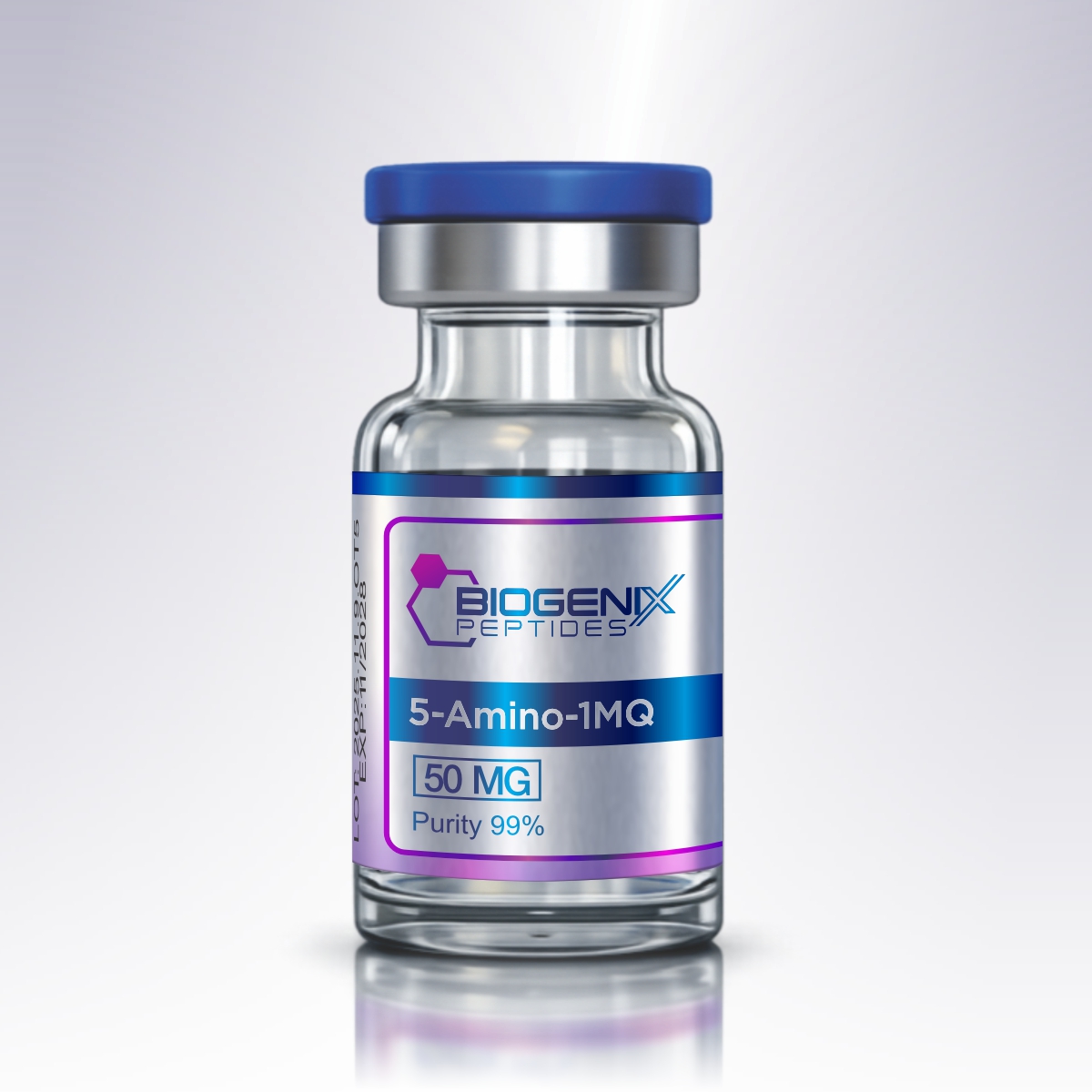
5-Amino-1MQ 50mg
$98.005-Amino-1MQ is a small-molecule research compound investigated for its effects on cellular energy balance and fat metabolism. Unlike retail capsule formulations, this overview pertains to the lyophilized powder presentation intended
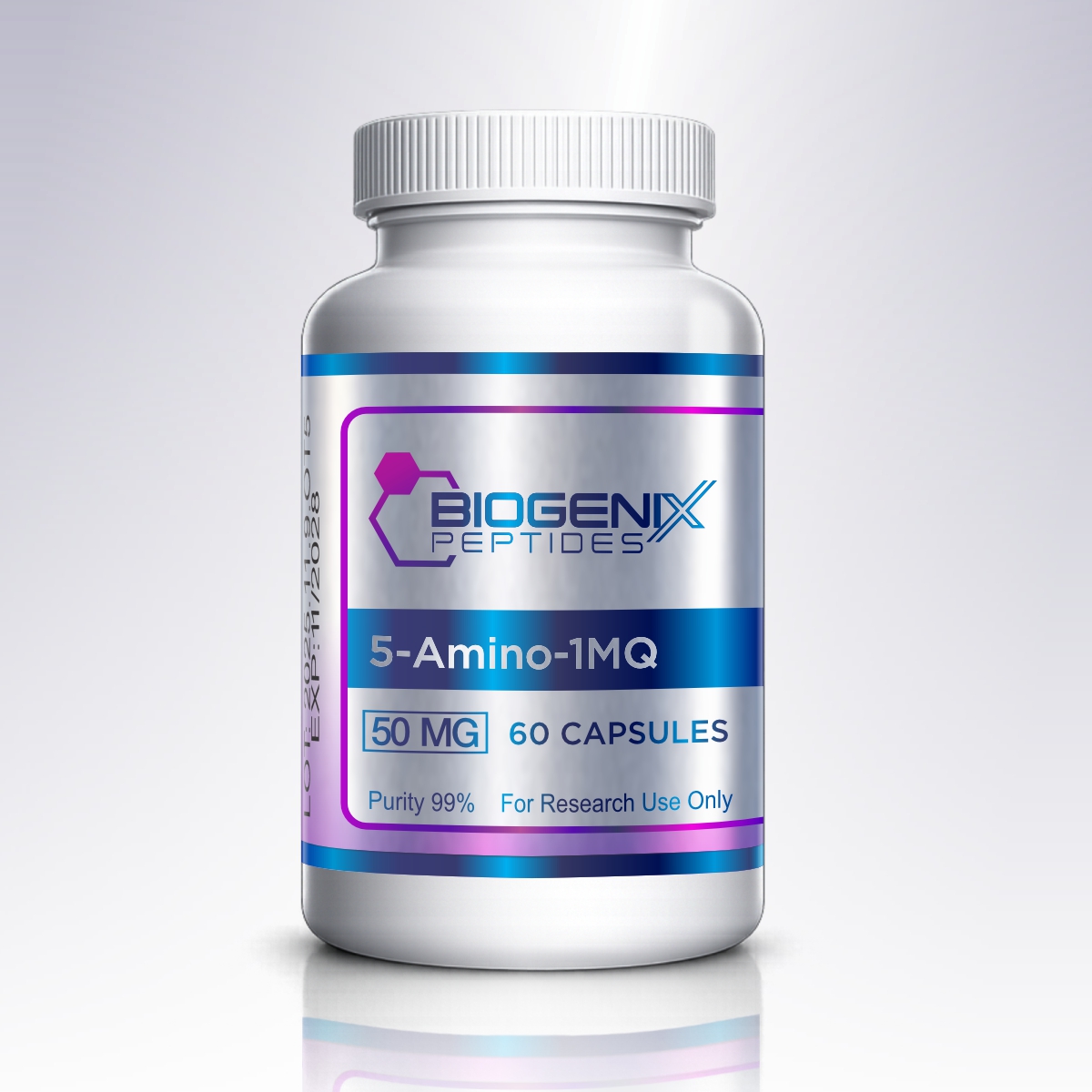
5-Amino-1MQ is a small-molecule NNMT inhibitor researched for its potential role in regulating energy balance, metabolic function, and adiposity. While the compound is also available in lyophilized powder form for
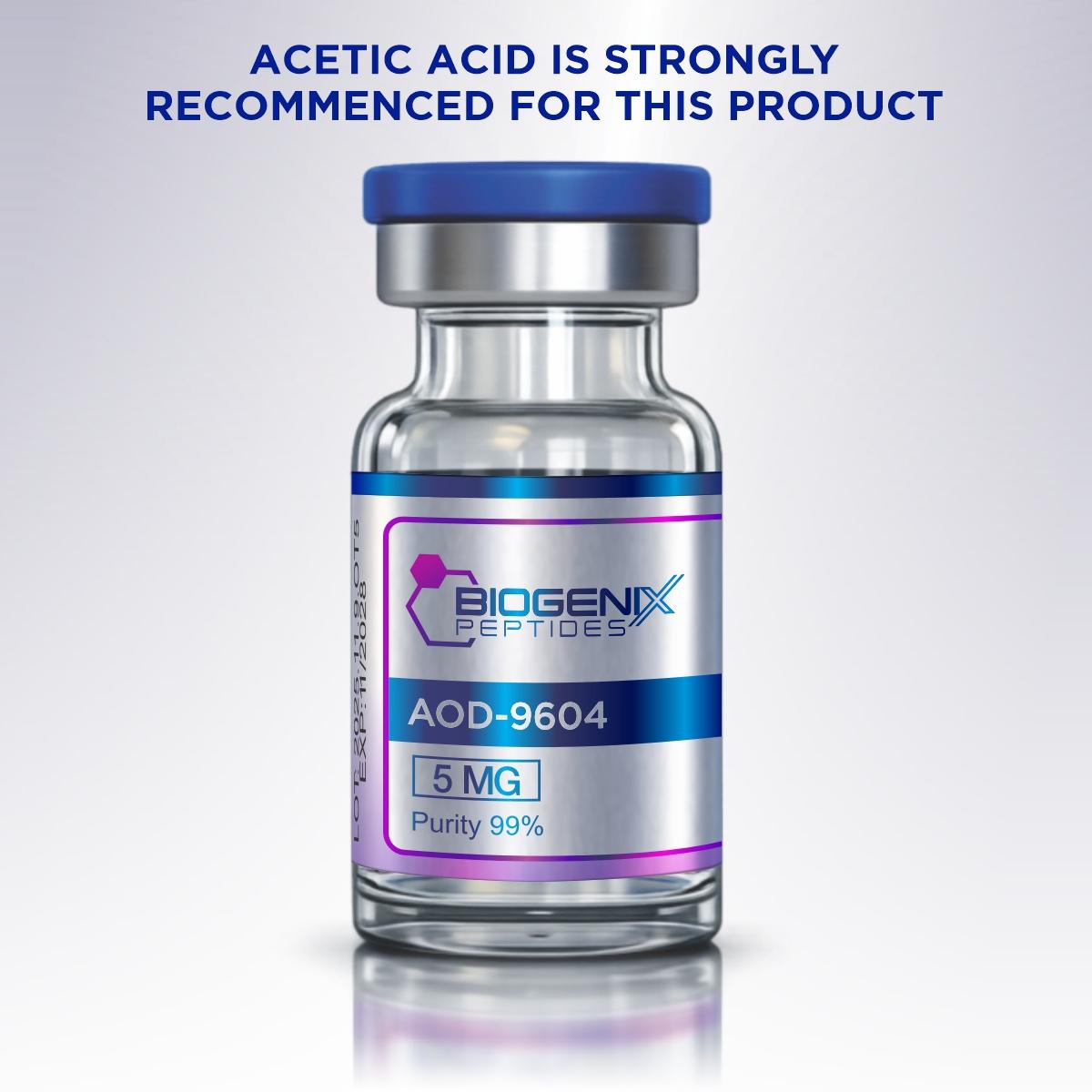
AOD-9604 5mg
$60.00⚠️ IMPORTANT RECONSTITUTION NOTICE ⚠️ AOD-9604 is a pH sensitive, hydrophobic peptide and typically requires Acetic Acid Solution before Bacteriostatic Water for successful reconstitution. Attempting to
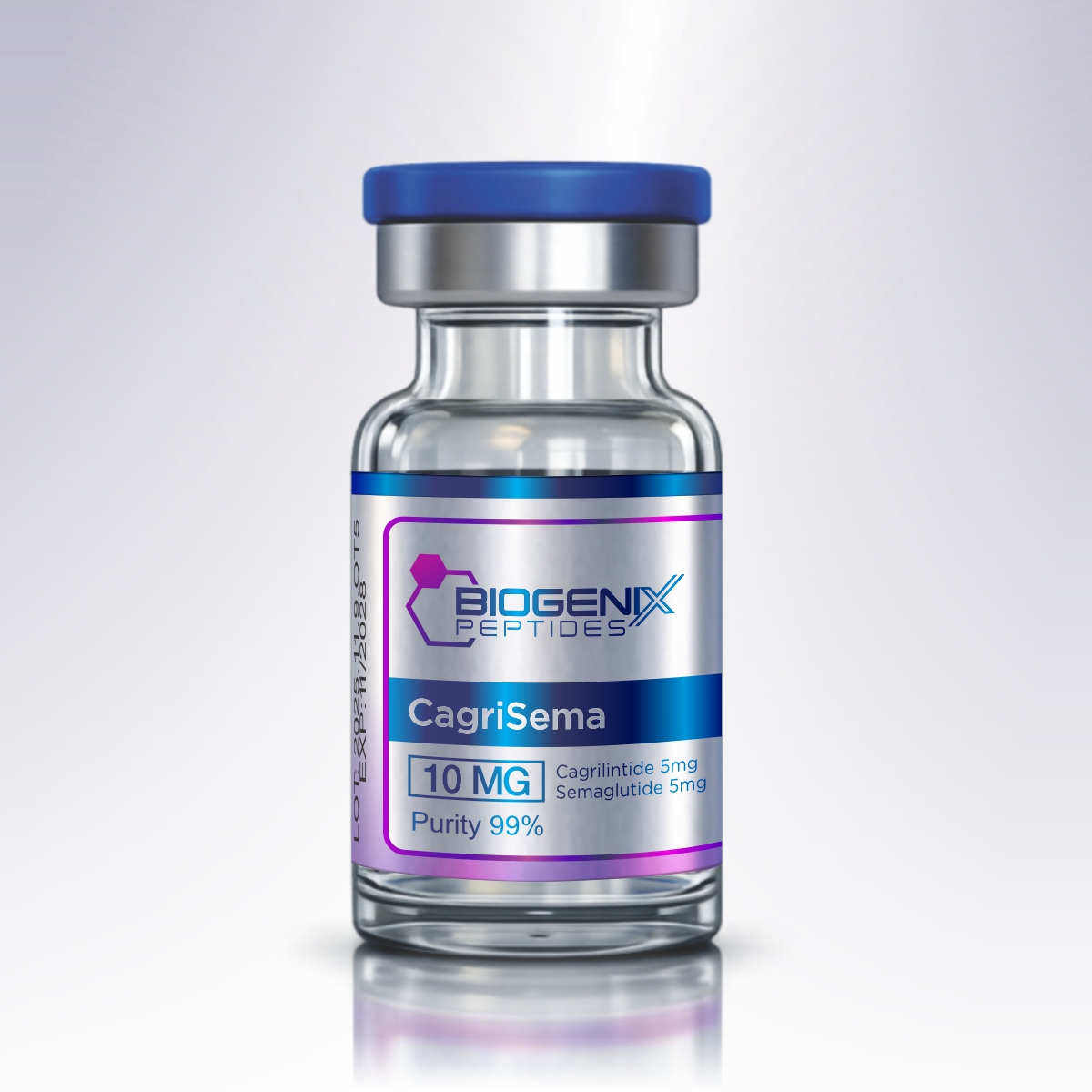
Cagrilintide + Semaglutide is a dual-agonist research pairing that targets complementary pathways in appetite control, energy regulation, and metabolic balance. Cagrilintide, a long-acting amylin analogue,
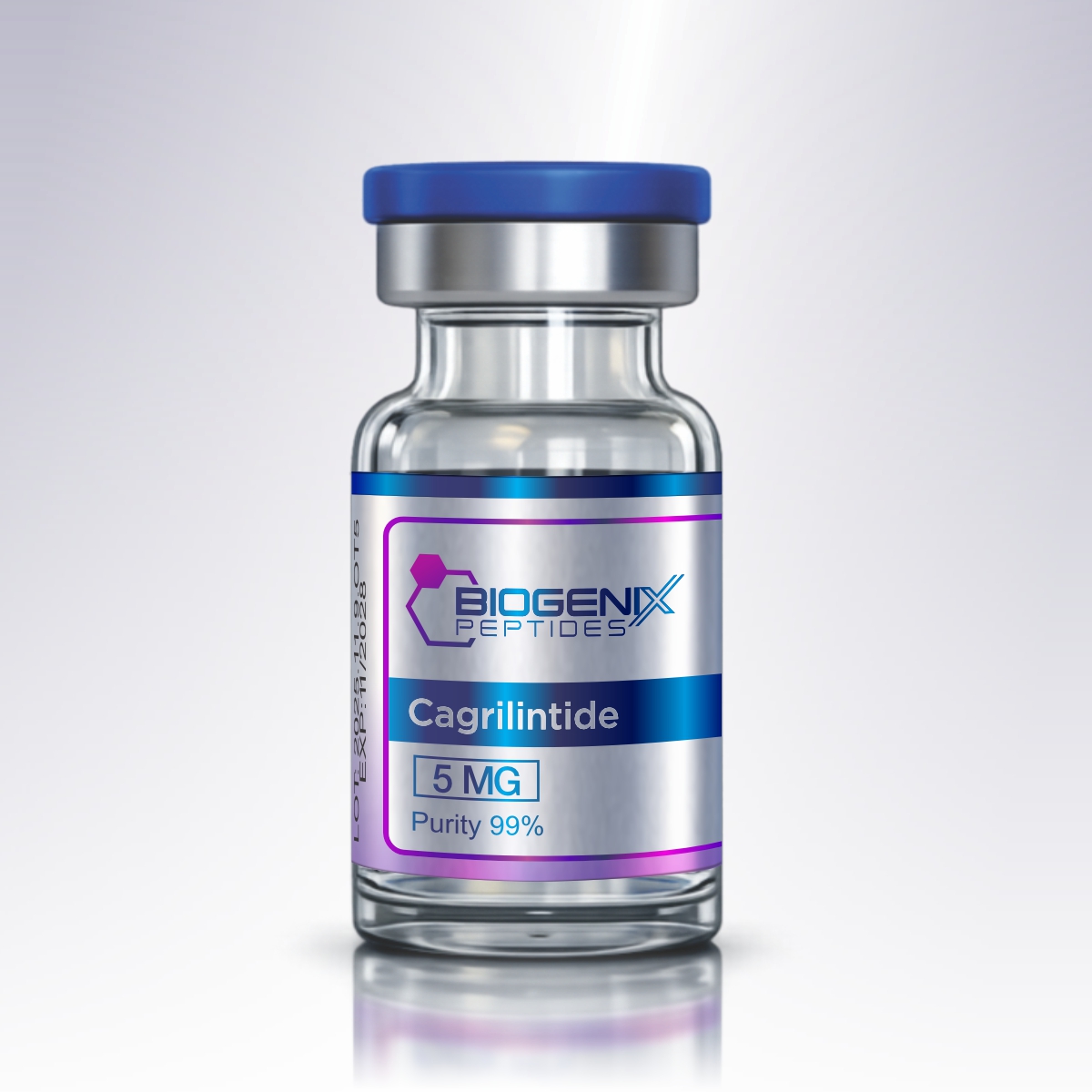
Cagrilintide 5mg
$105.00Cagrilintide is a novel, long-acting amylin analogue currently under investigation for its effects on metabolic regulation and appetite control. Its structure features N-terminal lipidation, which enhances stability by binding to
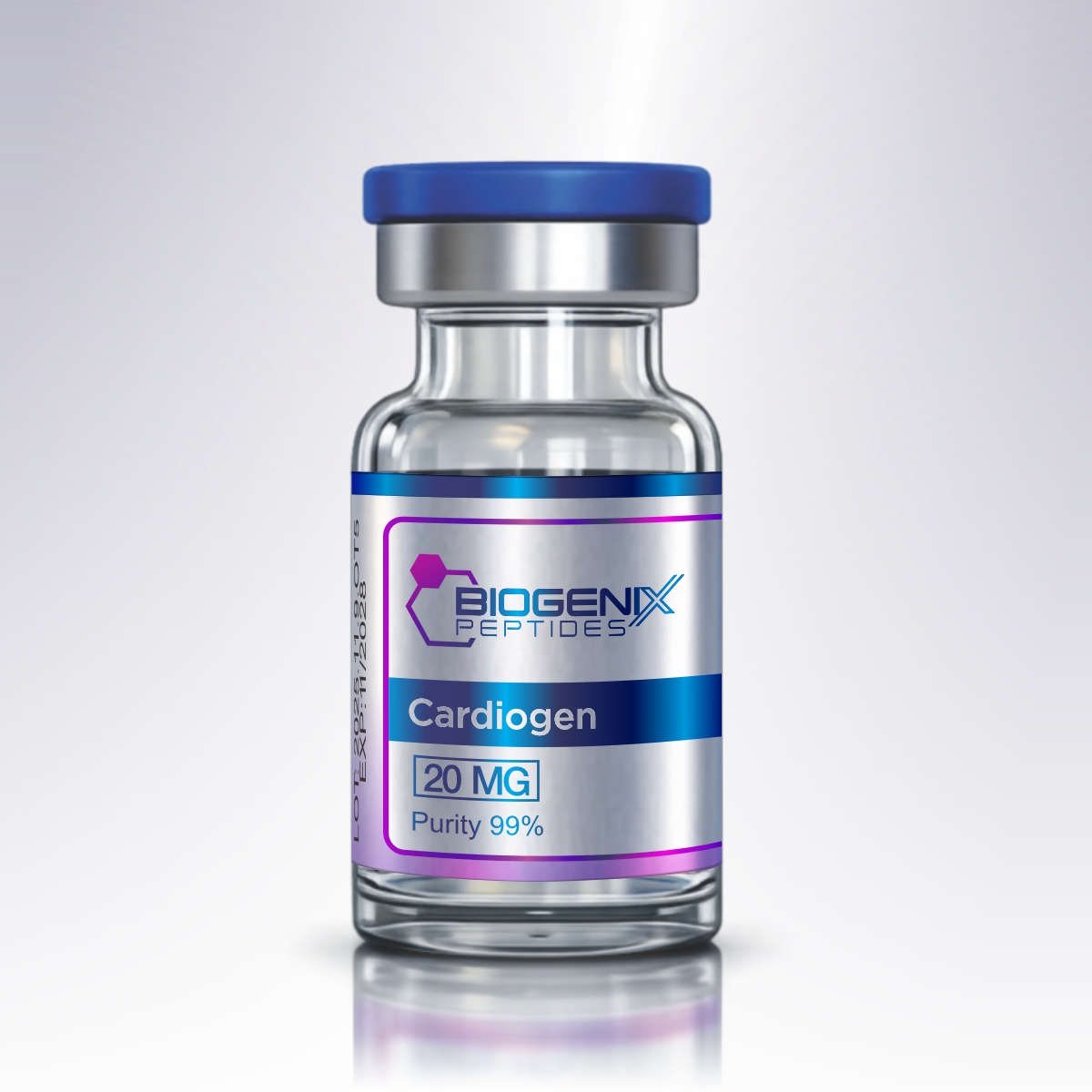
Cardiogen 20mg
$68.00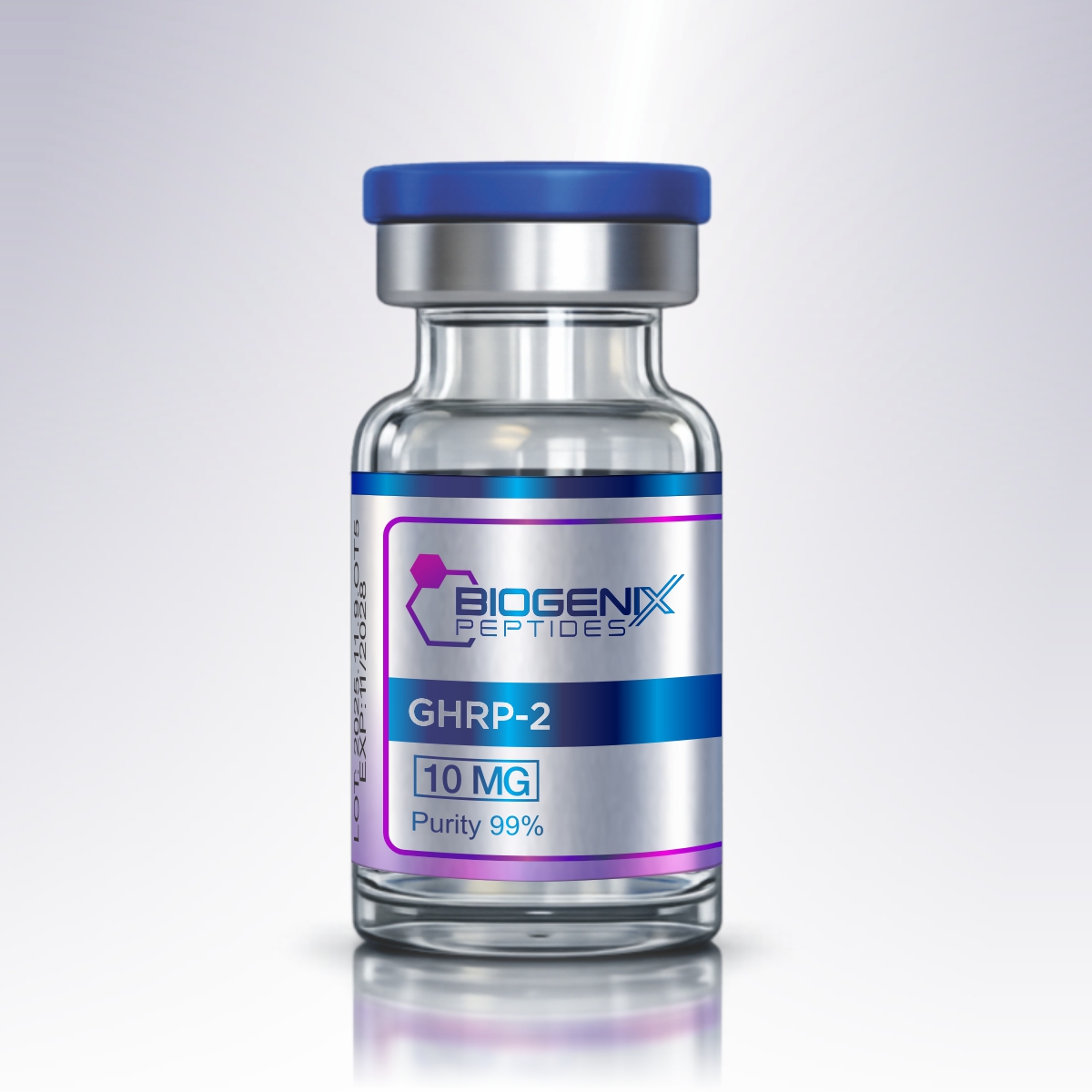
GHRP-2 10mg
$48.00GHRP-2 (pralmorelin) is a synthetic pentapeptide and growth hormone-releasing peptide (GHRP) that acts as an agonist of the ghrelin (growth hormone secretagogue) receptor, GHS-R1a. Although structurally related to met-enkephalin, GHRP-2
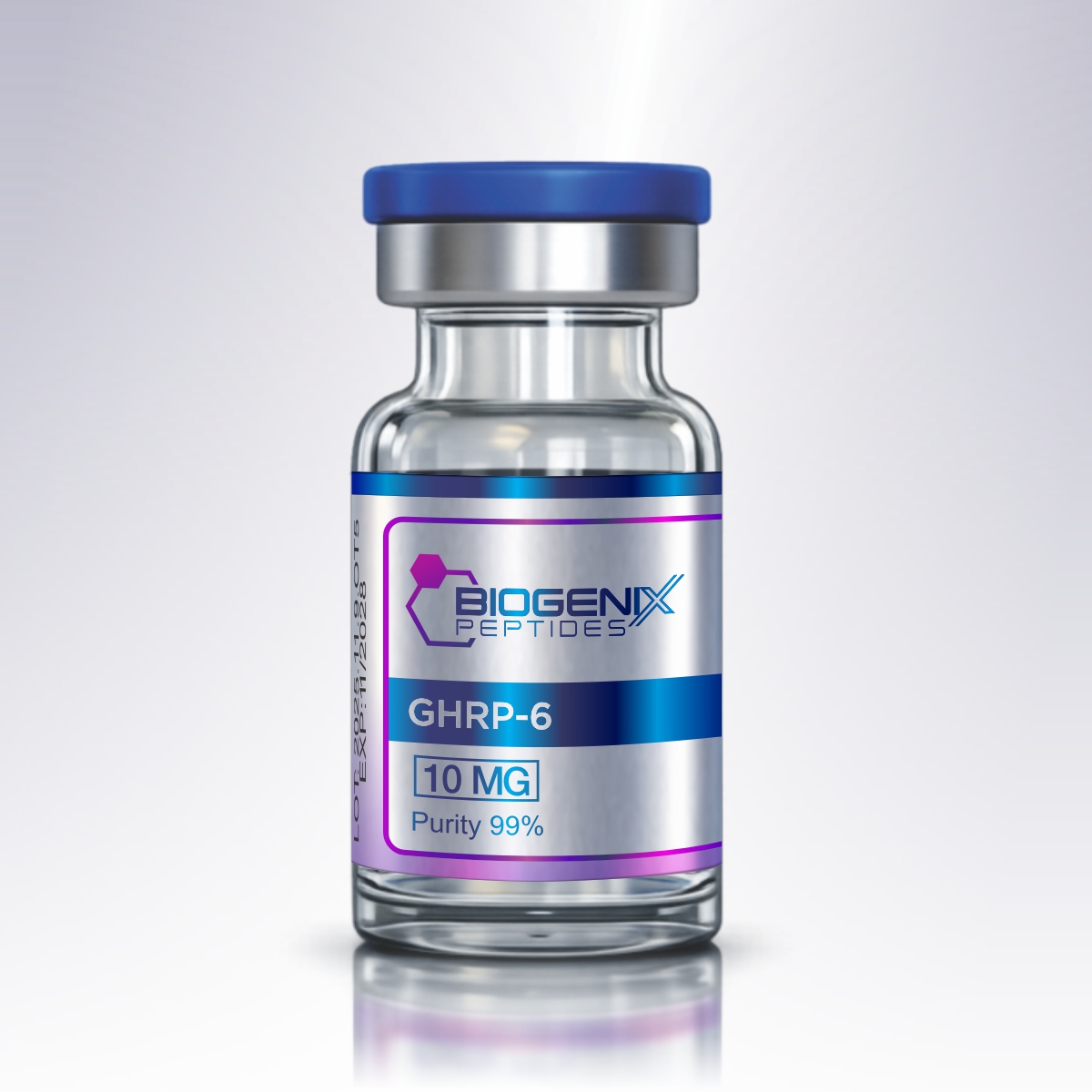
GHRP-6 10mg
$48.00GHRP-6 (Growth Hormone Releasing Hexapeptide) is a synthetic low molecular weight hexapeptide, developed as part of the GHRP family to stimulate growth hormone (GH) secretion. Structurally related to met-enkephalin, GHRP-6
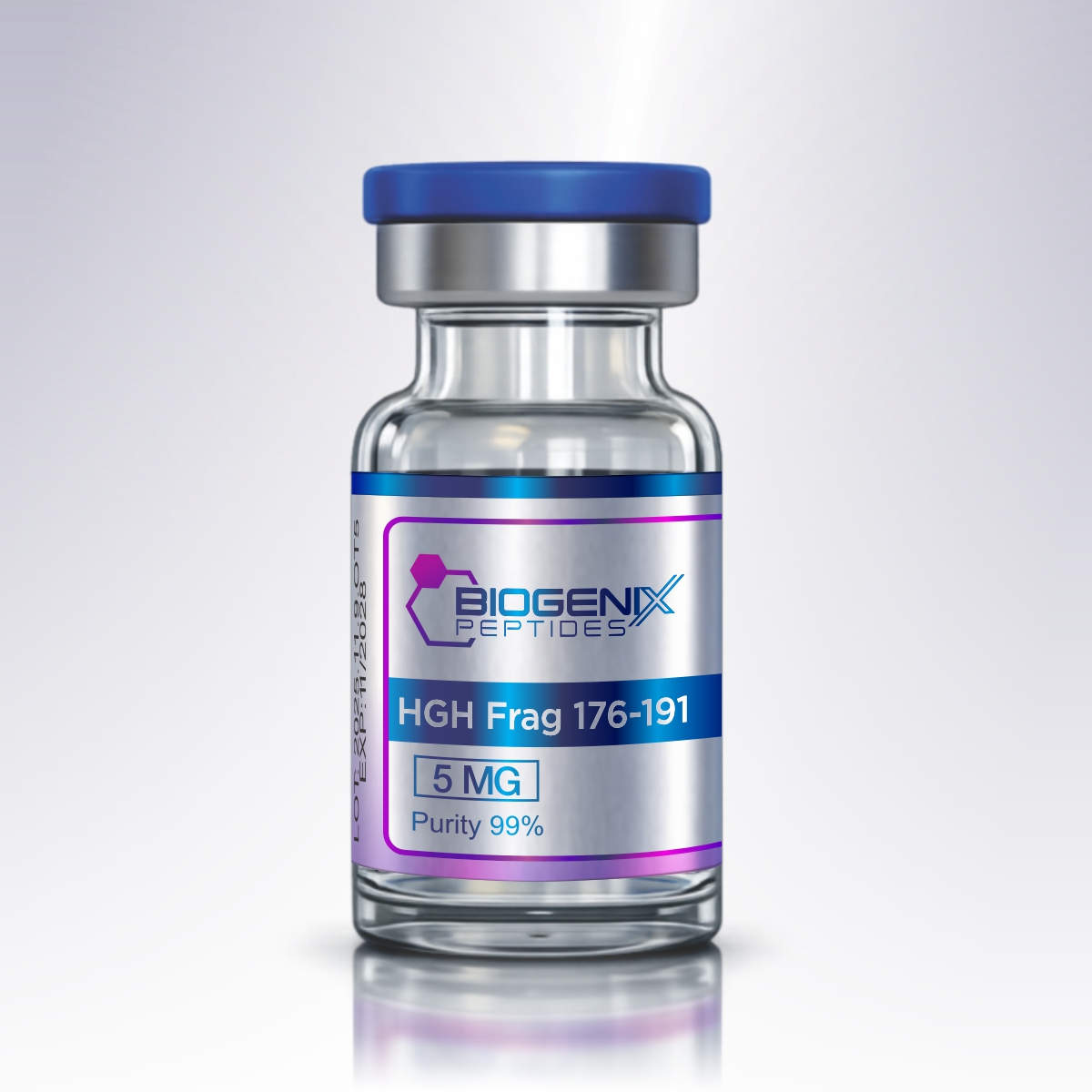
HGH Frag 176-191 5mg
$60.00HGH Fragment 176-191 (HGH Frag) is a synthetic peptide consisting of the final 16 amino acids of the human growth hormone (HGH) molecule. Unlike full-length HGH, this truncated fragment does
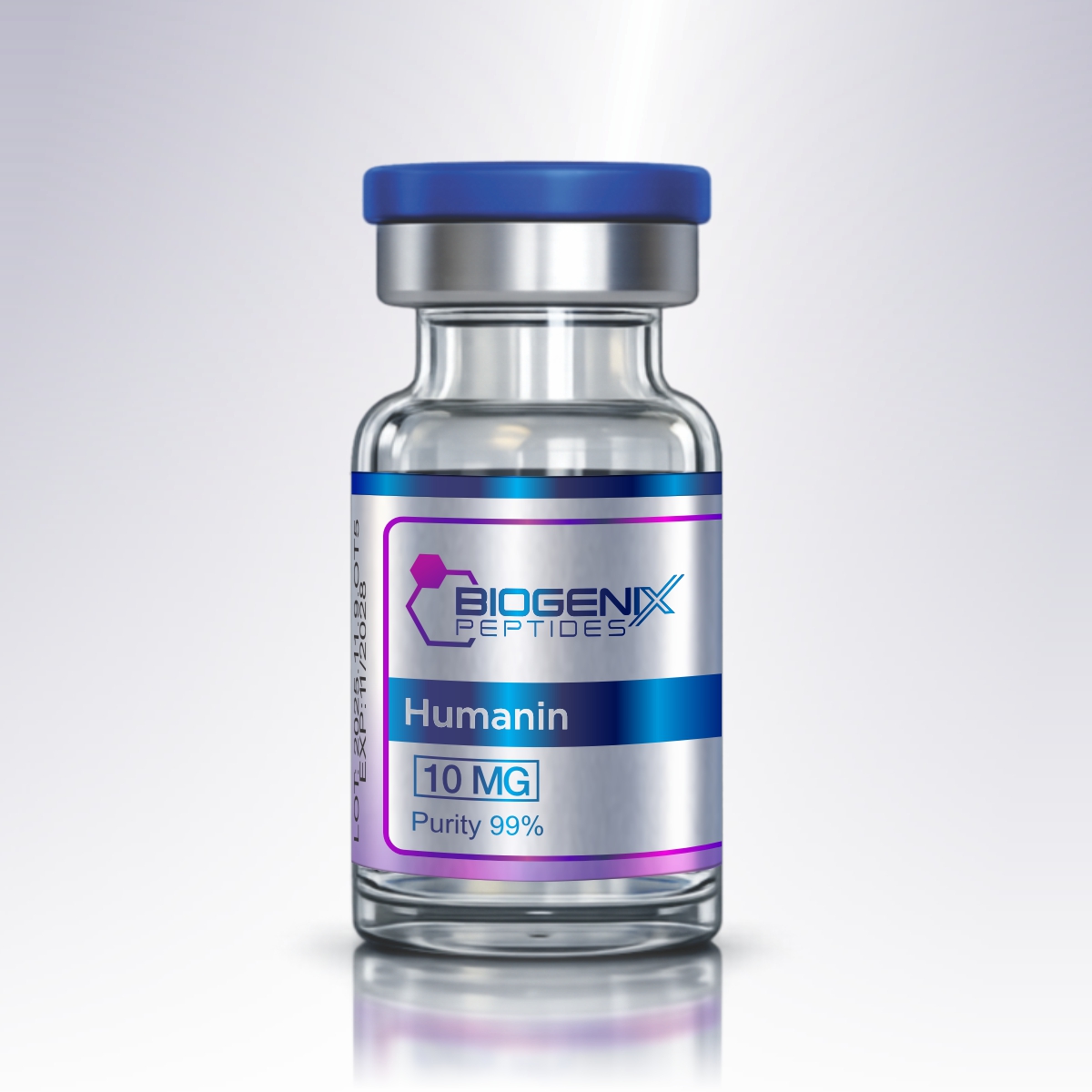
Humanin 10mg
$118.00Humanin is a small 24–amino-acid peptide that comes from the mitochondria, the parts of the cell responsible for energy production. Researchers study Humanin because it appears to help protect cells
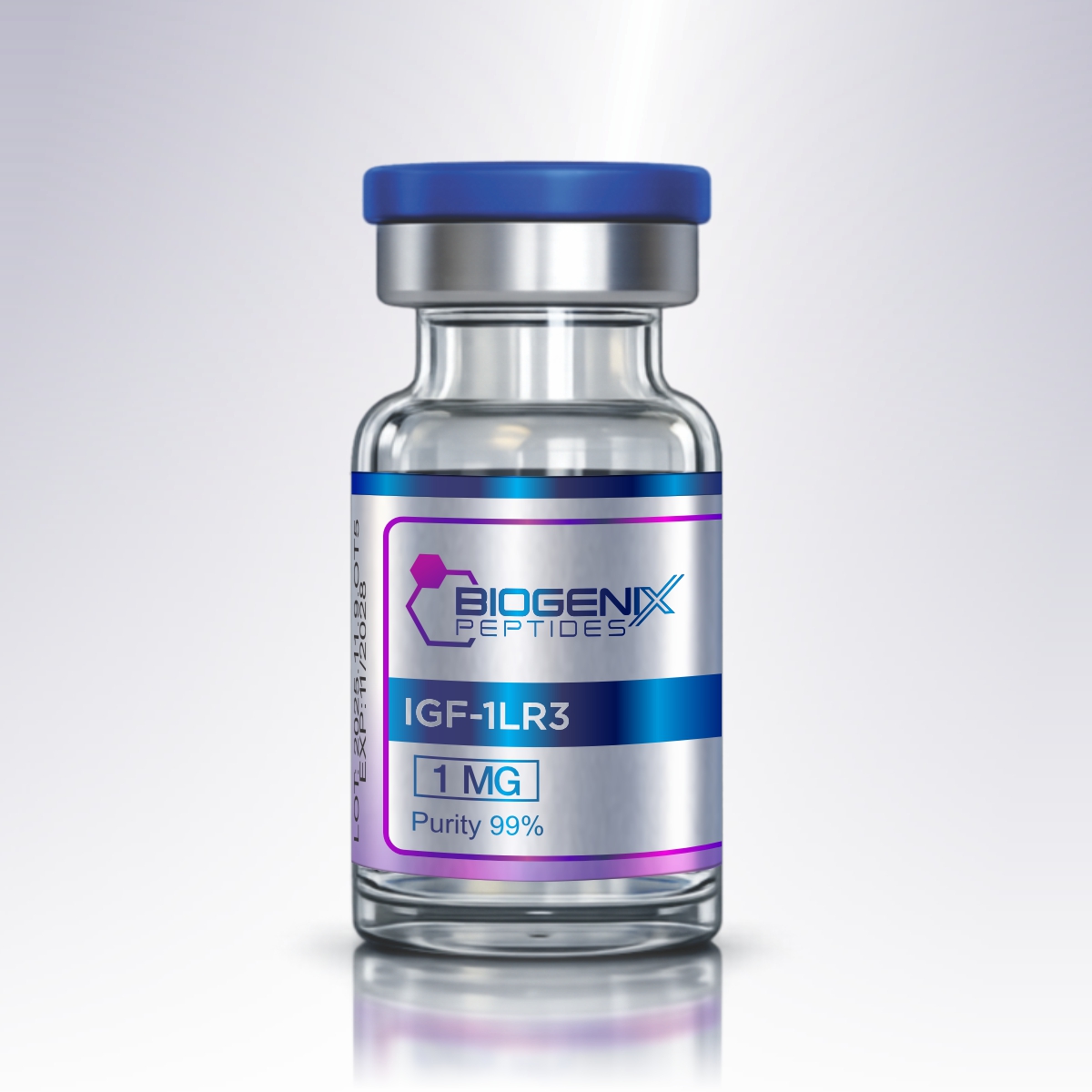
IGF-1LR3 1mg
$120.00Insulin-like Growth Factor-1 Long Arg3 (IGF-1 LR3) is a synthetic analog of human IGF-1 designed with a modified amino acid sequence to improve stability and extend half-life. It differs from
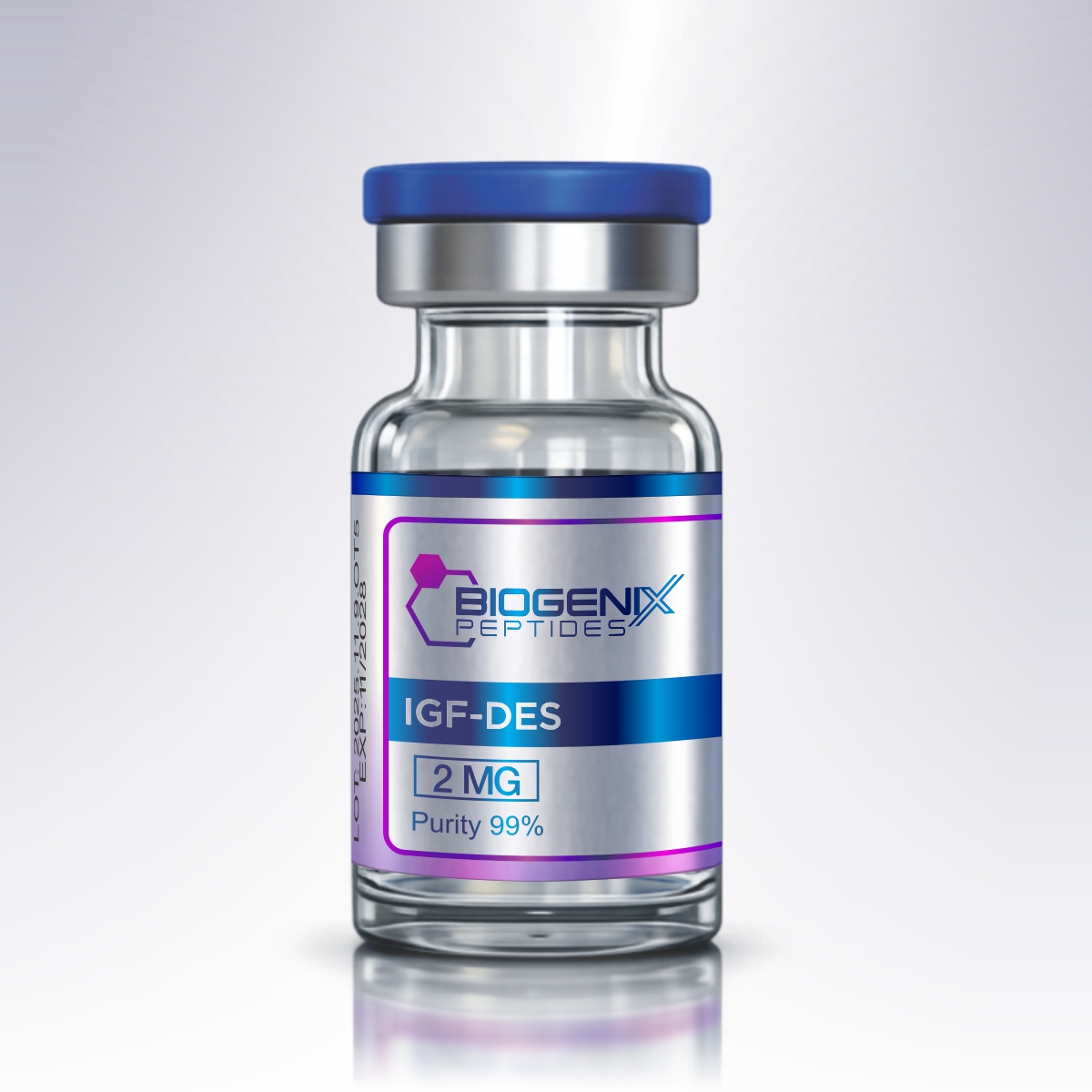
IGF-DES 2mg
$96.00IGF-DES (also called DES(1-3)IGF-1) is a naturally occurring truncated variant of insulin-like growth factor-1 (IGF-1), missing the first three amino acids at the N-terminus of the protein. This modification alters
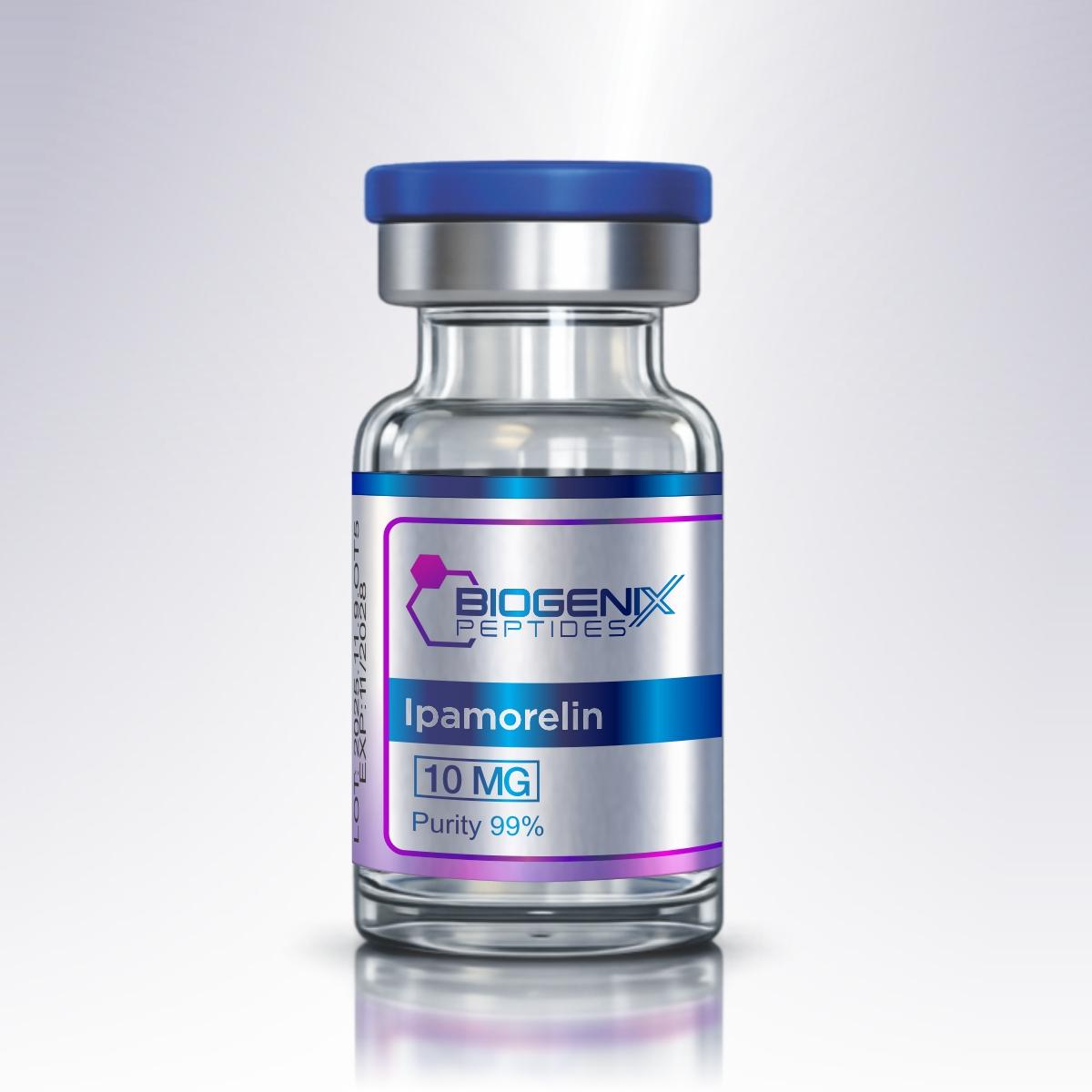
Ipamorelin 10mg
$67.00Ipamorelin is a synthetic pentapeptide classified as a selective growth hormone secretagogue (GHS). It is an analog of ghrelin that binds to the growth hormone secretagogue receptor (GHS-R1a), stimulating growth
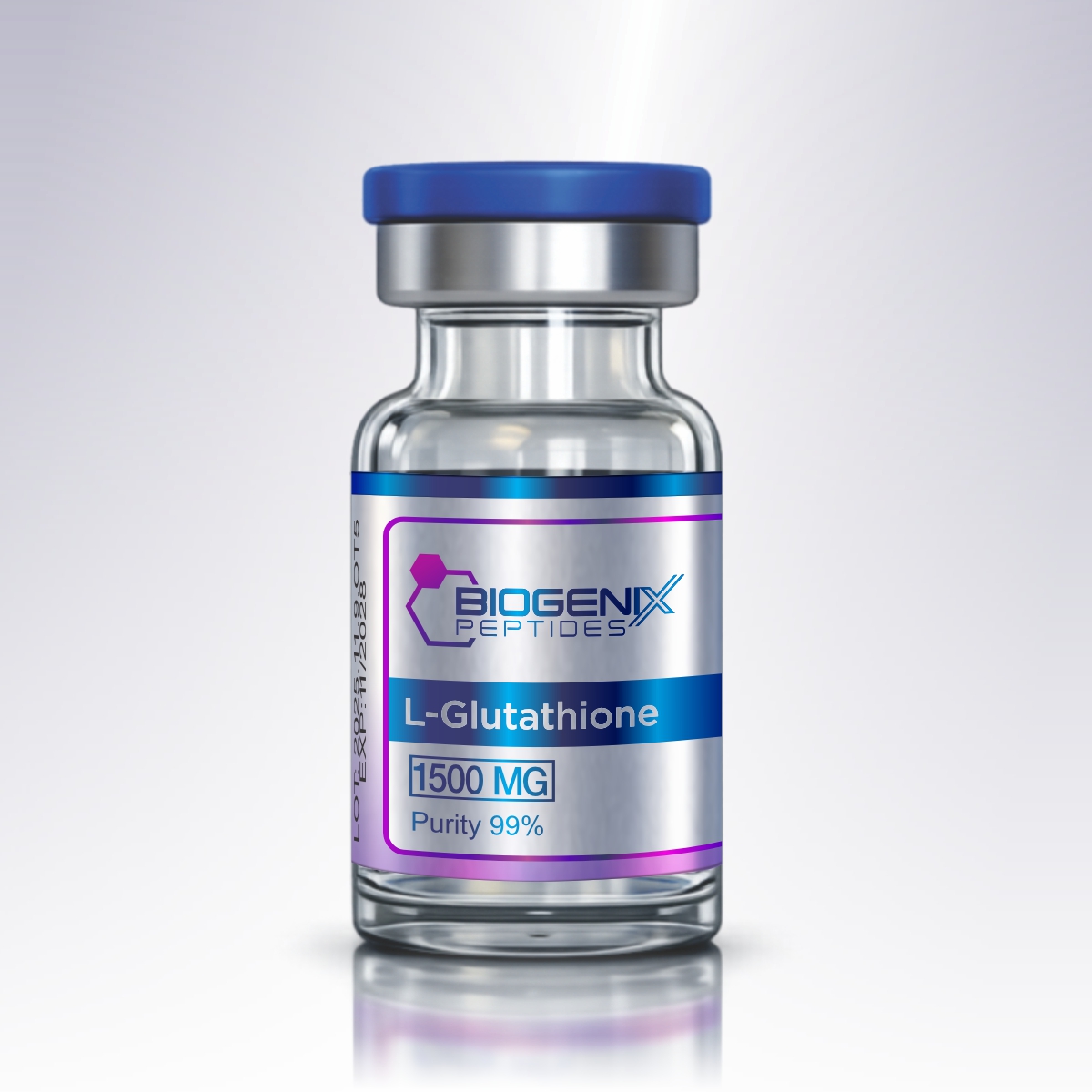
L-Glutathione 1500mg
$105.00L-Glutathione (GSH) is a tripeptide of glutamate, cysteine, and glycine, widely regarded as a key intracellular antioxidant. It functions as a cofactor for enzymes such as glutathione peroxidase
L-Glutathione 500mg
$48.00L-Glutathione (GSH) is a tripeptide of glutamate, cysteine, and glycine, widely regarded as a key intracellular antioxidant. It functions as a cofactor for enzymes such as glutathione peroxidase
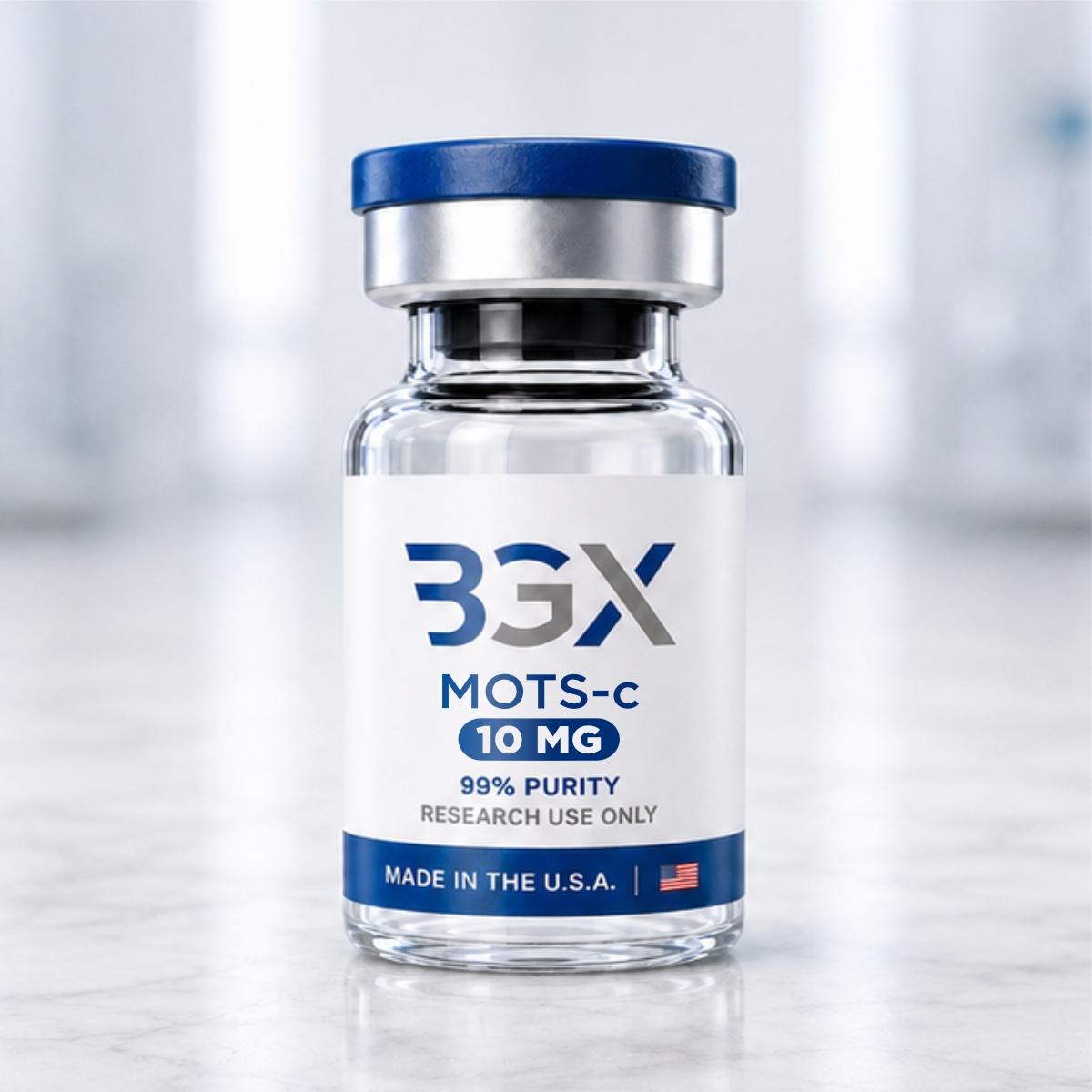
MOTS-c 10mg
$48.00MOTS-c (Mitochondrial Open Reading Frame of the 12S rRNA-c) is a 16–amino-acid peptide encoded within the mitochondrial 12S rRNA gene region. It belongs to the family of mitochondrial-derived peptides (MDPs)
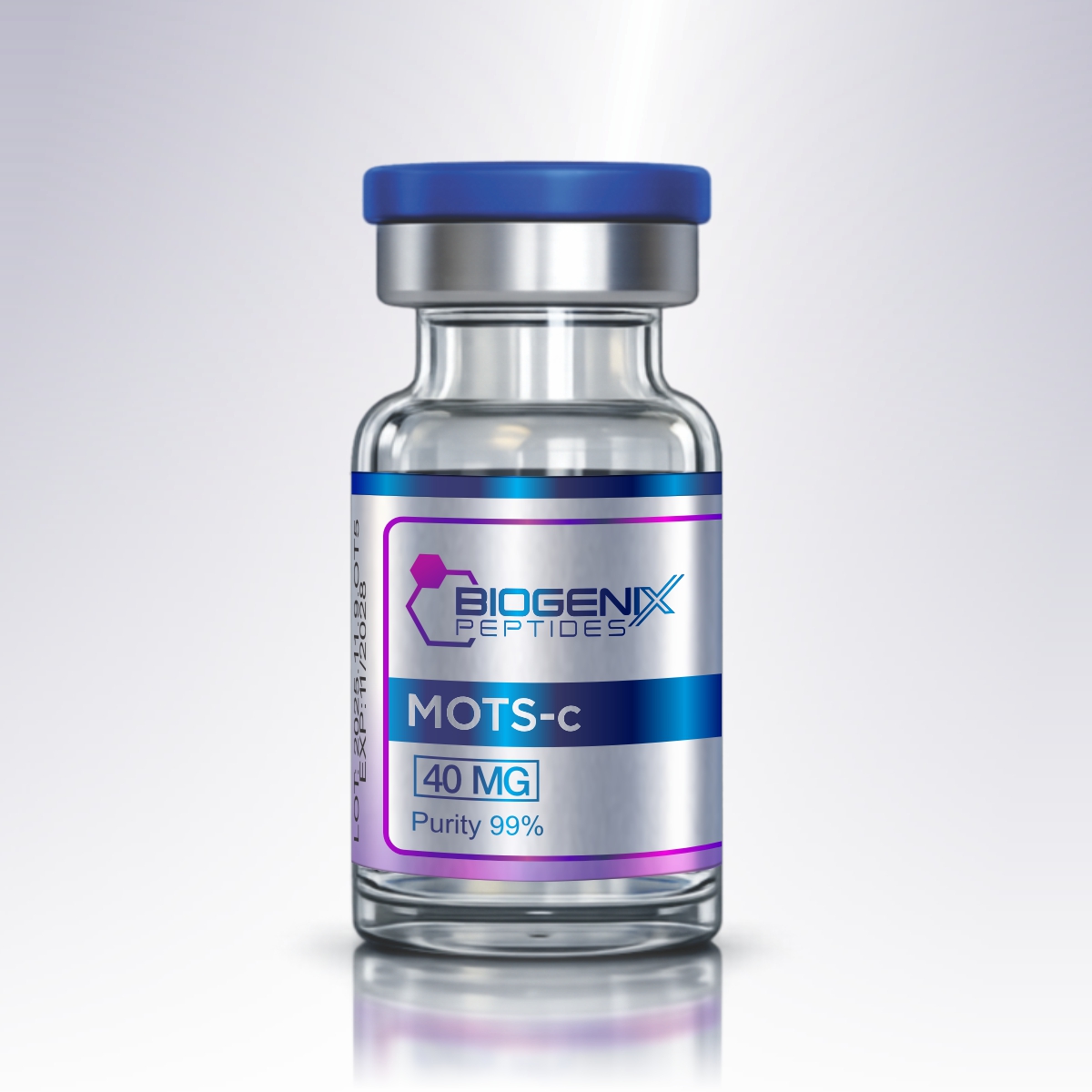
MOTS-c 40mg
$148.00MOTS-c (Mitochondrial Open Reading Frame of the 12S rRNA-c) is a 16–amino-acid peptide encoded within the mitochondrial 12S rRNA gene region. It belongs to the family of mitochondrial-derived
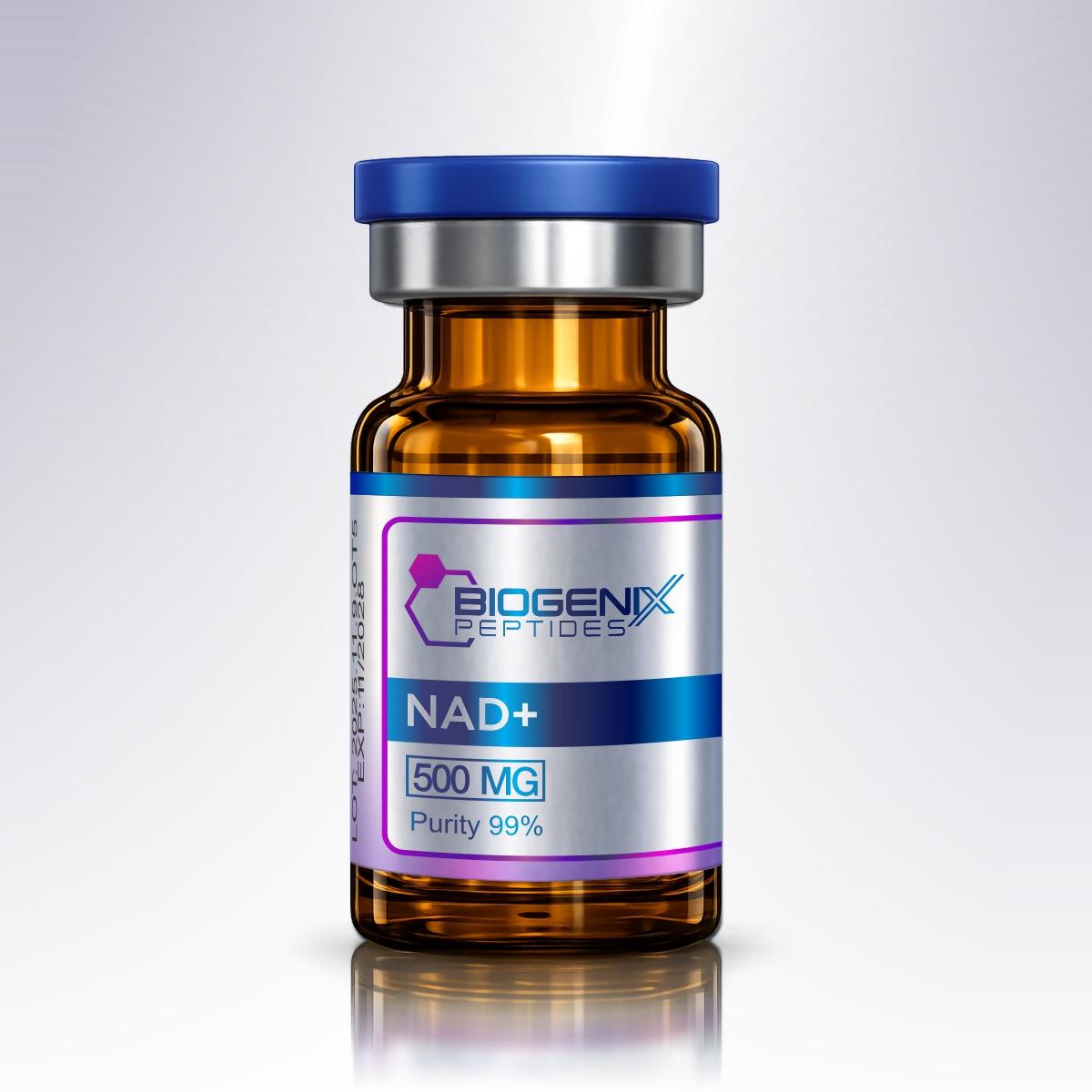
NAD+ 1000mg
$145.00NAD⁺ (Nicotinamide Adenine Dinucleotide) is a molecule found in every cell of the body and is essential for creating energy. Researchers study NAD⁺ because it helps power the mitochondria—the parts
NAD+ 500mg
$105.00NAD⁺ (Nicotinamide Adenine Dinucleotide) is a molecule found in every cell of the body and is essential for creating energy. Researchers study NAD⁺ because it helps power the mitochondria—the parts
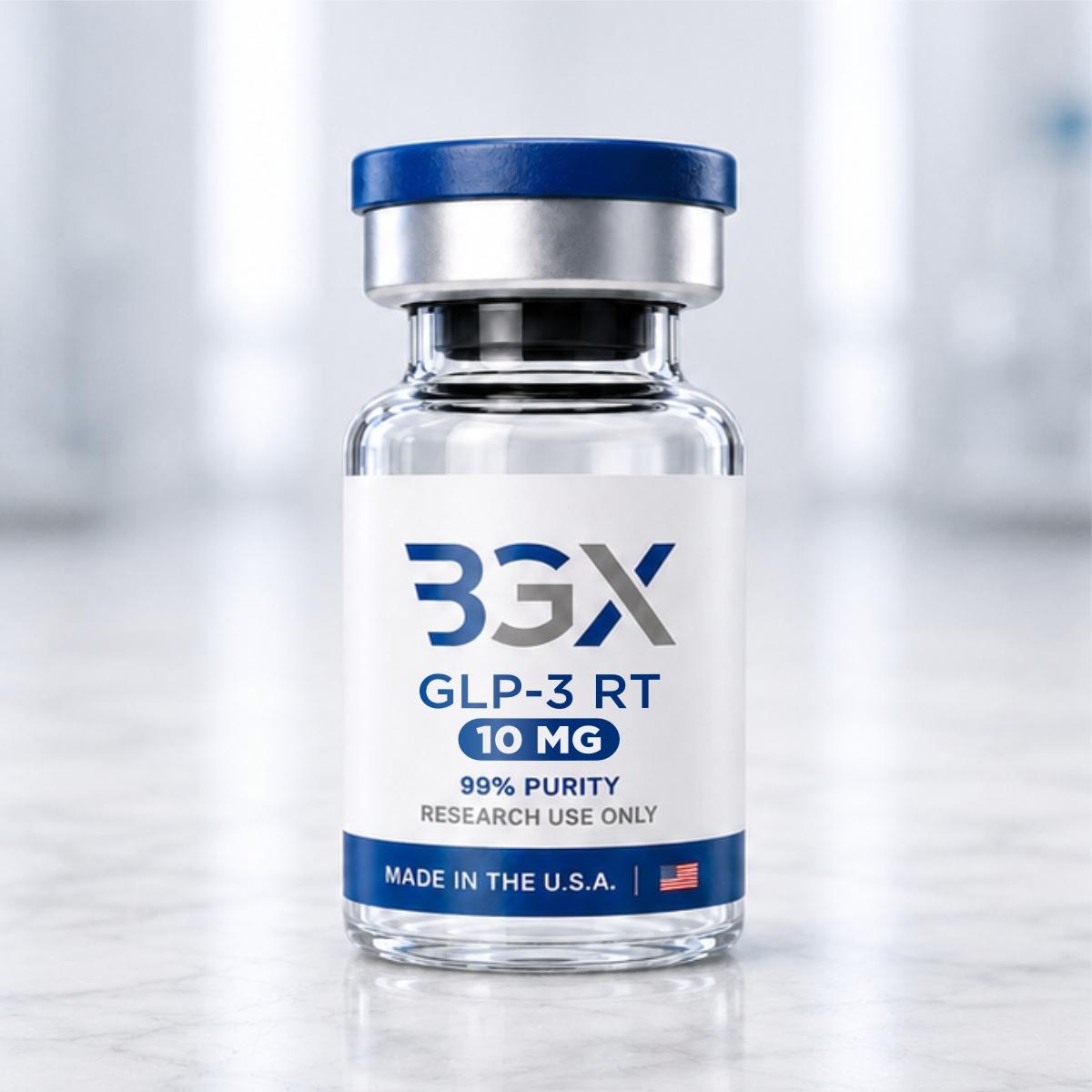
RT (GLP-3 RT) 10mg
$110.00GLP-3 RT is an investigational multi-agonist peptide engineered to activate three metabolic hormone receptors—GLP-1, GIP, and glucagon—positioning it as a next-generation “triple agonist.” In research settings, it has been examined