Peptides in Scientific Research Archives - Page 2 of 3 - BioGenix Peptides™
The “Peptide Reserve” Theory:

The “Peptide Reserve” Theory:

Why Research Subjects Respond Differently After Weeks of Saturation vs. Depletion A research-driven look at receptor trafficking, downregulation, and why deload weeks may help restore responsiveness in experimental models. Research & Education Only: This article discusses theoretical peptide mechanisms in the context of laboratory and preclinical research. It is not medical advice, does not describe

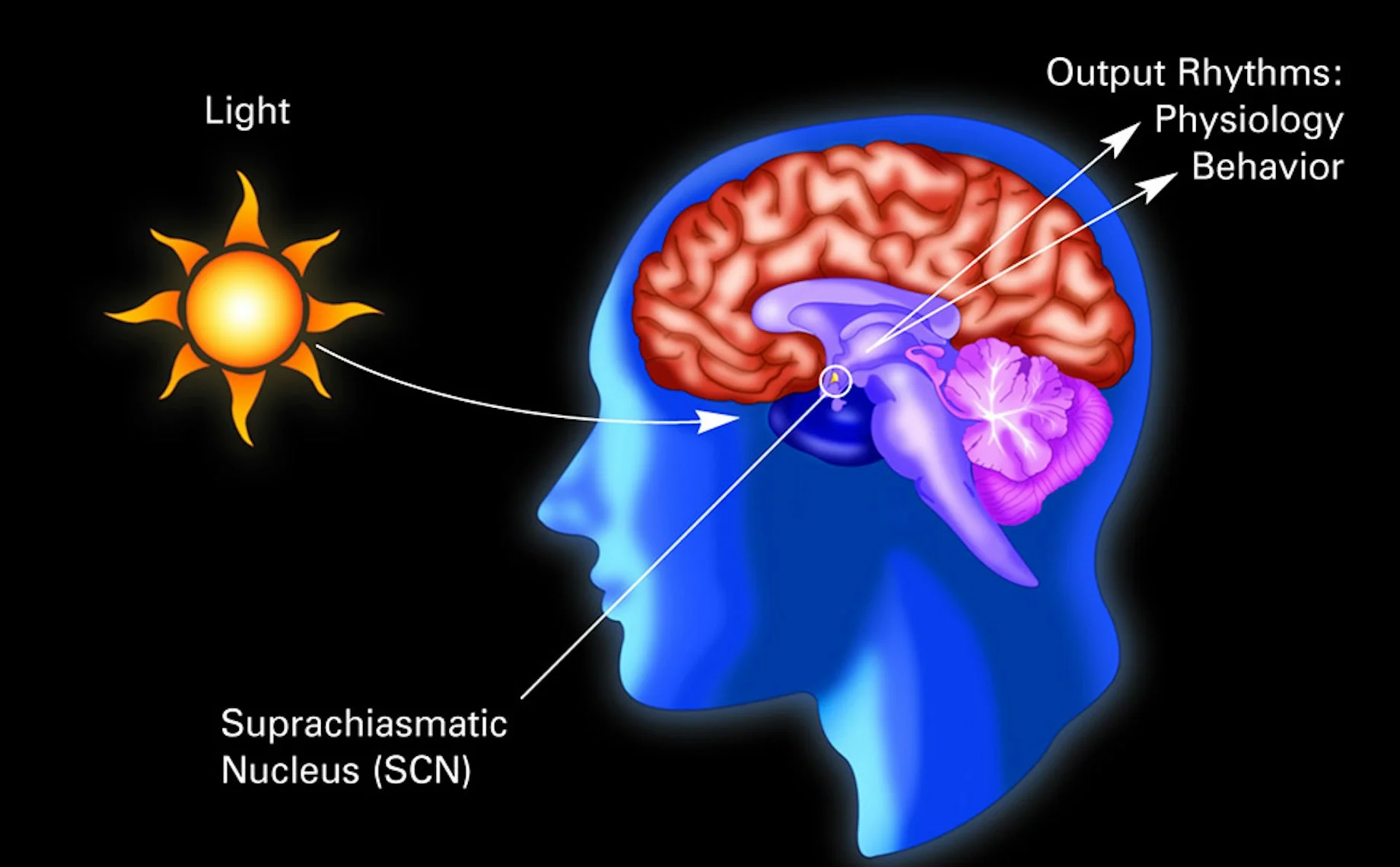
Why Some Peptides Work Dramatically Better During Sleep:

Why Some Peptides Work Dramatically Better During Sleep:

Circadian-Dependent Peptide Pathways Disclaimer: This article is for research and educational discussion only. It does not constitute medical advice. Peptides and pathways discussed here are theoretical and for laboratory research contexts only. Not for human use, diagnosis, treatment, cure, or prevention of any disease. Introduction Most people talk about the dose of a peptide. Almost

How GHK-Cu, GLOW & KLOW Are Quietly Replacing Botox

How GHK-Cu, GLOW & KLOW Are Quietly Replacing Botox

Introduction Botox® has been the go-to injectable anti-aging treatment for over two decades — quickly reducing wrinkles by temporarily blocking neuromuscular activity. While effective, Botox is purely cosmetic and does not address the biological drivers behind aging skin. In contrast, peptide-based regenerative approaches such as GHK-Cu, GLOW and KLOW are gaining remarkable momentum. Rather than

How AI Is Predicting — and Accelerating — the Future of Peptide Innovation

How AI Is Predicting — and Accelerating — the Future of Peptide Innovation

Why machine learning is becoming the most powerful tool in peptide research Artificial intelligence has quietly become the backbone of modern peptide discovery. The same forces reshaping drug development, protein engineering, and computational biology are now transforming the peptide space — making research faster, more predictive, and dramatically more innovative. For researchers, clinicians, and biotech

Peptides & Arthritis Research:

Peptides & Arthritis Research:

Exploring Regeneration, Inflammation Control, and Joint Repair Arthritis isn’t just about joint discomfort — it’s about mobility, tissue breakdown, inflammation, and changes in how the body repairs itself. As scientific interest grows, peptides have entered the conversation not as symptom-masking agents, but as research tools that may influence biological repair pathways, inflammation signaling, cellular resilience,

Peptides & The Immune System: The Hidden Layer of Immune Control Most People Never Hear About

Peptides & The Immune System: The Hidden Layer of Immune Control Most People Never Hear About

Peptides & The Immune System: The Hidden Layer of Immune Control How biologically active peptides regulate inflammation, repair, and immune resilience. Introduction: Immunity Is Communication — and Peptides Are Messengers The immune system isn’t a simple “strong versus weak” switch. It functions as an intelligent communication network driven by a constant stream of biochemical messages.

When Stacking Peptides Works Against You: Why Less Could Be More

When Stacking Peptides Works Against You: Why Less Could Be More

Introduction In peptide research, stacking has become almost instinctive. If a single peptide produces a clear effect, adding more should multiply the outcome… right? Not always. In fact, excessive stacking often leads to conflicting signaling, receptor fatigue, and research results that are harder—not easier—to interpret. The most advanced data frequently comes from fewer variables, not