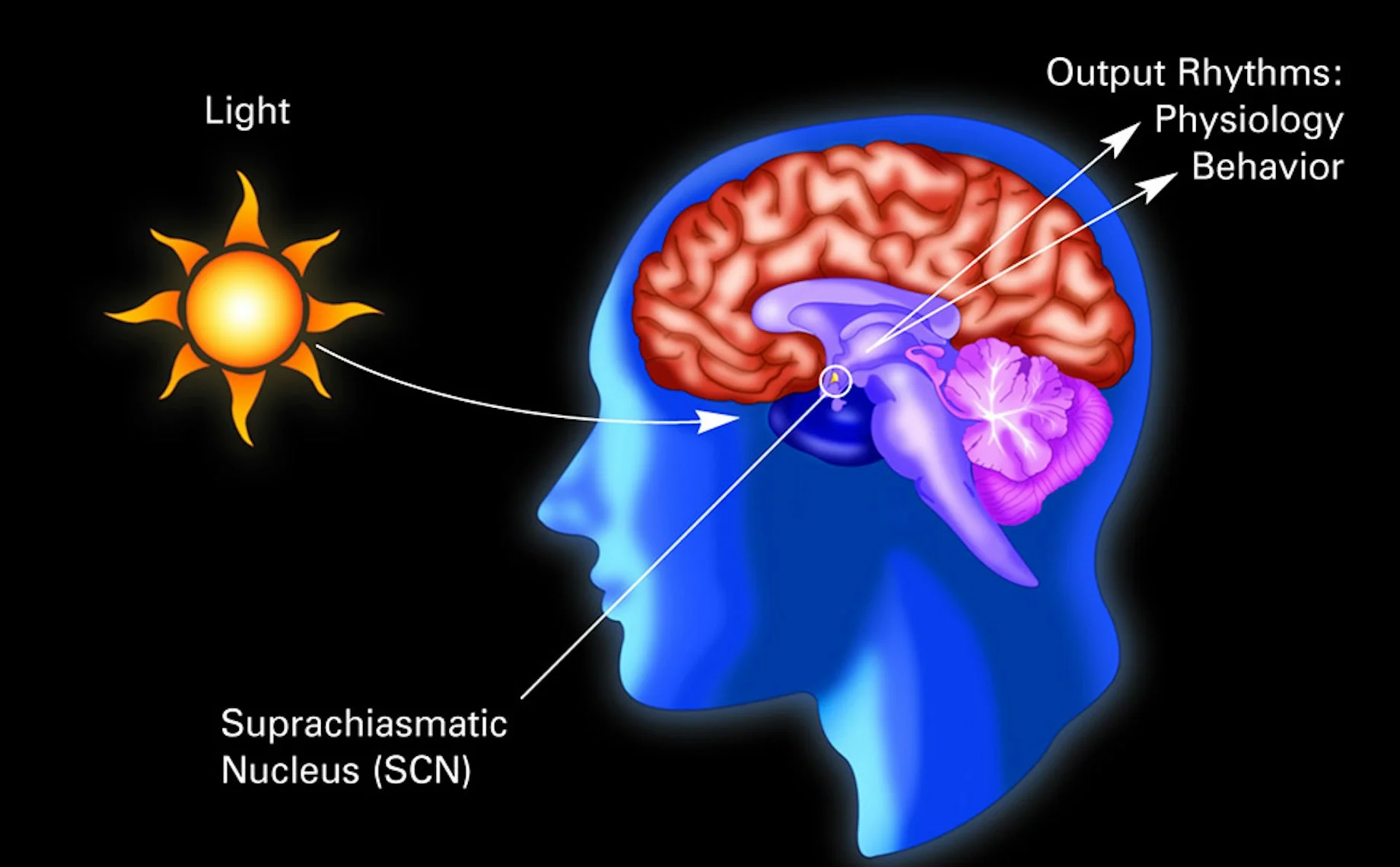
Why Some Peptides Work Dramatically Better During Sleep:
Circadian-Dependent Peptide Pathways
Disclaimer: This article is for research and educational discussion only. It does not constitute medical advice. Peptides and pathways discussed here are theoretical and for laboratory research contexts only. Not for human use, diagnosis, treatment, cure, or prevention of any disease.
Introduction
Most people talk about the dose of a peptide. Almost nobody talks about the timing ― especially how peptide mechanisms sync with circadian biology, melatonin rhythms, growth hormone pulses, and overnight autophagy cycles.
But research is increasingly suggesting something powerful:
Certain peptides don’t just work during sleep — they may work best because you’re asleep.
Below is a deep dive into why nighttime timing can amplify peptide effects, and which peptides appear to benefit most from sleep-synchronized dosing windows.
The Science: Why Nighttime Is a Metabolic “Window of Opportunity”
1. Melatonin Rhythms Sync Cellular Signaling
Melatonin does far more than tell you when to feel sleepy. It modulates:
- Mitochondrial activity and oxidative balance
- Cellular stress-response pathways
- CLOCK/BMAL1 and other circadian gene networks
- Immune and inflammatory tone across the 24-hour cycle
This matters because some peptides ― particularly pineal and circadian-focused peptides such as Epithalon and Pinealon ― appear to interact with mechanisms that are naturally more active at night when melatonin is elevated.
In simple terms:
- Nighttime = high melatonin
- High melatonin = circadian genes and cellular repair programs “switched on”
- Certain peptides may “plug into” these already-primed pathways
When peptides designed to interface with circadian biology are aligned with melatonin peaks, the signal-to-noise ratio of their activity may be much more favorable than during the daytime.
2. Growth Hormone Pulses Amplify Anabolic & Repair Signals
Deep sleep ― particularly slow-wave sleep ― triggers the body’s largest natural growth hormone (GH) pulse of the entire 24-hour period. This is one of the core reasons sleep is such a potent recovery and regeneration state.
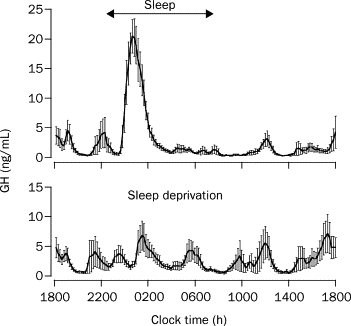
This GH surge directly supports peptides that:
- Influence GH release and pituitary signaling
- Support tissue repair and remodeling
- Promote metabolic renewal and body composition changes
Key synergistic players include:
- CJC-1295 (a GHRH analog)
- Ipamorelin (a ghrelin-mimetic GHRP)
- DSIP (Delta Sleep–Inducing Peptide, indirectly supportive via deeper sleep architecture)
- Epithalon (through its potential roles in circadian and neuroendocrine balance)
When these peptides are aligned with the body’s natural nighttime GH pulses, the efficiency of signaling may be substantially higher. Daytime environments, with higher cortisol and competing metabolic priorities, can blunt this effect.
3. Overnight Autophagy: Ideal Timing for Longevity Peptides
Autophagy ― the process by which cells clear out damaged components ― tends to be more active during:
- Overnight fasting windows
- Deeper stages of sleep
- Low-insulin, low-calorie periods
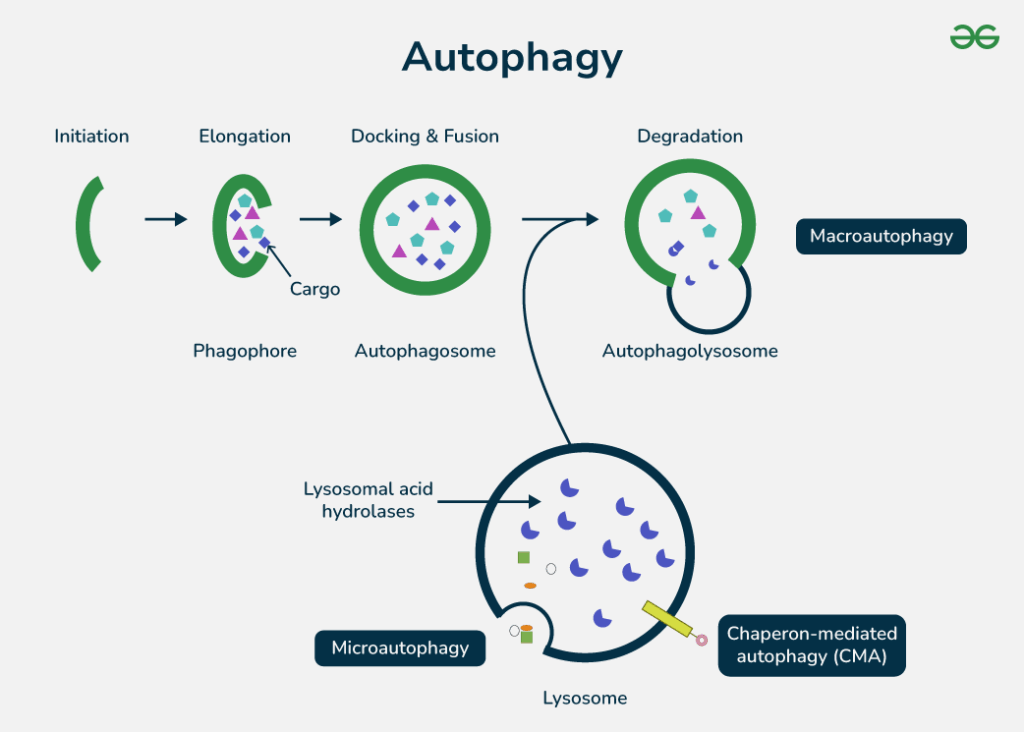
Many longevity and neuroprotective peptides are being studied for their potential to influence:
- AMPK and related energy-sensing pathways
- Mitochondrial cleanup and maintenance
- Proteostasis (handling of misfolded or damaged proteins)
- Clock-gene transcription and circadian “reset” mechanisms
Nighttime, when autophagy activity naturally rises, provides a metabolic “backdrop” that may be more compatible with peptides like Epithalon and Pinealon.
In other words, when the body is already in cleanup mode, signaling molecules that support repair and regulation may find the environment more responsive.
Peptide Profiles: Why These Key Players Are Night-Optimized
Epithalon
Key research focus areas:
- Circadian rhythm regulation (CLOCK/BMAL1 and related transcription factors)
- Telomere dynamics and cellular aging pathways
- Neuroendocrine balance, particularly around pineal function
Why night timing makes sense theoretically:
- Melatonin is naturally elevated at night, and Epithalon is often studied in the context of pineal biology.
- Many of the genes it influences are active in circadian transcription cycles that peak in the dark phase.
- Telomere maintenance and DNA repair processes are heavily tied to periods of cellular “downtime” during sleep.
Aligning Epithalon with the natural melatonin peak is like tuning a signal to the exact time the “antenna” is most receptive.
DSIP (Delta Sleep–Inducing Peptide)
Key research focus areas:
- Sleep stability and architecture
- Stress-axis modulation (HPA axis)
- Potential support of GH pulses via deeper slow-wave sleep
Why night timing makes sense theoretically:
- DSIP is closely associated with sleep quality, not simply sedation.
- More stable slow-wave sleep can help optimize the amplitude and timing of GH pulses.
- Better sleep architecture supports downstream recovery, including immune, metabolic, and neurological repair.
In a circadian context, DSIP appears less about “knocking someone out” and more about fine-tuning the internal conditions that make nighttime such a powerful recovery window.
CJC-1295 (GHRH Analog)
Key research focus areas:
- Stimulating pituitary growth hormone release
- Supporting downstream IGF-1 production
- Potential body composition and recovery effects in research settings
Why night timing makes sense theoretically:
- GH secretion is naturally pulsatile and peaks at night in healthy physiology.
- Aligning CJC-1295 activity with natural GH pulses may amplify the “signal” rather than fighting the body’s rhythm.
- Daytime cortisol and stress can attenuate GH release, creating a less favorable environment for GHRH analogs.
The circadian geometry here is simple: pituitary sensitivity is not uniform across 24 hours. Matching GHRH-like signaling with the body’s built-in GH pulse makes intuitive sense.
Ipamorelin
Key research focus areas:
- Ghrelin receptor activation
- GH release via growth hormone secretagogue pathways
- Synergy with GHRH analogs such as CJC-1295 in research models
Why night timing makes sense theoretically:
- Ghrelin signaling naturally rises around fasting and pre-sleep windows.
- Nighttime typically offers lower insulin and lower cortisol ― more conducive to clean GH pulses.
- When combined conceptually with GHRH analogs, nighttime alignment may offer more physiologic synergy.
From a circadian view, Ipamorelin fits into the same category as CJC-1295: its best “stage” may be the dark phase, when the endocrine system is already oriented toward repair instead of performance.
Pinealon
Key research focus areas:
- Neuroprotection and cognitive support
- Mitochondrial and oxidative stress modulation
- Potential interactions with circadian and stress-regulated neuronal pathways
Why night timing makes sense theoretically:
- Neurons undergo essential maintenance and detoxification processes during sleep.
- Oxidative stress handling and mitochondrial housekeeping often peak during reduced metabolic demand at night.
- Circadian-regulated genes in brain tissue follow daily rhythm patterns that sleep appears to “reset.”
For a neuroprotective peptide, nighttime is less about sedation and more about targeting the window where the brain is already heavily engaged in self-repair and rebalancing.
Putting It Together: The Sleep-Timing Advantage
When circadian biology and peptide signaling line up, several advantages may emerge from a theoretical standpoint:
Nighttime “Boost” Effects
- Higher GH sensitivity during natural pulses
- Greater autophagy and cellular cleanup activity
- More favorable hormone ratios (lower cortisol, higher melatonin)
- Enhanced mitochondrial maintenance and oxidative balance
- Improved neural restoration and synaptic “reset” processes
- Optimized gene expression for longevity and circadian peptides
Daytime Disadvantages
- Higher and more variable cortisol levels
- Competing demands for energy and attention (work, stress, training)
- Reduced amplitude of GH pulses compared to deep night
- Lower melatonin and different circadian gene-expression patterns
Night dosing isn’t just convenient — in many research models, it may create a fundamentally different biological context for these peptides to interact with.
Simple Summary for Lay Readers
Think of your body as a repair shop that only runs at full capacity at night.
- The “cleanup crew” (autophagy) works hardest while you sleep.
- The “growth and repair team” (GH pulses) comes on shift during deep sleep.
- The “night shift manager” (melatonin) coordinates many of these processes.
Some peptides being researched today seem designed to work with this night shift. When they are timed to coincide with melatonin peaks, GH pulses, and autophagy cycles, their theoretical impact on recovery, repair, and regulation may be significantly stronger than in the daytime.
In short: it’s not just what peptide a researcher studies — it’s when its pathways are most active.
Closing Perspective for Timing-Aware Peptide Research
As circadian science continues to advance, more attention is being paid to the idea that: timing is a core variable in peptide research.
Melatonin rhythms, GH pulses, autophagy patterns, and mitochondrial repair windows all converge at night. Peptides like Epithalon, DSIP, CJC-1295, Ipamorelin, and Pinealon sit at the intersection of these processes, making sleep a uniquely important context for understanding their theoretical pathways.
For serious researchers, circadian-aware peptide protocols are an emerging frontier ― and one of the most under-discussed angles in the entire field.
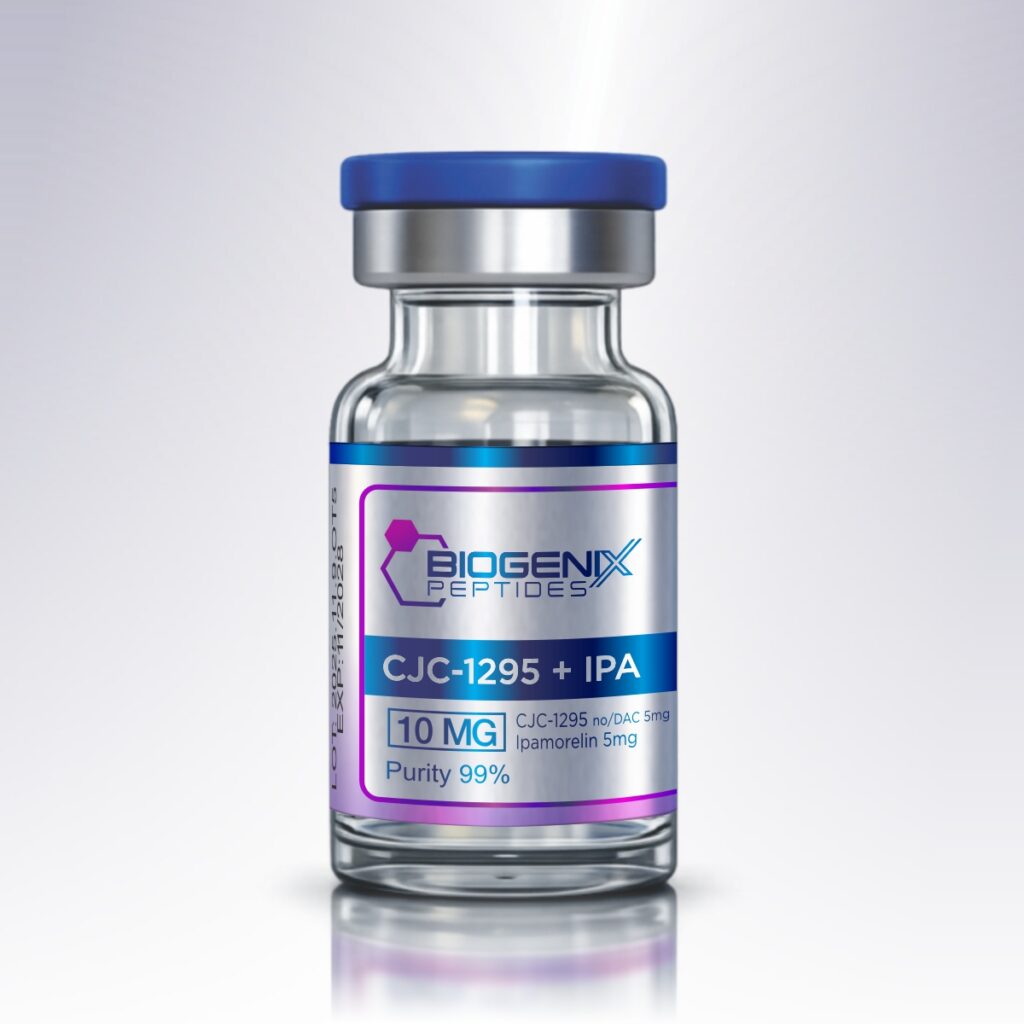
CJC-1295 no/DAC + Ipamorelin 10mg Blend
The CJC-1295 (No DAC) + Ipamorelin Blend represents a dual-pathway approach to growth hormone (GH) modulation, combining the upstream stimulation of growth hormone–releasing hormone (GHRH) receptors with the downstream activation of ghrelin (GHS-R1a) receptors. This pairing is widely studied for its ability to mimic the body’s natural pulsatile GH secretion, producing synergistic and physiologically balanced effects on growth hormone and IGF-1 output without significant influence on cortisol or prolactin levels.
In Stock
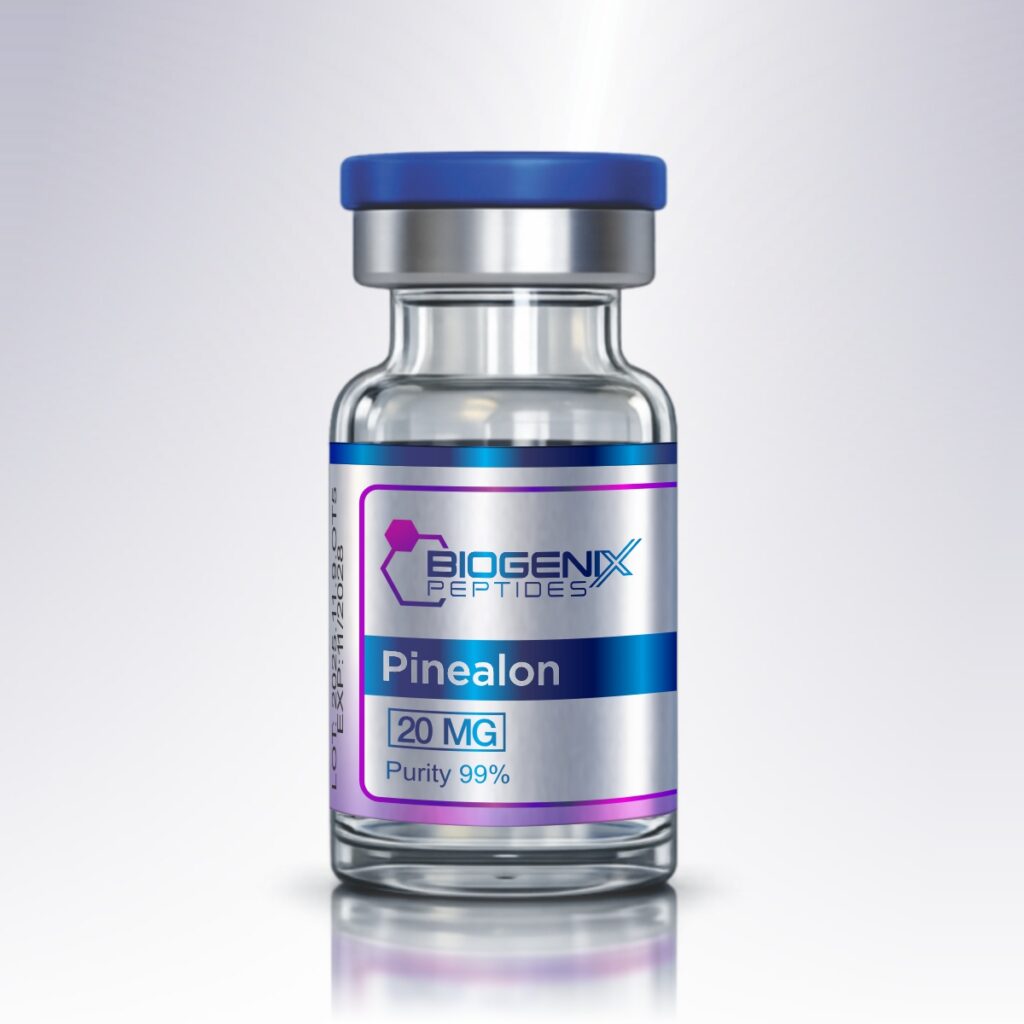
Pinealon 20mg
the brain’s ability to adapt during physical, emotional, or metabolic strain.Because it works at the cellular-regulation level, Pinealon is often explored in studies involving cognitive performance, stress resilience, and overall neural health, especially in age-related or high-demand conditions.
In Stock
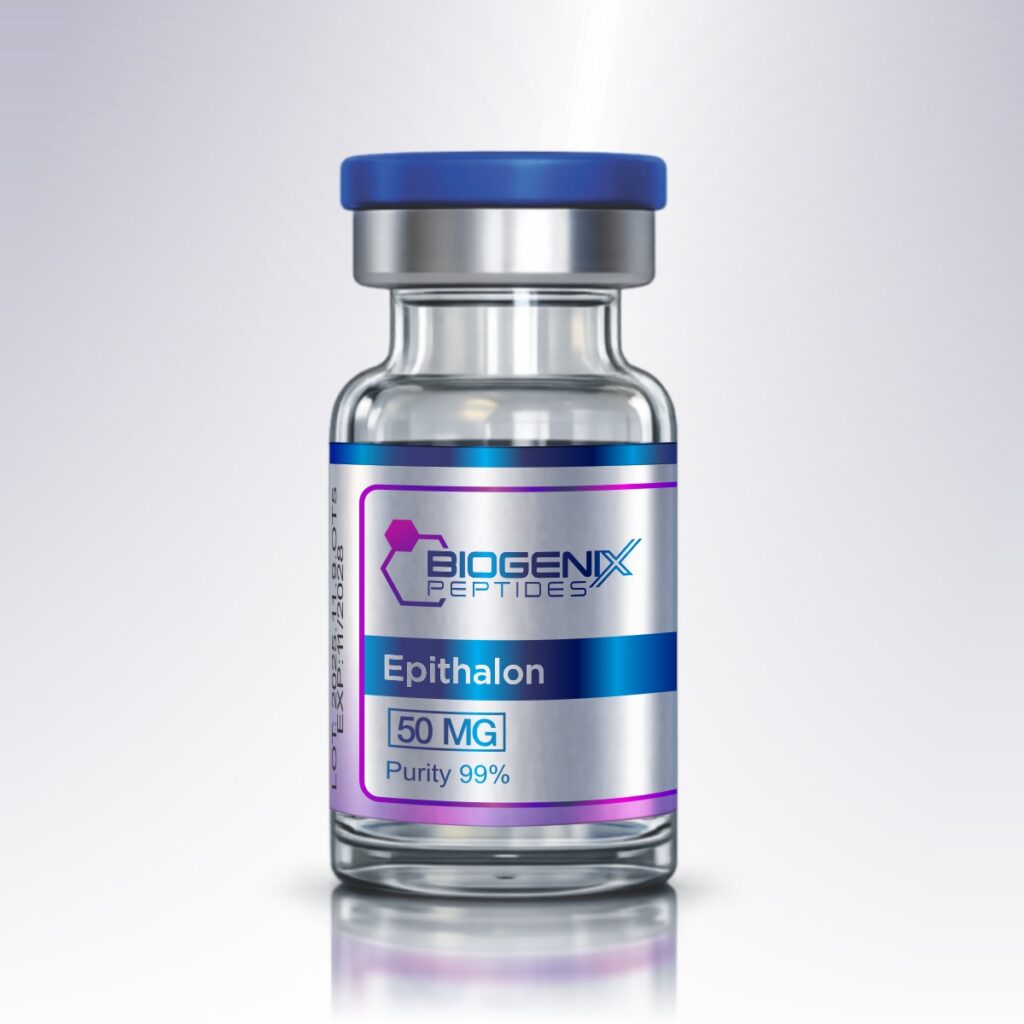
Epithalon 50mg
Epithalon, also known as AEDG peptide, Epitalon, or Epithalone, is a synthetic tetrapeptide composed of alanine, glutamic acid, aspartic acid, and glycine. It is modeled after Epithalamin, a naturally occurring pineal gland extract that has been studied for its effects on melatonin production, antioxidant activity, and cellular longevity.Research on Epithalon has suggested potential roles in pineal gland regulation, telomerase activation, oxidative stress reduction, and preservation of retinal and immune system function. Because of its connection to melatonin synthesis and circadian rhythm regulation, Epithalon has been investigated as a candidate for anti-aging, sleep, and neuroprotective studies.
In Stock
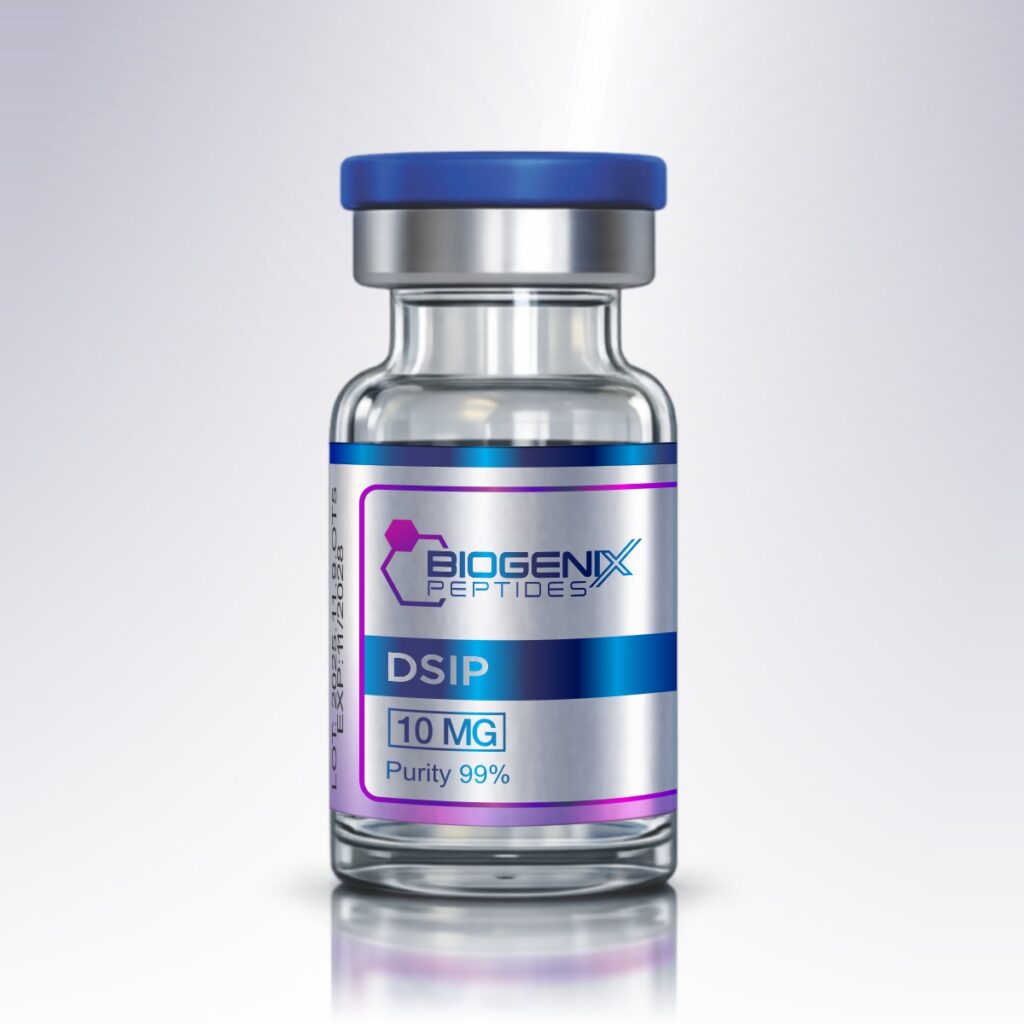
DSIP 10mg
Delta Sleep-Inducing Peptide (DSIP) is a small, naturally occurring peptide made of nine amino acids. It was first discovered in the brain during early studies on deep, slow-wave sleep. Although its name comes from its link to “delta sleep,” researchers now study DSIP for much more than sleep alone.
In research settings, DSIP has been explored for its potential to help support healthy sleep patterns, balance certain hormones, improve how the body responds to stress, and influence energy and metabolism. Some studies also look at how DSIP may affect pain perception and overall cellular resilience over time.
In Stock