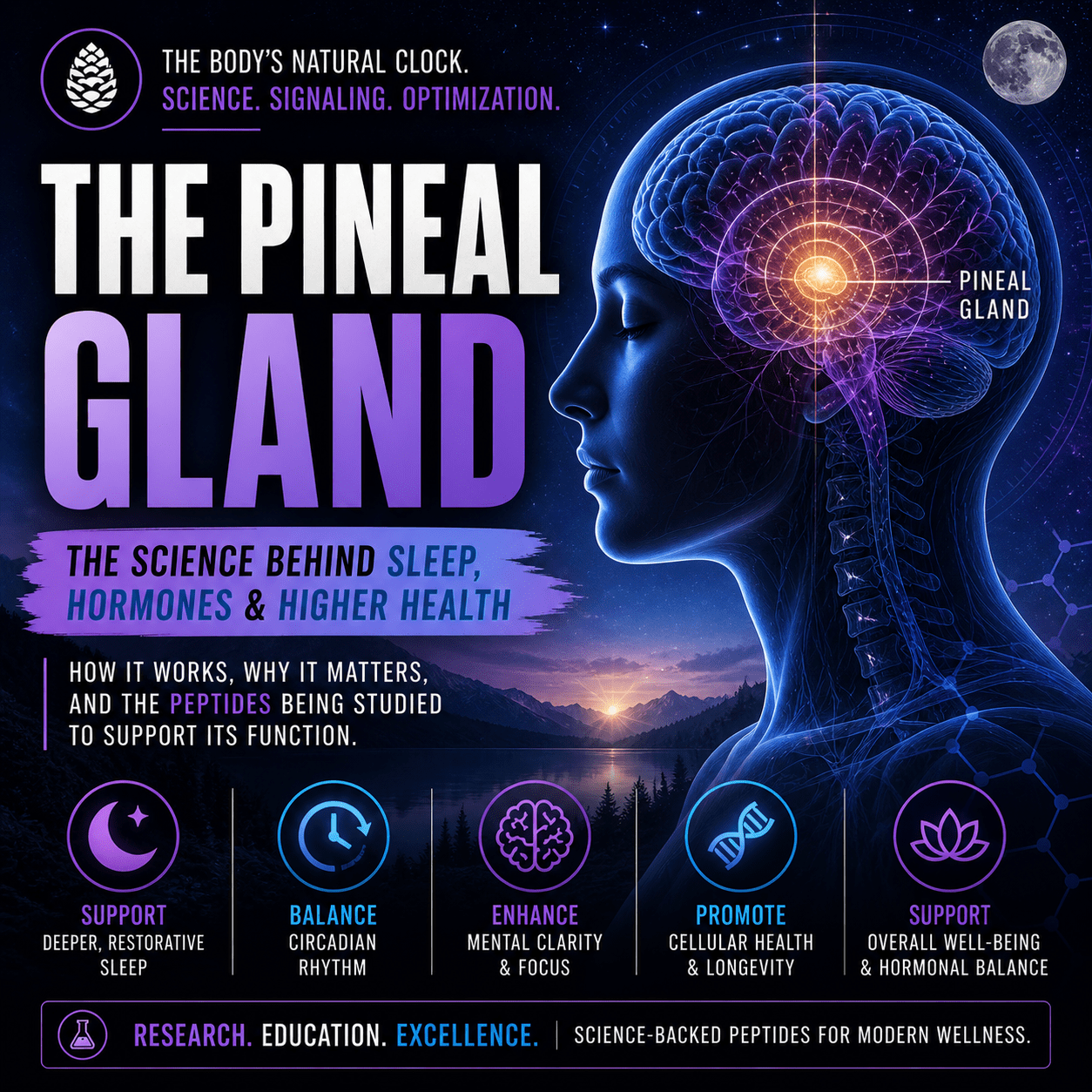
The Pineal Gland: How It Works, Why It Matters, and the Peptides Being Studied for Its Function
Disclaimer: The information provided in this article is for educational and research purposes only. BioGenix Peptides is not a licensed medical provider. These compounds are not approved for the diagnosis, treatment, or prevention of any disease. Always consult a qualified professional for medical guidance.
Introduction: The Body’s Internal Clock
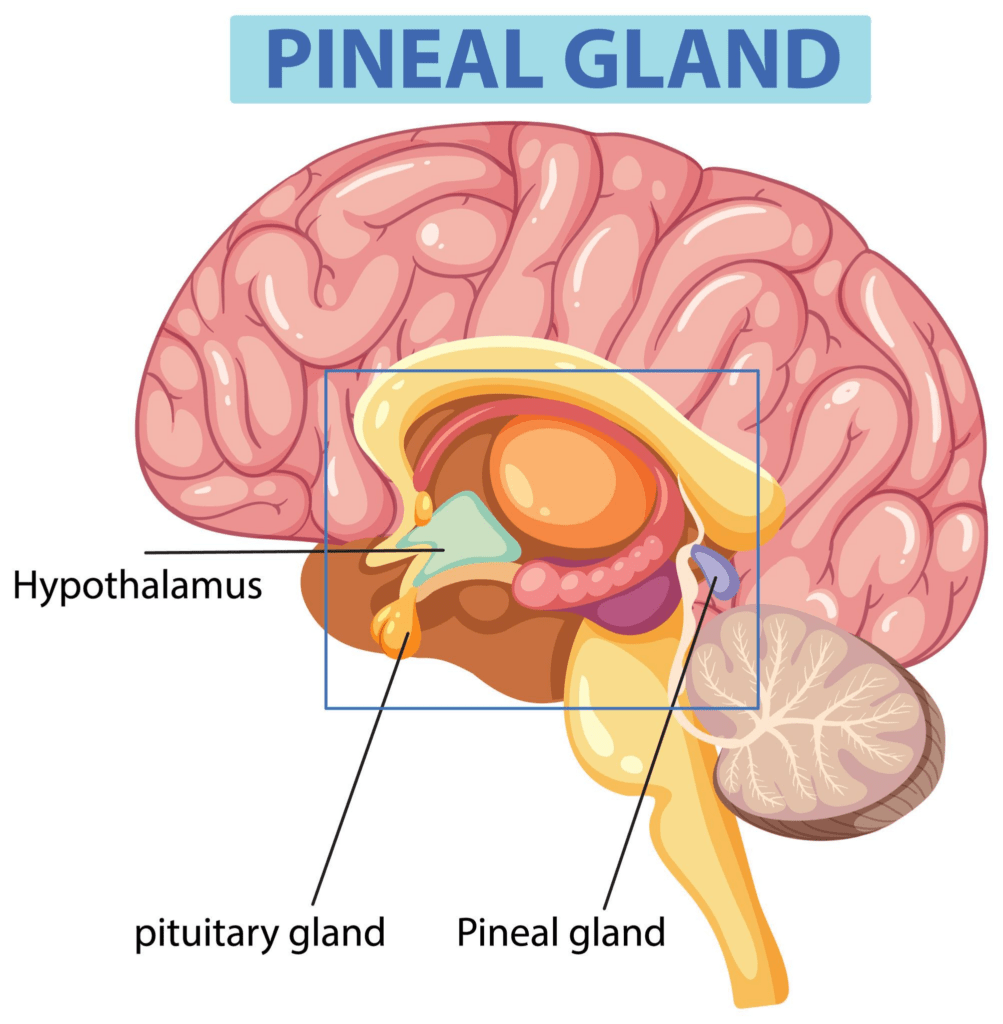
Deep within the center of the brain sits a small, pinecone-shaped structure known as the pineal gland. Despite its size, this gland plays a central role in regulating one of the most fundamental biological processes: time.
The pineal gland helps control your circadian rhythm—the internal clock that determines when you feel awake, when you feel tired, and how your body cycles through rest and recovery.
In recent years, interest has grown around how certain peptides may influence this system, particularly through their interaction with melatonin signaling and neuroendocrine regulation.
What Is the Pineal Gland?
The pineal gland is part of the endocrine system and is located between the two hemispheres of the brain. Its primary role is to produce and release melatonin, a hormone that responds to light and darkness.
Unlike many other glands, the pineal gland is directly influenced by environmental light exposure. It receives signals from the eyes via the brain, allowing it to adjust hormone output based on day-night cycles.
Key Functions:
- Regulation of circadian rhythm
- Melatonin production and release
- Influence on sleep-wake cycles
- Seasonal biological timing
How the Pineal Gland Works (In Simple Terms)
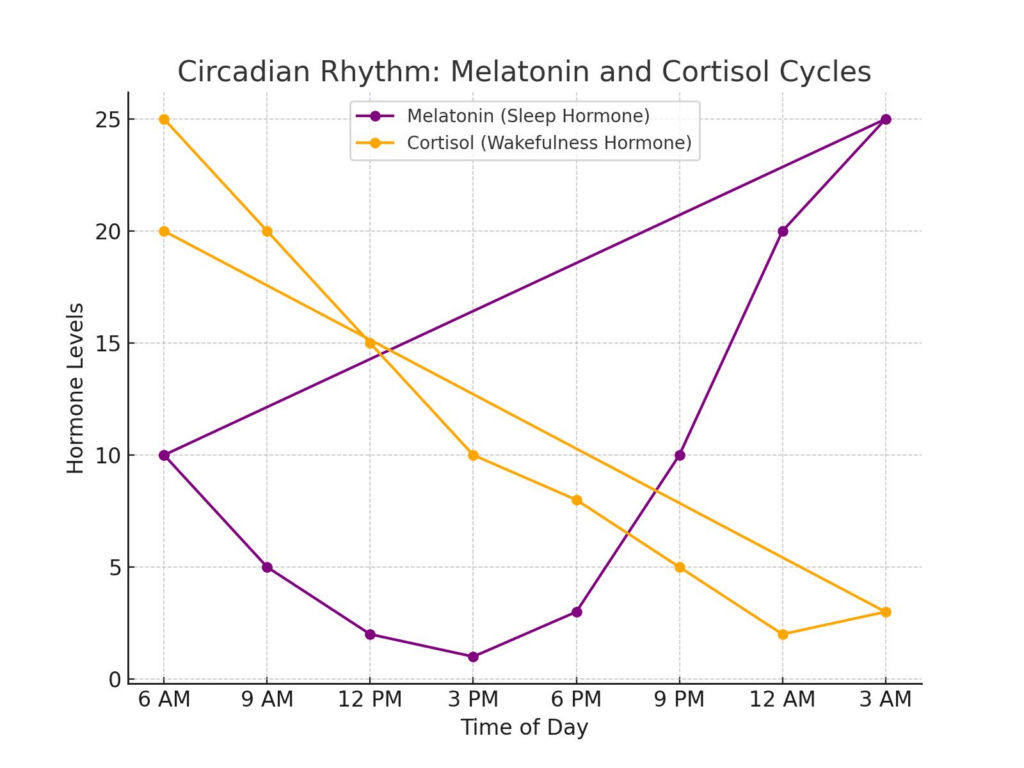
During the day, light entering the eyes signals the brain to suppress melatonin production. As darkness increases, the pineal gland begins converting serotonin into melatonin, signaling the body that it’s time to rest.
This process is tightly regulated by the suprachiasmatic nucleus (SCN), often referred to as the body’s master clock.
In simple terms:
- Light = less melatonin = alertness
- Darkness = more melatonin = sleep readiness
Why Pineal Function Matters
Proper pineal gland function is associated with:
- Consistent sleep cycles
- Hormonal rhythm balance
- Recovery and restorative processes
- Overall circadian alignment
Disruptions—such as artificial light exposure, irregular schedules, or aging—may alter normal signaling patterns.
Peptides and the Pineal Gland: What’s Being Studied
A growing area of research is exploring how certain peptides interact with pineal signaling pathways. These compounds are typically studied for their potential role in influencing melatonin production, sleep architecture, or neuroendocrine communication.
Epithalon (Epitalon)
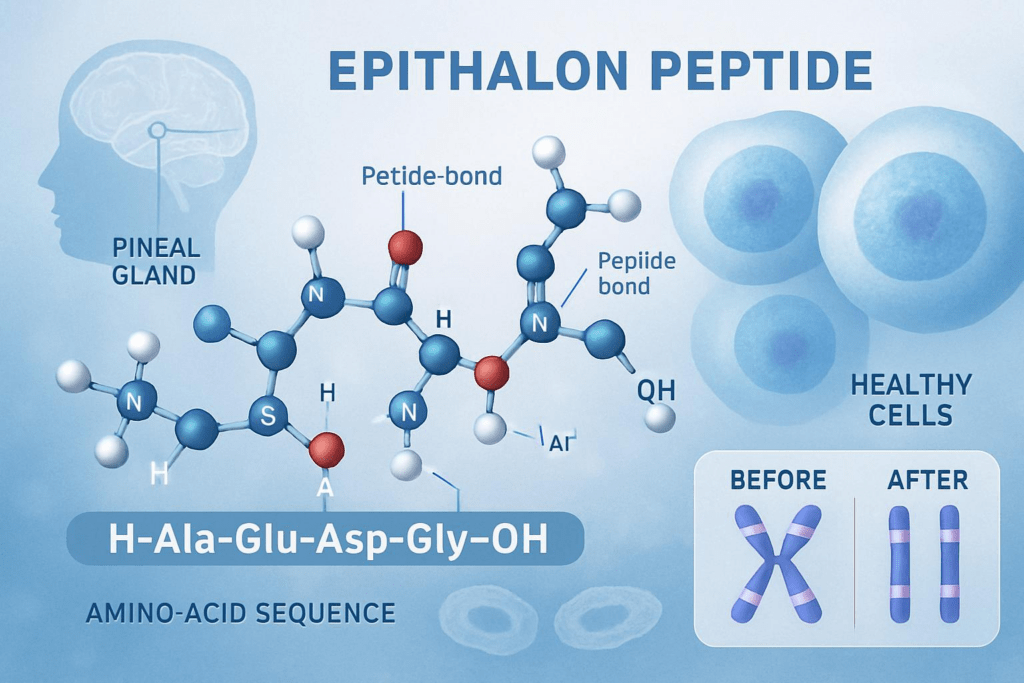
Epithalon is one of the most studied peptides in relation to the pineal gland. It is a synthetic version of a naturally occurring peptide originally isolated from the pineal gland itself.
Research has explored its relationship with:
- Melatonin regulation
- Circadian rhythm signaling
- Cellular aging markers
Some studies have examined its interaction with telomerase activity, linking it to broader investigations into biological aging.
In simple terms, Epithalon is often discussed as a peptide that may help support more youthful signaling patterns within the pineal system.
DSIP (Delta Sleep-Inducing Peptide)
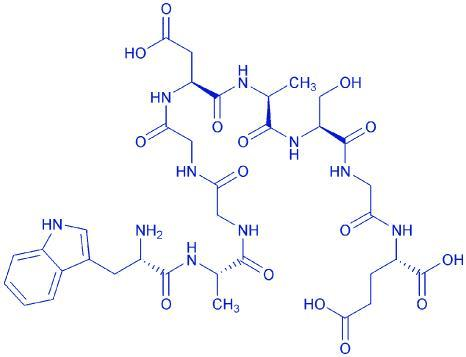
DSIP is a naturally occurring peptide associated with sleep regulation. While it does not directly originate from the pineal gland, it interacts with systems closely tied to circadian rhythm.
Areas of study include:
- Sleep onset and depth
- Stress-related sleep disruption
- Neuroendocrine signaling
DSIP is often discussed in the context of overall sleep architecture rather than direct pineal stimulation.
Pinealon

Pinealon is a short peptide studied for its effects on neuronal gene expression and brain function.
While not exclusive to the pineal gland, it is sometimes grouped with “bioregulator peptides” that may influence brain signaling systems, including those connected to circadian regulation.
Research interest includes:
- Neuronal health
- Gene expression in brain cells
- Age-related changes in neural function
Melatonin (The Pineal Output)
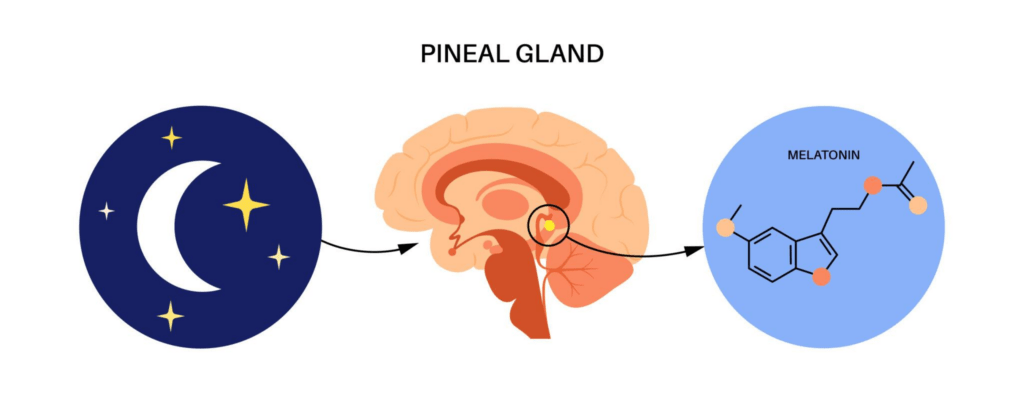
Melatonin itself is not typically classified as a peptide in commercial contexts, but it is the primary hormone produced by the pineal gland.
Its role includes:
- Regulating sleep cycles
- Signaling nighttime physiology
- Supporting circadian timing
Rather than influencing the pineal gland, melatonin represents the end result of its activity.
Selank and Semax (Indirect Influence)
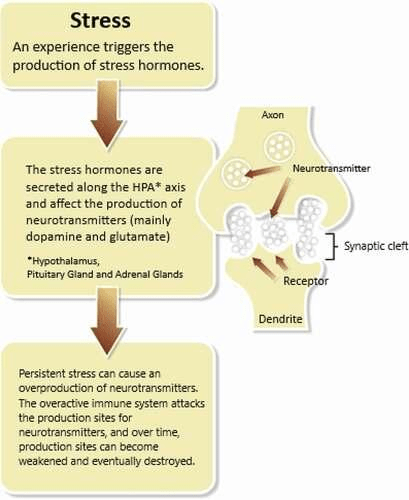
Selank and Semax are peptides studied for their effects on neurotransmitters such as serotonin and dopamine.
Because serotonin is a precursor to melatonin, these compounds may indirectly influence circadian pathways.
Research areas include:
- Stress response
- Neurotransmitter balance
- Cognitive function
The Bigger Picture: Upstream vs Downstream Thinking
One of the reasons peptides are of growing interest is their potential to influence upstream signaling pathways rather than simply replacing end hormones.
Instead of introducing melatonin directly, some research focuses on how signaling molecules may influence the body’s own regulatory systems.
This distinction is a key concept in modern peptide research.
Final Thoughts
The pineal gland plays a critical role in regulating biological timing, sleep cycles, and hormonal rhythms. While small, its influence extends across multiple systems in the body.
Peptides such as Epithalon, DSIP, and Pinealon are being studied for their interaction with these pathways, offering a deeper look into how signaling at the cellular level may influence broader physiological patterns.
As research continues to evolve, the connection between peptides and the pineal gland remains an area of growing scientific interest.
About BioGenix Peptides
At BioGenix Peptides, we are committed to providing high-purity compounds for research and educational purposes. Our products are manufactured in controlled environments, undergo rigorous quality checks, and include accessible Certificates of Analysis (COAs) for transparency.
Driven by science. Defined by purity.