

The Metabolic Revolution | Exploring the Science
A Guide to Modern Metabolic Signaling: GLP-1, GIP, Glucagon, AMPK, Mitochondria, and Amylin Amplification
Educational & Research-Only Disclaimer: This article is provided for educational and informational purposes only and discusses theoretical and published scientific research related to metabolic signaling. It is not medical advice and is not intended to diagnose, treat, cure, or prevent any disease. All compounds referenced are intended strictly for laboratory research use and are not for human or animal consumption. Statements have not been evaluated by the U.S. Food and Drug Administration (FDA).
Introduction
For decades, metabolism was treated as a math problem: calories in, calories out. When results didn’t match the equation, the blame fell on discipline. Modern science has dismantled that model. Metabolism is a signal-driven biological system—a communication network involving the gut, brain, pancreas, liver, adipose tissue, and mitochondria that decides how fuel is used long before calories are “burned.”
This flagship guide explains the dominant signaling systems shaping modern metabolic research and the most discussed tools for exploring them: Semaglutide, Tirzepatide, Retatrutide, MOTS-C, 5-Amino-1MQ, SLU-PP-332, and Cagrilintide—with deep science first, then clear “In Simple Terms” summaries.
Explore Related Research Topics
- GLP-1 & Incretin Pathways Explained
- Multi-Agonist Peptides & Metabolic Signaling
- AMPK Activation & Mitochondrial Metabolic Control
- NNMT Inhibition & Metabolic Efficiency
- PPAR-δ Activation & Exercise-Mimetic Signaling
- Amylin Signaling & Satiety Amplification
Metabolism Isn’t Willpower — It’s Wiring
Hunger, satiety, energy levels, glucose stability, and fat storage are not primarily “choice” outcomes. They are the end result of upstream signaling: hormones bind receptors, receptors trigger intracellular cascades, and cells shift how they handle fuel. That upstream “instruction layer” influences:
- Appetite & satiety: how often hunger appears and how long fullness lasts
- Meal behavior: portion size, cravings, reward-driven eating, and food preoccupation
- Glucose handling: post-meal spikes, fasting stability, and glucose uptake dynamics
- Fuel selection: carbohydrate vs. fatty-acid oxidation (metabolic flexibility)
- Energy expenditure: basal metabolic rate and thermogenic output
- Cellular output: mitochondrial efficiency, endurance signaling, metabolic resilience
The “metabolic revolution” is essentially a shift from fighting outcomes to mapping mechanisms. In research discussions, peptides and small molecules are often used as tools to explore specific nodes of that network—GLP-1, GIP, glucagon, AMPK, mitochondrial peptides, amylin, and more.
Key Idea
Modern metabolic research is not about forcing deprivation. It’s about signal engineering—understanding which levers exist, what they control, and how multi-pathway systems interact.
Chapter I — Semaglutide
The Foundation of Appetite Regulation (GLP-1 Signaling)
Scientific Overview
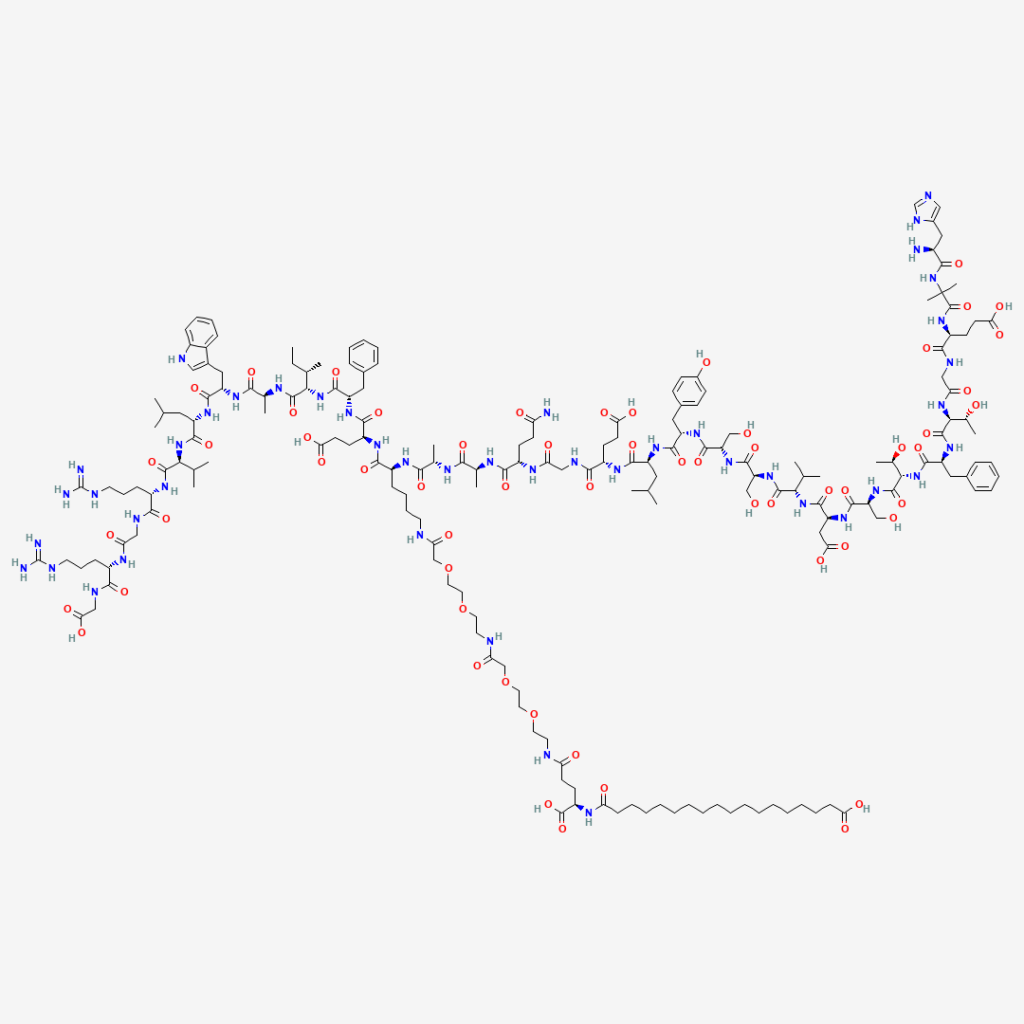
Semaglutide is a long-acting GLP-1 receptor agonist engineered to mimic endogenous glucagon-like peptide-1 (GLP-1) while resisting rapid enzymatic breakdown. GLP-1 is an incretin hormone that participates in appetite regulation and glucose control via coordinated signaling across the gut–brain–pancreas axis. Semaglutide’s structural modifications (including lipidation) prolong circulation time, enabling sustained receptor engagement and long-duration signaling.
GLP-1 receptor expression is distributed across metabolic control hubs, including hypothalamic nuclei involved in satiety perception, pancreatic beta cells involved in glucose-dependent insulin secretion, and gastrointestinal tissues that influence gastric emptying. This multi-site distribution helps explain why GLP-1 agonism can simultaneously shift appetite behavior and glycemic stability.
Mechanism of Action (Mechanism-First View)
- Central satiety signaling: GLP-1 receptor activation in appetite centers can reduce hunger drive and increase satiety responsiveness.
- Gastric emptying modulation: slower gastric emptying can increase fullness duration and reduce the urge to eat frequently.
- Glucose-dependent insulin response: incretin signaling can support more stable post-meal glucose handling (without claiming clinical outcomes).
- Behavioral load reduction: by reducing “food noise,” GLP-1 signaling can make dietary adherence easier in research contexts.
In many research discussions, semaglutide is viewed as a “foundation” compound: it primarily reshapes appetite behavior and glucose dynamics through GLP-1 signaling, rather than directly amplifying thermogenesis or cellular energy expenditure.
In Simple Terms
Semaglutide helps make smaller meals feel satisfying and reduces how often hunger dominates attention—supporting steadier intake patterns without “revving the engine.”
Research Compound Reference
Semaglutide (GLP-1 receptor agonist) — available in BioGenix Peptides™ Ultra-Pure Series™

Chapter II — Tirzepatide
Dual-Incretin Signaling: Appetite + Metabolic Flexibility (GLP-1 + GIP)
Scientific Overview
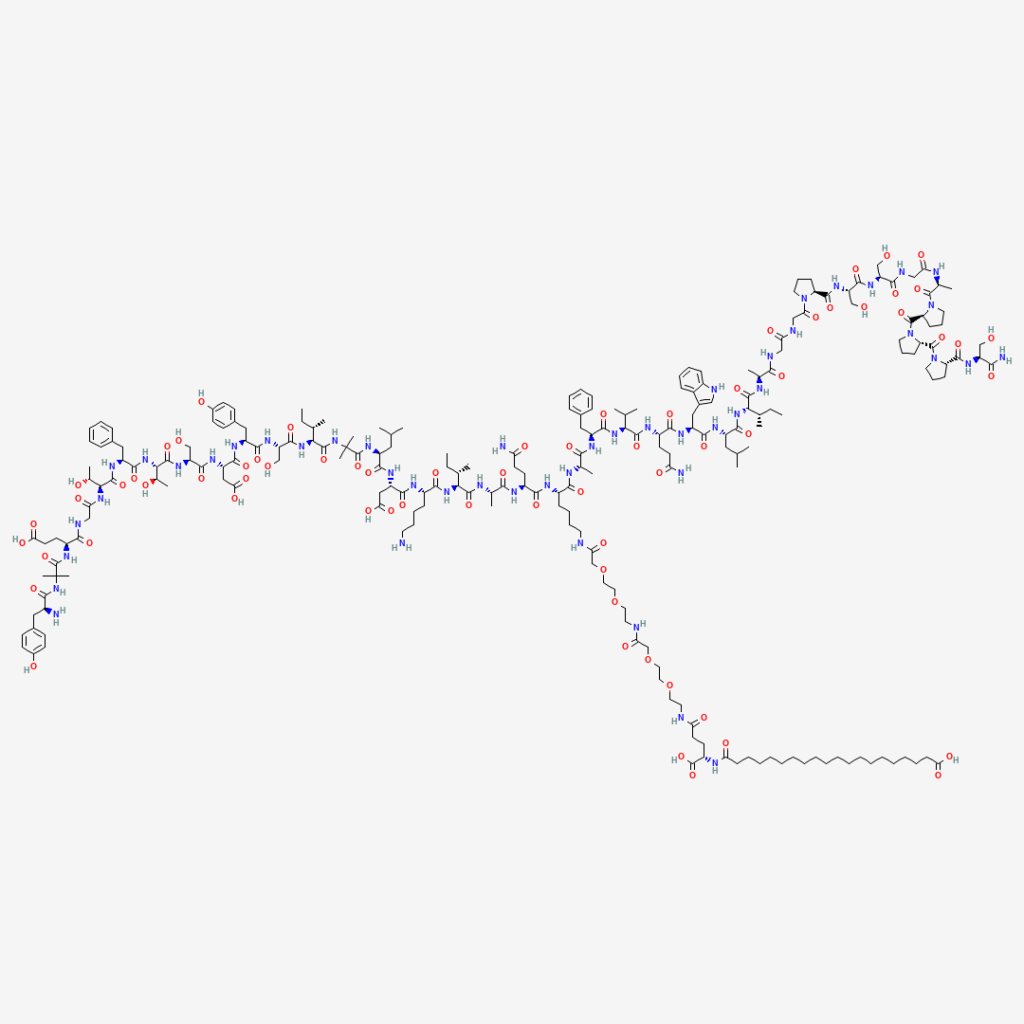
Tirzepatide is a dual agonist targeting both the GLP-1 receptor and the GIP receptor. This matters because GLP-1 and GIP are incretin hormones that influence metabolic behavior through partially overlapping but distinct signaling roles. GLP-1 is commonly associated with satiety and gastric dynamics, while GIP is frequently discussed for its role in post-meal nutrient handling, insulin sensitivity signaling, and metabolic switching—the ability to transition between glucose and fatty-acid oxidation efficiently.
In simplified systems language: GLP-1 helps regulate “how much comes in,” while GIP can influence “how well incoming fuel is processed.” In research discussions, the GLP-1 + GIP combination is often associated with improved perceived energy compared to GLP-1 alone—likely due to broader effects on substrate handling and cellular fuel utilization (without making personal outcome claims).
Mechanism of Action (Simplified Pathway Layer)
- GLP-1 axis: appetite suppression, satiety enhancement, gastric emptying modulation.
- GIP axis: nutrient partitioning signals, metabolic flexibility support, post-prandial fuel handling.
- System behavior: combined signaling can create a more “dynamic” metabolic profile than GLP-1 alone.
Researchers often frame tirzepatide as a step beyond appetite control: it can be used as a tool to explore how dual incretin signaling affects metabolic efficiency, behavioral intake patterns, and fuel utilization dynamics.
In Simple Terms
Tirzepatide can reduce hunger and help the body handle fuel more efficiently—often described as “appetite control plus metabolic smoothness.”
Research Compound Reference
Tirzepatide (Dual GLP-1/GIP agonist) — BioGenix Peptides™ Ultra-Pure Series™
Chapter III — Retatrutide
Triple-Agonist Signaling: Appetite + Efficiency + Thermogenesis (GLP-1 + GIP + Glucagon)
Scientific Overview
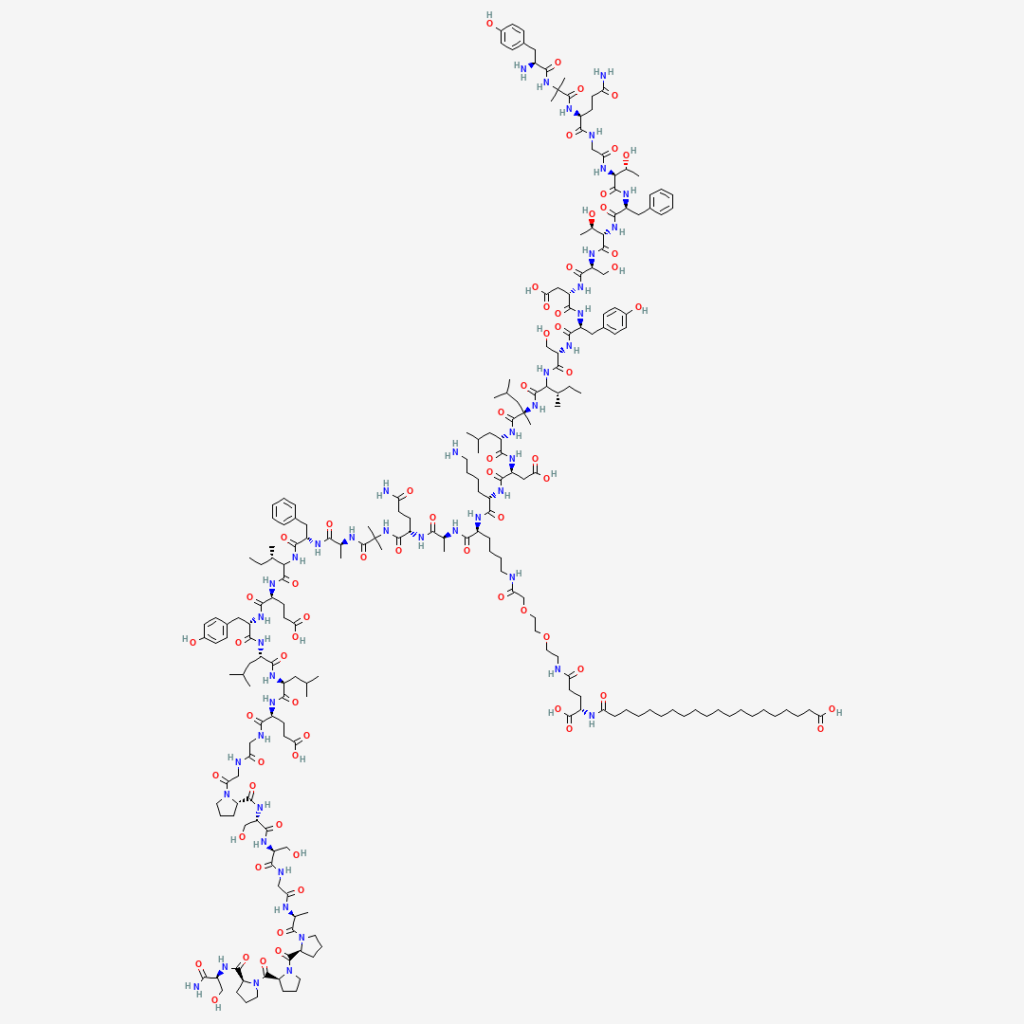
Retatrutide is a triple agonist targeting GLP-1, GIP, and glucagon receptors. The addition of glucagon receptor activity is what makes the triple-agonist concept qualitatively different from GLP-1-only or dual-incretin systems. In metabolic physiology, glucagon signaling is commonly associated with hepatic energy mobilization and increased substrate availability. In research discussions, glucagon pathway engagement is often linked to increased fat oxidation and thermogenesis—heat production that can reflect elevated metabolic activity.
Importantly, the triple-agonist model is frequently framed as “appetite control without pure starvation” because GLP-1/GIP can reduce intake while glucagon signaling can influence energy expenditure and fat utilization. This does not imply guaranteed outcomes; it describes why researchers are interested in the pathway combination.
Why Glucagon Matters (Mechanistic Layer)
- Energy mobilization: glucagon signaling influences hepatic glucose output and stored-energy access (mechanism, not a personal claim).
- Fat oxidation signaling: increased reliance on fatty-acid oxidation is commonly discussed with glucagon pathway engagement.
- Thermogenic activity: increased metabolic heat production can accompany higher energy expenditure in some models.
- Multi-pathway coverage: GLP-1 + GIP + glucagon spans appetite, nutrient handling, and expenditure signals.
Retatrutide is frequently positioned as the most “complete” metabolic signaling tool among current incretin-related research compounds because it touches multiple layers: behavioral intake, nutrient handling, and energy expenditure signaling.
In Simple Terms
Retatrutide is often described as a “full-spectrum” metabolic switch: it can reduce hunger, improve fuel handling, and engage fat-burning/thermogenic signaling at the same time.
Research Compound Reference
Retatrutide (GLP-1/GIP/Glucagon triple agonist) — BioGenix Peptides™ Ultra-Pure Series™
Beyond Incretins: From Hormonal Signals to Cellular Output
GLP-1, GIP, and glucagon signaling operate as high-level endocrine “control messages.” But deeper metabolic control occurs at the cellular layer, where energy is produced and fuel selection is executed. This is where AMPK activation and mitochondrial signaling become central—because metabolism is ultimately limited by cellular efficiency.
Key Concept: Metabolic Flexibility
Metabolic flexibility is the capacity to switch efficiently between carbohydrate oxidation and fatty-acid oxidation depending on demand. This flexibility is influenced by incretin signaling (GLP-1/GIP), energy sensors like AMPK, and mitochondrial function.
Chapter IV — MOTS-C
Mitochondrial Signaling, AMPK Activation, and “Clean Energy” Physiology
Scientific Overview
MOTS-C is a mitochondrial-derived peptide frequently discussed in research for its role in metabolic homeostasis and cellular energy regulation. Unlike appetite-centric pathways that begin with gut hormones and receptors in the brain, mitochondrial peptides operate closer to the metabolic “engine room”: they influence how cells produce energy, how efficiently substrates are used, and how metabolic stress is managed.
A central concept in MOTS-C discussions is AMPK (AMP-activated protein kinase), often described as a cellular energy sensor. When AMPK activity rises, cells are more likely to:
- increase glucose uptake (mechanistic discussion)
- increase fatty-acid oxidation
- enhance mitochondrial biogenesis signaling
- shift toward more efficient energy utilization
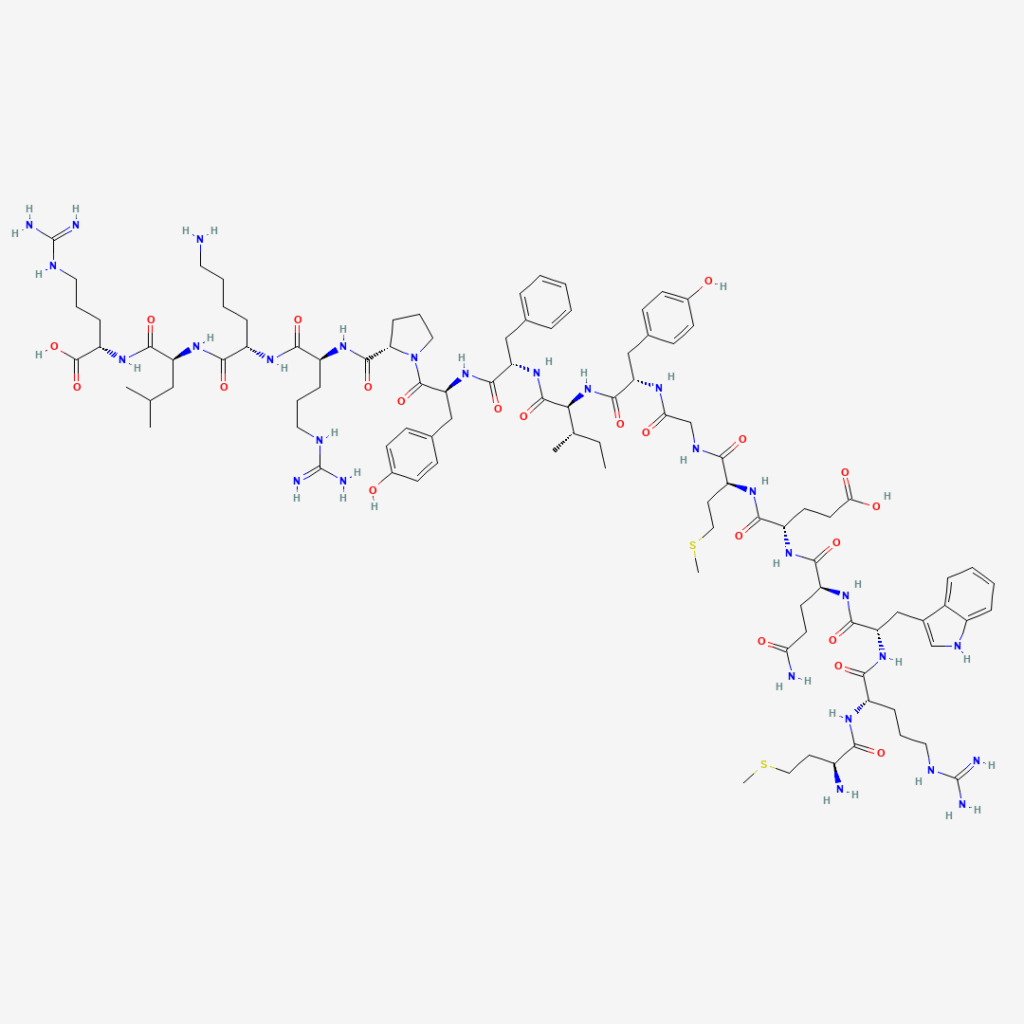
Why AMPK Is a “Metabolic Switch”
AMPK acts like a cellular decision-maker: when energy is low or energy demand is high, AMPK signaling favors processes that generate ATP and improve substrate handling. In metabolic research, this is why AMPK is associated with improved endurance signaling and better metabolic flexibility.
In Simple Terms
MOTS-C is about cellular performance: it’s often used to explore “clean energy” metabolism—how cells become more efficient at producing and using fuel.
Research Compound Reference
MOTS-C (Mitochondrial-derived peptide) — BioGenix Peptides™ Synergy Series™
Chapter V — 5-Amino-1MQ
NNMT Inhibition and the “Metabolic Brake” Concept
Scientific Overview
5-Amino-1MQ is a small-molecule research compound commonly discussed as an NNMT inhibitor. NNMT (nicotinamide N-methyltransferase) is an enzyme studied for its role in metabolic regulation within adipose tissue and energy expenditure pathways. In research contexts, NNMT is often described as a “metabolic brake”—not because it stops metabolism, but because elevated activity can be associated with reduced metabolic efficiency and altered adipocyte behavior.
Adipocyte Biology and Energy Turnover
An adipocyte is a fat cell—an energy storage unit, but also an endocrine signaling cell. Adipocytes release signals that influence systemic metabolism. NNMT-related pathways have been studied in adipose tissue energy regulation and cellular efficiency frameworks, making NNMT inhibition a research interest area.
Mechanism Lens (What Researchers Explore)
- Energy turnover: exploring how cellular energy expenditure shifts when NNMT activity is reduced.
- Adipocyte behavior: investigating changes in fat-cell size regulation and storage signaling.
- Metabolic efficiency: studying how “fuel processing” changes at the cellular level.
👉 Related Reading: NNMT Inhibition and Metabolic Regulation
In Simple Terms
5-Amino-1MQ is used in research discussions as a way to explore what happens when you remove “metabolic brakes” inside fat tissue—shifting cells toward higher energy turnover.
Research Compound Reference
5-Amino-1MQ (NNMT inhibitor) — BioGenix Peptides™ Synergy Series™
Chapter VI — SLU-PP-332
PPAR-δ Agonism and Exercise-Mimetic Metabolic Signaling
Scientific Overview
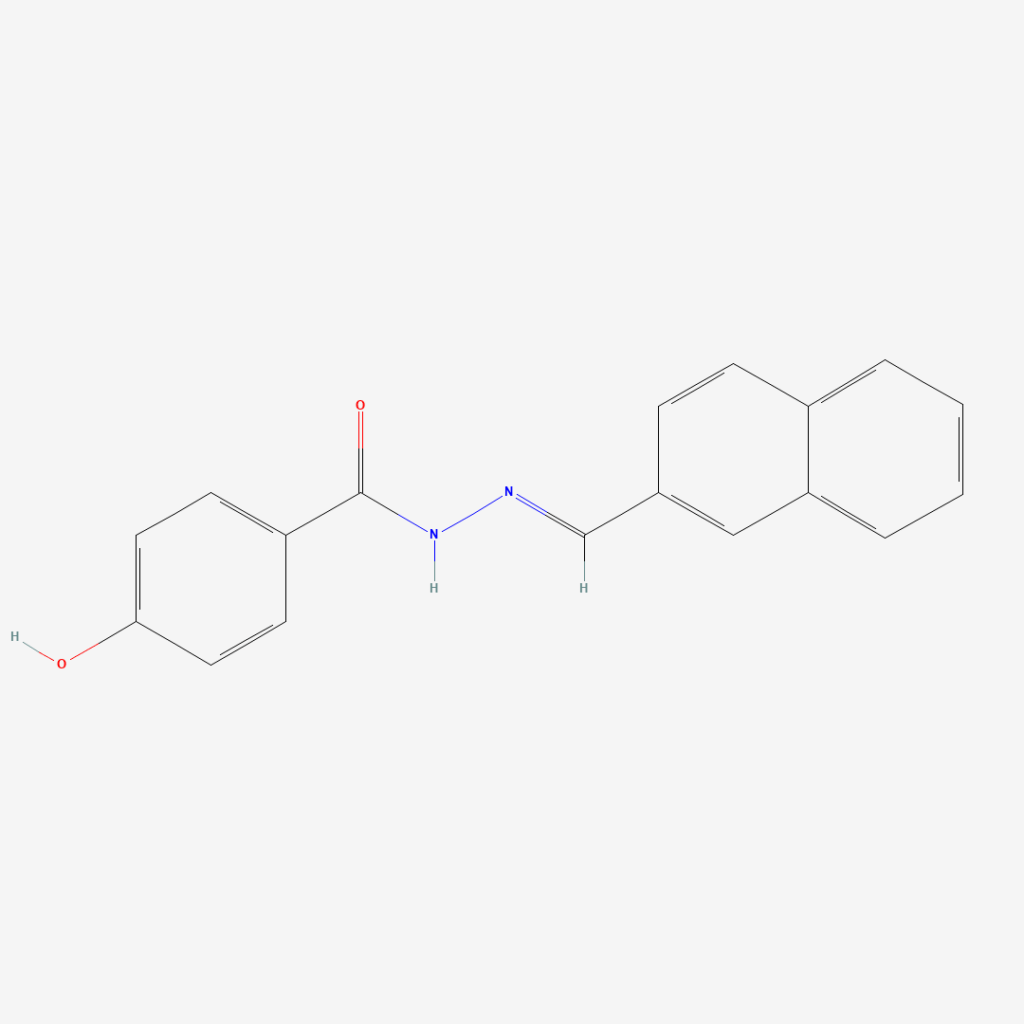
SLU-PP-332 is discussed in research contexts as a PPAR-δ agonist. PPAR-δ (peroxisome proliferator-activated receptor delta) is a nuclear receptor involved in lipid metabolism and oxidative capacity signaling. PPAR-δ activation is commonly associated with increased fatty-acid oxidation, endurance-related gene expression, and shifts toward more oxidative muscle fiber characteristics—adaptations frequently seen with sustained aerobic training.
In “exercise mimetic” discussions, the goal is not to claim replacement of training; it is to study whether specific signaling pathways can reproduce certain metabolic adaptations (e.g., higher reliance on fat oxidation) through receptor-mediated transcriptional changes.
Mechanism Lens (How PPAR-δ Is Framed)
- Fatty-acid oxidation: increased utilization of fat as fuel (mechanistic discussion).
- Oxidative capacity: endurance-associated metabolic signaling within muscle tissue.
- Efficiency shift: improved fuel selection behaviors at the cellular level.
In Simple Terms
SLU-PP-332 is often discussed as a way to explore “trained metabolism”—signaling that nudges the body toward endurance-style fuel use (more fat oxidation, more efficiency).
Research Compound Reference
SLU-PP-332 (PPAR-δ agonist) — BioGenix Peptides™ Advanced Research Series
Chapter VII — Cagrilintide
The GLP-1 Amplifier: Amylin Signaling and Satiety Multiplication
Scientific Overview
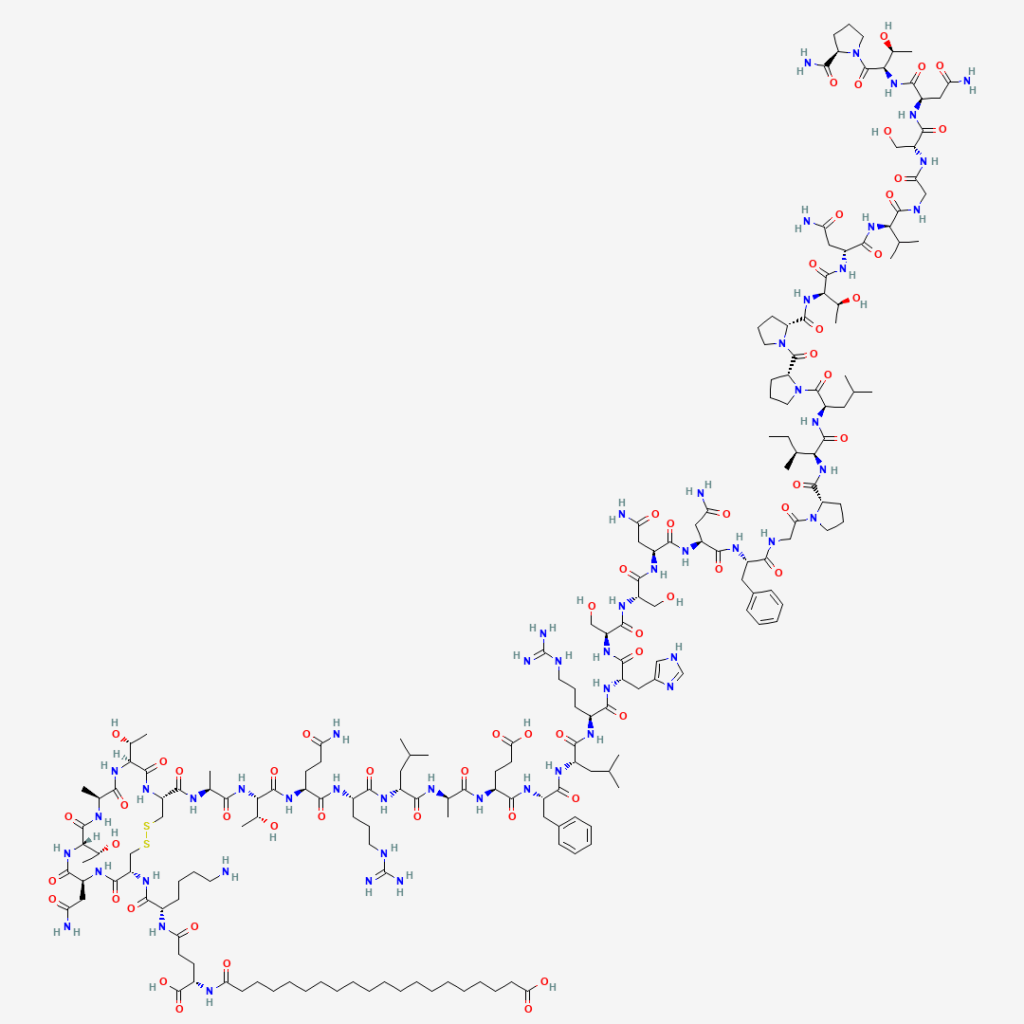
Cagrilintide is an amylin analog. Amylin is a peptide hormone co-secreted with insulin that contributes to satiety and meal termination signaling. Unlike GLP-1 agonists, which primarily operate through GLP-1 receptors in appetite and glucose-control systems, amylin signaling acts through its own receptor complex (often described as amylin receptors formed by calcitonin receptor complexes). This receptor separation is exactly why cagrilintide is frequently described as an “amplifier” in GLP-centered research discussions: it adds a second satiety pathway rather than competing with GLP-1 signaling.
Amplification Effect (Why Researchers Stack It)
In research language, stacking amylin signaling with GLP signaling can produce:
- Deeper satiety: earlier meal termination and longer fullness duration (mechanism-focused).
- Craving suppression: reduced reward-driven eating pressure in some models.
- Lower meal size: reduced portion demand due to stronger satiety signaling.
- Adherence leverage: improved compliance in caloric-reduction models (descriptive, not a guarantee).
In combined-system terms: GLP-1 often decreases “hunger drive,” while amylin can strengthen “stop eating” and “stay full” signals. The result is a dual-path satiety architecture that can feel qualitatively stronger than GLP-1 alone in many research narratives.
👉 Related Reading: Cagrilintide: The Secret Catalyst for GLP-1 Pathways
In Simple Terms
Cagrilintide adds another “I’m full” signal on top of GLP-1—often making the appetite-control experience feel dramatically stronger and longer-lasting.
Research Compound Reference
Cagrilintide (Amylin analog) — BioGenix Peptides™ Synergy Series™

What This Adds Up To: Multi-Pathway Metabolic Engineering
The metabolic revolution is not a single compound story. It’s a systems story—multiple signals, multiple receptors, multiple layers: appetite regulation (GLP-1), nutrient handling (GIP), expenditure signaling (glucagon), cellular efficiency (AMPK/mitochondria), and satiety amplification (amylin). Each layer hits a different “switch,” and the future of metabolic research is about understanding how these switches interact.
In Short
The blueprint of each molecule changes the outcome: small structural differences can turn a basic appetite signal into a dual-path metabolic enhancer, then into a multi-pathway system that engages appetite control, fuel handling, and thermogenic signaling—while mitochondrial and amylin pathways upgrade the deeper “engine” and “satiety” layers.
Related Products (Quick Links)
Peer Reviewed References
- Drucker DJ. The biology of incretin hormones. Cell Metab. 2006;3(3):153–165. PubMed
- Nauck MA, Meier JJ. Incretin hormones: Their role in health and disease. Diabetes Obes Metab. 2018;20(Suppl 1):5–21. PubMed
- Frias JP, et al. Tirzepatide versus semaglutide once weekly in patients with type 2 diabetes. N Engl J Med. 2021;385:503–515. Full text
- Jastreboff AM, et al. Triple–hormone-receptor agonist retatrutide for obesity. N Engl J Med. 2023;389:514–526. Full text
- Lee C, et al. Mitochondrial-derived peptide MOTS-c promotes metabolic homeostasis and reduces obesity and insulin resistance. Cell Metab. 2015;21(3):443–454. PubMed
- Kraus D, et al. Nicotinamide N-methyltransferase knockdown protects against diet-induced obesity. Nat Med. 2014;20(9):1128–1135. PubMed
- Lutz TA. The role of amylin in the control of food intake. Am J Physiol Regul Integr Comp Physiol. 2012;303:R1137–R1150. PubMed
- Evans RM, Barish GD, Wang YX. PPARs and the complex journey to obesity. Nat Med. 2004;10(4):355–361. PubMed
Note: References are provided to support educational discussion of mechanisms and signaling pathways. This article does not make medical claims and does not constitute medical advice.
Compliance Disclaimer: This content is for educational and informational purposes only and is not medical advice. All compounds referenced are intended strictly for laboratory research use only and are not for human or animal consumption. Not evaluated by the FDA. No medical claims are made.