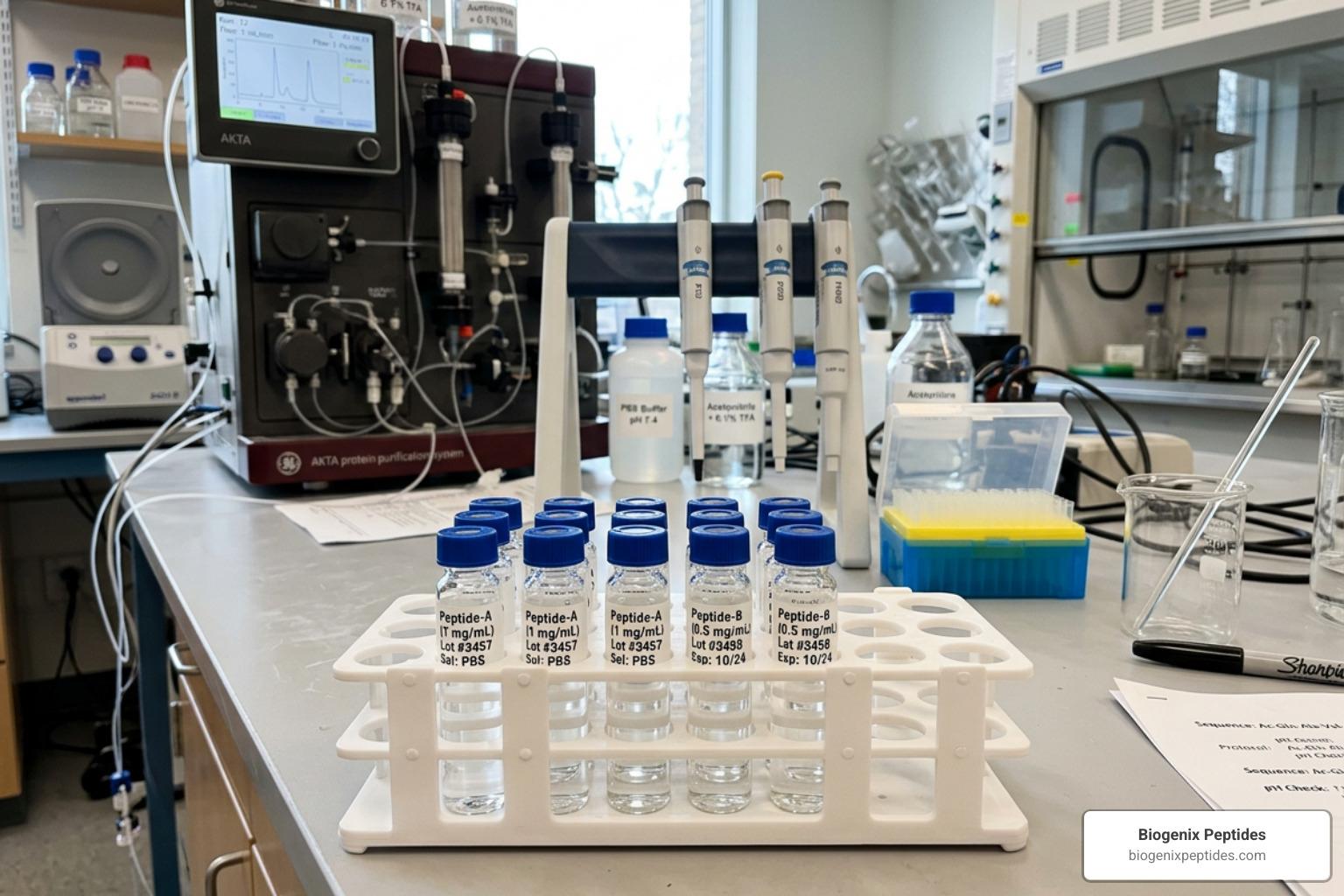
The Complete Guide to Peptide Blends
The Complete Guide to Peptide Blends
What Peptide Blends Are and Why Researchers Study Them
Disclaimer: The information provided in this article is for educational and informational purposes only. It is not intended as medical advice, diagnosis, or treatment. Products and compounds referenced are for research use only and are not approved for human or veterinary consumption. Always consult a qualified professional regarding health or medical decisions.
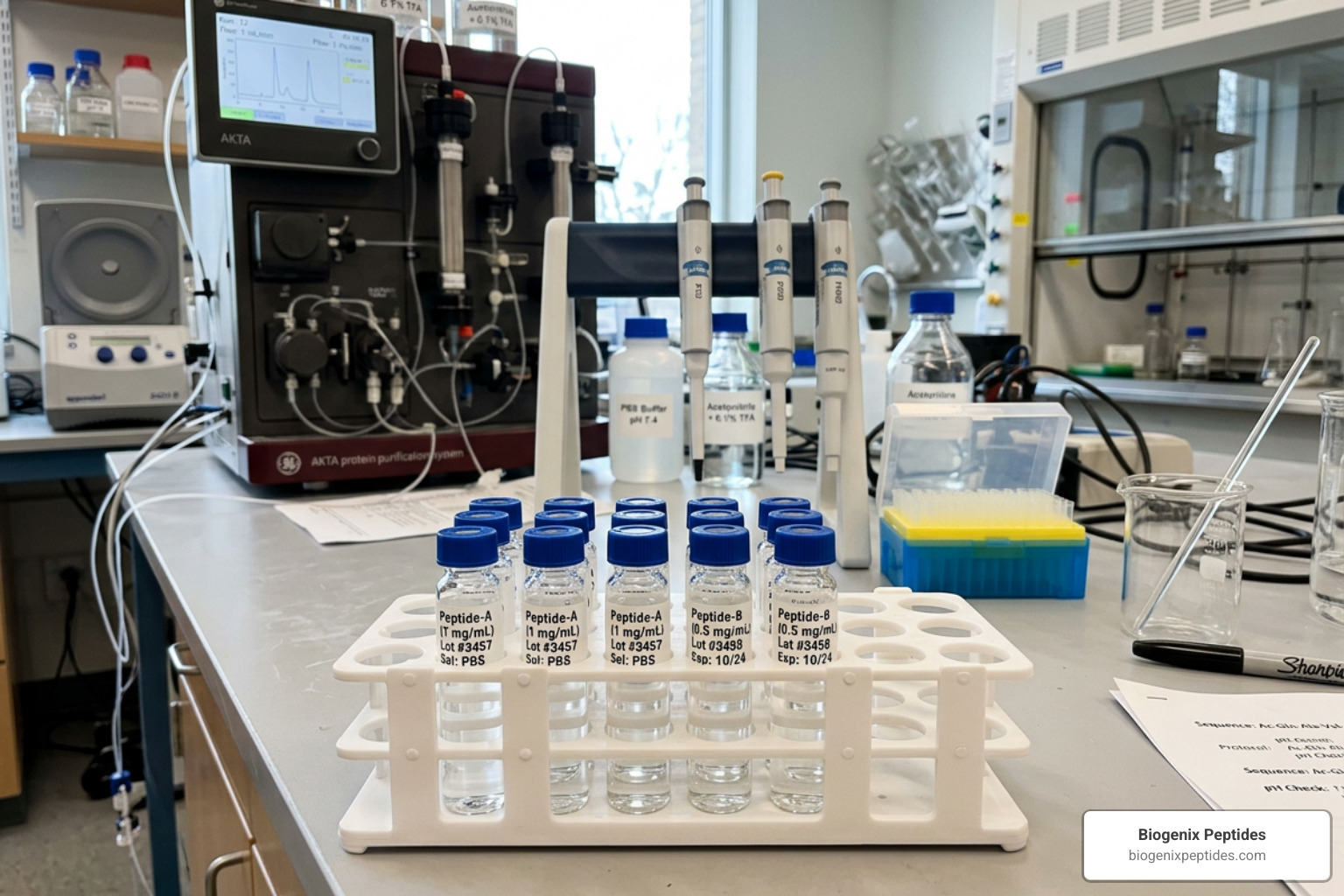
Peptide blends are combinations of two or more peptide compounds formulated together to study how they interact across multiple biological pathways simultaneously.
Here is a quick overview of what you need to know:
| Topic | Key Point |
|---|---|
| What they are | Two or more peptides combined in a single research formulation |
| Why researchers use them | To study synergistic effects across multiple pathways at once |
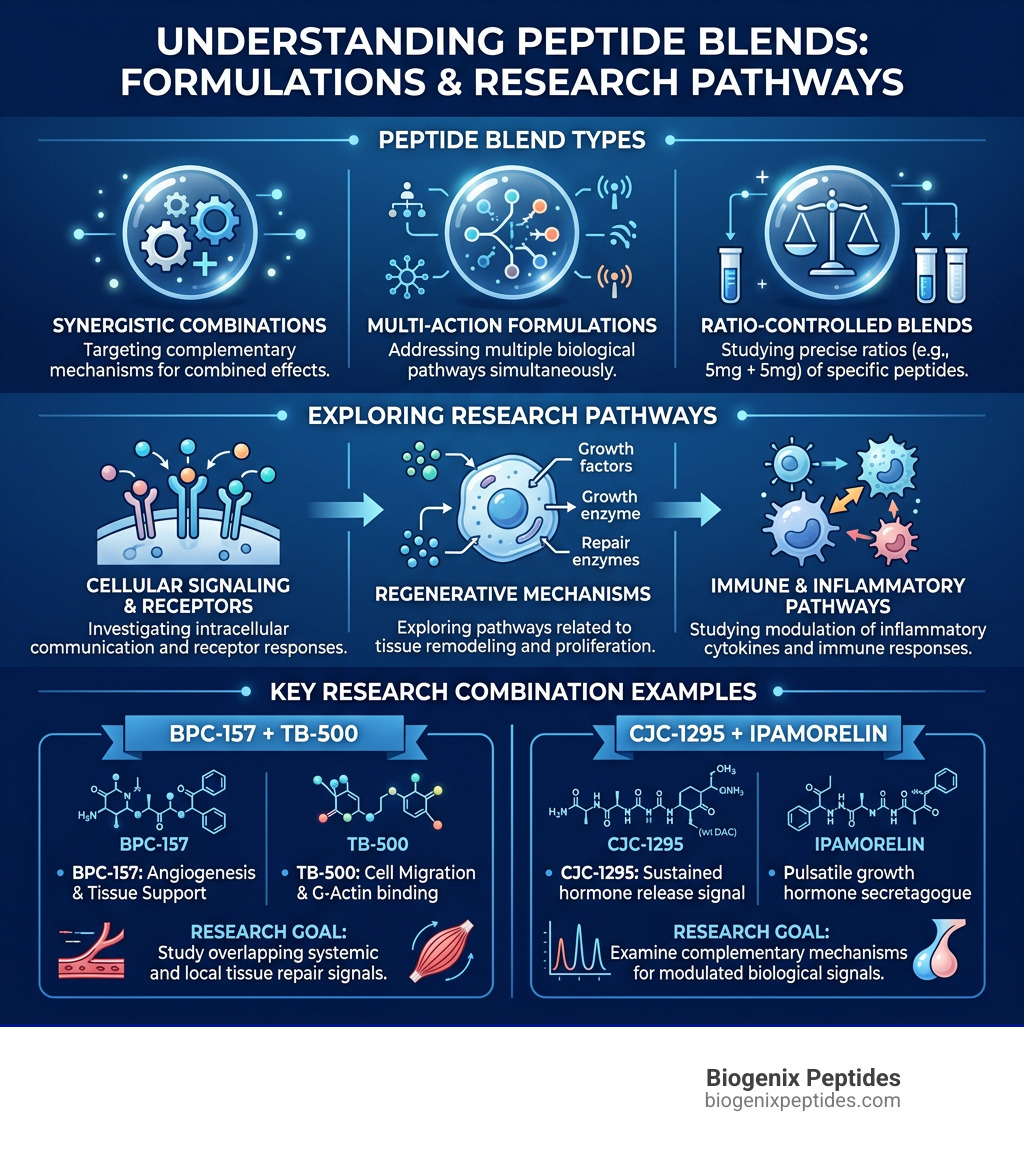
| Common research combinations | BPC-157 + TB-500, CJC-1295 + Ipamorelin, GHK-Cu blends |
| Regulatory status | Not FDA-approved; for laboratory research use only |
| Key debate | Fixed-ratio blends vs. individually controlled peptide protocols |
Single peptides are powerful research tools on their own. But when researchers combine peptides with complementary mechanisms, they can study how those compounds interact — and whether the combined effect differs from each compound studied alone.
That question drives a lot of interest in this field right now.
Some combinations, like BPC-157 paired with TB-500, are studied for how local and systemic repair pathways might overlap. Others, like CJC-1295 combined with Ipamorelin, are examined for how short- and long-acting growth hormone signals behave together. Each combination raises its own set of research questions — and its own set of considerations around design, purity, and protocol integrity.
This guide covers all of it: the science, the popular combinations, the quality control standards, and the honest debate around whether pre-mixed blends serve research better than individually controlled compounds.
I’m Jay Daniel, Founder and CEO of BioGenix Peptides, with years of hands-on experience in peptide development, sourcing protocols, and quality validation — including direct work with peptide blends across a wide range of research applications. Understanding how these formulations behave at a molecular level is central to everything we do at BioGenix Peptides, and this guide reflects that research-first perspective.
Understanding the Science of Peptide Blends
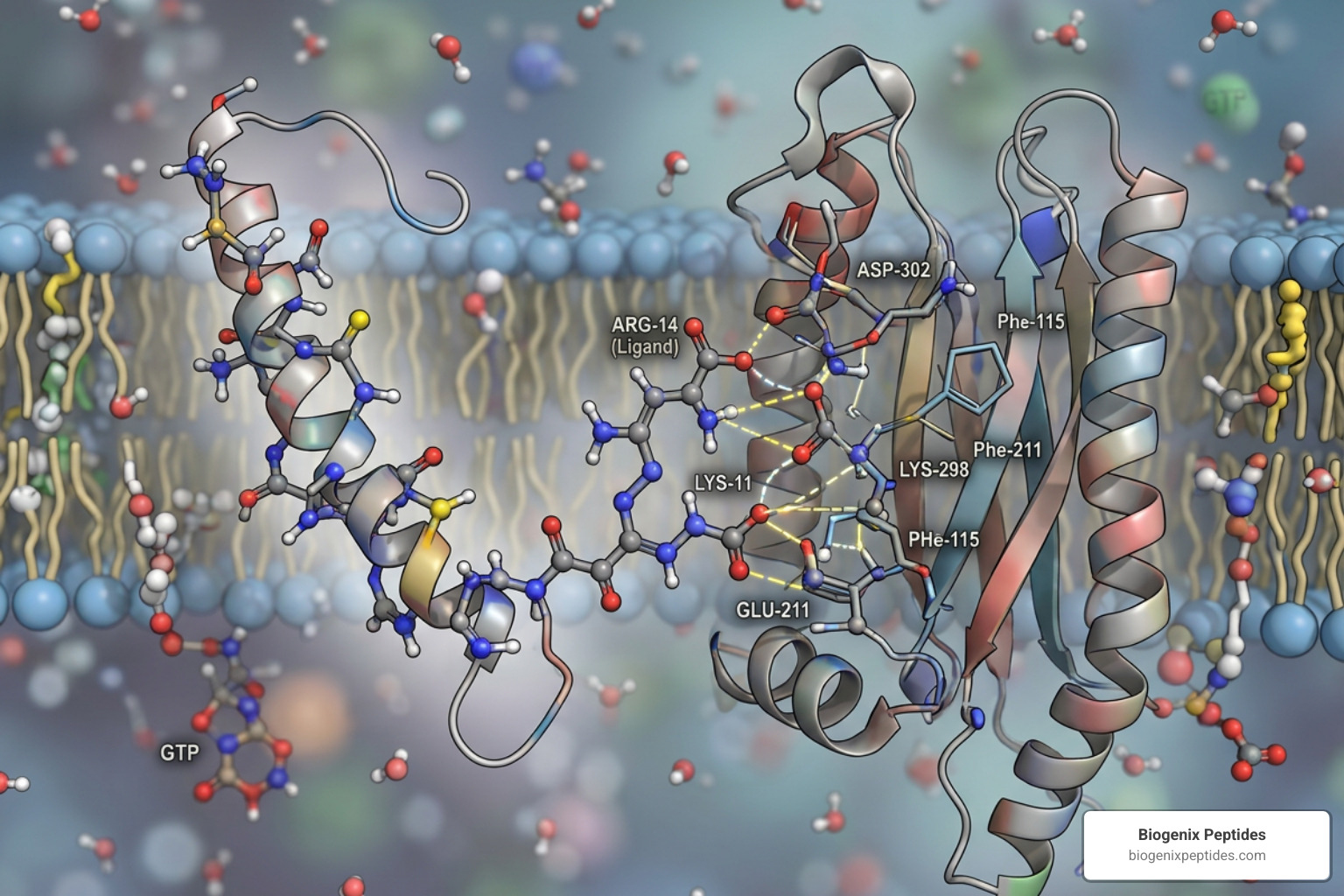
At the heart of peptide blends is the concept of synergy. In a research setting, synergy occurs when the combined effect of two compounds is greater than the sum of their individual effects. When we look at molecular structures, we aren’t just looking at two separate molecules floating in a solution; we are looking at how they might influence receptor sensitivity and intracellular signaling pathways simultaneously.
For example, research into the Regenerative and Protective Actions of the GHK-Cu Peptide shows how a single peptide can influence gene data related to collagen synthesis and anti-oxidation. When researchers add other compounds to this mix, such as in the Klow Blend 80mg, they are often attempting to modulate additional pathways, like mitochondrial protection or inflammatory cytokine release, to see if a broader “multi-angled” approach yields more significant data in tissue repair models.
Pharmacokinetics—the study of how a substance moves through a biological system—becomes much more complex with blends. Each peptide has its own half-life. Some, like GHRP-2, act quickly, while others, like Tesamorelin, have a more sustained presence. Studying them together allows researchers to observe how these different “rhythms” of signaling interact.
Comparing Single Peptides vs. Peptide Blends
The choice between using a single peptide and a pre-mixed blend is a major point of discussion in the research community. It often comes down to a trade-off between convenience and precision.
When a researcher uses a pre-mixed blend, the ratio of the peptides is fixed. This is excellent for reproducibility in studies that require a specific, constant ratio across multiple subjects. However, it limits the ability to adjust the amount of one peptide without affecting the other. If a research subject shows a strong response to one component but a negative response to another, a fixed blend makes it impossible to isolate the variable.
| Feature | Single Peptides | Pre-Mixed Peptide Blends |
|---|---|---|
| Research Precision | High; allows for variable ratios | Moderate; ratios are fixed by the manufacturer |
| Pharmacokinetics | Clear; only one half-life to track | Complex; multiple half-lives interacting |
| Convenience | Lower; requires separate handling | Higher; multiple compounds in one vial |
| Experimental Control | Maximum control over variables | Limited control over individual components |
| Cost | Can be higher if buying many vials | Often more economical per milligram |
Many researchers prefer the “researcher-controlled” approach, where they purchase individual peptides and combine them in the same syringe immediately before administration. This maintains the convenience of a single application while preserving the ability to fine-tune the protocol based on real-time data.
Potential Risks and Safety in Peptide Blends Research
Safety is the paramount concern in any laboratory environment. With peptide blends, the complexity of the formulation can introduce unique risks. One primary concern is the potential for cross-reactivity between the peptides in the vial, which could theoretically alter their molecular integrity over time if not stabilized correctly.
Commonly reported observations in animal models include application-site irritation, transient fatigue, or mild nausea. These are often attributed to the high concentration of active compounds in a single solution. Furthermore, the risk of contamination or under-concentration is a reality in the market; if a blend is not manufactured to rigorous standards, the actual ratio of peptides may not match the label, throwing off the entire research protocol.
High-quality research also looks at the long-term implications. For instance, Utilizing Developmentally Essential Secreted Peptides Such as Thymosin β4 highlights the importance of understanding how these molecules affect tissue engineering and regenerative medicine at a cellular level before drawing broad conclusions.
Popular Research Combinations and Their Targeted Pathways
The most frequently studied peptide blends are those that target tissue repair and growth hormone (GH) modulation. By hitting multiple pathways, researchers hope to see a more comprehensive “healing” or “optimizing” effect in their models.
The “Wolverine” combination—pairing BPC-157 and TB-500—is perhaps the most iconic. BPC-157 is a fragment of a gastric protein known for its localized healing properties, particularly in gut tissue and tendons. Pentadecapeptide BPC 157 and Tendon Fibroblasts research suggests it enhances growth hormone receptor expression locally. TB-500 (a synthetic version of Thymosin Beta-4), on the other hand, is known for its systemic effects, promoting cell migration and angiogenesis (the growth of new blood vessels).
When researchers use a BPC-157 + TB-500 20mg Blend, they are investigating whether the local repair signals of BPC-157 work synergistically with the systemic regenerative signals of TB-500 to accelerate recovery in multi-tissue injury models.
Growth Hormone Secretagogue Peptide Blends
Another major area of study involves Growth Hormone Secretagogues (GHS). These blends are designed to simulate the body’s natural GH pulsatility.
A staple in this category is the CJC-1295 no DAC + Ipamorelin blend.
- CJC-1295 (without DAC): Acts as a Growth Hormone Releasing Hormone (GHRH) analog, providing a steady signal to the pituitary gland.
- Ipamorelin: Acts as a selective ghrelin receptor agonist, triggering a specific “pulse” of growth hormone without significantly affecting cortisol or prolactin levels.
By combining these two, researchers can study a more “natural” GH release pattern. Some advanced studies even incorporate Tesamorelin, which has been shown to elevate IGF-1 levels significantly (by an average of 181 micrograms/liter in some data), and GHRP-2, which adds an additional layer of GH stimulation. These “4X Blends” are used to study complex metabolic signaling and fat oxidation pathways.
Metabolic and Skin Repair Complexes
Beyond muscle and bone, peptide blends are heavily utilized in dermatological and metabolic research. The “Glow” or “Radiance” blends often center around GHK-Cu, a copper peptide known for its role in skin remodeling and anti-inflammatory signaling.
When GHK-Cu is combined with KPV (a tripeptide derived from alpha-MSH), researchers look for a dual-action approach to inflammation. While GHK-Cu works on the surface and extracellular matrix, KPV is studied for its ability to modulate inflammatory pathways deeper within the cell. Some interesting Research on KPV and Ulcerative Colitis suggests KPV has potent anti-inflammatory effects that could be useful in various tissue models.
The Glow Blend typically incorporates these elements to study comprehensive dermal rejuvenation and systemic inflammatory reduction.
Quality Control and Regulatory Status in Research
One of the most critical aspects of working with peptide blends is ensuring that what is on the label is actually in the vial. Because you are dealing with multiple compounds, the margin for error in manufacturing increases.
At BioGenix Peptides, we emphasize that all research materials should undergo rigorous testing:
- HPLC (High-Performance Liquid Chromatography): This separates the components of the blend to verify the purity of each individual peptide. We look for purity levels exceeding 99%.
- Mass Spectrometry: This confirms the molecular weight of the peptides, ensuring that the correct sequences were synthesized.
Most high-quality blends are provided as a lyophilized powder (freeze-dried). This format is essential for maintaining the stability of the peptides during shipping and storage. Once reconstituted, the peptides begin to degrade more quickly, so researchers must follow strict storage requirements—typically refrigeration between 1°C and 7°C—and use the solution within a specific timeframe (often 6-8 weeks).
Regarding the law, it is vital to remember that these peptide blends are not FDA-approved for human use. In the United States, they are classified as research chemicals. This means they are legal to purchase and use for laboratory experimentation, but any “off-label” use for human performance or anti-aging is outside the scope of their regulatory designation. Studies such as those on Thymosin Beta 4 and Myocardial Infarction are strictly animal or in vitro based.
Sourcing and Manufacturing Standards
Where a peptide is made matters. USA-made peptides are often preferred in domestic research because of the oversight and consistency in manufacturing standards. Custom synthesis allows researchers to request specific ratios—for example, a 1:1 ratio of BPC-157 to TB-500, or a more complex mixture like the Cagrilintide + Semaglutide 10mg Blend, which is currently a hot topic in metabolic research.
Batch consistency is the backbone of reliable science. If one batch of a blend has slightly different ratios than the next, the results of a long-term study could be invalidated. This is why sourcing from reputable suppliers who provide transparent testing data is non-negotiable for serious researchers.
Frequently Asked Questions about Peptide Blends
Are peptide blends FDA-approved for human use?
No. Peptide blends are currently categorized as research chemicals. While individual components may be involved in clinical trials (for example, Tesamorelin is FDA-approved for specific medical conditions like HIV-associated lipodystrophy), the pre-mixed blends sold by research suppliers are not approved for human or veterinary consumption. They are intended solely for in vitro or laboratory research.
How do researchers determine the best peptide ratios?
Determining ratios is a matter of experimental modeling. Researchers often start by looking at the standard research amounts for each peptide individually and then adjust based on the desired level of synergy. For example, a 1:1 ratio of BPC-157 to TB-500 is common because it provides an equal balance of local and systemic signaling. In GH blends, the ratio might be skewed toward the GHRH analog (like CJC-1295) to provide a stronger “baseline” signal.
Can different peptide blends be combined in a single study?
Yes, but it adds significant complexity. Researchers must be wary of “cross-reactivity” or simply overwhelming the biological system’s receptors. If too many signals are sent at once, the receptors may downregulate (become less sensitive), which can skew the data. Multi-blend protocols require very careful design to maintain research integrity and ensure that the results can be accurately attributed to the specific compounds being studied.
Conclusion
The future of peptide blends in research is incredibly bright. As we move away from studying isolated compounds and toward a more “systems biology” approach, these combinations allow us to see the bigger picture of how the body repairs, recovers, and regulates itself.
Whether it’s the tissue-mending potential of the BPC-157 and TB-500 “Wolverine” stack or the metabolic insights provided by GHS combinations, peptide blends offer a unique window into molecular synergy. However, the benefits of convenience must always be weighed against the need for research precision and the absolute necessity of high-purity, laboratory-tested materials.
At BioGenix Peptides, we are committed to providing the highest quality compounds to support your scientific innovations. We believe that integrity in sourcing leads to integrity in results.
Ready to take your research to the next level? Explore the full catalog of our premium peptides and blends today.