
Sexual Health, Libido, and Peptide Research: What Science Is Exploring in Men and Women
From signaling molecules and hormone pathways to nitric oxide production, mitochondrial energy, recovery, stress resilience, and tissue health, peptide science is opening new conversations around human sexual wellness and vitality.
Sexual health is one of the most complex and misunderstood areas of human physiology. Libido is not controlled by one single hormone, one gland, or one neurotransmitter. It is influenced by a network of systems working together:
- Hormonal balance
- Neurological signaling
- Dopamine and reward pathways
- Blood flow and nitric oxide signaling
- Stress and cortisol regulation
- Sleep quality
- Mitochondrial energy production
- Body composition and metabolic health
- Inflammation and tissue repair
- Confidence, mood, and recovery
In both men and women, these systems can gradually shift with age, stress, metabolic dysfunction, poor sleep, chronic inflammation, and hormonal changes. Researchers are now investigating how certain peptides may influence many of the upstream systems connected to sexual health and libido.
Importantly, peptides are not “magic aphrodisiacs.” Most are being studied because they may affect the foundational biology that supports sexual wellness in the first place.
About the Author
I’m Jay D Daniel, Founder and CEO of BioGenix Peptides and a peptide research specialist who has spent years studying peptide science, metabolic signaling, recovery biology, and the intersection between performance, longevity, and human physiology. Sexual health is one of the most multi-factorial areas in medicine and research, and understanding how peptide pathways interact with hormones, circulation, inflammation, energy systems, and neurological signaling may help explain why interest in this field continues to grow.
Why Libido Is More Than Testosterone or Estrogen
A major misconception is that libido is simply “high testosterone” in men or “balanced estrogen” in women.
In reality, sexual desire and performance involve:
- Dopamine signaling
- Nitric oxide release
- Vascular responsiveness
- Nervous system regulation
- Stress hormone balance
- Sleep architecture
- Thyroid function
- Body fat distribution
- Insulin sensitivity
- Mood and reward circuitry
- Energy production within mitochondria
This is why someone can have “normal” hormone labs yet still experience low libido, reduced arousal, fatigue, or diminished sexual wellness.
Researchers are increasingly studying peptides because many act upstream on signaling pathways rather than simply replacing hormones directly.
Suggested Hero Art:
Elegant scientific/luxury style artwork featuring male and female silhouettes with neural pathways, mitochondria, hormonal overlays, and peptide molecular graphics in a dark blue and magenta biotech palette.
The Major Biological Drivers of Sexual Health
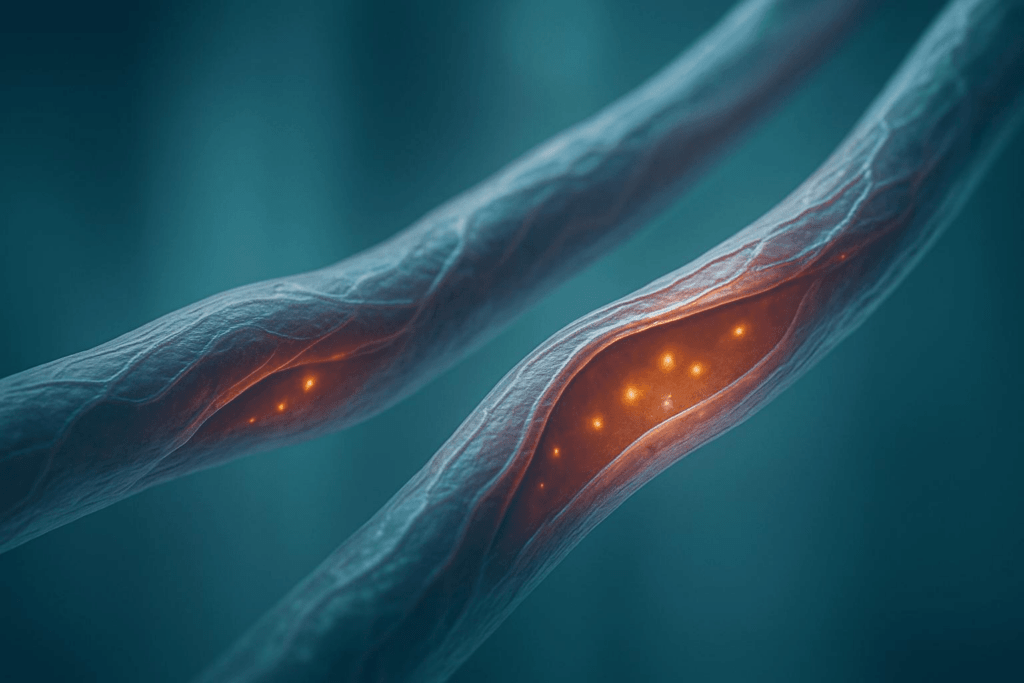
1. Nitric Oxide and Blood Flow
Nitric oxide (NO) is one of the most important molecules in sexual physiology.
It helps regulate:
- Vasodilation
- Circulation
- Vascular responsiveness
- Erectile physiology
- Genital blood flow in both men and women
Reduced nitric oxide signaling is associated with aging, endothelial dysfunction, diabetes, obesity, cardiovascular dysfunction, and oxidative stress.
Several peptides being studied today may influence nitric oxide pathways indirectly through vascular and tissue signaling mechanisms.
PT-141 (Bremelanotide): The Most Discussed Libido Peptide

Among all peptides connected to sexual wellness research, PT-141 is probably the best known.
Unlike compounds that primarily target vascular mechanics, PT-141 is interesting because it acts centrally within the nervous system through melanocortin receptor pathways.
Researchers have explored PT-141 for:
- Sexual desire signaling
- Arousal pathways
- CNS-mediated libido effects
- Female sexual interest
- Male sexual wellness research
One reason PT-141 generated attention is because it appears to work through neurological mechanisms rather than acting strictly as a blood-flow agent.
Sexual desire begins in the brain long before vascular responses occur.
Suggested Art Placement:
Futuristic neural-network artwork with melanocortin receptor graphics and subtle romantic energy themes — avoiding explicit imagery.
Melanotan and the Melanocortin System
Long before peptides like PT-141 became widely discussed in sexual wellness research, scientists were already studying the melanocortin system through compounds such as Melanotan I and Melanotan II.
While these compounds became best known for their association with pigmentation and tanning research, researchers also observed unexpected effects related to sexual arousal, libido signaling, erectile physiology, and central nervous system stimulation.
This sparked major scientific interest because it suggested the melanocortin system may play a much larger role in human sexual physiology than previously understood.
In fact, PT-141, also known as Bremelanotide, emerged from melanocortin-related research and became one of the most recognized peptides in the libido and sexual wellness conversation.
Why the Melanocortin Pathway Matters
Researchers believe melanocortin receptors may influence several systems connected to libido and sexual health, including:
- Dopamine-related signaling
- Sexual motivation
- Arousal pathways
- Neurological stimulation
- Hypothalamic communication
- Reward and desire signaling
Unlike compounds focused primarily on nitric oxide or vascular mechanics, melanocortin peptides appear to work more centrally through the brain and nervous system.
This distinction is important because libido begins as a neurological event long before physical responses occur.
Some researchers now view melanocortin signaling as one of the key bridges between mood, motivation, attraction, energy, reward pathways, and sexual behavior.
The relationship between melanocortin peptides and sexual wellness remains an evolving area of scientific study, but their influence on the broader conversation around libido research is undeniable.
Suggested Art Placement:
Dark futuristic neural artwork with glowing melanocortin receptor pathways, subtle blue-magenta energy gradients, and molecular overlays connecting brain signaling to systemic physiology.
Kisspeptin: The Hormonal Signaling Peptide
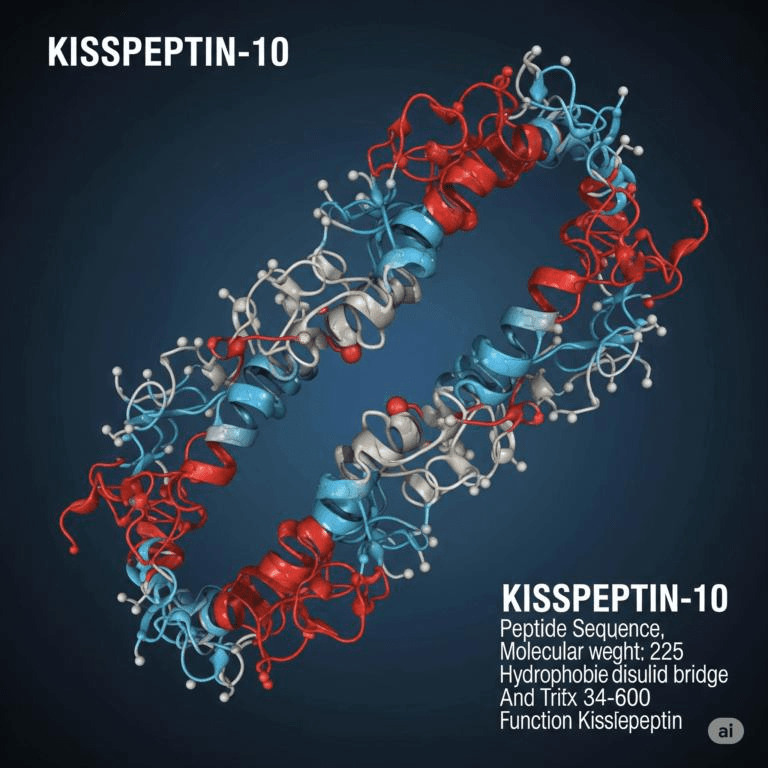
Kisspeptin has become one of the most fascinating peptides in reproductive endocrinology research.
Researchers are investigating its role in:
- GnRH signaling
- LH and FSH regulation
- Reproductive hormone communication
- Puberty signaling
- Fertility pathways
- Emotional and attraction-related neural circuitry
Some early research has suggested kisspeptin may influence sexual motivation, attraction processing, limbic system activity, and emotional responses tied to intimacy.
Oxytocin: Bonding, Connection, and Emotional Intimacy
Oxytocin is often called the “bonding hormone,” but its biological role is far more complex.
Researchers continue studying oxytocin’s role in:
- Pair bonding
- Emotional attachment
- Stress reduction
- Trust signaling
- Intimacy pathways
- Parasympathetic nervous system activation
Stress and elevated cortisol are major contributors to reduced libido in both sexes. Oxytocin-related pathways may play a role in shifting the nervous system toward relaxation and connection states.
Growth Hormone Secretagogues and Sexual Wellness
Peptides such as:
- CJC-1295
- Ipamorelin
- Tesamorelin
- Sermorelin
are not libido peptides directly.
However, researchers are interested in how GH-related pathways may indirectly influence body composition, recovery, sleep quality, energy levels, fatigue, confidence, vitality, exercise recovery, and aging physiology.
Poor recovery and poor sleep are heavily associated with diminished sexual wellness.
Suggested Art Placement:
Athletic male and female subjects in a premium biotech/longevity setting with molecular overlays and mitochondrial imagery.
Mitochondrial Function and Sexual Health
Mitochondria are the energy engines of the body.
Sexual wellness is energy-intensive biology.
Researchers increasingly suspect that mitochondrial dysfunction may contribute to fatigue, hormonal disruption, reduced physical performance, low motivation, poor exercise recovery, and age-related decline in libido.
Peptides being studied for mitochondrial support include:
- MOTS-c
- SS-31 (Elamipretide)
- Humanin analogs
These compounds are drawing attention because they may influence cellular energy systems rather than acting only through hormones.
GLP-1 Pathways, Body Composition, and Libido
Compounds affecting GLP-1 pathways may indirectly influence sexual wellness through:
- Weight reduction
- Insulin sensitivity
- Reduced inflammation
- Cardiovascular improvements
- Confidence and body image
- Metabolic flexibility
However, rapid weight loss and aggressive caloric restriction may also reduce libido in some individuals if muscle loss, hormonal disruption, or fatigue occur.
Researchers are now paying closer attention to how metabolic health and sexual health overlap.
Women’s Sexual Health and Peptide Research
Female libido is extraordinarily complex and influenced by:
- Estrogen balance
- Dopamine
- Oxytocin
- Stress
- Thyroid function
- Sleep
- Cortisol
- Emotional connection
- Blood flow
- Neurological arousal pathways
Historically, female sexual health has been under-researched compared to male physiology.
That is changing rapidly.
Men’s Sexual Health and Peptide Research
Male sexual wellness research often focuses on:
- Nitric oxide signaling
- Testosterone pathways
- Dopamine
- Recovery biology
- Cardiovascular health
- Endothelial function
- Sleep quality
- Stress reduction
Researchers are increasingly recognizing that libido decline is often multi-system rather than purely hormonal.
Suggested Art Placement:
Split male/female scientific illustration showing vascular pathways, hormone signaling, and mitochondrial energy systems.
The Brain-Libido Connection
Perhaps the most important emerging theme in sexual wellness research is this:
Libido is deeply neurological.
The brain constantly integrates hormonal signals, stress levels, reward signaling, safety perception, sleep quality, energy availability, dopamine pathways, and emotional states.
This is why peptides affecting CNS signaling, stress pathways, mitochondrial energy, and inflammatory status have become such major areas of interest.
The Future of Sexual Wellness Research
The future likely will not revolve around a single “libido peptide.”
Instead, research is increasingly pointing toward:
- Multi-pathway optimization
- Metabolic health
- Recovery biology
- Hormonal communication
- Mitochondrial support
- Nervous system regulation
- Nitric oxide signaling
- Brain-body integration
The science is evolving from symptom management toward understanding the upstream systems that influence vitality and human performance as a whole.
Final Thoughts
Sexual wellness is not isolated biology.
It is deeply connected to:
- Energy
- Sleep
- Recovery
- Hormones
- Stress resilience
- Blood flow
- Neurological signaling
- Metabolic health
- Confidence and vitality
The growing interest in peptides reflects a broader shift in scientific thinking: understanding the communication systems that regulate human physiology rather than simply masking symptoms downstream.
As research expands, peptides influencing nitric oxide pathways, neuroendocrine signaling, mitochondrial biology, recovery systems, and emotional regulation may continue becoming major areas of scientific interest in both men’s and women’s health research.
Disclaimer
This content is for educational and informational purposes only and reflects emerging areas of peptide and metabolic research. BioGenix Peptides does not provide medical advice, diagnosis, or treatment recommendations. All products referenced are intended strictly for laboratory research purposes only and are not approved for human consumption. Statements made in this article have not been evaluated by the FDA.
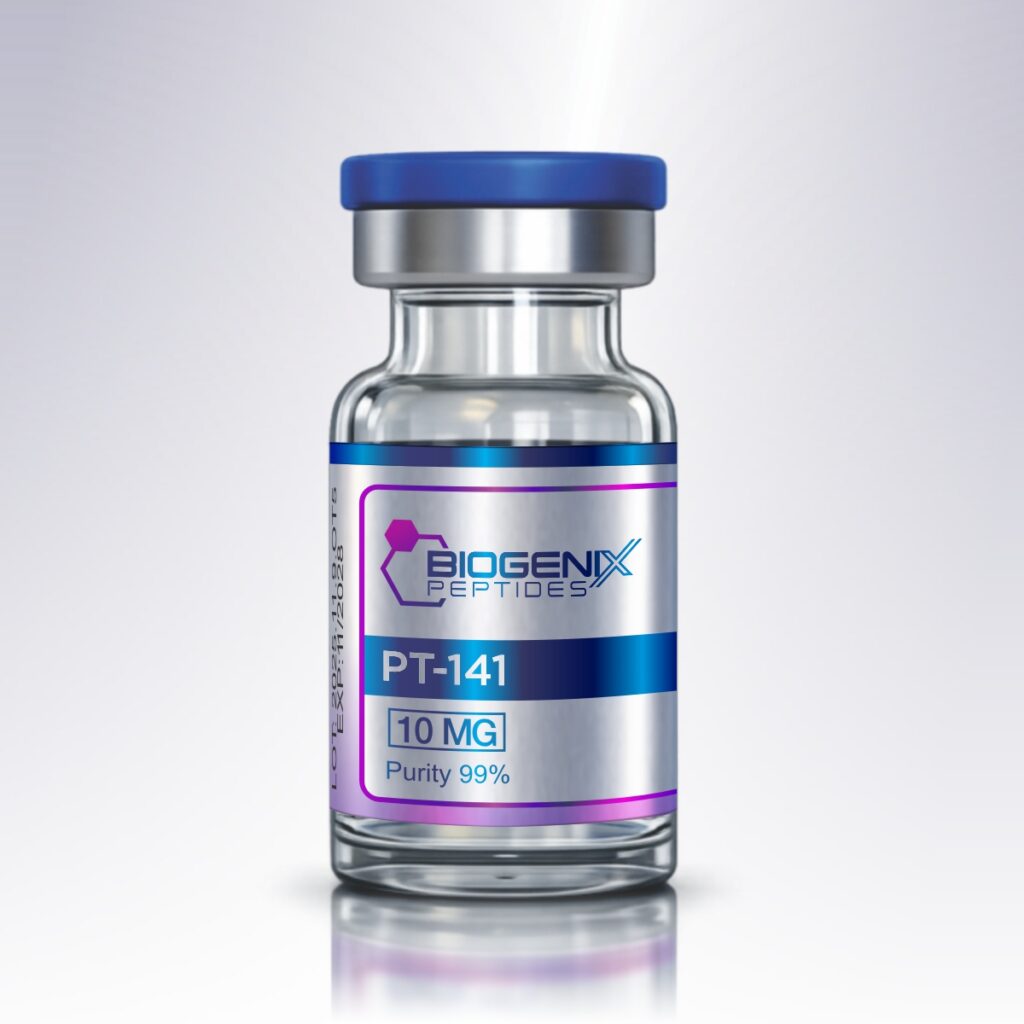
PT-141 10mg
PT-141, also known as Bremelanotide, is a synthetic peptide analog of the melanocortin receptor agonist Melanotan II. Unlike other agents studied for sexual function that primarily act via vascular mechanisms, PT-141 is proposed to act directly on the central nervous system by stimulating melanocortin receptors (MC3R and MC4R) in the hypothalamus. These receptors are believed to play key roles in regulating sexual arousal, energy balance, and appetite. As such, PT-141 has been widely investigated in research focusing on sexual function, neuroendocrine modulation, and the melanocortin system.
In Stock
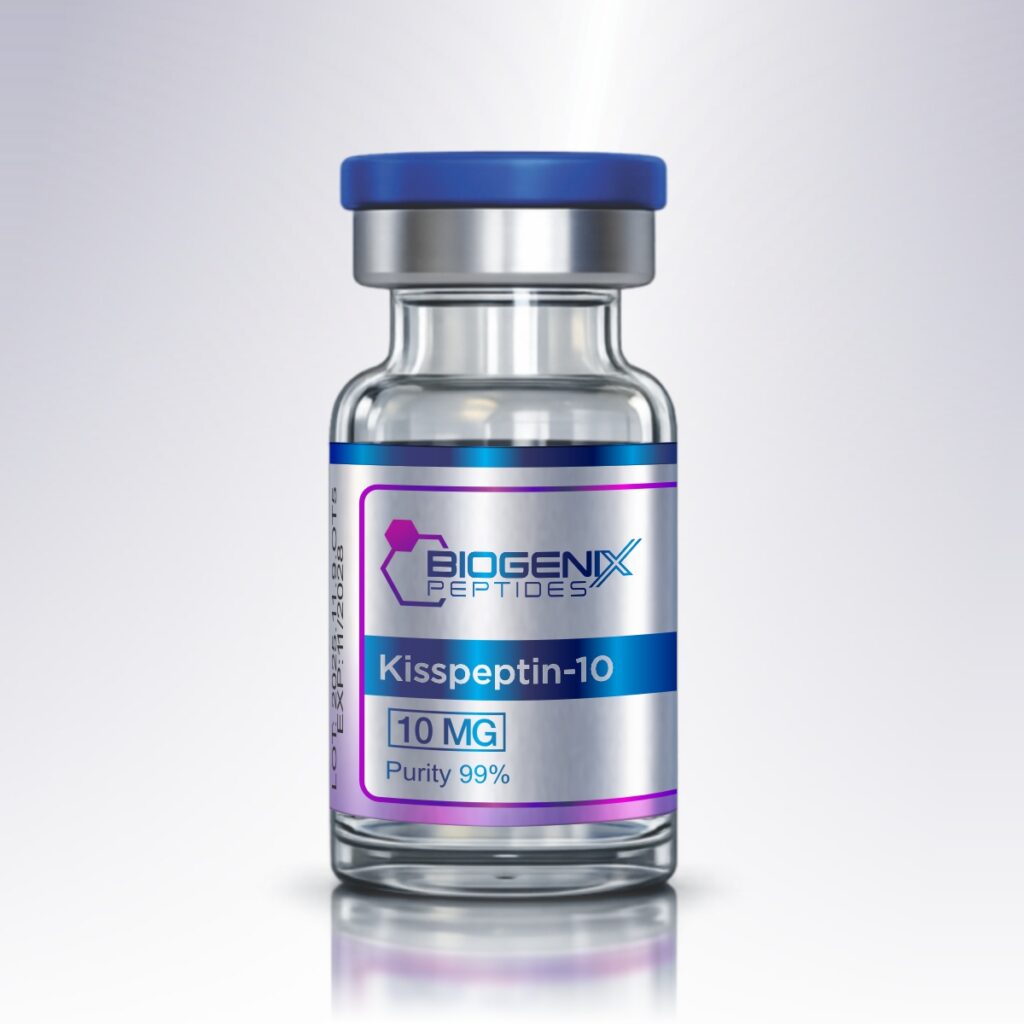
Kisspeptin-10 10mg
Kisspeptin-10 (KP-10) is a 10-amino-acid peptide fragment produced from the KISS1 gene, which was first identified for its role in metastasis suppression. The full KISS1 precursor protein is cleaved into several active fragments—including Kisspeptin-54, -14, -13, and -10. KP-10, also known as Metastin 45–54, is the smallest naturally occurring sequence that can effectively activate the KISS1R (GPR54) receptor.
In Stock
Oxytocin 5mg
Oxytocin is a naturally occurring neuropeptide hormone composed of nine amino acids (nonapeptide). It is synthesized primarily in the hypothalamus and released from the posterior pituitary gland into the bloodstream. Oxytocin acts both as a hormone and as a neuromodulator in the central nervous system, where it influences a range of physiological and behavioral processes, including uterine contraction, lactation, social bonding, emotional regulation, and stress modulation.
In Stock
Melanotan II 10mg
Melanotan II (MT-II) is a synthetic analog of the endogenous melanocortin peptide α-MSH, developed to investigate melanocortin receptor–mediated effects on pigmentation, metabolism, and sexual function. It shows activity at multiple receptor subtypes, including MC1R, MC3R, MC4R, and MC5R, where it may influence melanin production, inflammatory pathways, and energy balance. MT-II is a cyclic heptapeptide engineered to mimic α-MSH while offering improved molecular stability and resistance to enzymatic breakdown. Research has examined its ability to stimulate melanogenesis and modulate hypothalamic signaling tied to appetite and sexual behavior.
In Stock