
Retatrutide: The Most Powerful Metabolic Tri-Agonist Yet – And Why Its Benefits Extend Far Beyond Weight Loss
All information presented is for the purpose of theoretical research discussion only and is not intended to be medical advice.
Introduction: The New Benchmark for Metabolic Reversal
Retatrutide is widely described as one of the most powerful weight-loss agents ever studied in clinical trials, with early data showing bodyweight reductions that can rival or exceed other GLP-1–based therapies over similar timeframes. But the headline results on the scale barely scratch the surface of what this compound appears capable of.
Retatrutide is not simply a stronger GLP-1 agonist. It is a triple agonist:
- GLP-1 receptor agonist
- GIP receptor agonist
- Glucagon receptor agonist

This tri-agonism creates a cascade of whole-body metabolic, anti-inflammatory, and organ-protective effects that go far beyond fat loss. Most discussions of retatrutide stop at “it causes a lot of weight loss.” This article goes deep into the biology, the fringe benefits, the systemic advantages, and why retatrutide may represent one of the most comprehensive metabolic tools developed to date.
Section 1 — Weight Loss: The Obvious, But With Deeper Mechanisms
1.1 The Fast Fat-Loss Profile
While semaglutide and tirzepatide rely heavily on GLP-1 (and GLP-1 + GIP in tirzepatide), retatrutide adds glucagon receptor agonism into the mix. That third receptor dramatically changes the physiology:
- Increased fat oxidation
- Increased energy expenditure
- Increased metabolic heat generation
- More aggressive reduction in ectopic fat (liver, pancreas, visceral tissue)
This means retatrutide does not just reduce appetite or slow gastric emptying. It fundamentally shifts the energy balance equation by combining caloric restriction effects (via GLP-1/GIP) with a metabolism-boosting effect (via glucagon).
In simple terms: GLP-1 and GIP help you eat less and stabilize blood sugar, while glucagon helps you burn more and mobilize stored fuel. Together, they induce a state that resembles therapeutically controlled fasting, but with pharmacological precision.
1.2 Retatrutide Targets Visceral Fat First
An important nuance is that retatrutide appears to be particularly effective at reducing visceral adipose tissue, the fat that wraps around internal organs and drives cardiometabolic risk. This includes:
- Visceral adipose tissue (VAT) in the abdominal cavity
- Fat infiltration in and around the liver and pancreas
- Pericardial fat surrounding the heart
Because visceral fat is highly inflammatory and strongly linked to insulin resistance, its reduction creates metabolic improvements that go beyond what the scale alone would suggest. This is why some patients report better breathing, reduced bloating, and easier movement early in therapy, even before the total pounds lost seem dramatic.

Section 2 — The Hidden Benefits: What Makes Retatrutide Different
Now we move into the territory that is rarely discussed in general-audience write-ups: liver health, inflammation, cardiovascular protection, hormonal balance, longevity pathways, and more.
2.1 Liver Benefits: A Potential NAFLD/NASH Breakthrough
2.1.1 Retatrutide and Liver Fat Reduction
Non-alcoholic fatty liver disease (NAFLD) is now one of the most common chronic liver conditions worldwide. It is tightly linked to obesity, insulin resistance, and metabolic syndrome. A central feature is the accumulation of triglycerides inside liver cells, which drives inflammation and fibrosis over time.
Retatrutide’s combination of GLP-1, GIP, and glucagon agonism attacks this from multiple angles:
- Glucagon agonism increases fatty-acid oxidation in hepatocytes (liver cells).
- GLP-1 reduces post-meal glucose surges and improves insulin signaling in the liver.
- GIP improves overall nutrient partitioning, steering calories away from ectopic fat storage.
The net result is a reduction in liver fat content, which can translate into:
- Lowered liver enzymes (ALT, AST)
- Reduced hepatic inflammation
- Improved mitochondrial efficiency within liver cells
- Potential slowing or reversal of early-stage NAFLD/NASH progression

2.1.2 Improving Liver Insulin Sensitivity
Fatty liver is not just a storage problem—it is a signaling problem. Excess fat inside the liver disrupts insulin signaling, which in turn raises fasting glucose, drives compensatory hyperinsulinemia, and fuels systemic inflammation.
By reducing liver fat and improving insulin sensitivity at the hepatic level, retatrutide can:
- Help lower fasting glucose
- Reduce A1C over time
- Decrease glucose “spikes and crashes”
- Lower the inflammatory load contributory to cardiovascular and endocrine disease
2.2 Anti-Inflammatory Benefits
Chronic, low-grade inflammation is at the root of many modern disorders: metabolic syndrome, cardiovascular disease, joint pain, neurodegeneration, and even mood disturbances. Excess visceral fat and ectopic liver fat are major sources of inflammatory cytokines.
Retatrutide’s tri-agonism appears to reduce multiple inflammatory mediators:
- C-reactive protein (CRP)
- Interleukin-6 (IL-6)
- Tumor necrosis factor-α (TNF-α)
- Markers of oxidative stress
The mechanisms driving this anti-inflammatory profile include:
- GLP-1 has inherent anti-inflammatory effects on vascular tissue, adipose tissue, and immune cells.
- GIP helps calm inflammation in adipose tissue, reducing the “angry fat” cytokine release.
- Glucagon accelerates clearing of liver fat, which reduces one of the body’s most potent inflammatory sources.
As systemic inflammation subsides, individuals may experience:
- Less joint stiffness
- Improved energy and reduced fatigue
- More stable mood
- Better cardiovascular and endocrine health over time
2.3 Cardiovascular Benefits
GLP-1 agonists as a class already have impressive cardiovascular data. Retatrutide, with its added GIP and glucagon activity, may extend these benefits even further by attacking multiple cardiometabolic risk factors simultaneously.
2.3.1 Blood Pressure and Vascular Health
Weight loss alone often reduces blood pressure, but retatrutide also appears to influence the vasculature directly:
- Improved endothelial nitric oxide (NO) availability
- Reduced arterial stiffness
- Lower vascular inflammation and oxidative stress
2.3.2 Lipid Profile Improvements
Retatrutide targets key lipid risk factors:
- Reductions in LDL and non-HDL cholesterol
- Reductions in triglycerides and VLDL
- Reductions in ApoB (a major structural component of atherogenic particles)
- Potential improvements in HDL function and cholesterol efflux capacity
2.3.3 Pericardial Fat and Cardiac Efficiency
Fat around the heart (pericardial fat) is not just a passive depot—it actively secretes inflammatory cytokines and can mechanically impact heart function. Retatrutide’s ability to mobilize visceral and ectopic fat includes this compartment, which may:
- Reduce metabolic stress on the heart
- Improve cardiac efficiency
- Enhance long-term cardiovascular resilience

2.4 Retatrutide and Longevity-Linked Pathways
While retatrutide is not marketed as a “longevity drug,” many of the pathways it modulates overlap with those associated with healthy lifespan extension.
- AMPK activation — mimicking aspects of caloric restriction and fasting
- mTOR modulation — reducing excessive growth signaling and cellular stress
- Improved autophagy — enhancing cellular “cleanup” of damaged components
- Reduced reactive oxygen species (ROS) — lowering oxidative damage over time
- Better mitochondrial efficiency — supporting energy production with less stress
Because metabolic disease accelerates aging at virtually every level—vascular, neurological, musculoskeletal—any tool that aggressively normalizes metabolic function has downstream implications for how “old” the body behaves, regardless of chronological age.
2.5 Hormonal Optimization Effects
Hormones are not independent dimmer switches; they form a tightly linked network that responds to metabolic status. Retatrutide’s systemic effects often ripple across multiple hormonal axes.
2.5.1 Insulin and Glucose Stability
By improving insulin sensitivity and reducing the need for chronic high insulin output, retatrutide:
- Decreases the “insulin load” on the body
- Reduces post-prandial glucose swings
- Improves fasting glucose and A1C in insulin-resistant states
2.5.2 Cortisol Rhythm
Blood sugar volatility and systemic inflammation are major stressors on the hypothalamic-pituitary-adrenal (HPA) axis. By stabilizing glucose and lowering inflammation, retatrutide can indirectly support:
- More physiological cortisol curves across the day
- Improved sleep quality
- Better stress tolerance and recovery
2.5.3 Sex Hormones and Body Composition
Visceral fat is hormonally active, particularly through the enzyme aromatase, which converts androgens (like testosterone) into estrogens. By reducing visceral fat, retatrutide may:
- Lower excessive aromatase activity
- Support more favorable testosterone–estrogen balance in men
- Help normalize estrogen dynamics and metabolic signals in women
- Improve leptin signaling, which is tied to appetite, fertility, and energy regulation
2.6 Pain, Mobility, and Joint Improvements
Joint pain in metabolic disease is both mechanical (too much weight on joints) and biochemical (inflammatory mediators attacking cartilage and connective tissue). Retatrutide addresses both sides:
- Reduced load on knees, hips, and spine from fat loss
- Lower inflammatory cytokines in and around joints
- Less inflammatory fat around weight-bearing structures
- Reduced oxidative stress that can damage cartilage over time
Some individuals may therefore experience:
- Less joint stiffness
- Improved walking tolerance
- More comfortable physical activity, which reinforces metabolic benefits
2.7 Cognitive and Neurological Benefits

GLP-1 receptor agonists have been studied for potential benefits in conditions like Alzheimer’s disease, Parkinson’s disease, stroke recovery, and traumatic brain injury. While retatrutide research is still emerging, its signaling overlaps suggest potential neurological advantages.
Mechanistically, retatrutide can:
- Stabilize brain energy supply by smoothing blood-sugar fluctuations
- Lower neuroinflammation by reducing systemic cytokine levels
- Improve mitochondrial function in neurons
- Enhance satiety and reward-circuit control, which can reduce impulsive eating behavior
Subjectively, some individuals report:
- Reduced “brain fog”
- Better focus and mental clarity
- Greater emotional stability and less reactivity to cravings
2.8 Gut Health Improvements
The gut is not just a tube for digestion; it is an immune and endocrine organ. GLP-1 is naturally produced in the gut and helps regulate intestinal barrier integrity and communication between the microbiome and the rest of the body.

Retatrutide may support gut health by:
- Strengthening tight junctions between intestinal cells (improving barrier function)
- Reducing leakage of endotoxins (like LPS) into the bloodstream
- Shifting the microbiome toward a more metabolically healthy profile
- Slowing gastric emptying, which improves satiety and glucose control
Clinically, some individuals describe:
- Less bloating
- Reduced reflux
- More predictable digestion
2.9 Skin and Appearance Benefits
Retatrutide is not a cosmetic therapy, but metabolic health and appearance are tightly linked. As inflammation drops and glucose control improves:
- Skin may appear clearer and less inflamed
- Breakouts associated with insulin resistance may decrease
- Slower glycation of collagen can support better skin elasticity over time
- Reduced fluid retention and facial puffiness can improve facial contours
Combined with significant fat loss, this can translate into a leaner, more defined overall appearance.
Section 3 — The “Metabolic Reset” Concept: Why Retatrutide Is Different
Many drugs or interventions can cause weight loss. Very few exert broad effects that look like a genuine metabolic system reset.
Retatrutide simultaneously improves:
- Glucose control
- Insulin sensitivity
- Fatty acid oxidation
- Liver and visceral fat content
- Systemic inflammation
- Cardiovascular risk factors
- Hormonal balance
- Mitochondrial efficiency

Because it attacks the problem from multiple angles, the physiological “set point” for body weight and metabolic regulation may shift in a more durable way. This multi-pathway correction helps explain why triple agonists like retatrutide are being viewed as a potential next-generation platform for metabolic disease, not just a stronger diet drug.
Section 4 — Potential Downsides (Kept Concise)
No compound is without trade-offs. Potential downsides discussed in early research include:
- Strong appetite suppression, which can lead to inadequate protein intake and loss of lean mass if not managed
- Gastrointestinal side effects such as nausea, constipation, or discomfort, especially during dose titration
- Mild increases in metabolic heat or warmth due to increased energy expenditure from glucagon agonism
- Limited long-term outcome data, as this is a relatively new agent
- Possible unsuitability for individuals with specific adrenal, pancreatic, or gastrointestinal conditions
As with any powerful metabolic modulator, appropriate dosing, monitoring, nutritional support, and medical oversight are essential to maximize benefit and minimize risk.
Conclusion: A Comprehensive Metabolic Engine Rebuild
Retatrutide stands out not just because of the magnitude of weight loss it can induce, but because of the depth and breadth of its systemic effects. By simultaneously influencing GLP-1, GIP, and glucagon receptors, it:
- Reduces body weight and visceral fat
- Improves liver function and insulin sensitivity
- Lowers systemic inflammation
- Optimizes multiple cardiovascular risk markers
- Supports healthier hormonal and neurological function
- Engages longevity-linked pathways at the metabolic level
If earlier GLP-1 agents represented the first wave of metabolic medicine, retatrutide and similar triple agonists may represent a more complete, multi-dimensional approach—one that does not just fight obesity, but systematically rebuilds the engine of human metabolism from the inside out.
- Phase 2 randomized clinical trial showing substantial, dose-dependent weight reductions with retatrutide over 48 weeks. New England Journal of Medicine
- Research reporting approximately 22–25% mean weight reduction at higher doses in 48-week analyses. Nature Medicine
- Company-sponsored phase 2 results showing ~17–18% average weight loss at 24 weeks and >20% at 48 weeks. Eli Lilly Clinical Update
- Ongoing Phase 3 trial investigating retatrutide for long-term weight reduction maintenance. ClinicalTrials.gov: NCT06859268
- Additional Phase 3 clinical study evaluating cardio-renal outcomes in individuals with elevated BMI. ClinicalTrials.gov: NCT06383390

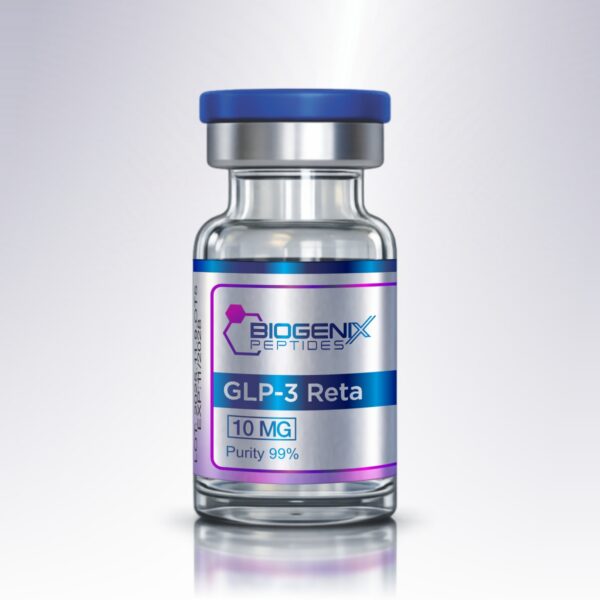
Reta (GLP-3) 10mg
Retatrutide is an investigational multi-agonist peptide engineered to activate three metabolic hormone receptors—GLP-1, GIP, and glucagon—positioning it as a next-generation “triple agonist.” In research settings, it has been examined for its potential influence on appetite regulation, energy utilization, and body-weight–related endpoints. Chemically, retatrutide is a long-acting incretin-mimetic designed to co-activate GLP-1R, GIPR, and GCGR, enabling coordinated engagement of complementary metabolic pathways. Studies have explored its combined effects on glucose homeostasis, gastric emptying, insulin dynamics, lipolysis, and energy expenditure within controlled experimental models.
In Stock
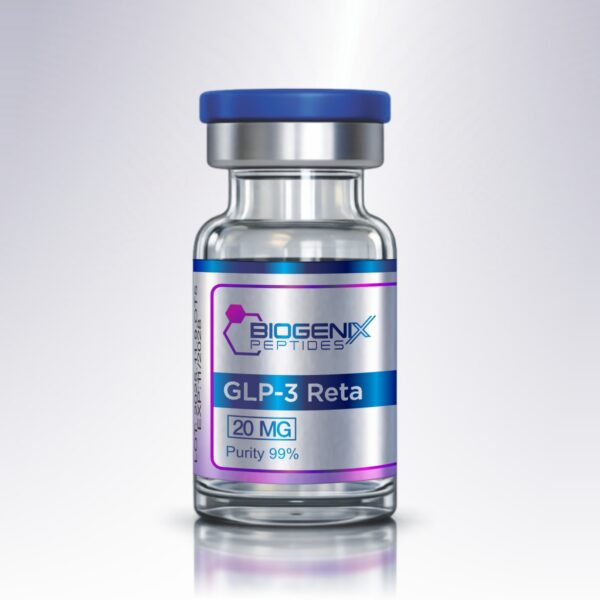
Reta (GLP-3) 20mg
Retatrutide is an investigational multi-agonist peptide engineered to activate three metabolic hormone receptors—GLP-1, GIP, and glucagon—positioning it as a next-generation “triple agonist.” In research settings, it has been examined for its potential influence on appetite regulation, energy utilization, and body-weight–related endpoints. Chemically, retatrutide is a long-acting incretin-mimetic designed to co-activate GLP-1R, GIPR, and GCGR, enabling coordinated engagement of complementary metabolic pathways. Studies have explored its combined effects on glucose homeostasis, gastric emptying, insulin dynamics, lipolysis, and energy expenditure within controlled experimental models.
In Stock
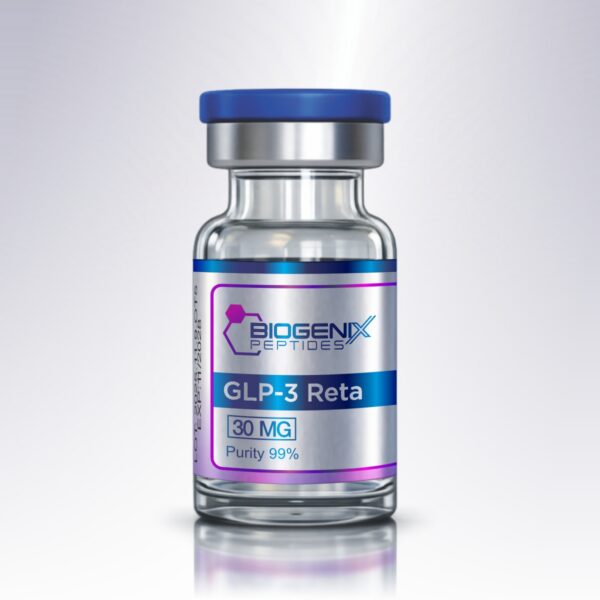
Reta (GLP-3) 30mg
Retatrutide is an investigational multi-agonist peptide engineered to activate three metabolic hormone receptors—GLP-1, GIP, and glucagon—positioning it as a next-generation “triple agonist.” In research settings, it has been examined for its potential influence on appetite regulation, energy utilization, and body-weight–related endpoints. Chemically, retatrutide is a long-acting incretin-mimetic designed to co-activate GLP-1R, GIPR, and GCGR, enabling coordinated engagement of complementary metabolic pathways. Studies have explored its combined effects on glucose homeostasis, gastric emptying, insulin dynamics, lipolysis, and energy expenditure within controlled experimental models.
In Stock