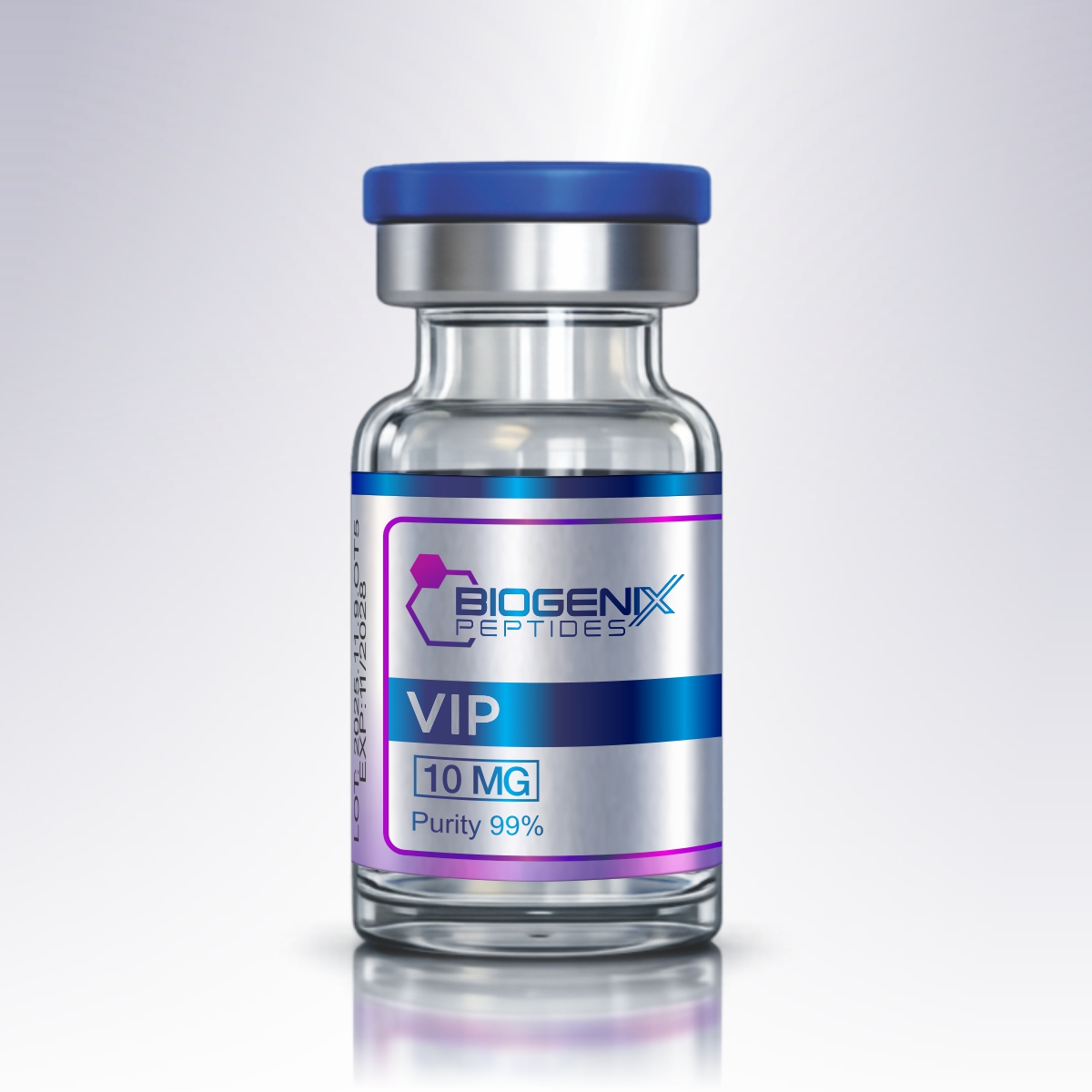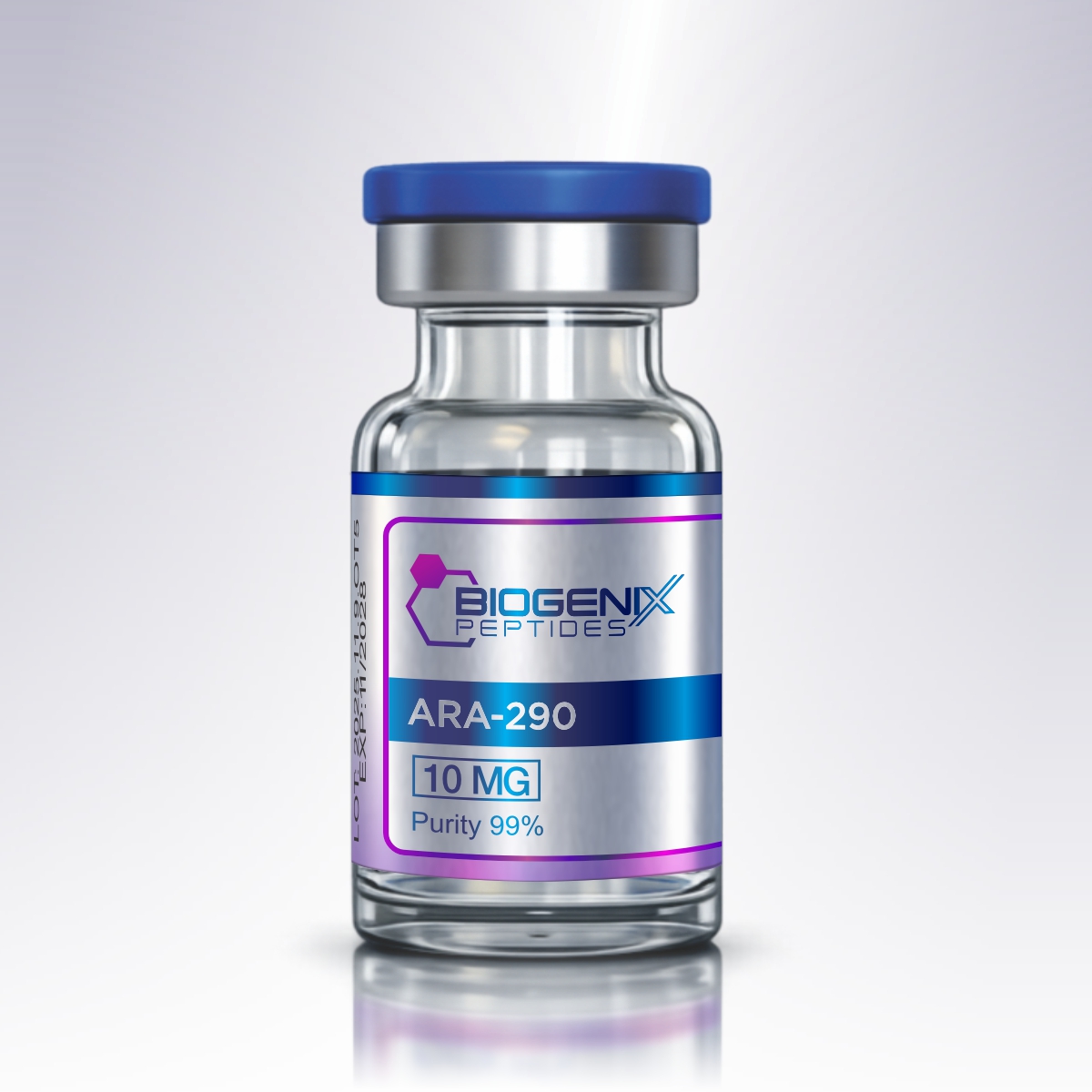
ARA-290 10mg
$52.00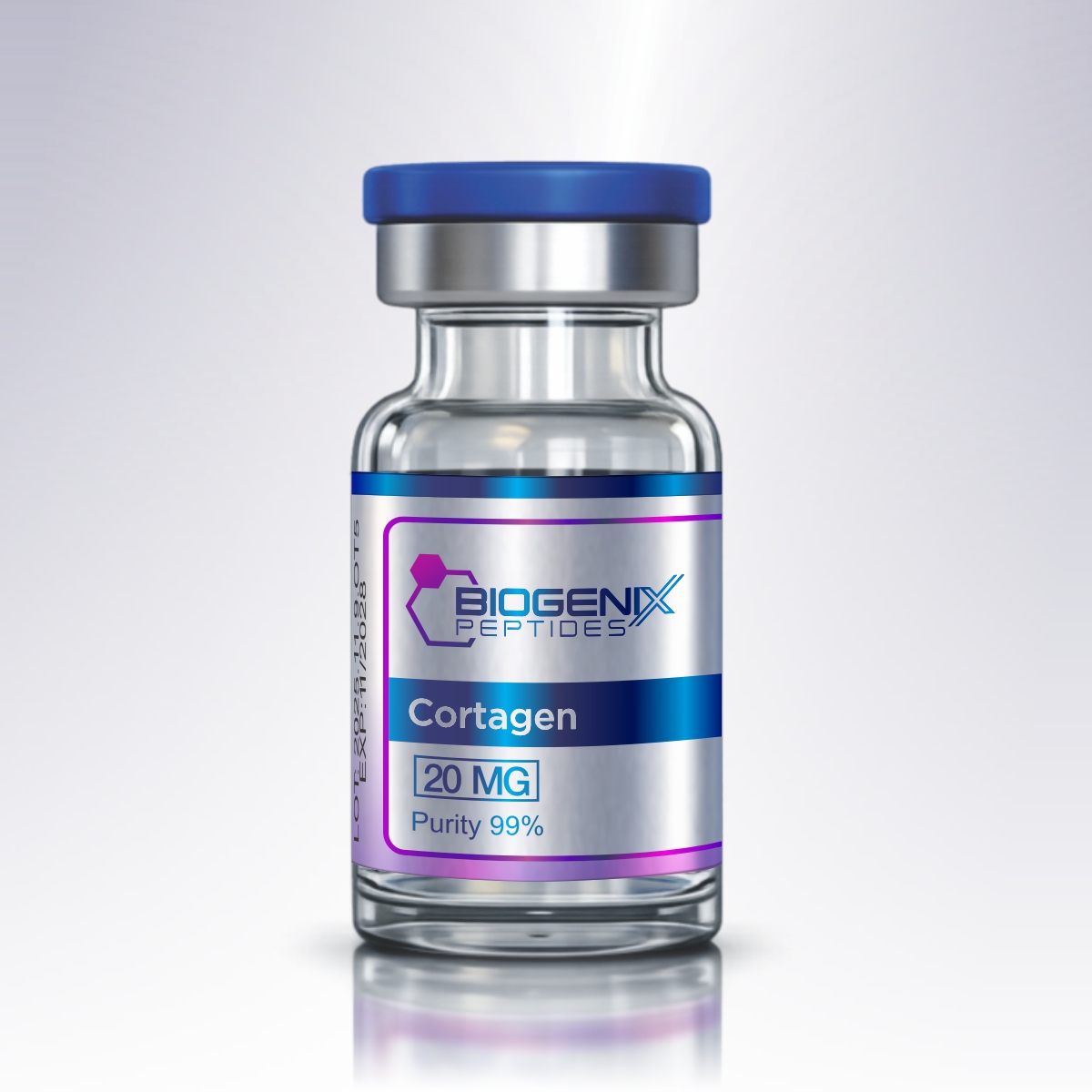
Cortagen 20mg
$68.00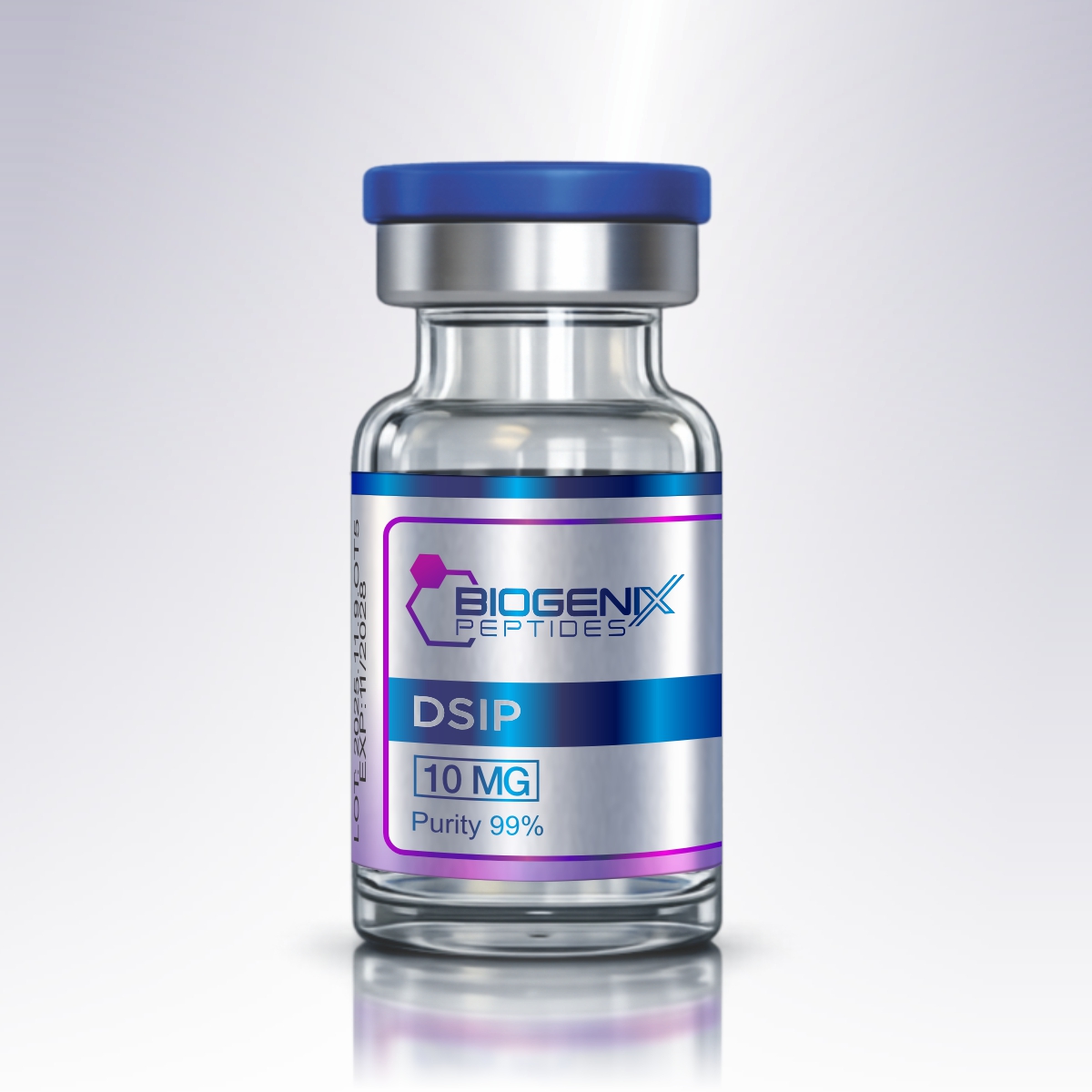
DSIP 10mg
$65.00Delta Sleep-Inducing Peptide (DSIP) is a small, naturally occurring peptide made of nine amino acids. It was first discovered in the brain during early studies on deep, slow-wave sleep. Although
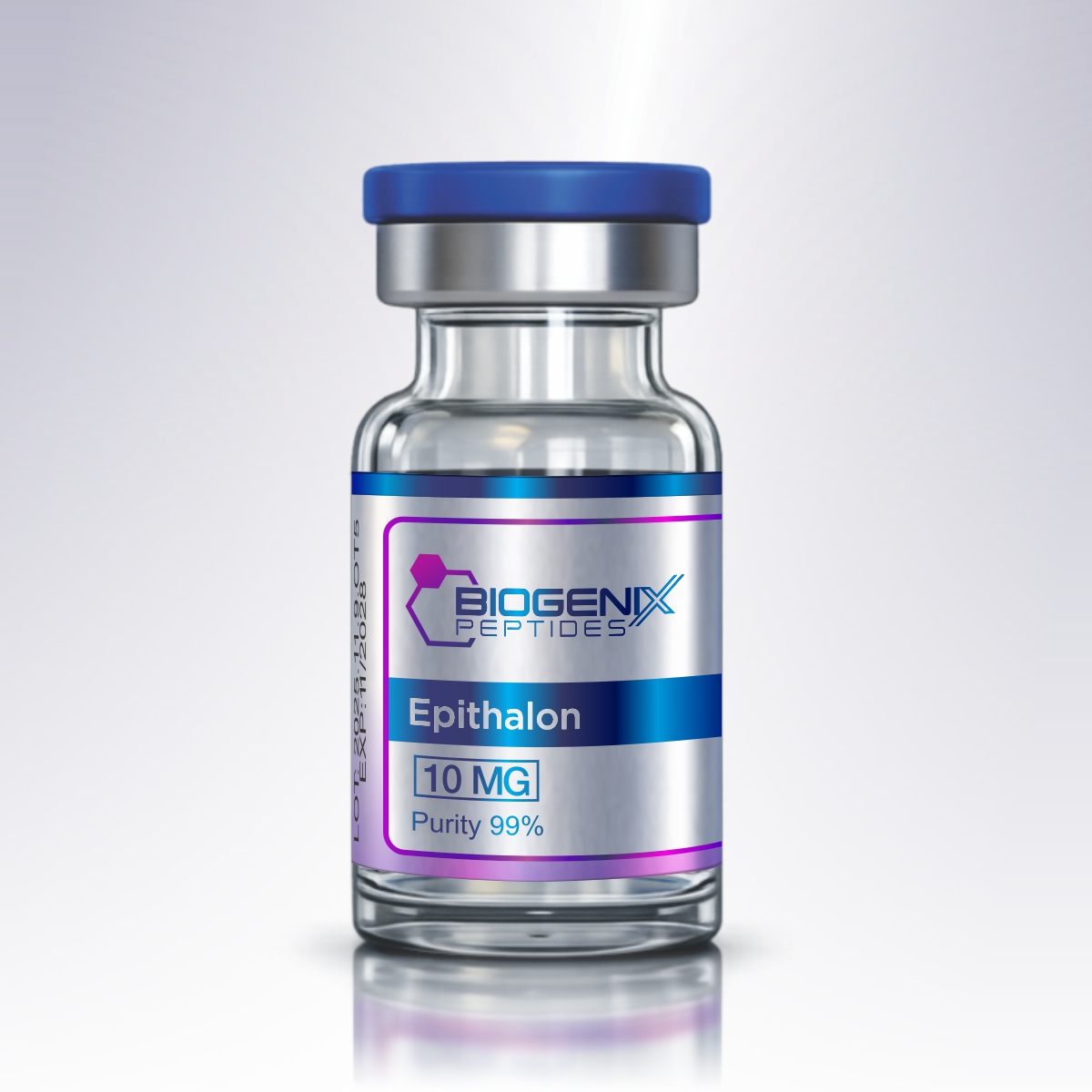
Epithalon 10mg
$65.00Epithalon, also known as AEDG peptide, Epitalon, or Epithalone, is a synthetic tetrapeptide composed of alanine, glutamic acid, aspartic acid, and glycine. It is modeled after Epithalamin, a naturally occurring
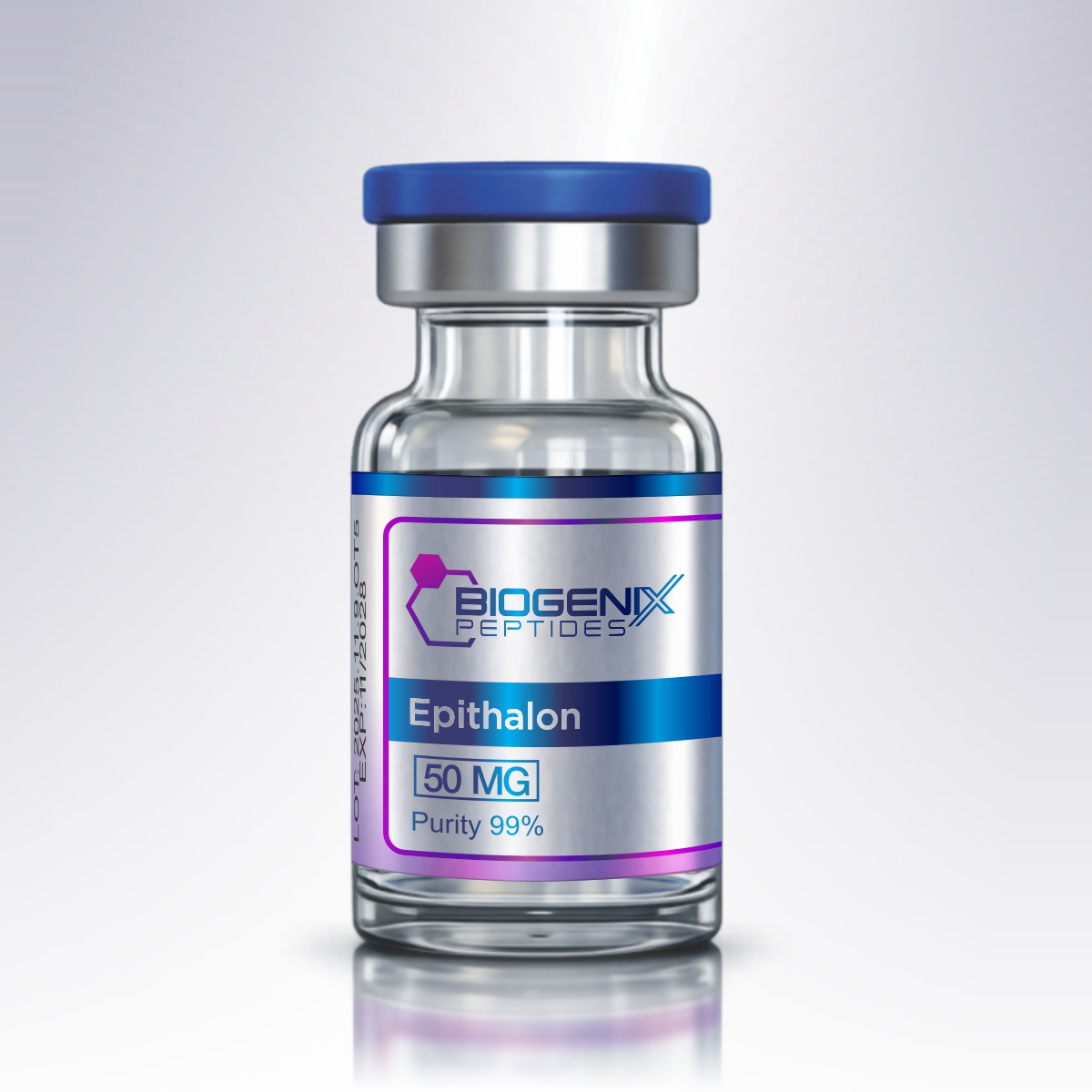
Epithalon 50mg
$180.00Epithalon, also known as AEDG peptide, Epitalon, or Epithalone, is a synthetic tetrapeptide composed of alanine, glutamic acid, aspartic acid, and glycine. It is modeled after Epithalamin, a naturally occurring
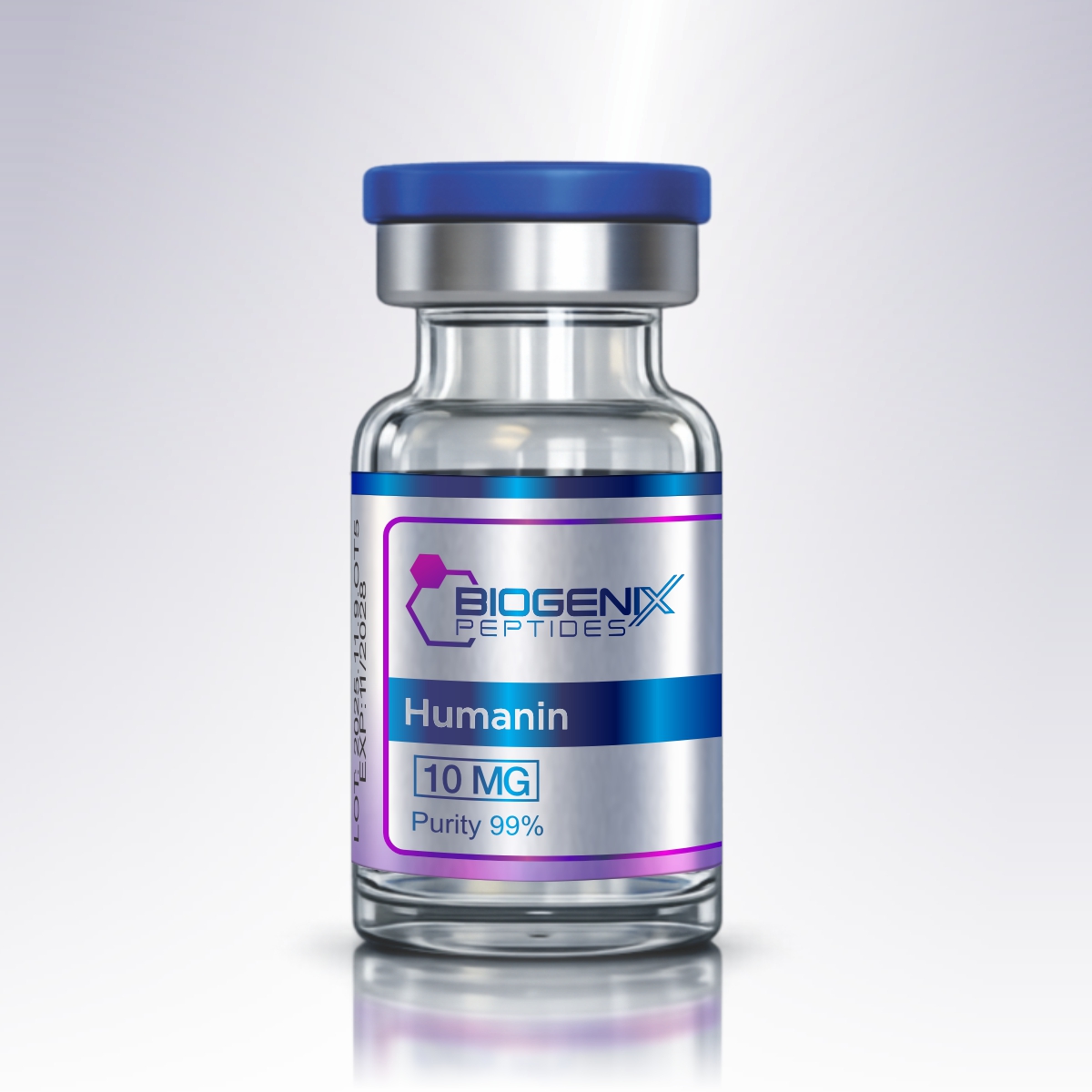
Humanin 10mg
$118.00Humanin is a small 24–amino-acid peptide that comes from the mitochondria, the parts of the cell responsible for energy production. Researchers study Humanin because it appears to help protect cells
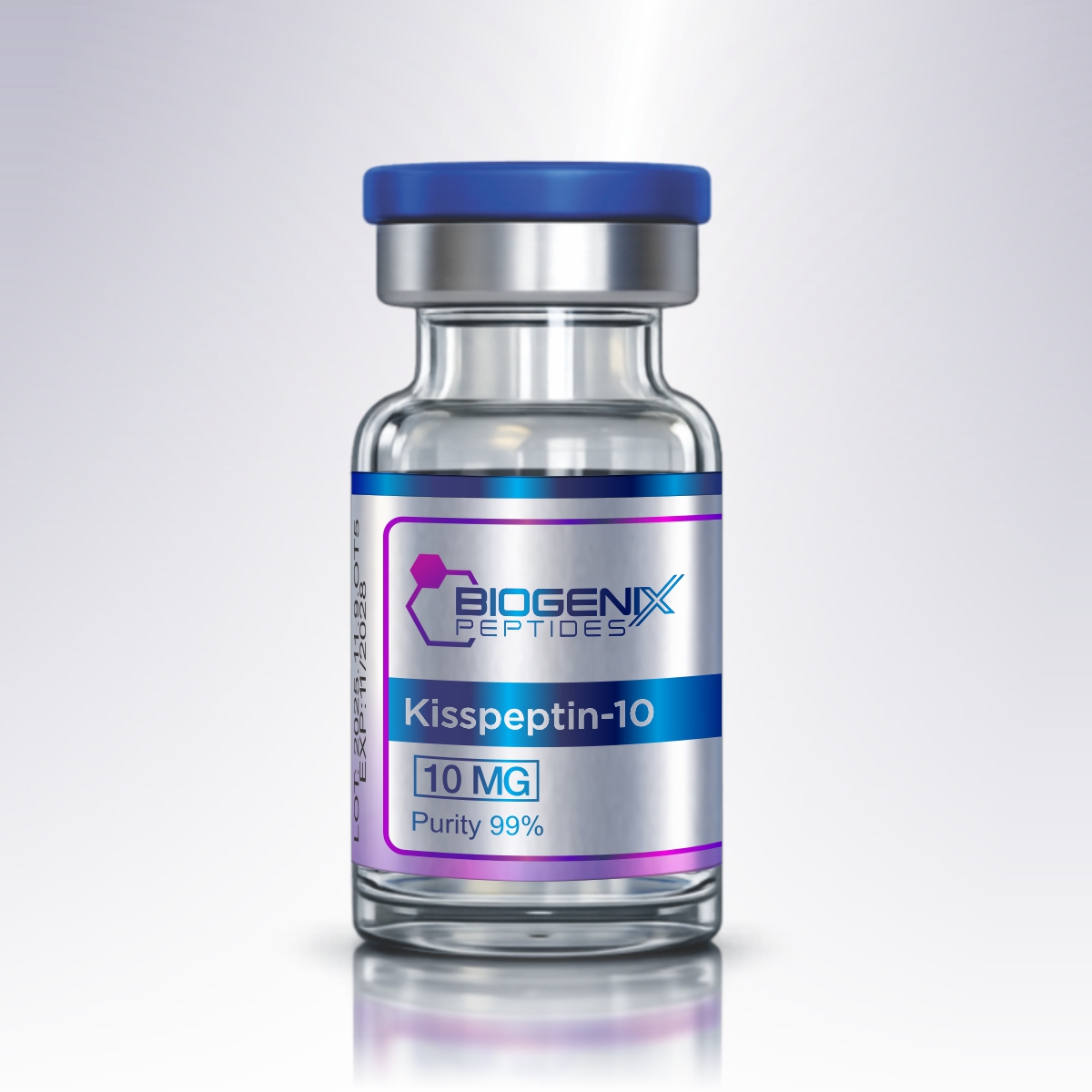
Kisspeptin-10 10mg
$68.00Kisspeptin-10 (KP-10) is a 10-amino-acid peptide fragment produced from the KISS1 gene, which was first identified for its role in metastasis suppression. The full KISS1 precursor protein is
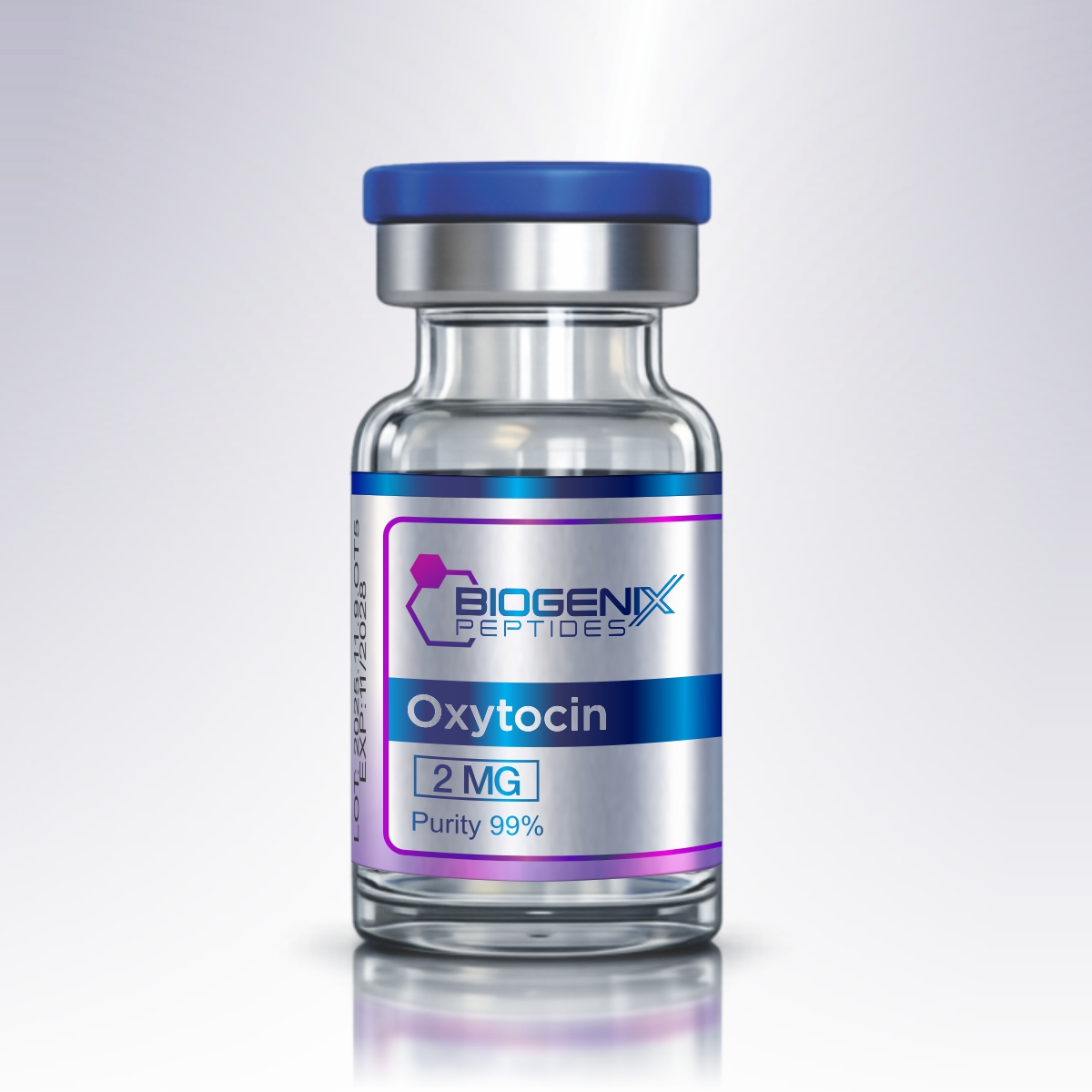
Oxytocin 2mg
$24.00Oxytocin is a naturally occurring neuropeptide hormone composed of nine amino acids (nonapeptide). It is synthesized primarily in the hypothalamus and released from the posterior pituitary gland into the bloodstream.
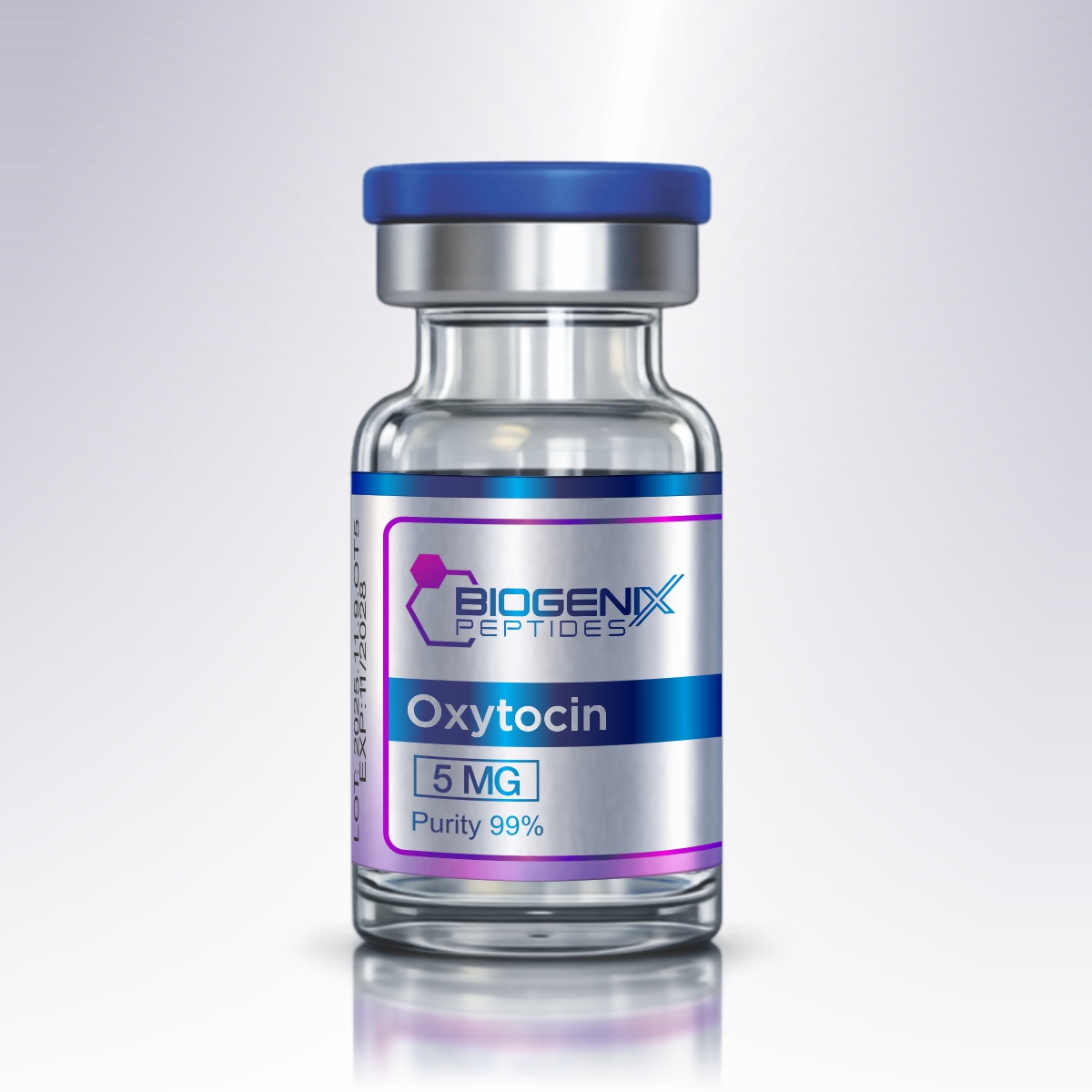
Oxytocin 5mg
$36.00Oxytocin is a naturally occurring neuropeptide hormone composed of nine amino acids (nonapeptide). It is synthesized primarily in the hypothalamus and released from the posterior pituitary gland into the bloodstream.
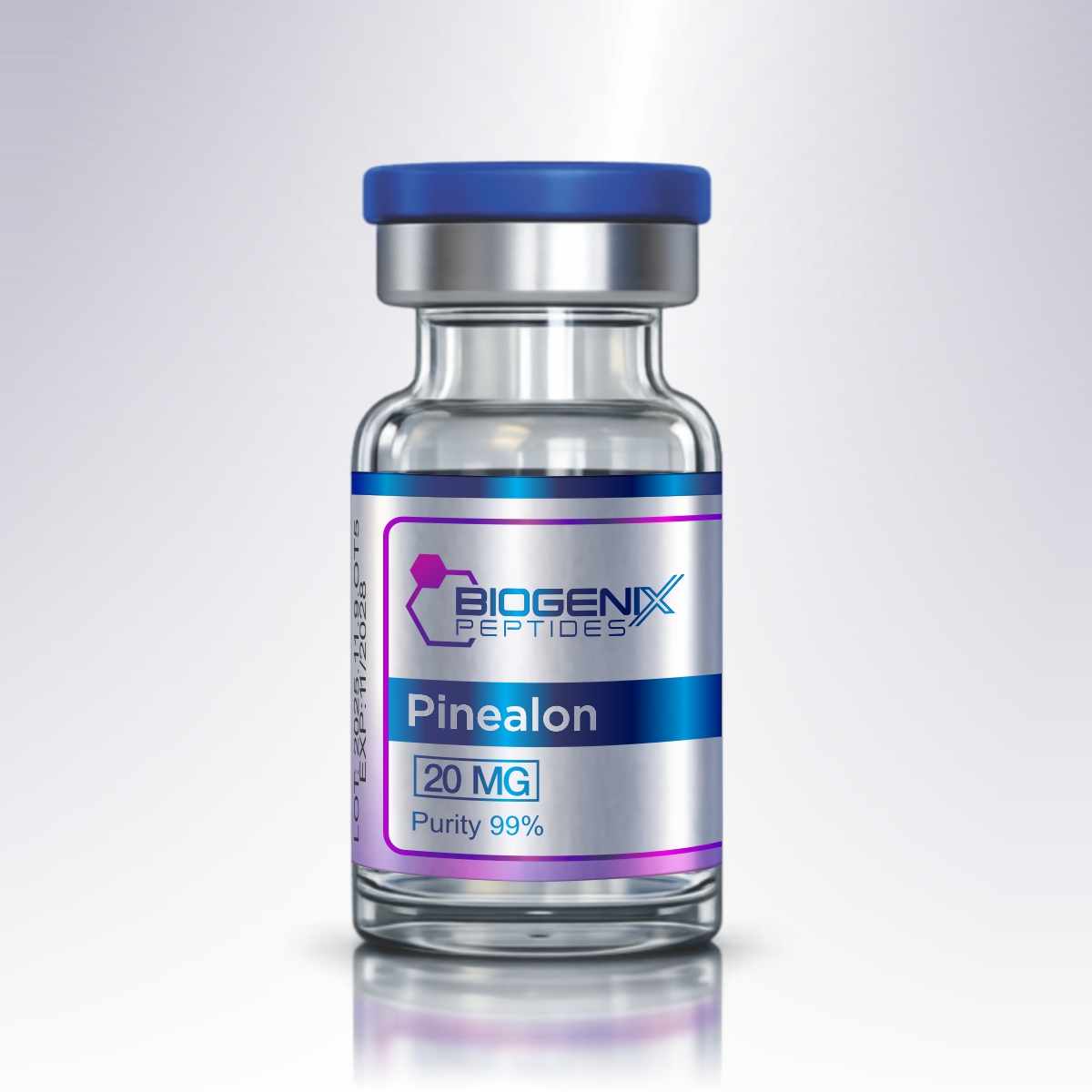
Pinealon 20mg
$72.00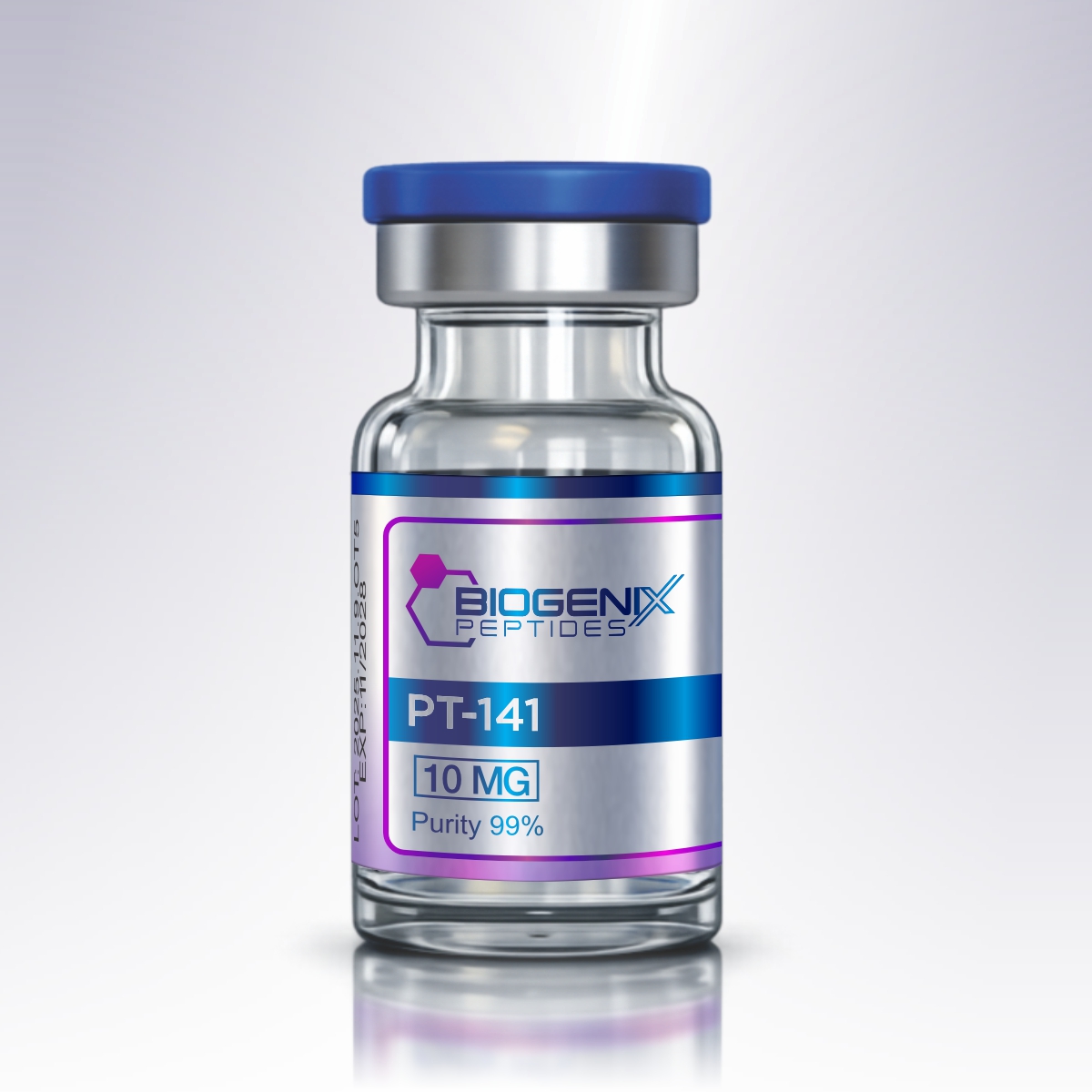
PT-141 10mg
$60.00PT-141, also known as Bremelanotide, is a synthetic peptide analog of the melanocortin receptor agonist Melanotan II. Unlike other agents studied for sexual function that primarily act via vascular mechanisms,
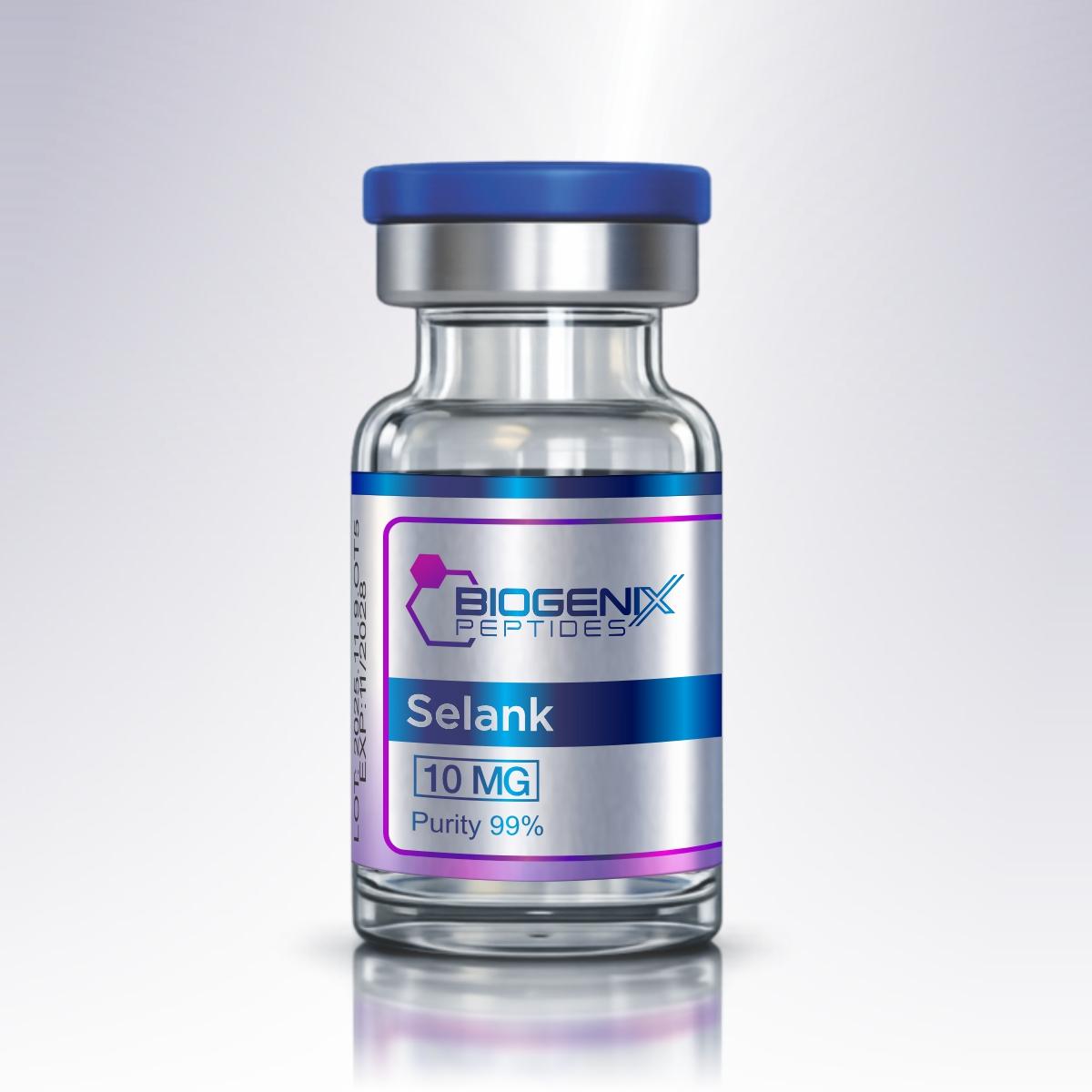
Selank 10mg
$60.00Selank is a synthetic heptapeptide modeled after tuftsin, an IgG-derived fragment associated with immune modulation and behavioral regulation. In research settings, it has been examined for potential influences
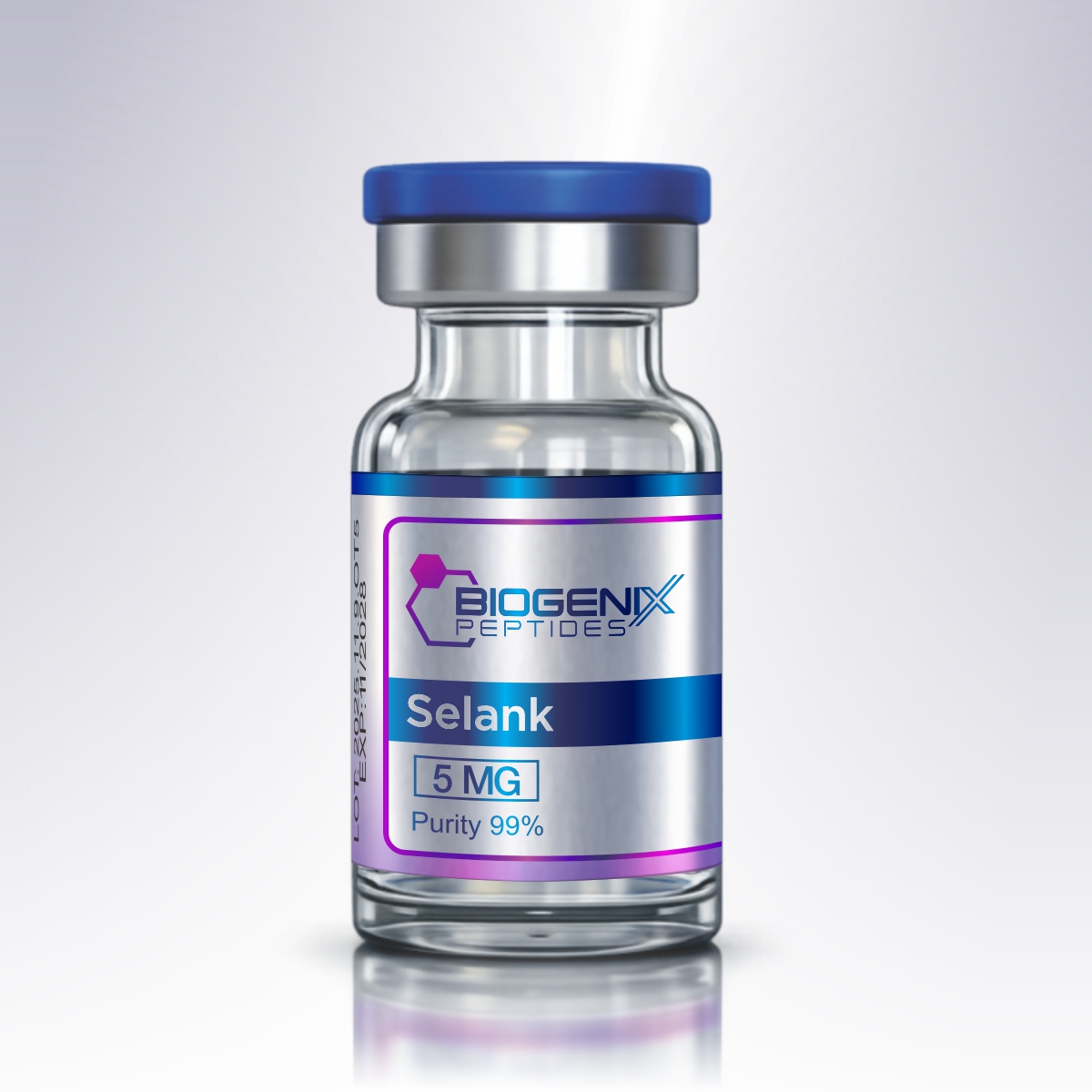
Selank 5mg
$40.00Selank is a synthetic heptapeptide modeled after tuftsin, an IgG-derived fragment associated with immune modulation and behavioral regulation. In research settings, it has been examined for potential influences
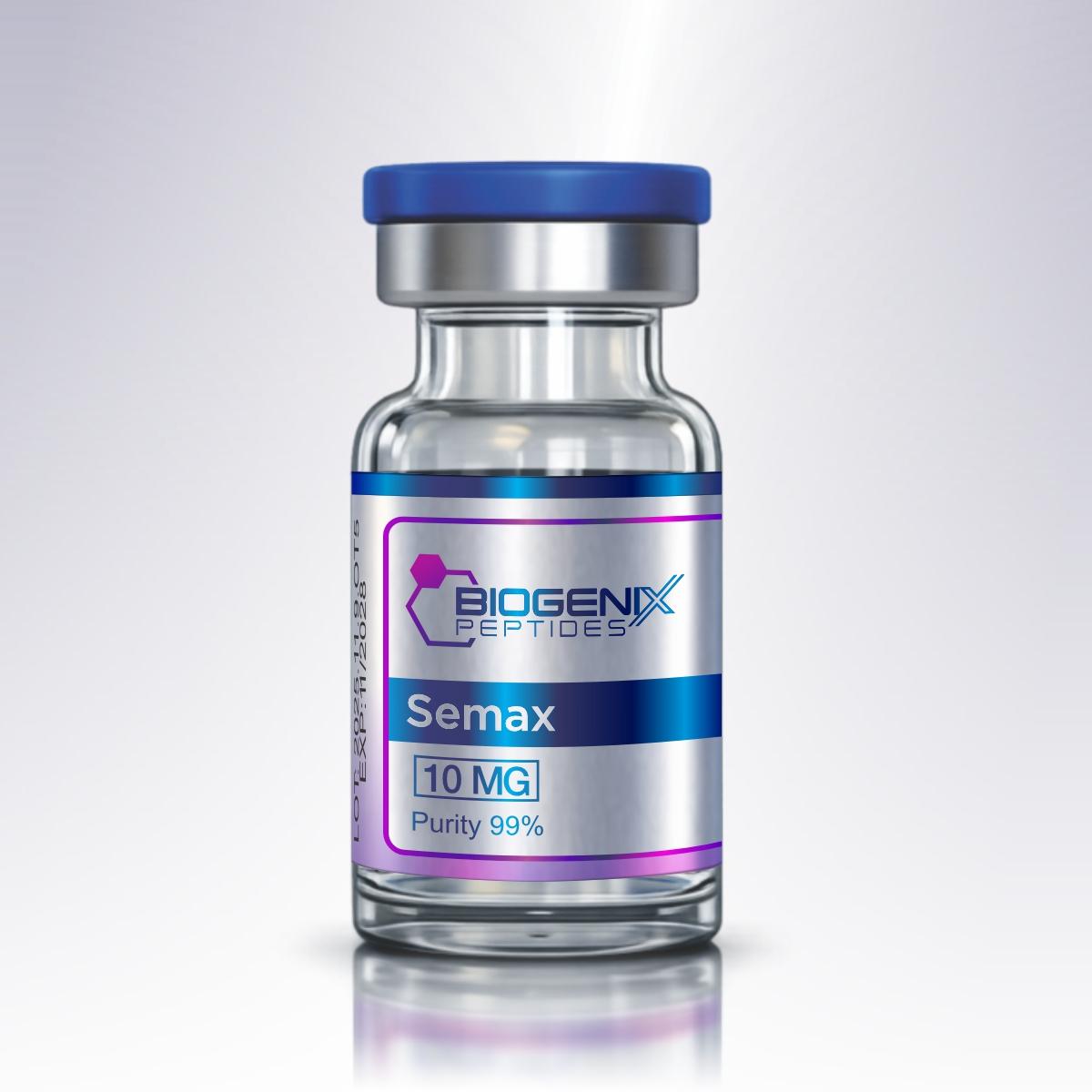
Semax 10mg
$60.00Semax is a synthetic polypeptide derived from the ACTH(4–7) fragment, designed to retain central nervous system–related properties without the classical corticotropic effects of native ACTH. Research efforts have examined its
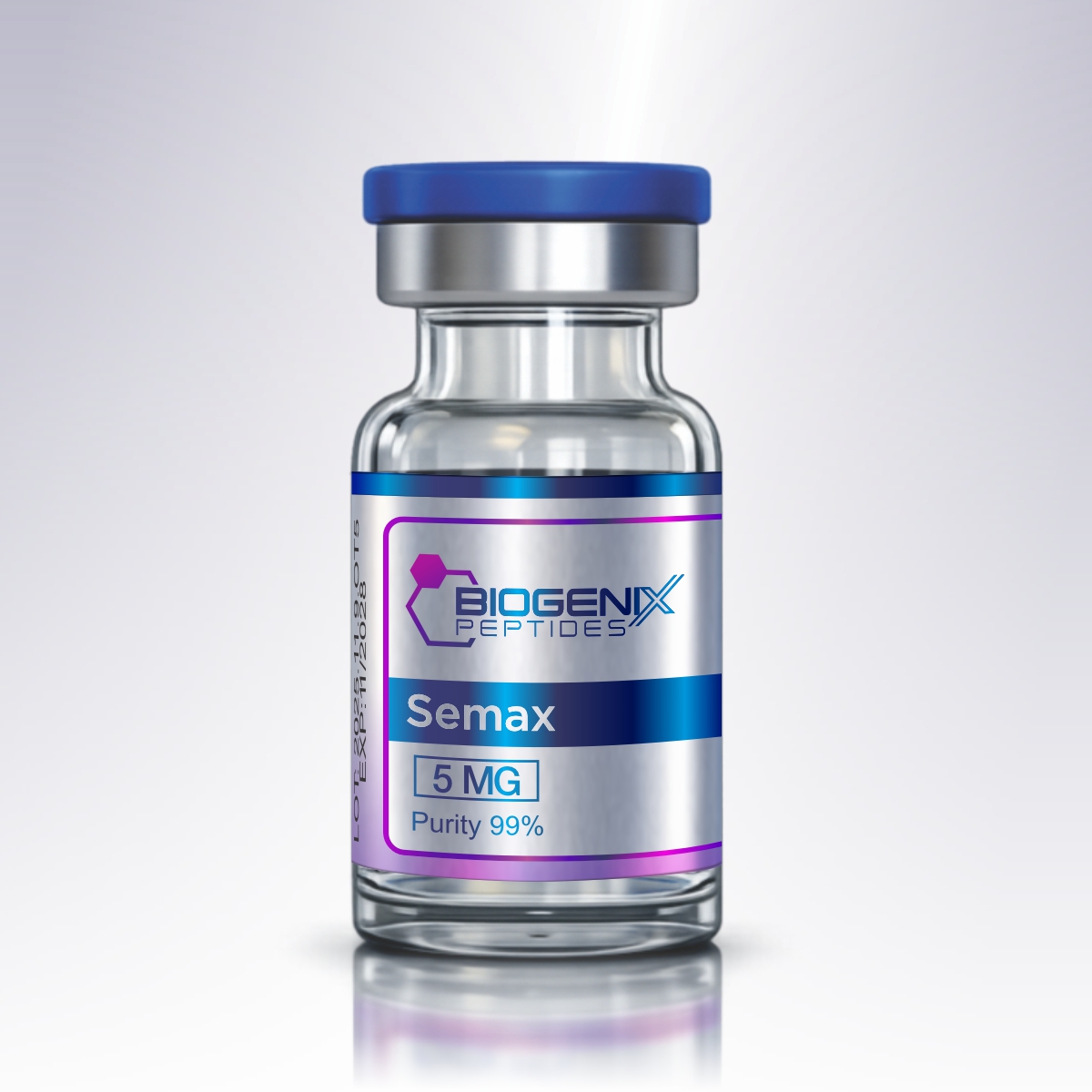
Semax 5mg
$40.00Semax is a synthetic polypeptide derived from the ACTH(4–7) fragment, designed to retain central nervous system–related properties without the classical corticotropic effects of native ACTH. Research efforts have examined its
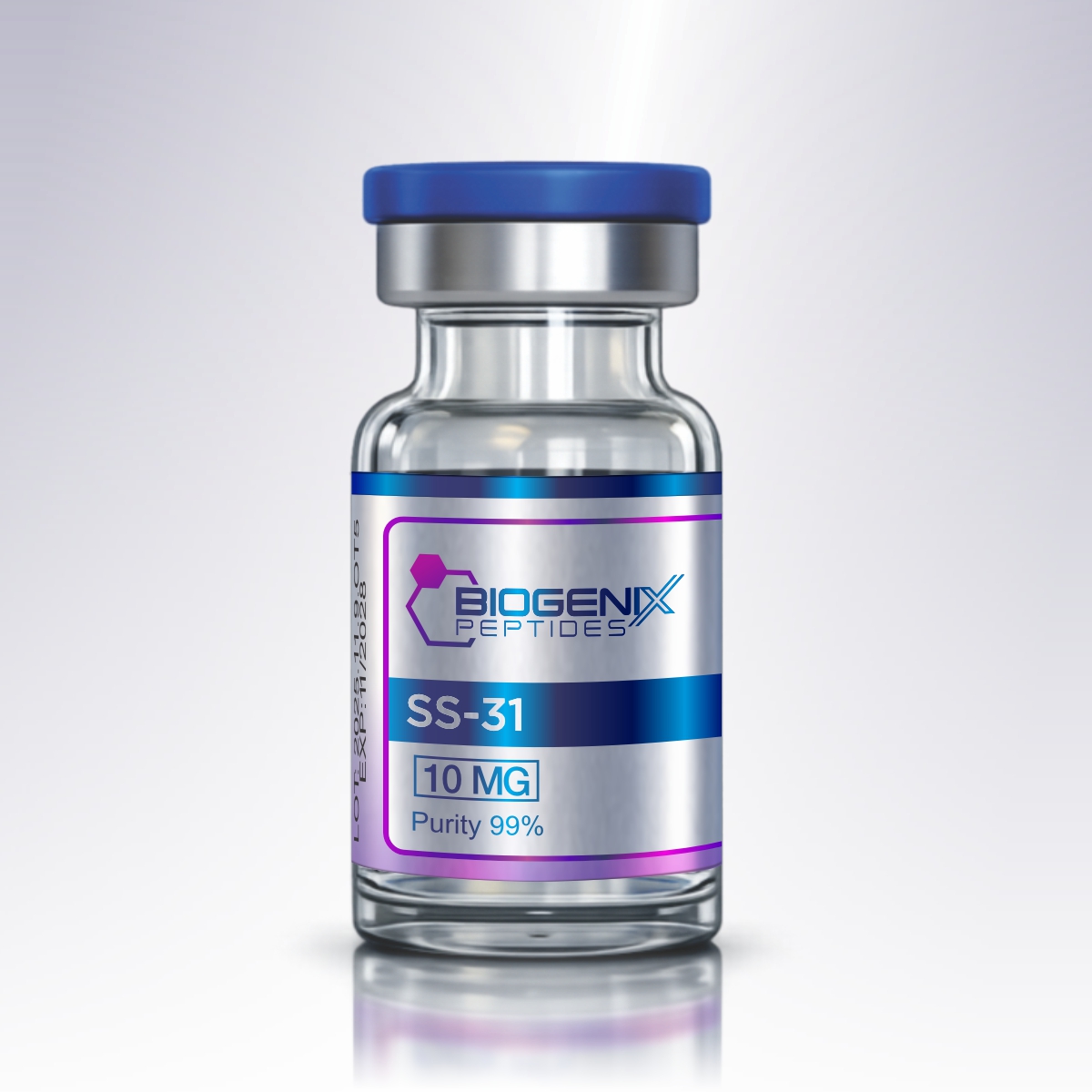
SS-31 10mg
$116.00