

GLP-1, Dual, and Triple Agonist Peptides: Semaglutide, Tirzepatide, and Retatrutide in Research
Introduction
In recent years, glucagon-like peptide (GLP)–based research has become a major focus within metabolic science. Three peptides in particular—Semaglutide, Tirzepatide, and Retatrutide—have gained significant attention for their distinct mechanisms and their study across metabolic signaling, appetite regulation, and energy balance pathways.
Although these compounds are widely discussed in clinical and consumer circles, the scientific interest behind them extends far beyond trending popularity. Researchers are investigating how incretin-based peptides interact with pathways involved in glucose metabolism, satiety signaling, and weight-related biological processes.
Understanding GLP-1, GIP, and Incretin Research
Incretins are hormone-like signaling molecules produced in the gut in response to food intake. Two incretins central to ongoing research are:
- GLP-1 (Glucagon-Like Peptide-1)
- GIP (Glucose-Dependent Insulinotropic Polypeptide)
These molecules are studied for their roles in:
- Appetite regulation signaling
- Insulin and glucose response pathways
- Metabolic adaptation
- Digestive motility and gastric emptying
Building on this foundational biology, researchers have developed synthetic analogs designed to explore incretin signaling with more stability and longer half-life compared to naturally occurring hormones. This brings us to three of the most discussed research peptides today.
Semaglutide (GLP-1): GLP-1 Receptor Agonist
Semaglutide is a GLP-1 receptor agonist, meaning it is designed to mimic the behavior of naturally occurring GLP-1 in laboratory models. Much of the interest surrounding Semaglutide involves research on satiety pathways, gastric motility signaling, and glucose-related mechanisms.
Research themes include:
- Activation of GLP-1 receptor signaling
- Modulation of appetite-related pathways
- Cellular response to delayed gastric motility
- Glucose regulation studies in laboratory models
Semaglutide’s single-target design—focusing on one primary incretin receptor system—has made it a foundational molecule in incretin-based peptide research.
Product Link → Semaglutide
Tirzepatide (GLP-2): Dual GLP-1/GIP Agonist
Tirzepatide builds upon Semaglutide by targeting two incretin pathways:
- GLP-1 receptor
- GIP receptor
Because it engages both pathways, Tirzepatide is often referred to in research literature as a dual-agonist incretin peptide.
Laboratory exploration includes:
- Appetite and satiety signaling synergy between GLP-1 and GIP
- Effects on metabolic flexibility and fuel utilization
- Comparative interest in dose efficiency versus GLP-1–only analogs
- Cellular responses related to energy intake and expenditure
This dual action has generated considerable interest because of its potential to amplify metabolic signaling mechanisms in preclinical models.
Product Link → Tirzepatide
Retatrutide (GLP-3): Triple Agonist (GLP-1, GIP & Glucagon)
Retatrutide represents the next stage in incretin research, engaging three receptor systems:
| Receptor Target | System Studied |
|---|---|
| GLP-1 | Appetite regulation pathways |
| GIP | Metabolic and glucose signaling |
| Glucagon | Energy expenditure and fatty-acid metabolism research |
The inclusion of glucagon receptor agonism separates Retatrutide from earlier incretin analogs. Glucagon signaling is studied for its relationship to:
- Thermogenesis pathways
- Fat oxidation signaling
- Metabolic energy expenditure
Researchers are examining whether triple-pathway signaling creates a compounding effect on metabolic adaptation, appetite signaling, and energy output.
Product Link → Retatrutide
How They Compare
| Peptide | Receptor Targets | Research Focus |
|---|---|---|
| Semaglutide | GLP-1 only | Foundational incretin and satiety signaling research |
| Tirzepatide | GLP-1 + GIP | Dual-agonist synergy in metabolic and appetite pathways |
| Retatrutide | GLP-1 + GIP + Glucagon | Triple-pathway exploration in energy balance and metabolic expenditure |
As the number of activated pathways increases, researchers gain opportunities to study broader metabolic responses, signaling cascades, and comparative biological effects across different receptor combinations.
The Future of Incretin-Based Research
Incretin science is evolving rapidly. As more is understood about metabolic signaling networks—and how pathways interact—new research may continue expanding beyond single-agonist molecules.
Key areas of ongoing study include:
- Appetite regulation mechanisms
- Metabolic efficiency and flexibility
- Energy expenditure pathways
- Tissue-specific receptor signaling
- Long-duration peptide engineering and stability
Researchers are particularly interested in comparing single-pathway versus multi-pathway modulation to better understand signaling hierarchies and biological outcomes.
Final Thoughts
Semaglutide, Tirzepatide, and Retatrutide represent three stages of incretin peptide evolution: from single-receptor analogs to multi-pathway receptor engagement. While these molecules are well known in the public space, their scientific relevance is tied to ongoing research into metabolism, signaling networks, and biological energy balance.
As the incretin field continues advancing, these peptides remain central subjects in metabolic peptide research.

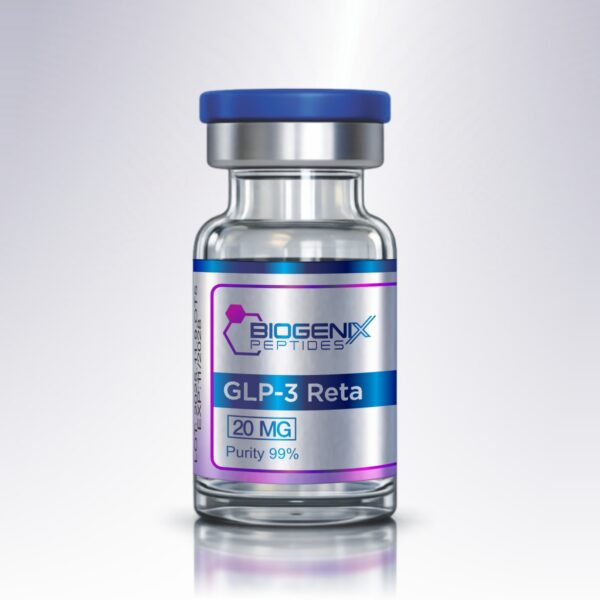
Reta (GLP-3) 20mg
Retatrutide is an investigational multi-agonist peptide engineered to activate three metabolic hormone receptors—GLP-1, GIP, and glucagon—positioning it as a next-generation “triple agonist.” In research settings, it has been examined for its potential influence on appetite regulation, energy utilization, and body-weight–related endpoints. Chemically, retatrutide is a long-acting incretin-mimetic designed to co-activate GLP-1R, GIPR, and GCGR, enabling coordinated engagement of complementary metabolic pathways. Studies have explored its combined effects on glucose homeostasis, gastric emptying, insulin dynamics, lipolysis, and energy expenditure within controlled experimental models.
In Stock
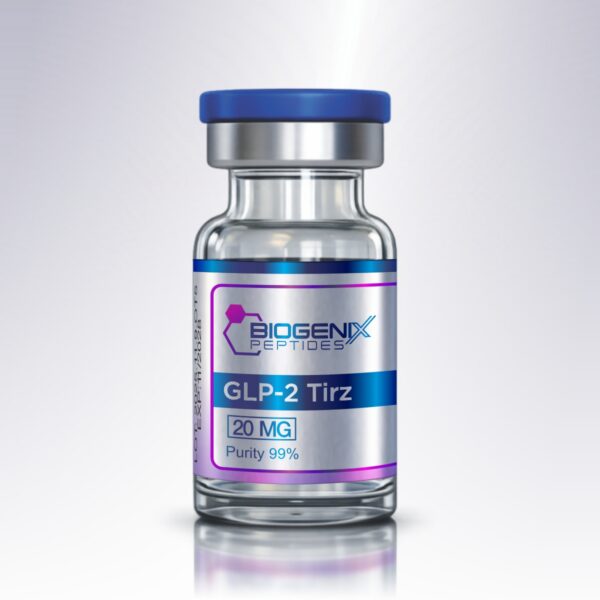
Tirz (GLP-2) 20mg
Tirzepatide is a long-acting synthetic polypeptide engineered as a dual agonist of the glucose-dependent insulinotropic polypeptide (GIP) and glucagon-like peptide-1 (GLP-1) receptors. By activating both incretin pathways, it has been investigated for its effects on glycemic regulation, body-weight reduction, and broader cardiometabolic markers in controlled research environments.
Many experimental protocols utilize once-weekly, dose-escalated administration, with outcomes extensively characterized in the SURPASS (type 2 diabetes) and SURMOUNT (obesity without diabetes) study programs.
In Stock
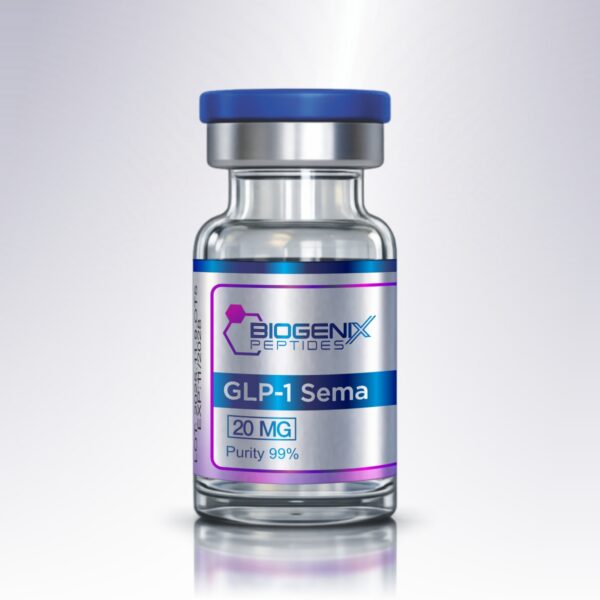
Sema (GLP-1) 20mg
Semaglutide is a long-acting GLP-1 receptor agonist (GLP-1RA) investigated for its effects on glycemic regulation and body-weight–related outcomes in controlled research settings. It is structurally optimized for extended systemic exposure, supporting once-weekly dosing paradigms in experimental models. Semaglutide is an acylated GLP-1 analog featuring a C18 fatty-diacid side chain attached to Lys26 via a spacer, a modification that enhances albumin binding and resistance to enzymatic degradation. This design yields a ~1-week half-life while preserving high affinity and selectivity for GLP-1R. An oral research formulation combines semaglutide with the absorption enhancer SNAC to promote transcellular uptake across the gastric epithelium.
In Stock