
What Are Peptides? The Complete Science-Backed Guide to Cell Signaling, Metabolism, Hormones & Longevity
Peptides Explained: What They Are, How They Work, and Why They’re Reshaping Metabolic, Longevity, Recovery & Hormonal Research
Research Disclaimer:
This article is provided for educational and informational purposes only. It discusses peptide biology and published scientific literature. It does not constitute medical advice. Any compounds mentioned are referenced strictly in research, laboratory, and educational contexts only..
Quick Start
Peptides are short chains of amino acids. Your body uses them constantly as signals — like short messages that tell cells what to do next.
Many peptides act through receptors (often on the cell surface). When a peptide binds a receptor, it can trigger signaling cascades that change cellular behavior: appetite signals, insulin release, inflammation tone, repair activity, and more.
Peptides are not “traditional drugs” in the usual sense. They often resemble the body’s natural messaging molecules, and they can be highly specific — but they also face challenges like enzymatic breakdown and delivery limitations.
If you only read one section, read “Peptides as Text Messages” + “Peptides vs Traditional Drugs”.
Table of Contents
- What are peptides?
- How peptides work (the “text message” analogy)
- Peptides vs traditional drugs (what’s different)
- Why peptide science is exploding right now
- The systems view: why peptides matter across the whole body
- Receptors in plain English: the “inbox types”
- What happens after binding: cascades, gene programs, and “cell decisions”
- Metabolic peptides: appetite, glucose, energy routing
- Hormonal peptides: timing, pulses, feedback loops
- Recovery & regeneration research: coordinating repair
- Longevity research: resilience, timing, and signal fidelity
- The hard part: stability, half-life, and delivery
- Why purity & verification matter so much in peptide research
- How to read peptide research without getting fooled
- Common myths & confusion (and what’s actually true)
- FAQ
- Glossary
- Peer-review references (Vancouver style)
1) What Are Peptides?
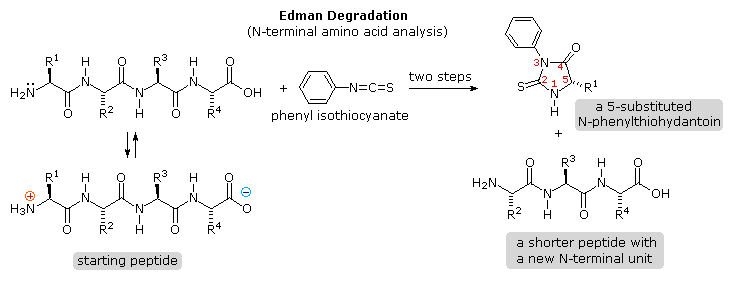
Peptides are short chains of amino acids — the same building blocks used to make proteins.
Think of it like language
- Amino acids = letters
- Peptides = short sentences (messages)
- Proteins = full books (complex machines/structures)
This isn’t just a cute analogy: peptide “shortness” is why they’re often used for signaling rather than structural work.
Peptides exist everywhere in biology
Your body naturally produces thousands of peptides. Many function as:
- Hormones (signals between organs)
- Neuropeptides (brain-to-body signals)
- Immune peptides (danger/repair signals)
- Local “tissue coordinator” signals (repair/remodeling cues)
Core idea: In many cases, peptides are not “chemicals that push a result.” They are signals that guide decisions inside biological systems.
Peptides in therapeutics: a fast-growing modality
Over the last decade, peptide therapeutics expanded rapidly — not because peptides are trendy, but because they can be designed for high target specificity and biologically aligned signaling. Modern reviews emphasize both the advantages (selectivity, versatility) and the challenges (stability, delivery).
See references in Section 18.
2) How Peptides Work (The “Text Message” Analogy)
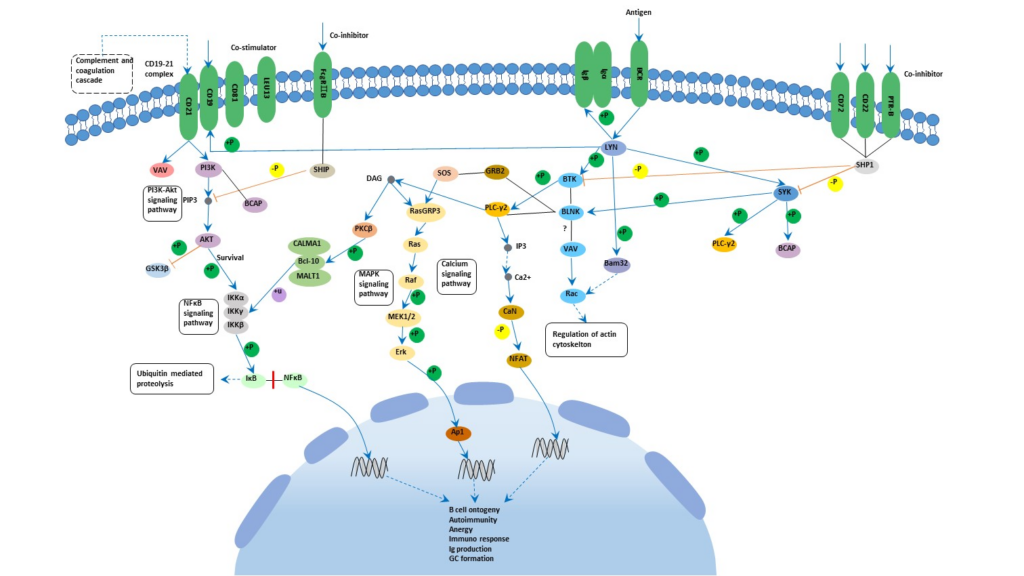
This is the simplest useful model that stays scientifically honest:
CELL = a factory
RECEPTORS = inbox scanners on the outside wall
PEPTIDES = short text messages sent to those inboxes

Message arrives → receptor reads it → internal control panels change settings
Peptides typically bind to a receptor and trigger a response. That response might be:
- Release something (like a hormone or neurotransmitter)
- Change fuel usage (burn, store, conserve)
- Adjust appetite/satiety signaling
- Shift immune tone (calm vs activate)
- Turn gene programs up or down (longer-term adaptation)
Why the analogy matters: Many people imagine all “bioactive compounds” like keys that force locks open. Peptides behave more like instructions — and instructions can have different effects depending on where they’re received.
One message, many outcomes (context is everything)
The same receptor family can exist in multiple tissues. That means a peptide signal can produce different downstream effects depending on the tissue, the cell type, and the cell’s current state (fed vs fasted, stressed vs rested, inflamed vs calm).
3) Peptides vs Traditional Drugs: What’s Actually Different?
People often say “peptides are just drugs.” The truth is more nuanced.
| Category | Typical Strength | Typical Tradeoff |
|---|---|---|
| Small-molecule drugs | Often oral, stable, scalable | Can be less specific; off-target effects more common |
| Large biologics (e.g., antibodies) | Very specific; long-acting | Complex; expensive; tissue penetration can be limited |
| Peptides | Biologically “native-like” signaling; high specificity; tunable | Fragility, short half-life, delivery challenges |
Plain-English summary: Peptides can behave like “clean signals” that biology already understands — but they often require smarter delivery because the body is built to break peptides down.
Why the body breaks peptides down so fast
Your digestive system and blood contain enzymes designed to chop peptides and proteins into amino acids. That’s essential for nutrition and safety. It also means many peptides have short half-lives unless engineered for stability.
4) Why Peptide Science Is Exploding Right Now
1) Biology is “signal-first”
Modern systems biology shows that many diseases are communication failures: timing problems, feedback loop errors, signal drift, or chronic mis-signaling.
2) Engineering got better
Synthesis, purification, and analytical verification improved. Researchers can now design peptides more precisely, track degradation, and optimize stability.
3) Metabolic success stories changed public awareness
Peptide-based metabolic therapies became mainstream, which pulled peptide science into broader attention and investment.
4) Delivery innovations accelerated
Reviews in peptide therapeutics focus heavily on overcoming stability, absorption barriers, and clearance through formulation and molecular modifications.
Big picture: Peptides are rising because they match how biology actually works: your body uses signals more than brute force.
5) The Systems View: Why Peptides Matter Across the Whole Body
Most people think in single targets: “this molecule does X.” Biology doesn’t work like that. Biology is a network.
A simplified “systems map” (high-level)
Inputs (food, sleep, stress, exercise)
          ↓
Signal network (peptides, hormones, neurotransmitters)
          ↓
Control nodes (brain, pancreas, liver, fat, muscle, immune tissues)
          ↓
Outputs (appetite, glucose control, inflammation tone, repair capacity, energy expenditure)

When the signal network degrades, multiple outputs drift at once.
This is why peptide research shows up in so many fields at once: peptides are upstream coordinators.
Useful mental model: If small molecules often “push a button,” peptides often “run a protocol.”
6) Receptors in Plain English: The “Inbox Types”
Receptors are proteins that “read” signals. Different receptors behave like different inbox types.
Type 1: GPCR inbox (the common peptide receptor style)
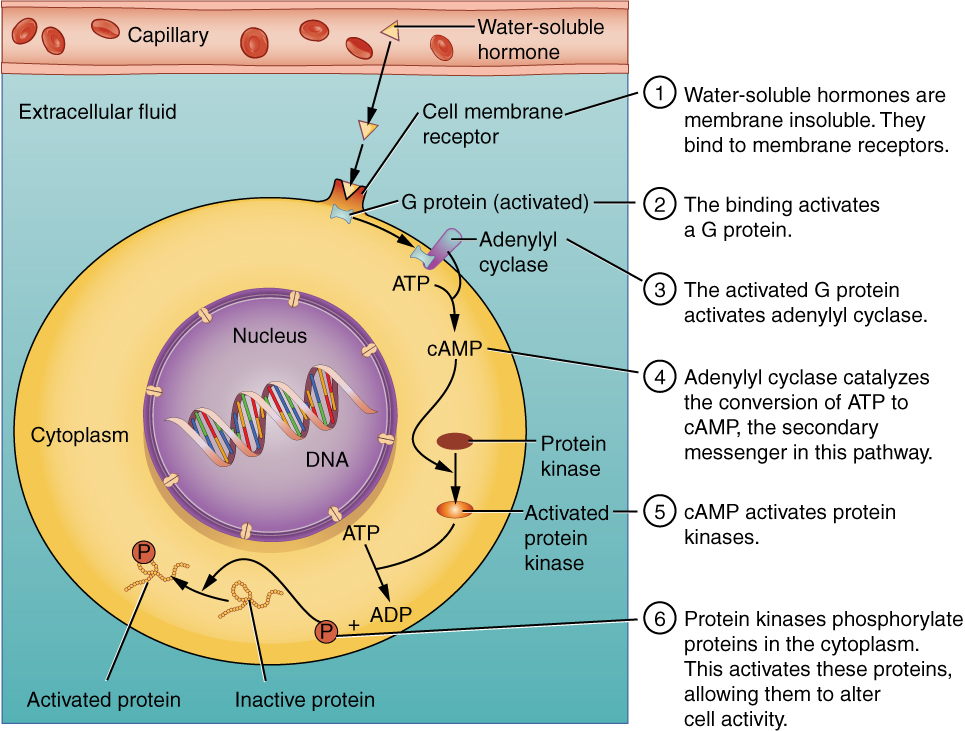
Many peptide hormones signal through GPCRs (G-protein-coupled receptors). These receptors translate an outside message into inside signals using intermediary proteins.
- Fast signaling
- Can affect appetite, hormones, neurotransmission
- Often tissue-specific outcomes
Type 2: Enzyme-linked inbox (growth & regulation)
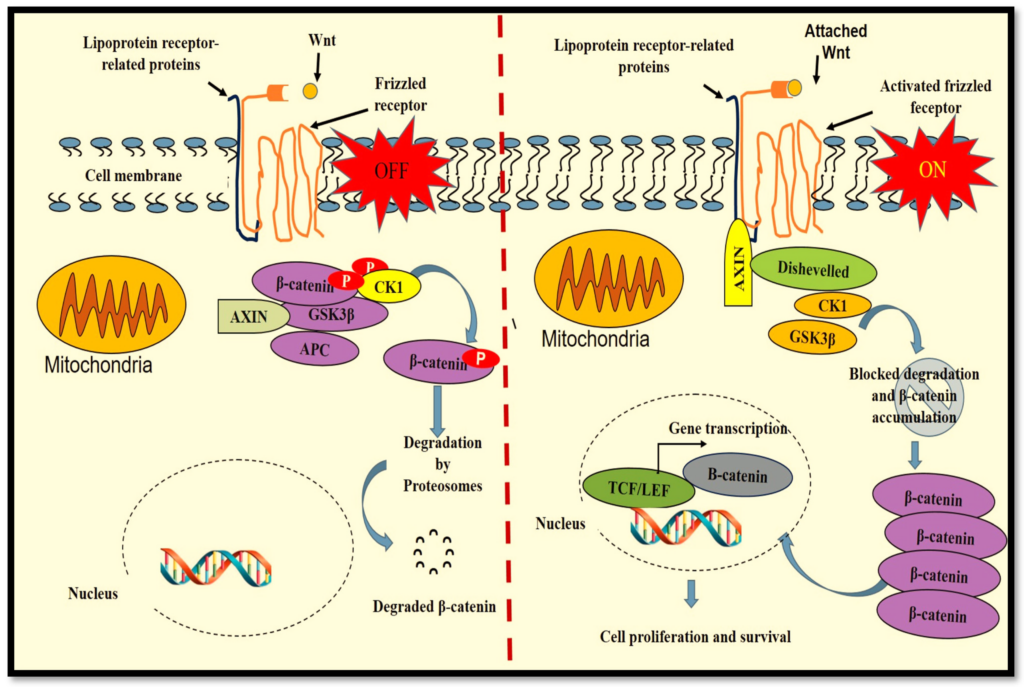
Some receptors activate enzymes or phosphorylation cascades. These can create longer-lasting downstream effects.
- Often affects growth, metabolism, repair
- Can shift gene programs over time
Important: “Binding a receptor” does not guarantee “one predictable effect.” Downstream signaling depends on context, dose, tissue distribution, and timing.
7) What Happens After Binding: Cascades, Gene Programs, and “Cell Decisions”
After a peptide binds, signaling typically spreads through a cascade — like a chain of internal notifications.
Peptide binds receptor
      ↓
Second messengers (inside-cell signals)
      ↓
Kinase / phosphorylation cascades (control panels)
      ↓
Immediate effects (minutes): secretion, channel activity, metabolism shifts
      ↓
Longer effects (hours-days): gene expression programs, adaptation, remodeling
Why researchers love peptides
Because peptides can be used to ask very precise questions:
- Which receptors control appetite signals?
- Which pathways shift glucose handling?
- What changes immune tone without over-activating immunity?
- How do timing cues influence repair and resilience?
8) Metabolic Peptides: Appetite, Glucose, and Energy Routing
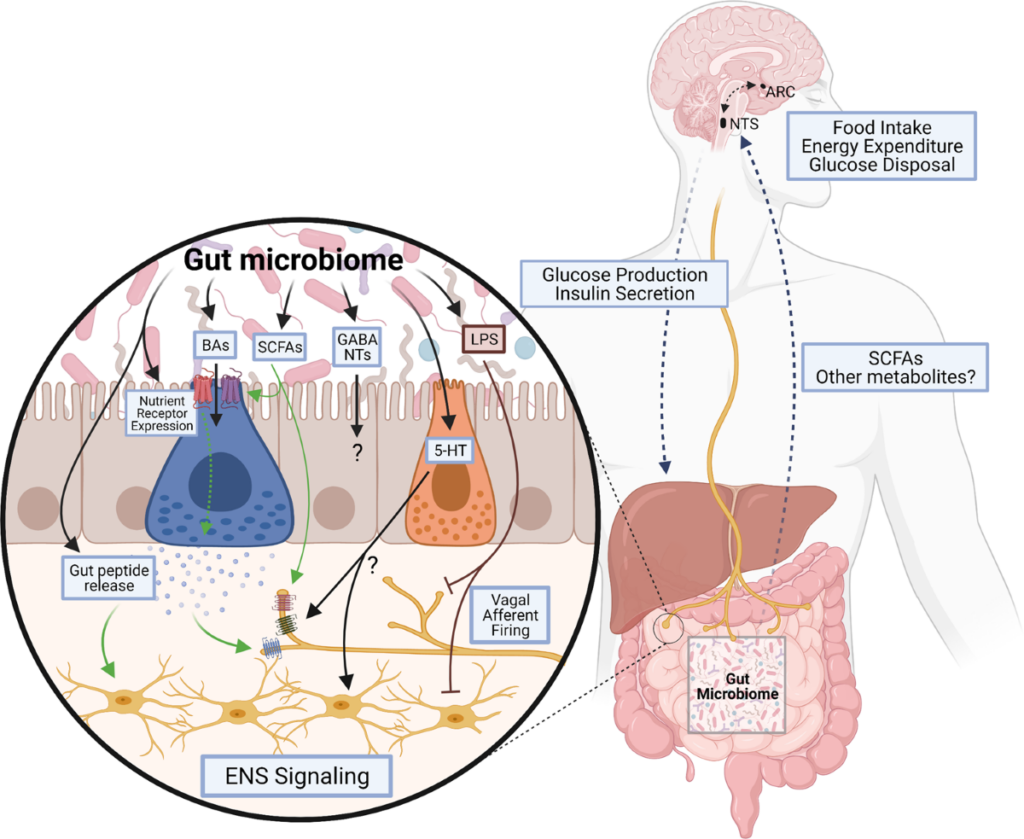
Metabolism is not just “calories.” It’s communication between organs: gut ⇄ brain ⇄ pancreas ⇄ liver ⇄ fat ⇄ muscle.
Gut-to-brain signaling (why satiety is a message, not willpower)
After a meal, gut-derived peptide signals can influence appetite centers in the brain and coordinate peripheral metabolism. This is one reason peptide-based metabolic research became so important: it maps and modulates the natural satiety network.
GLP-1 as a “case study” in peptide signaling
GLP-1 receptor signaling is often discussed as a multi-system example: central appetite modulation, peripheral metabolic effects, and downstream cardiometabolic outcomes in broader clinical contexts.
(See references on GLP-1 mechanisms, weight outcomes, and cardiometabolic outcome research in Section 18.)
Plain-English takeaway: Many metabolic peptides don’t “stimulate harder.” They help biology read hunger/fullness signals more clearly and route energy more intelligently.
Where this field is heading
- Multi-pathway signaling strategies
- Long-acting delivery formats
- Improved tolerability through dosing design
- Broader indications (cardiometabolic, renal, inflammation-linked conditions)
9) Hormonal Peptides: Timing, Pulses, and Feedback Loops
Many hormones are peptides. And peptide hormones are often “timed” — released in pulses, not flat levels.
Why pulses matter
Pulses prevent receptor desensitization, preserve responsiveness, and allow feedback loops to operate. Peptides often clear quickly, which makes them naturally suited to pulse signaling.
Feedback loops (the body’s autopilot)
Signal rises → response happens → feedback reduces the signal → balance returns

When feedback breaks: signals stay high, stay low, or fire at the wrong time.
Common confusion: People confuse steroid hormones (fat-like molecules) with peptide hormones (amino acid chains). They’re fundamentally different categories with different behavior and metabolism.
10) Recovery & Regeneration Research: Coordinating Repair
Recovery isn’t one event. It’s an organized sequence: signal → respond → clean up → rebuild → remodel.
A simplified repair timeline
1) Damage/stress detection
2) Inflammation (controlled activation)
3) Cleanup & debris management
4) Rebuilding (cells, ECM, vessels)
5) Remodeling (strength, structure, function)
Where peptides fit
Many peptides are studied because they can influence signaling involved in inflammation tone, angiogenesis, extracellular matrix remodeling, and cellular migration — all key components in tissue adaptation and repair.
This section is intentionally high-level. Specific peptides vary widely in evidence, model systems, and research quality.
Plain-English takeaway: Recovery peptides (in research contexts) are rarely “instant healers.” They’re more like “project managers” that adjust the repair process.
11) Longevity Research: Resilience, Timing, and Signal Fidelity
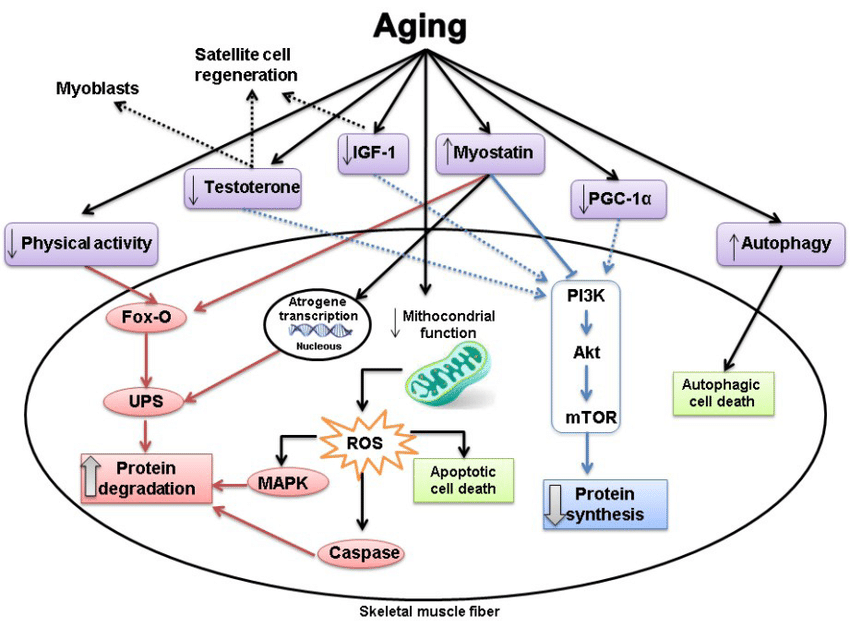
Serious longevity science is less about “living forever” and more about maintaining function.
A practical definition of longevity science
- Maintain metabolic flexibility
- Preserve repair capacity
- Reduce chronic mis-signaling (inflammation drift)
- Protect timing systems (sleep/circadian coordination)
- Maintain stress response calibration
Why peptides show up in longevity discussions
Peptides are upstream coordinators. They can influence the “rules” the system follows: how strongly stress responses activate, how repair programs initiate, and how tissues coordinate under strain.
Reality check: Longevity claims should be treated as hypotheses until supported by robust human data. Many longevity peptides remain primarily preclinical or translational research topics.
12) The Hard Part: Stability, Half-Life, and Delivery
Peptides are powerful signals — and signals are often designed to be temporary. That’s why delivery is the central challenge.
Common constraints
- Proteolysis: enzymes break peptides down
- Short half-life: rapid clearance
- Absorption barriers: especially oral delivery
- Tissue distribution: reaching the intended site
What researchers do about it
- Peptide modifications to improve stability
- Formulation strategies
- Alternative routes of administration
- Long-acting designs and delivery platforms
Plain-English takeaway: With peptides, “how you deliver it” can matter as much as “what it is.”
Oral peptides: why it’s difficult
The GI tract is built to break peptides down. Reviews of oral peptide/protein delivery focus on barriers like enzymatic degradation, mucus barriers, epithelial transport limits, and first-pass metabolism — plus strategies to overcome them.
13) Why Purity & Verification Matter So Much in Peptide Research
Peptides are “information molecules.” Small changes can change the message.
What can go wrong in research if quality is poor
- Wrong identity: you’re studying the wrong sequence
- Impurities: byproducts can bind other targets and add noise
- Degradation: breakdown fragments may behave differently
- Handling errors: moisture/heat can alter stability
Plain-English takeaway: In peptide research, “close enough” isn’t close enough. If the sample isn’t what you think it is, the conclusions fall apart.
What “good verification” typically includes (high level)
- Identity confirmation (sequence / mass)
- Purity assessment (chromatography-based)
- Stability considerations (storage + time)
- Documentation for reproducibility
Keep this section educational and evidence-first. Avoid overpromising; emphasize reproducibility.
14) How to Read Peptide Research Without Getting Fooled
Step 1: Identify the study type
| Study Type | What It Can Tell You | What It Cannot Prove |
|---|---|---|
| Cell / in vitro | Mechanisms, receptor effects, pathway activation | Real-world outcomes in humans |
| Animal | System-level effects; dosing hypotheses | Human efficacy/safety certainty |
| Human (early) | Signals, tolerability, biomarkers | Long-term outcomes |
| Human (large RCT) | Best evidence for efficacy and common side effects | Everything (rare events still require surveillance) |
Step 2: Check endpoints (what did they measure?)
- Hard outcomes: events, function, validated clinical endpoints
- Biomarkers: useful but not always equal to outcomes
- Surrogates: can be misleading if interpreted as guarantees
Step 3: Look for dose, duration, and adherence clues
Peptide signals can be timing-sensitive. A study with short exposure or poor adherence might underestimate effects; a study with aggressive diet/exercise in all groups might compress differences.
Red flag language: “miracle,” “guaranteed,” “no side effects,” “works for everyone.” Serious research rarely talks like that.
Step 4: Ask “Does this match known biology?”
Strong claims should match plausible receptor/signaling mechanisms and consistent patterns across multiple studies or models. If a claim requires biology to behave in an entirely new way, demand stronger evidence.
15) Common Myths & Confusions
Myth: “Peptides are basically steroids.”
Reality: Steroids are lipid-derived hormones. Peptides are amino-acid chains. Different chemistry, different receptors, different metabolism.
Myth: “If it’s natural, it’s automatically safe.”
Reality: “Natural” doesn’t guarantee safety or appropriateness. Dose, context, purity, delivery, and evidence matter.
Myth: “If it binds a receptor, it will work the same for everyone.”
Reality: Biology is context-dependent: tissue distribution, receptor density, baseline state, and timing all shape outcomes.
Myth: “Oral peptides should be easy.”
Reality: Your GI tract is designed to break peptides down. Oral delivery is a major engineering challenge — and a major research focus.
16) FAQ (Plain-English Answers)
Are peptides “drugs”?
“Peptide” describes a molecular type, not a single category of use. Some peptides are approved medicines, many are natural signals, and many are research tools. The key is evidence and context.
Why do peptides feel “different” than many traditional drugs?
Because many peptides resemble the body’s native signaling molecules, so they can act like messages that biology already knows how to read — rather than blunt-force chemical pressure.
Why can’t many peptides be taken orally?
Because enzymes and barriers in the GI tract are designed to digest peptides. Oral peptide/protein delivery is a major research field focused on stability and absorption strategies.
Are peptides only about metabolism and weight?
No. Peptides span endocrine signaling, immunity, repair, oncology, neurology, and more. Metabolic peptides simply became the most visible success story recently.
What’s the single best way to think about peptides?
Peptides are short biological messages that guide cell behavior.
17) Glossary (Quick Definitions)
- Amino acid: Building block used to form peptides and proteins.
- Peptide: Short chain of amino acids; often used as a biological signal.
- Protein: Longer amino-acid chain that folds into complex structures and machines.
- Receptor: A protein that detects a signal and triggers a response.
- GPCR: A common receptor family involved in many peptide hormone signals.
- Half-life: How quickly a molecule is cleared or broken down.
- Bioavailability: How much reaches circulation and the target site.
- Proteolysis: Enzymatic breakdown of peptides/proteins.
- Signal cascade: A chain reaction inside the cell after receptor activation.
18) Peer-Review References
- Zheng B, Wang Y, et al. Therapeutic Peptides: Recent Advances in Discovery, Synthesis, and Clinical Applications. (Review). 2025. Available from: https://pmc.ncbi.nlm.nih.gov/articles/PMC12154100/
- Fetse J, et al. Recent Advances in the Development of Therapeutic Peptides. (Review). 2023. Available from: https://pmc.ncbi.nlm.nih.gov/articles/PMC10330351/
- Baral KC, et al. Barriers and Strategies for Oral Peptide and Protein Therapeutics. (Review). 2025. Available from: https://pmc.ncbi.nlm.nih.gov/articles/PMC12030352/
- Liu M, et al. Progress in peptide and protein therapeutics: Challenges and solutions for delivery routes and bioavailability. (Review). 2025. Available from: https://www.sciencedirect.com/science/article/pii/S221138352500704X
- Al Musaimi O, et al. 2024 FDA TIDES (Peptides and Oligonucleotides) Harvest. (Review). 2025. Available from: https://pmc.ncbi.nlm.nih.gov/articles/PMC11945313/
- Moiz A, et al. Mechanisms of GLP-1 Receptor Agonist-Induced Weight Loss. (Review). 2025. Available from: https://pubmed.ncbi.nlm.nih.gov/39892489/
- Raza FA, et al. Effect of GLP-1 receptor agonists on weight and cardiovascular outcomes: mechanisms, benefits, and limitations. (Review). 2024. Available from: https://pmc.ncbi.nlm.nih.gov/articles/PMC11537668/
- Chen TH, et al. GLP-1 RAs and Cardiovascular and Kidney Outcomes. (Review). 2025. Available from: https://jamanetwork.com/journals/jamanetworkopen/fullarticle/2838602
- Collins L, et al. Glucagon-Like Peptide-1 Receptor Agonists. StatPearls. 2024. Available from: https://www.ncbi.nlm.nih.gov/books/NBK551568/
Final Thoughts: Why Peptides Matter
If you take one idea from this guide, let it be this: peptides are the body’s native communication system. They’re built from the same amino acids as proteins, but they usually act more like short, targeted messages—signals that help cells coordinate appetite, energy use, inflammation tone, repair activity, and hormonal timing.
That’s also why peptides shouldn’t be casually lumped into the same category as “traditional drugs.” Many small-molecule drugs work by forcing a result—blocking, suppressing, or overriding a pathway. Peptides often work differently: they inform biology by engaging receptors and triggering downstream cascades that the body already uses. In the best-case research scenarios, that can mean high specificity and a more “biologically fluent” way of influencing systems.
But peptide science is not magic—and serious research doesn’t pretend it is. The real challenge is almost always delivery: stability, half-life, and getting the right signal to the right tissue at the right time. That’s why modern peptide research focuses as much on formulation and design as it does on the peptide itself.
So why has the field grown so fast? Because biology is networked—and peptides are upstream network signals. Metabolic science helped the world see that appetite and glucose control are conversations between organs. Recovery research highlights how repair is an orchestrated sequence, not a single switch. Longevity research increasingly frames aging as a drift in coordination, timing, and signal fidelity. Across all of these areas, peptides keep showing up for the same reason: they’re one of the cleanest ways to study—and sometimes guide—how the body communicates.
Bottom line: Peptides are not a shortcut. They’re a language. The future of peptide science belongs to work that is evidence-first—grounded in mechanisms, verified materials, careful delivery design, and honest interpretation of results.