

The Origin of Peptides: Early Life Chemistry Before Biology
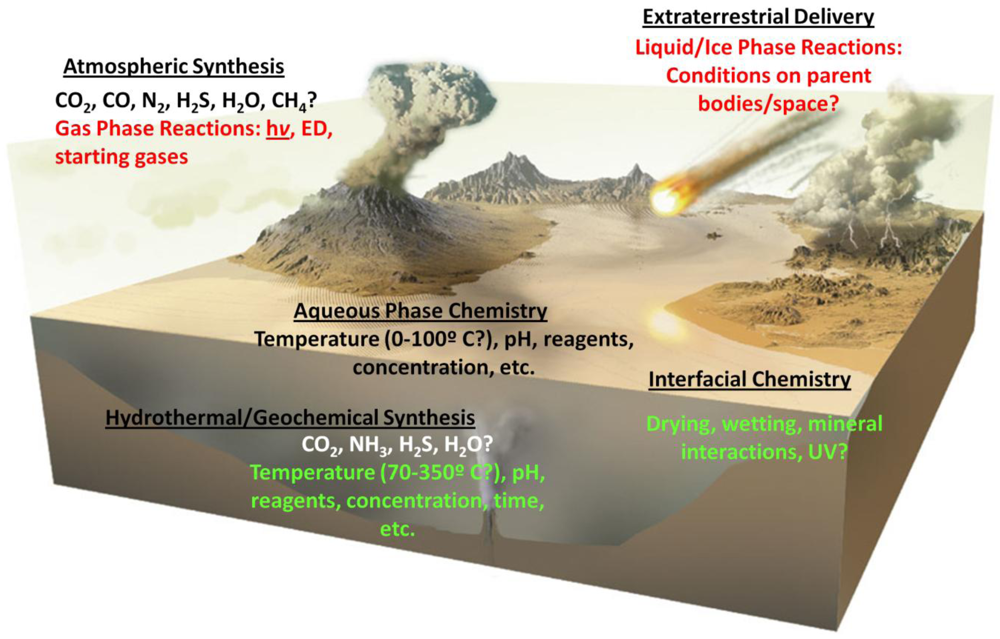
How Simple Chemical Reactions May Have Formed the First Peptides on Earth
Research Use Only Disclaimer
This content is provided for educational and informational purposes only and reflects theoretical and prebiotic research discussions related to chemistry, molecular evolution, and peptide formation. It does not constitute medical advice and is not intended for human or animal use.
Introduction: Peptides Before Life
Peptides are often discussed today as advanced molecular tools used to explore signaling, structure, and cellular communication. Yet mounting evidence suggests peptides may have existed long before biology itself emerged.
In origin-of-life research, scientists seek to understand how molecular complexity arose in the absence of cells, genetic code, or organized biological systems. Short chains of amino acids — peptides — are increasingly viewed as plausible early molecular structures capable of forming under primitive Earth conditions.
This perspective reframes peptides not as fragile laboratory constructs, but as chemically robust systems — a theme echoed in modern discussions of peptide bioavailability and molecular persistence.
The Fundamental Paradox of Early Molecular Systems
Modern biological systems rely on highly organized molecular processes to assemble peptides. Yet such organization itself depends on peptides already being present.
This paradox has driven decades of research into prebiotic chemistry, focusing on how peptide bonds could arise through environmental chemistry alone — without cells, templates, or genetic instruction.
Rather than assuming early life required biological complexity from the outset, researchers now explore how simple chemistry could generate increasing molecular order over time.
Chemical Pathways to Early Peptide Formation
Laboratory simulations of early Earth conditions have demonstrated several chemically plausible routes for peptide bond formation.
- Wet–dry cycling: Repeated hydration and dehydration cycles promote condensation reactions by removing water, favoring bond formation.
- Activated amino acid intermediates: Certain chemically energized amino acids can link spontaneously under mild conditions.
- Mineral surface interactions: Clay and metal-rich surfaces concentrate amino acids and orient them spatially.
- Sulfur-rich chemical environments: Sulfur-containing compounds appear to facilitate early condensation and stabilization reactions.
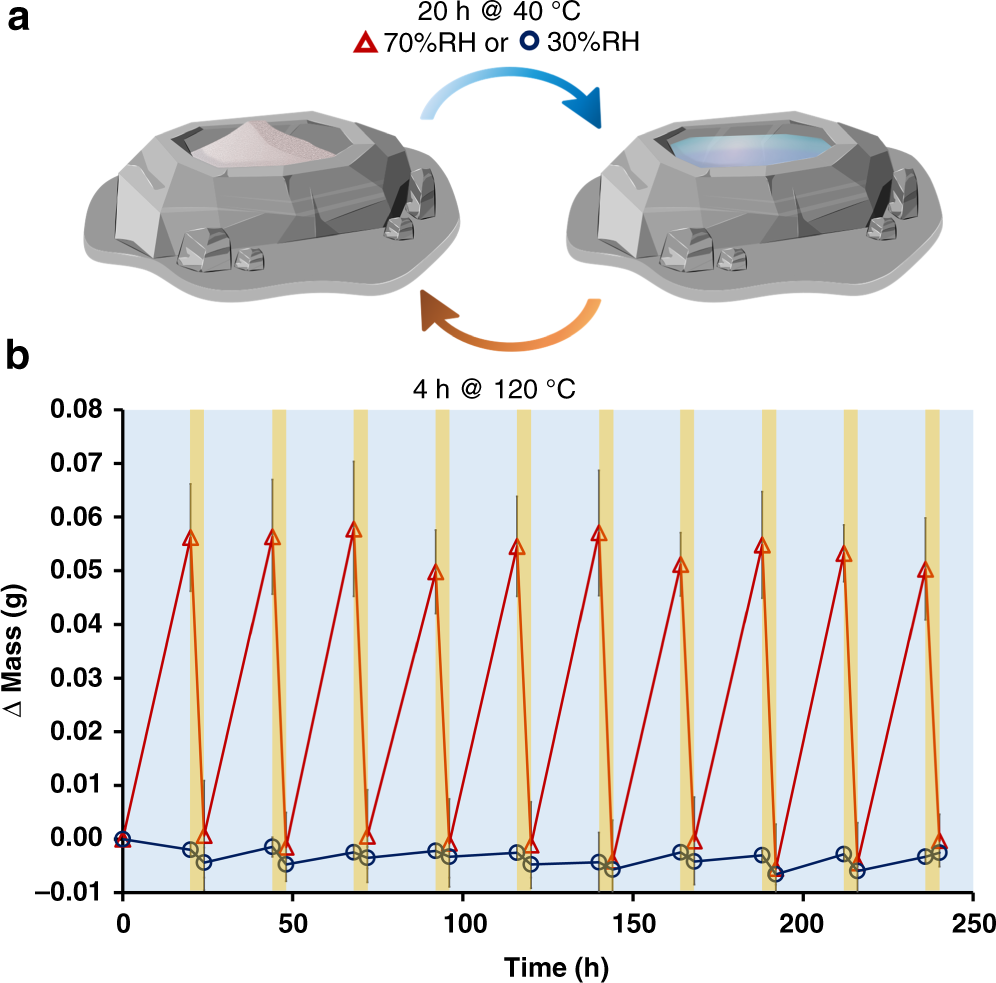
These findings support the idea that short peptides could emerge naturally through environmental chemistry — long before organized biological machinery existed.

Why Early Peptides Matter
Even very short peptides exhibit meaningful chemical behavior. Experimental models suggest early peptides may have stabilized other molecules, bound metal ions, influenced membrane-like structures, and increased local chemical organization.
Rather than acting as complex molecular machines, early peptides likely served as scaffolds and amplifiers — increasing the probability of productive molecular interactions.
This aligns with modern views of peptides as modular systems, capable of exerting outsized influence relative to their size — a principle also explored in The “Peptide Reserve” Theory.
Peptides and Nucleic Acids: Co-Evolution Rather Than Competition
While early theories emphasized nucleic acids as the first self-organizing systems, newer models favor co-evolution. In these frameworks, peptides and nucleic acids mutually reinforced one another’s stability and persistence.
Studies show that short peptides can stabilize nucleic acid structures and that peptide–nucleic acid complexes exhibit emergent properties not seen in either system alone.
This cooperative chemistry may have accelerated the transition from simple molecules to increasingly organized systems — a concept echoed in modern research on how peptides influence broader biological systems.
What Origin-of-Life Chemistry Teaches Modern Peptide Science
Understanding peptide origins reshapes how peptides are viewed today. Rather than fragile or artificial constructs, peptides are increasingly recognized as chemically adaptable and structurally resilient.
Modern peptide engineering — including stability optimization and structure-first design — reflects principles already present in early Earth chemistry. These ideas continue to evolve alongside advances such as AI-assisted peptide structure optimization.
Final Thoughts
The study of early peptide formation suggests peptides were not late additions to biology, but foundational molecular systems bridging chemistry and life.
By tracing peptides back to their chemical origins, researchers gain deeper insight into why peptides remain central to molecular organization, signaling, and biological complexity today.
References (Peer-Reviewed Research)
- Forsythe, J. G., et al. (2015). Ester-mediated amide bond formation driven by wet–dry cycles: A possible path to polypeptides on the early Earth. Angewandte Chemie International Edition, 54(34), 9871–9875.
https://onlinelibrary.wiley.com/doi/10.1002/anie.201503792 - Kitadai, N., & Maruyama, S. (2018). Origins of building blocks of life: A review. Geoscience Frontiers, 9(4), 1117–1153.
https://www.sciencedirect.com/science/article/pii/S167498711730186X - Sutherland, J. D. (2017). Studies on the origin of life — the end of the beginning. Nature Reviews Chemistry, 1, 0012.
https://www.nature.com/articles/s41570-016-0012 - Hud, N. V., et al. (2020). A prebiotic soup perspective on the origin of life. Cold Spring Harbor Perspectives in Biology, 12(9).
https://cshperspectives.cshlp.org/content/12/9/a035741