
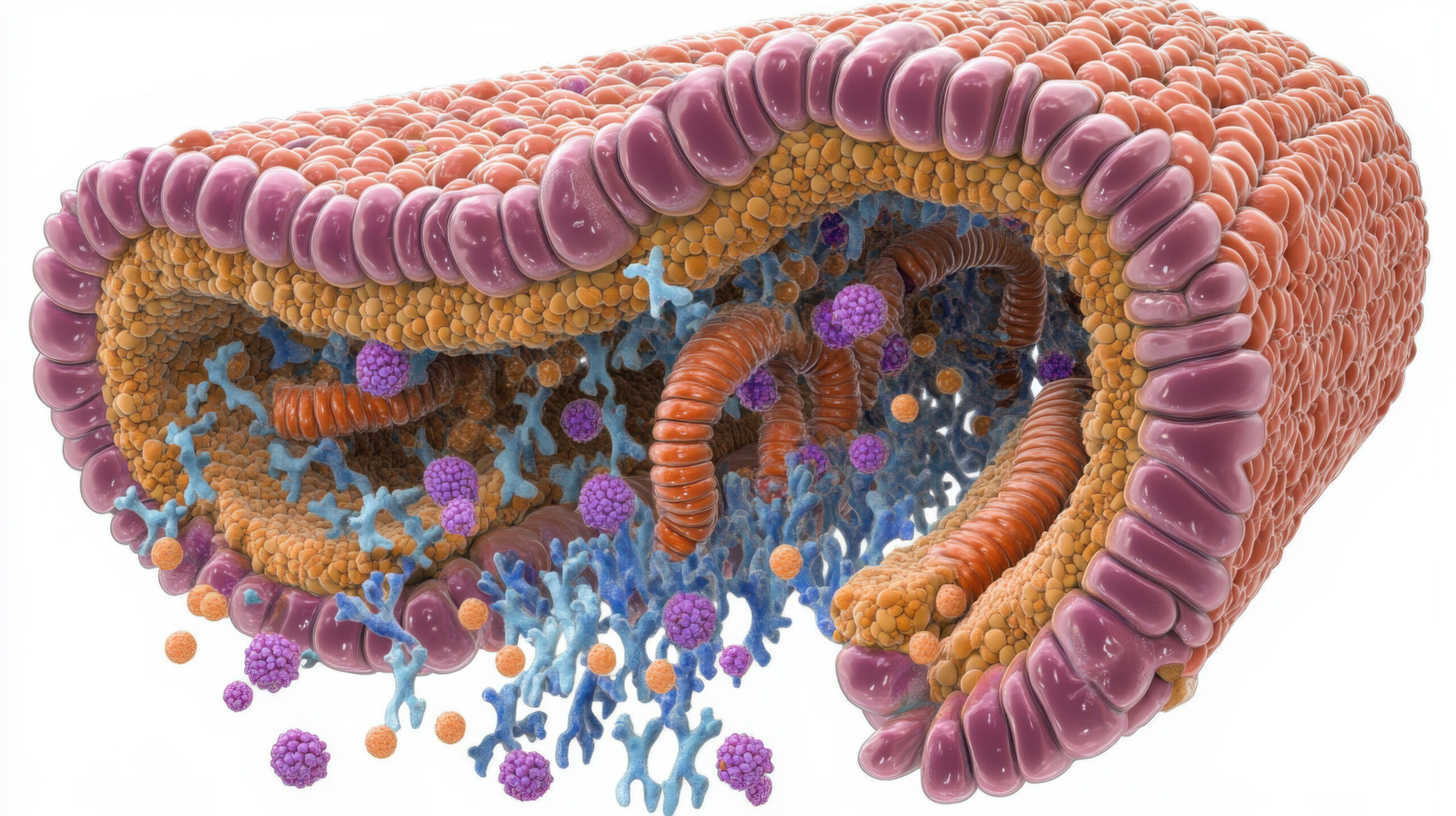
Peptides for Mitochondrial Resilience Under Stress
How Research Peptides Help Cells Withstand Heat, Cold, Fasting, Sleep Loss & Overtraining
When most people talk about mitochondria, they talk about “energy.” But true mitochondrial performance isn’t just about how much ATP you can make when things are easy. It’s about how well your cells keep working when conditions are hard.
That deeper layer of protection is called mitochondrial resilience:
- Can your cells keep producing ATP when oxygen or nutrients are low?
- Can they buffer oxidative damage during intense training?
- Can they stay flexible during fasting or caloric restriction?
- Can they recover from cold or heat stress, or from sleep disruption?
Very few peptide companies talk about this, even though a handful of research peptides are being studied specifically for how they help mitochondria tolerate and adapt to stress.
Below are three of the best-known mitochondrial peptides in the research world: MOTS-C, SS-31, and Humanin.
1. MOTS-C — The Metabolic Stress Sensor Peptide
Scientific Role
MOTS-C is a mitochondria-derived peptide that activates AMPK, a master energy sensor in cells. In preclinical models, MOTS-C has been shown to support:
- Improved glucose utilization and insulin sensitivity
- Better metabolic flexibility under stress (exercise, fasting, caloric restriction)
- Support for endurance capacity and fatigue resistance
- Indirect regulation of oxidative stress through AMPK signaling pathways
By modulating AMPK and downstream metabolic pathways, MOTS-C helps mitochondria adapt when nutrient availability or energy demand shifts suddenly.
Why It Matters for Stress Resilience
Mitochondria rarely operate in “steady state” in real life. Training, dieting, shift work, and sleep loss all change how cells use fuel. MOTS-C has been studied for its ability to:
- Enhance ATP production efficiency when nutrients are limited
- Support metabolic responses during fasting or caloric restriction
- Help cells tolerate higher workloads without crashing
Layman Explanation
Think of MOTS-C as a smart coach for your mitochondria. When you’re under pressure (hard training, low calories, stress, or poor sleep), it helps your cells switch fuel sources more smoothly and keep making usable energy instead of stalling out.
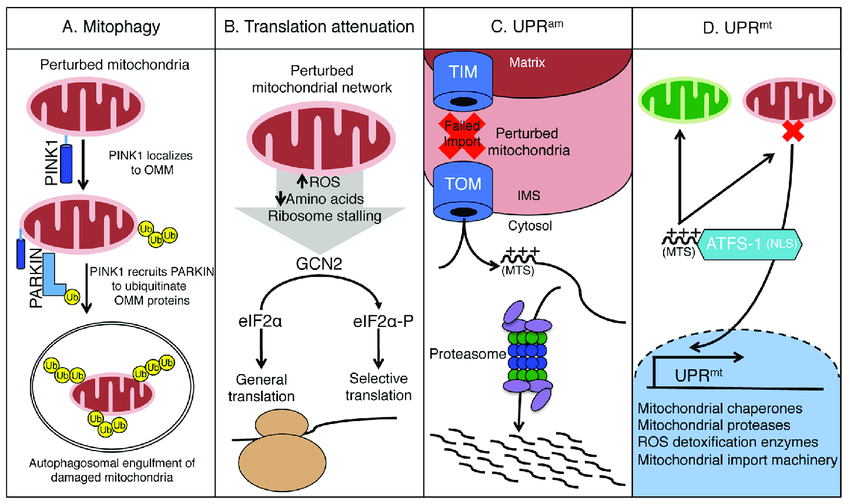
2. SS-31 (Elamipretide) — The Cardiolipin Stabilizer
Scientific Role
SS-31 is a small tetrapeptide designed to target the inner mitochondrial membrane. It binds to cardiolipin, a unique phospholipid that is essential for organizing and stabilizing the electron transport chain.
In research settings, SS-31 has been investigated for its ability to:
- Reduce mitochondrial reactive oxygen species (ROS) leakage
- Stabilize electron transport and membrane potential
- Protect mitochondria from swelling and structural damage
- Support cardiac and skeletal muscle mitochondrial function under stress
Why It Matters for Stress Resilience
Many forms of physiological stress — high-intensity training, heat exposure, cold shock, ischemia, and toxin exposure — converge on the mitochondria. When cardiolipin is damaged, the entire mitochondrial network becomes less efficient and more fragile.
By binding cardiolipin, SS-31 acts as a structural and functional “shield,” helping maintain:
- Efficient electron transport under high workload
- Lower oxidative damage to mitochondrial membranes
- Better recovery of mitochondrial function after stress events
Layman Explanation
SS-31 is like protective armor for your mitochondria. During hard training, extreme temperatures, or other environmental stressors, it helps keep the inner structure of the “power plants” intact so they can keep working instead of breaking down.
3. Humanin — The Survival Signal Peptide
Scientific Role
Humanin is another mitochondria-derived peptide that has been studied for its cytoprotective, “pro-survival” signaling effects. It interacts with multiple pathways, including:
- STAT3 and related intracellular signaling cascades
- IGFBP-3 and insulin-like growth factor pathways
- Pro-apoptotic proteins such as Bax
In preclinical research, Humanin has shown the ability to reduce mitochondrial-triggered apoptosis (programmed cell death) and protect cells in models of metabolic, oxidative, and neurodegenerative stress.
Why It Matters for Stress Resilience
Under severe stress, cells sometimes initiate “self-destruct” programs. While this is useful in some contexts, excessive or premature cell death can damage tissues and accelerate aging processes. Humanin has been studied for its potential to:
- Help cells survive during periods of intense metabolic or oxidative stress
- Support mitochondrial integrity as organisms age
- Modulate inflammatory and immune responses to stress
- Provide neuroprotective effects in certain experimental models
Layman Explanation
Humanin works like an emergency survival signal. When conditions get rough — lack of energy, oxidative stress, sleep disruption, or other strains — Humanin can tell cells “don’t self-destruct yet,” giving them a chance to stabilize and repair instead of simply shutting down.
Why Mitochondrial Resilience Is the Real “Energy Hack”
Most peptide content online stops at “more energy” or “better metabolism.” But high performance and healthy aging depend on more than just high output. They depend on how well your mitochondria:
- Keep producing ATP when conditions are less than ideal
- Handle oxidative stress during intense training or illness
- Stay flexible during fasting, dieting, or carb cycling
- Recover from circadian disruptions and sleep loss
- Protect themselves from structural and membrane damage over time
Peptides such as MOTS-C, SS-31, and Humanin represent a new research frontier focused not just on boosting energy, but on hardening the mitochondria against stress.
While these compounds are for research use only and are not approved to diagnose, treat, cure, or prevent any disease, the underlying science offers a powerful glimpse into where mitochondrial and longevity research is headed next.
Positioning the Research: A New Angle Few Talk About
Very few peptide shops discuss mitochondrial stress tolerance directly. Focusing on this angle allows you to educate researchers about:
- The role of mitochondrial peptides in metabolic flexibility and stress adaptation
- How cardiolipin stability, AMPK activation, and cytoprotective signaling fit together
- Why resilience under heat, cold, fasting, sleep deprivation, and overtraining may matter more than “boosting energy” alone
For serious researchers, athletes, and longevity enthusiasts, the question isn’t just “how do I get more energy?” but:
How do I make my mitochondria harder to break when life is stressful?
Mitochondrial peptides like MOTS-C, SS-31, and Humanin sit right at the center of that conversation.

For laboratory research use only. Not for human use, diagnostic use, or therapeutic applications.
MOTS-c 40mg
MOTS-c (Mitochondrial Open Reading Frame of the 12S rRNA-c) is a 16–amino-acid peptide encoded within the mitochondrial 12S rRNA gene region. It belongs to the family of mitochondrial-derived peptides (MDPs) that function as retrograde signals, coordinating communication between mitochondria and the nucleus to influence metabolic and stress-response pathways. Under metabolic stress—such as glucose restriction or elevated oxidative load—MOTS-c has been observed to translocate to the nucleus, where it can modulate gene expression and support adaptive metabolic regulation.
In Stock

SS-31 40mg
In Stock
Humanin 10mg
Humanin is a small 24–amino-acid peptide that comes from the mitochondria, the parts of the cell responsible for energy production. Researchers study Humanin because it appears to help protect cells during stress, support healthy energy balance, and promote normal metabolic function.
Early studies suggest Humanin may help shield cells from oxidative damage, support healthier mitochondrial activity, and influence pathways related to aging, energy use, and cell survival. It has also been explored for potential roles in brain health, insulin sensitivity, and general cellular resilience.
Humanin is part of a group of naturally produced “mitochondrial peptides” that may act as internal signals, helping the body respond to stress and maintain normal cellular function under challenging conditions.
Out of stock