

Peptides & Blood–Brain Barrier Integrity: The Underexplored Frontier
Why BBB stability may be one of the most important — and least discussed — targets in peptide research
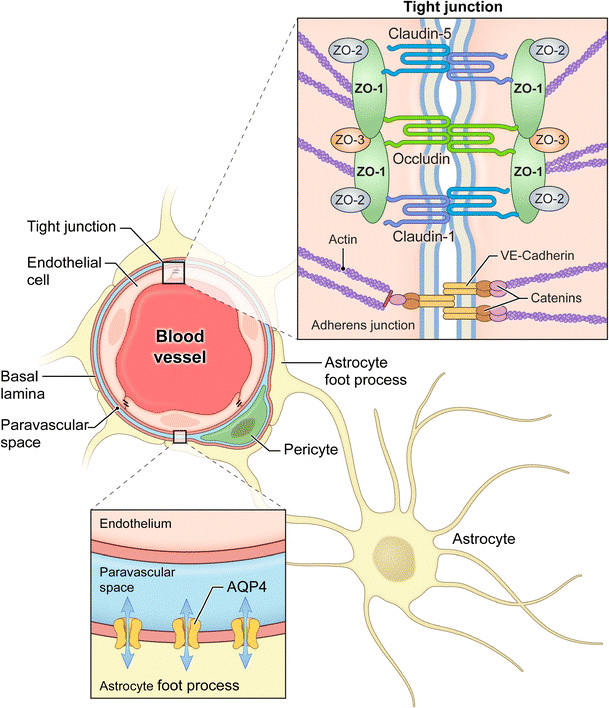
The blood–brain barrier (BBB) is one of the most critical — and misunderstood — interfaces in human biology. Far from being a static wall, modern research shows the BBB is a dynamic, living system that constantly remodels in response to stress, inflammation, aging, and metabolic load.
Yet despite its importance in cognition, neuroprotection, and long-term neurological resilience, BBB integrity remains largely absent from mainstream peptide discussions.
This article explores a developing research frontier: how certain peptides may influence the structural and signaling components of BBB integrity — not as treatments, but as mechanistic tools for understanding endothelial health, cytoskeletal stability, and vascular–neural communication.
The Blood–Brain Barrier Is Not Just a Barrier
It’s a responsive, stress-sensitive interface
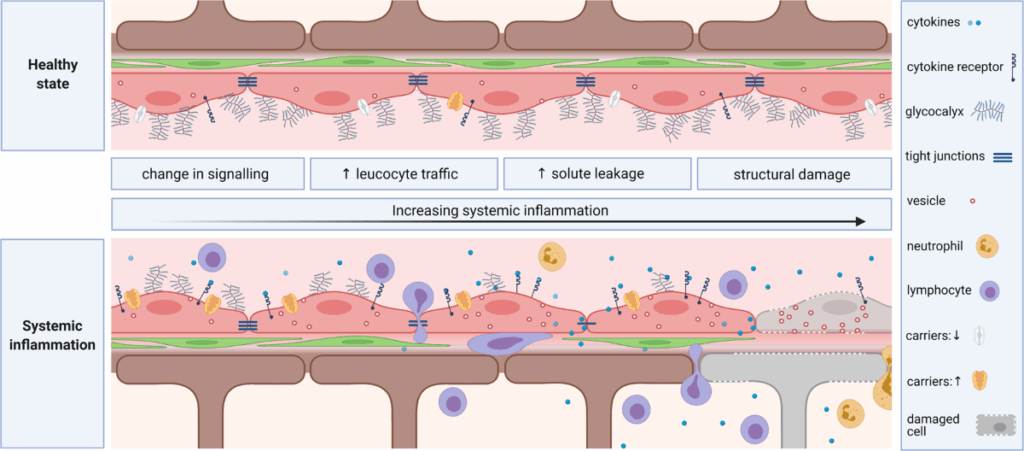
Rethinking the BBB: A Living Interface
The BBB is formed by a tightly regulated network known as the neurovascular unit, composed of:
- Endothelial cells with tight junction proteins (claudin-5, occludin, ZO-1)
- Pericytes that regulate capillary tone and vessel stability
- Astrocytic end-feet that signal metabolic and inflammatory status
- Basement membrane scaffolding that maintains structural cohesion
Emerging research shows BBB permeability can shift rapidly in response to:
- Systemic inflammation
- Oxidative stress
- Sleep deprivation
- Aging-related endothelial decline
- Metabolic dysregulation
This reframes BBB integrity as a maintenance problem — not merely a disease state.
Why BBB Integrity Matters More Than Most People Realize
Subclinical BBB Disruption: The Silent Variable
In research literature, even mild BBB permeability changes are associated with:
- Increased neuroinflammatory signaling
- Altered neurotransmitter balance
- Greater susceptibility to oxidative damage
- Impaired clearance of metabolic byproducts
Importantly, these changes often occur long before overt neurological symptoms appear.
This has led some researchers to describe BBB degradation as a “silent amplifier” — not the primary cause of dysfunction, but a force multiplier for stress, aging, and neurodegeneration.
Why Peptides Are Uniquely Positioned for BBB Research
Unlike small-molecule drugs, peptides often interact with:
- Cytoskeletal dynamics
- Cell–cell junction signaling
- Endothelial repair pathways
- Mitochondrial and redox balance
This makes them valuable tools for exploring how BBB integrity is established, maintained, and disrupted — particularly under stress conditions.
TB-500 & Actin Dynamics
Cytoskeletal stability as a BBB variable
TB-500 (Thymosin Beta-4 fragment)
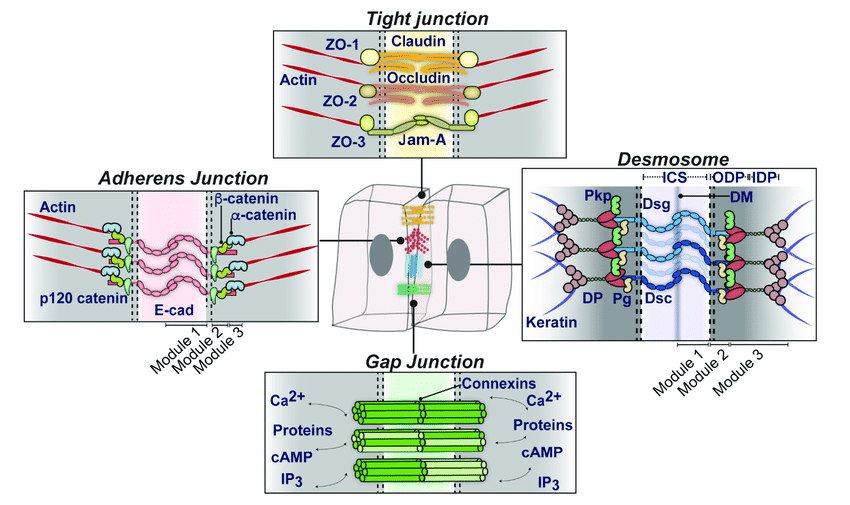
TB-500 is widely studied for its role in actin sequestration and cytoskeletal remodeling. In endothelial research models, actin dynamics are a core determinant of:
- Tight junction stability
- Cell shape and barrier tension
- Response to inflammatory signaling
Preclinical literature suggests that modulation of actin polymerization can influence endothelial permeability — a foundational component of BBB integrity.
From a research perspective, TB-500 represents a compelling tool for studying how cytoskeletal regulation affects barrier cohesion under stress.
Epithalon & Endothelial Longevity
Telomere stability meets vascular aging
Epithalon (Epitalon)
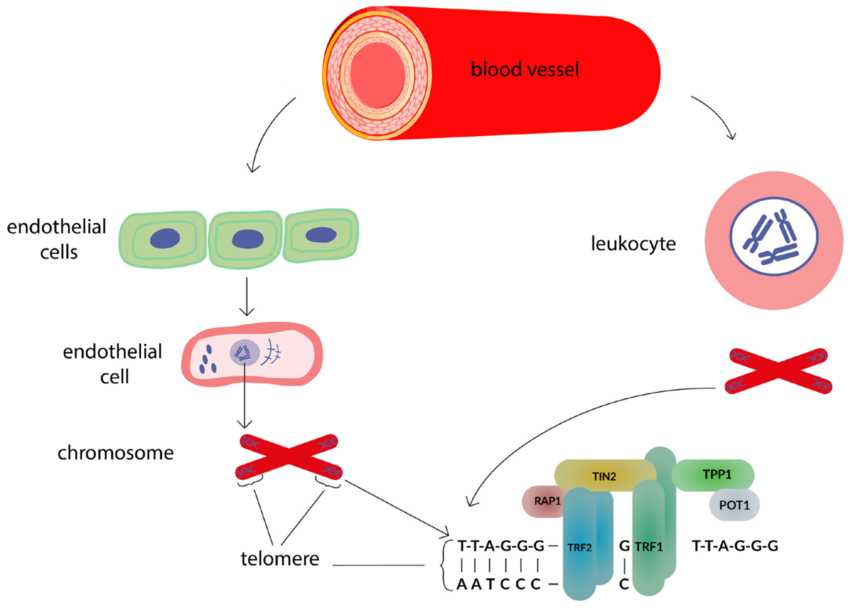
Epithalon is primarily discussed in the context of telomere biology, but emerging research points to an underappreciated connection:
Endothelial cells are highly sensitive to telomere attrition.
Telomere shortening in vascular endothelium has been associated with:
- Reduced nitric oxide signaling
- Increased inflammatory gene expression
- Compromised barrier regulation
From a theoretical standpoint, Epithalon’s interaction with telomerase pathways positions it as a candidate for studying vascular longevity and BBB maintenance, rather than direct neurological outcomes.
BPC-157 & Angiogenic Signaling
Microvascular repair as a BBB foundation
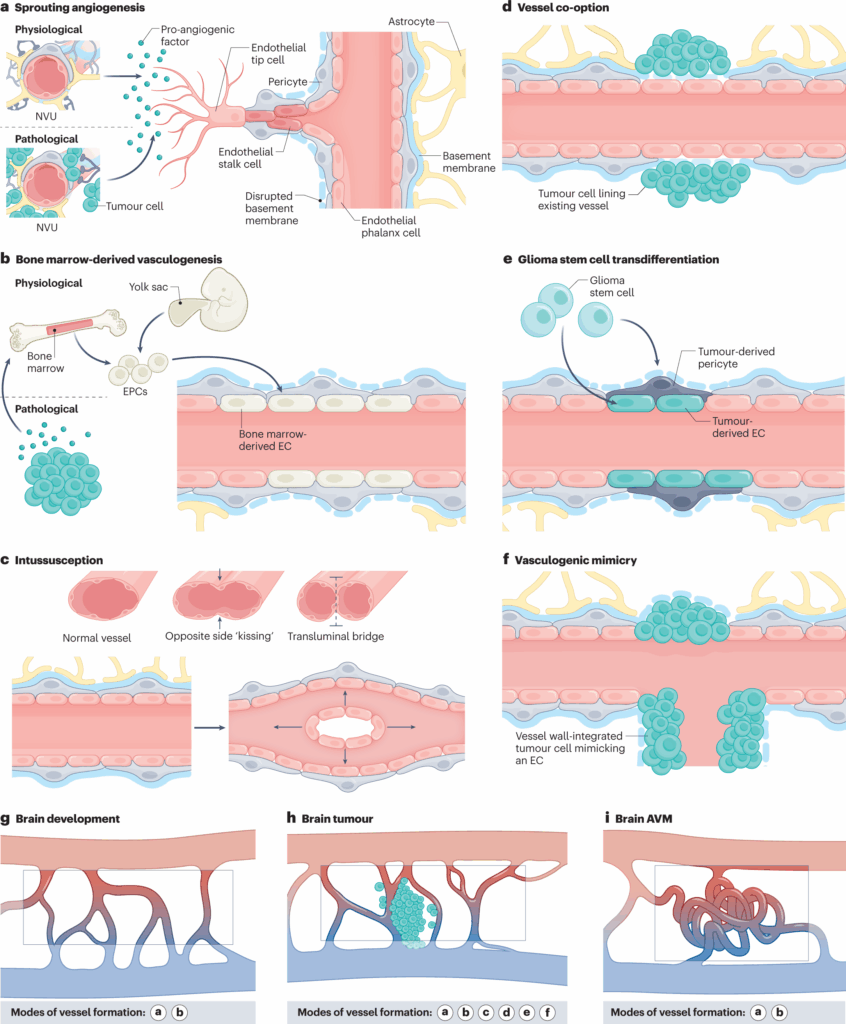
BPC-157 (Preclinical Angiogenesis Data)
BPC-157 has been extensively examined in preclinical models for its involvement in:
- Angiogenic signaling pathways
- Endothelial cell migration
- Vascular injury response
Because the BBB relies on an intact, well-organized capillary network, angiogenic stability is a prerequisite for barrier integrity.
Research interest has therefore shifted toward understanding how peptides like BPC-157 may influence microvascular architecture — a foundational layer of BBB structure.
A New Framework: BBB Integrity as a Maintenance System
The BBB Maintenance Model
Rather than asking whether peptides “cross” the BBB, a more interesting research question emerges:
How do peptides influence the cells that maintain the BBB itself?
This reframes peptide research around:
- Endothelial resilience
- Cytoskeletal tension control
- Vascular aging and repair
- Stress-adaptive barrier regulation
It’s a frontier that blends vascular biology, neuroscience, and peptide signaling — and it remains largely unexplored in commercial peptide discourse.
Why This Matters for the Future of Peptide Research
Authority Comes From Asking Better Questions
Most peptide conversations focus on outcomes. Very few focus on interfaces.
The blood–brain barrier is one of the most important interfaces in human biology — and peptides may be among the most precise tools we have for studying how it adapts, degrades, and repairs over time.
This is not about claims. It’s about curiosity.
And in science, curiosity always precedes breakthroughs.
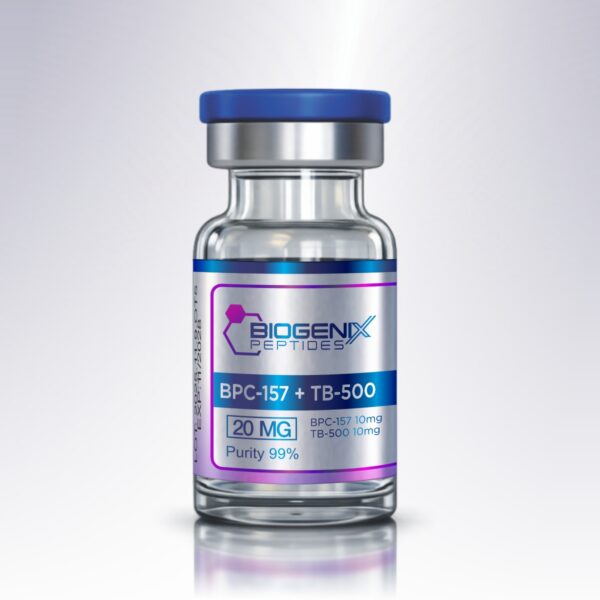
BPC-157 + TB-500 20mg Blend
BPC-157 (Body Protection Compound-157) and TB-500 (synthetic thymosin beta-4) are two peptides commonly studied in experimental models for their roles in tissue repair and regeneration. While both compounds have distinct origins—BPC-157 as a pentadecapeptide derived from a gastric protein fragment, and TB-500 as a synthetic analogue of thymosin beta-4—they share overlapping potential in promoting wound healing, angiogenesis, and anti-inflammatory activity.Individually, BPC-157 has been explored for its influence on joint, tendon, muscle, and nerve repair, while TB-500 research has emphasized effects on cellular migration, tissue remodeling, neurological recovery, and cardiovascular resilience. When studied together as a blend, it is theorized that their complementary mechanisms may enhance healing processes beyond what either peptide demonstrates alone.
In Stock