NNMT Inhibition & Metabolic Efficiency
Research Disclaimer: This article is provided for educational and informational purposes only. It discusses biochemical mechanisms and theoretical/preclinical research concepts related to metabolic signaling. It does not constitute medical advice. All compounds referenced are intended strictly for laboratory, analytical, and research use only and are not for human or animal consumption.
Reducing Cellular Friction in Energy Metabolism
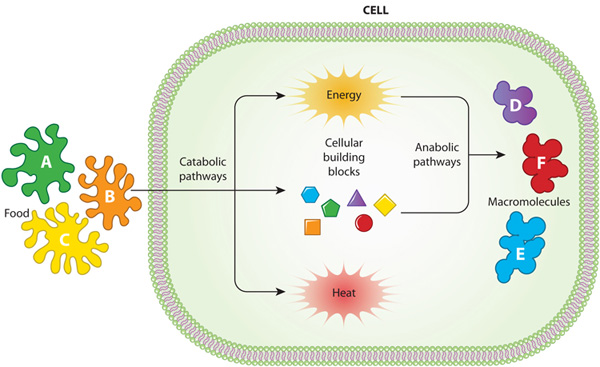
“Metabolism” is often reduced to calories in versus calories out. But modern metabolic science increasingly emphasizes cellular efficiency—how cells allocate, conserve, and dissipate energy—because two systems with similar energy balance can still diverge in metabolic outcomes.
One intracellular enzyme repeatedly discussed in this context is nicotinamide N-methyltransferase (NNMT). Rather than acting like a classic hormone signal, NNMT operates inside the cell, linking nicotinamide handling to methyl donor balance and (indirectly) pathways that influence redox biology and metabolic flexibility.1–4
What Is NNMT?
NNMT is a cytosolic methyltransferase that catalyzes the N-methylation of nicotinamide (NAM) to form 1-methylnicotinamide (MNA/MNAM), using S-adenosylmethionine (SAM) as the methyl donor.4–6 This places NNMT at an interesting intersection of:
- NAD+ salvage biology (because NAM is a key precursor in salvage pathways)
- Methylation economy (because SAM is a finite methyl donor pool supporting many cellular reactions)
NNMT as a Metabolic “Methyl Sink”
Because NNMT consumes SAM during NAM methylation, high NNMT activity has been described in the literature as contributing to a metabolic methylation sink—a state where methyl donor availability is diverted toward NNMT flux, potentially influencing broader methylation potential and downstream gene-regulatory effects.3,5–7
In research discussions, this matters because methylation balance influences:
- Epigenetic regulation (e.g., histone/DNA methylation context)
- Lipid and phospholipid metabolism
- Adaptive metabolic gene programs during overnutrition and stress
NNMT and NAD+ Recycling Efficiency
Nicotinamide is a central substrate for NAD+ salvage. When NAM is diverted toward methylation (MNAM formation), it may alter the effective availability of NAM for salvage in some contexts. Several preclinical lines of evidence connect NNMT expression/activity with NAD+-related signaling and metabolic phenotypes, though the specifics can be tissue- and context-dependent.1,3,5
Because NAD+ is embedded in redox reactions and mitochondrial energy metabolism, even modest shifts in NAD+ handling can matter for long-term cellular energy behavior (distinct from “stimulant-like” effects).1,3
NNMT in Adipose Tissue and Metabolic Phenotypes
NNMT has been studied in adipose biology, including associations with obesity/insulin resistance phenotypes in both animal models and human observational work.1,2 For example:
- In a frequently cited mouse study, NNMT knockdown in white adipose tissue and liver was reported to protect against diet-induced obesity, with mechanistic work implicating changes in energy expenditure and related metabolic pathways.1
- In humans, white adipose NNMT expression and circulating MNAM have been examined in relation to insulin resistance and type 2 diabetes in observational research.2
Importantly, “NNMT modulation” in research is not synonymous with appetite pathways or acute thermogenic stimulation. It’s often framed as influencing the baseline efficiency of metabolic processing—i.e., reducing “cellular friction” rather than forcing immediate output.
What “NNMT Inhibition” Means (Research Frame)
Within preclinical and mechanistic literature, NNMT inhibition is typically explored as a tool to evaluate whether reducing NNMT activity can:
- Shift methyl donor balance (SAM/SAH-related dynamics)
- Alter NAM partitioning and NAD+-adjacent signaling
- Change adipocyte and hepatic metabolic programs over time
Multiple small-molecule NNMT inhibitors have been described in the literature (including cell-active inhibitors used in experimental models).8–10 These studies are primarily valuable for mechanistic mapping: they help researchers test causality between NNMT activity and downstream metabolic effects under controlled conditions.
NNMT vs. AMPK vs. “Systemic” Metabolic Signaling
NNMT is best understood as a cell-intrinsic regulator, whereas many popular metabolic frameworks emphasize systemic or receptor-level signaling (e.g., endocrine and neuroendocrine pathways). In a simplified model:
- Systemic signals coordinate organism-level energy decisions (intake, partitioning, storage cues)
- AMPK and mitochondrial programs respond to cellular energy stress and substrate availability
- NNMT may shape the metabolic environment these systems operate within by influencing methylation economy and NAM handling
This is one reason NNMT is often discussed as complementary to broader metabolic research themes rather than redundant with them.3,4,9
Key Takeaways
- NNMT methylates nicotinamide using SAM, linking NAM metabolism to methyl donor balance.4–6
- High NNMT activity has been described as contributing to a “methyl sink,” with potential downstream effects on gene regulation and metabolic programming.3,5–7
- Preclinical work supports NNMT as a lever in metabolic phenotypes (e.g., adipose/liver knockdown models), and human studies have examined NNMT/MNAM in insulin resistance contexts.1,2
- NNMT inhibition research is generally framed around efficiency and long-horizon metabolic adaptation, not short-term stimulation.
Peer Reviewed References
- Kraus D, Yang Q, Kong D, Banks AS, Zhang L, Rodgers JT, et al. Nicotinamide N-methyltransferase knockdown protects against diet-induced obesity. Nat Med. 2014;20(9):1128-1135. PMC Full Text | PubMed
- Kannt A, Pfenninger A, Teichert L, Tönjes A, Dietrich A, Schön MR, et al. Association of nicotinamide-N-methyltransferase mRNA expression in human adipose tissue and plasma 1-methylnicotinamide with insulin resistance. Diabetologia. 2015. PMC Full Text
- Roberti A, Fernández AF, Fraga MF. At the crossroads between cellular metabolism and epigenetic regulation: the emerging role of NNMT. Trends Endocrinol Metab. 2021. Publisher Page
- Parsons RB, Smith ML, Williams AC, Waring RH, Ramsden DB. Nicotinamide N-Methyltransferase: An Emerging Therapeutic Target. Biomolecules. 2021;11(10):1418. Full Text
- Hong S, Moreno-Navarrete JM, Wei X, Kikuchi R, Harper ME, et al. Nicotinamide N-Methyltransferase Interacts with Enzymes of the Methionine Cycle and Regulates Methyl Donor Metabolism. J Biol Chem. 2018. PubMed
- Gao Y, Martin NI. NNMT: Emerging Therapeutic Target. Trends Pharmacol Sci. 2021. Publisher Page
- Wang W, Li J, et al. Complex roles of nicotinamide N-methyltransferase in cancer progression. Cell Death Dis. 2022. Publisher Page
- Neelakantan H, Vance V, Wetzel MD, Wang HL, McHardy SF, Finnerty CC, et al. Selective and membrane-permeable small molecule inhibitors of nicotinamide N-methyltransferase (NNMT) and their preclinical evaluation. Biochem Pharmacol. 2017. PMC Full Text
- Kannt A, et al. A small molecule inhibitor of Nicotinamide N-methyltransferase (NNMT) for the treatment of metabolic disorders. Sci Rep. 2018. Publisher Page
- Sun WD, et al. Nicotinamide N-methyltransferase (NNMT): biology and therapeutic potential (review). PubMed Central. 2024. PMC Full Text