GHK-Cu for Systemic Acne: What the Research Really Suggests About Healing From Within
GHK-Cu for Systemic Acne: What the Research Really Suggests About Healing From Within
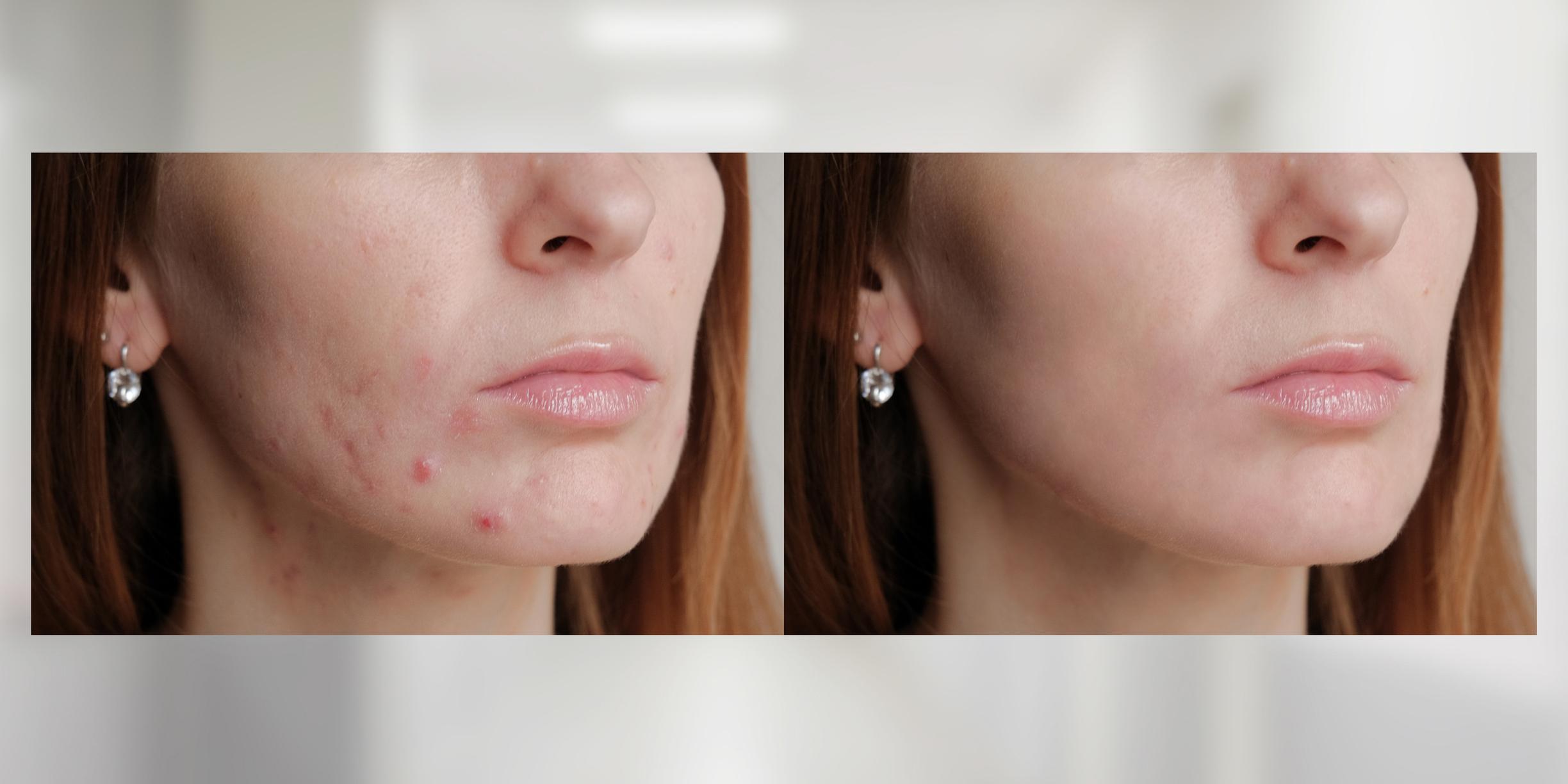
Acne is often treated as a surface-level issue — clogged pores, excess oil, and bacteria. But many stubborn forms of acne are more complex than that. In a growing number of research discussions, acne is being viewed as a broader biological issue involving inflammation, oxidative stress, tissue damage, and dysregulated skin repair. That is part of what makes GHK-Cu, also known as copper tripeptide-1, such an interesting compound in regenerative research.
Instead of simply targeting visible blemishes after they appear, GHK-Cu is being studied for the way it may influence the environment that allows acne to persist in the first place. In other words, the interest is not just in what happens on the surface of the skin, but in the internal repair and signaling systems that help determine whether inflammation resolves cleanly or turns into long-lasting breakouts, irritation, and scarring.
Disclaimer:
The content published under this author’s byline is provided for informational and educational purposes only and reflects theoretical research discussions related to peptides, biochemistry, and related scientific topics.
Any credentials or academic titles referenced are academic in nature only and do not imply medical licensure, clinical authority, or the practice of medicine.
This content does not constitute medical advice, diagnosis, or treatment, and should not be interpreted as such. The author is not providing clinical guidance and is not acting as a healthcare provider.
All products discussed by BioGenix Peptides LLC are intended strictly for research, laboratory, and analytical use only and are not for human or animal consumption.
BioGenix Peptides LLC makes no claims regarding the safety, efficacy, or approved use of any compounds discussed.
What Is GHK-Cu?
GHK-Cu is a naturally occurring peptide complex made from three amino acids — glycine, histidine, and lysine — bound to copper. It was first identified in human plasma and has since been studied for its potential role in tissue remodeling, wound healing, collagen support, and inflammation control. Researchers have also noted that natural levels of this peptide appear to decline with age, which has helped drive interest in its role in regenerative biology and skin health research.
What makes GHK-Cu especially compelling is that it appears to be involved in signaling pathways tied to repair rather than simple suppression. That distinction matters. Many conventional acne-focused strategies are designed to reduce visible symptoms quickly, but GHK-Cu has attracted attention because it may help support a more balanced and resilient healing response.
Why Systemic Acne Requires a Bigger View
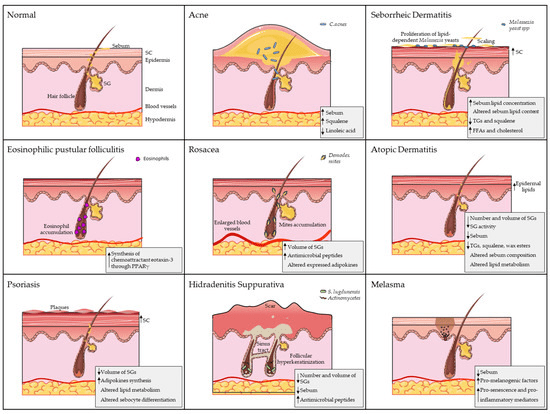
Acne is easy to think of as a pore problem, but recurring or widespread acne often reflects something deeper. In many cases, the skin is responding to a broader mix of inflammatory signals, excess oxidative stress, impaired recovery, and disrupted communication between immune cells, sebaceous activity, and tissue repair mechanisms. This is why two people can have similar-looking acne on the surface while having very different biological drivers underneath.
When inflammation is persistent, the skin may remain in a constant state of irritation. When healing is slow, lesions stay active longer and become more likely to leave marks behind. When oxidative stress is high, tissue damage can build faster than the body repairs it. All of these factors can combine to create the kind of acne that feels less like an isolated cosmetic issue and more like an ongoing inflammatory loop.
Where GHK-Cu Fits Into the Research
GHK-Cu is not typically discussed in research as a simple “spot-fix” compound. Instead, interest centers on its ability to influence several upstream processes that matter in acne-prone skin. These include inflammatory signaling, tissue recovery, collagen remodeling, antioxidant defense, and barrier support. That broader profile is exactly why it continues to come up in regenerative skin discussions.
1. Inflammation Modulation
One of the biggest reasons GHK-Cu is relevant to acne research is its relationship to inflammation. Persistent acne lesions are not just clogged pores — they are inflamed tissue sites. Research around GHK-Cu has suggested that it may help regulate inflammatory signaling in a way that encourages a calmer repair environment. Rather than simply shutting everything down, the peptide appears to be connected to a more balanced immune response.
In practical terms, that matters because skin that overreacts tends to stay red, swollen, irritated, and slow to recover. If inflammatory signaling is one of the forces keeping acne active, then a compound that helps normalize that signaling becomes highly relevant. This is one reason GHK-Cu is so often discussed as a “healing environment” peptide rather than a symptom-management compound.
2. Tissue Repair and Lesion Recovery
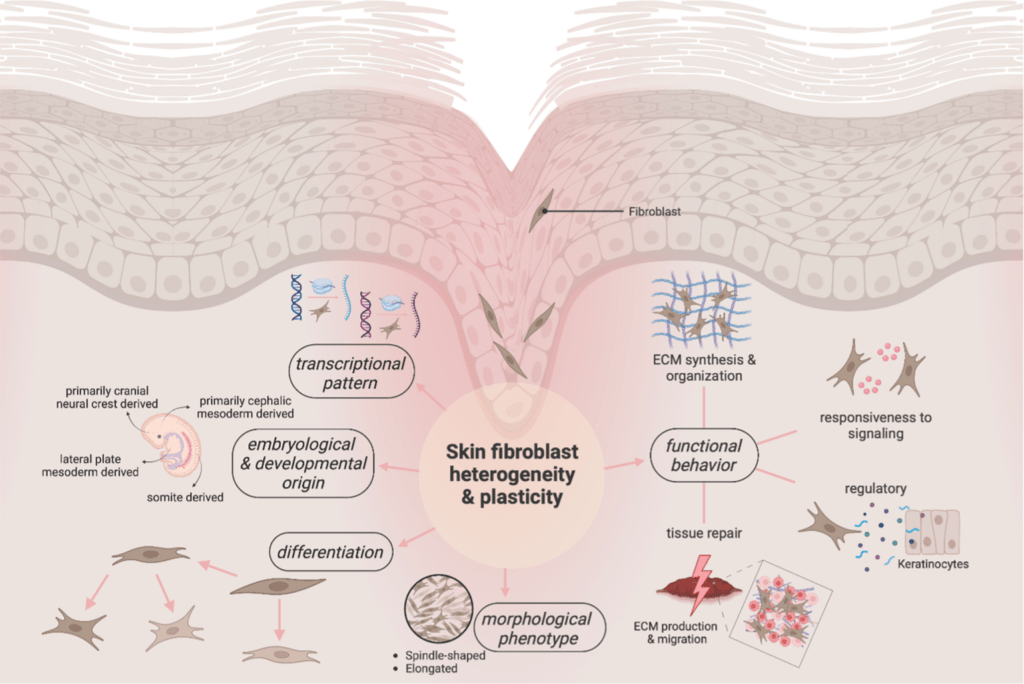
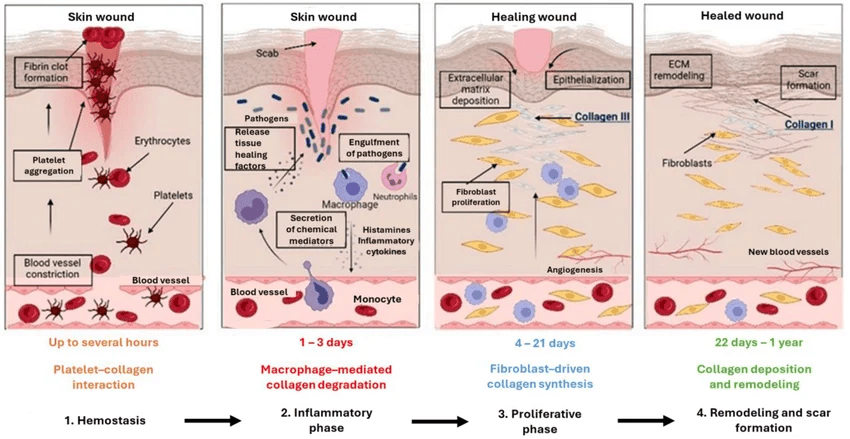
Another major point of interest is GHK-Cu’s role in tissue repair. Acne lesions are a form of ongoing skin injury. Even after the initial breakout calms down, the skin still has to repair itself. If that process is sluggish or incomplete, the result can be lingering inflammation, uneven texture, post-breakout discoloration, or visible scarring.
GHK-Cu has been studied for its ability to support fibroblast activity and promote healthier collagen-related repair processes. That does not mean it simply piles collagen into the skin. Rather, it suggests a more orderly rebuilding process, where damaged tissue may be better able to recover with improved structure and resilience. In the context of acne, that makes GHK-Cu relevant not only during active breakouts but also during the recovery phase that follows them.
3. Scar and Texture Remodeling
One of the most frustrating parts of acne is that even after inflammation settles, the skin often does not fully bounce back. Texture changes, shallow indentations, and uneven tone can linger far longer than the original breakout. GHK-Cu has been widely discussed in research for its role in remodeling damaged tissue and supporting a more regenerative pattern of repair, which is one reason it remains so relevant in dermatologic and cosmetic science conversations.
This is particularly important because acne-prone skin often needs more than a reduction in inflammation. It needs help restoring healthy structure. If the skin is repeatedly injured and only partially repaired, damage accumulates. Research interest in GHK-Cu reflects the idea that improving the quality of recovery may matter just as much as calming the original breakout.
4. Oxidative Stress Support
Oxidative stress is another major part of the acne conversation that is often overlooked. In simple terms, oxidative stress refers to the buildup of unstable molecules that can damage cells and intensify inflammation. Acne-prone tissue often shows signs of this kind of stress, especially when inflammation becomes chronic.
GHK-Cu has drawn attention for antioxidant-related activity and for its apparent ability to support a healthier cellular environment. When oxidative damage is reduced, tissue may be better able to heal instead of remaining trapped in a cycle of irritation and breakdown. For systemic acne research, this is significant because it shifts the conversation away from “What do we dry out?” and toward “What do we stabilize?”
5. Barrier and Skin Environment Support
Acne does not happen in isolation. It develops within a skin environment that can be either resilient or dysfunctional. A damaged barrier, poor repair quality, and ongoing inflammation can all make the skin more reactive and less able to regulate itself well. GHK-Cu is of interest here because it may help improve the quality of the local environment rather than focusing on a single acne pathway alone.
That does not mean it functions like a traditional antibacterial or harsh exfoliating approach. Instead, its value in research appears to lie in supporting healthier skin behavior overall. A stronger, calmer, better-repaired barrier may be less likely to spiral into the same inflammatory cycle again and again.
In Simple Terms
Most acne approaches are built around reacting to what is already visible. They try to dry it out, strip it away, or suppress it after the fact. GHK-Cu is interesting because the research conversation is different. It is less about forcing a surface-level change and more about helping the body create a healthier repair environment underneath.
Put simply, GHK-Cu is being studied for the possibility that it may help the skin calm down, heal better, and recover with less collateral damage. That is what makes it so compelling in the discussion around systemic acne. It is not just about fighting breakouts. It is about studying why the skin keeps struggling to resolve them well in the first place.
Why This Matters in the Bigger Peptide Conversation
GHK-Cu reflects a broader shift happening across peptide research. Instead of always looking for blunt downstream interventions, more attention is being given to upstream compounds that may help normalize signaling, support regeneration, and restore healthier function. In that framework, acne is not just a cosmetic nuisance. It becomes a visible example of what happens when inflammatory repair systems are not working as cleanly as they should.
That is why GHK-Cu keeps appearing in discussions that go far beyond vanity or topical aesthetics. It sits at the intersection of skin biology, regenerative science, tissue recovery, and cellular resilience. For research-minded readers, that makes it one of the more intriguing peptides in the entire skin-health category.
Final Thoughts
Systemic acne is rarely just a pore problem. It is often a repair problem, an inflammation problem, and an environment problem all at once. GHK-Cu stands out because it is being studied in a way that speaks to all three. Rather than focusing only on suppressing what is happening at the surface, it may help researchers better understand how to support a healthier internal terrain for skin recovery.
That is ultimately what makes GHK-Cu so compelling in this space. The interest is not in a quick cosmetic cover-up. The interest is in whether better signaling, better healing, and better tissue resilience may help change the conditions that allow acne to keep returning.
References
- Pickart L, Margolina A. Regenerative and protective actions of the GHK-Cu peptide in the light of the new gene data. Int J Mol Sci. 2018;19(7):1987.
- Pickart L. The human tri-peptide GHK and tissue remodeling. J Biomater Sci Polym Ed. 2008;19(8):969-88.
- Maquart FX, Bellon G, Chaqour B, et al. Stimulation of collagen synthesis in fibroblast cultures by the tripeptide-copper complex glycyl-L-histidyl-L-lysine-Cu2+. FEBS Lett. 1988;238(2):343-6.
- Borkow G, Gabbay J, Zatcoff RC. Could chronic wounds not heal due to too low local copper levels? Med Hypotheses. 2008;70(3):610-3.
- Borkow G. Using copper to improve the well-being of the skin. Curr Chem Biol. 2014;8(2):89-102.

Author Disclaimer:
The content published under this author’s byline is provided for informational and educational purposes only and reflects theoretical research discussions related to peptides, biochemistry, and related scientific topics.
Any credentials or academic titles referenced are academic in nature only and do not imply medical licensure, clinical authority, or the practice of medicine.
This content does not constitute medical advice, diagnosis, or treatment, and should not be interpreted as such. The author is not providing clinical guidance and is not acting as a healthcare provider.
All products discussed by BioGenix Peptides LLC are intended strictly for research, laboratory, and analytical use only and are not for human or animal consumption.
BioGenix Peptides LLC makes no claims regarding the safety, efficacy, or approved use of any compounds discussed.