
Cytoprotection & Cellular Aging: The Overlooked “Switches” in Peptide Research
Introduction
When most people think about peptides, they picture recovery, fat loss, performance, or cosmetic benefits. But a growing body of research is shifting attention toward something far more fundamental: how peptides may influence the way cells protect themselves… and how they age.
Two key biological “switches” sit at the center of this conversation:
- Cytoprotection
- Cellular Aging Pathways
These processes help determine how long a cell stays functional—and how well it can defend itself from stress.
Cytoprotection: Building a Better Defense System
Cells are constantly exposed to stress: oxidative stress, metabolic overload, inflammation, and environmental insults. Cytoprotection refers to a cell’s ability to withstand that stress without losing integrity.
Certain research peptides are being studied for their potential roles in:
- Reducing oxidative stress markers
- Maintaining mitochondrial stability
- Modulating inflammatory pathways
- Supporting protein-folding and heat-shock responses
- Protecting tissues during extreme metabolic strain
In healthy research models, stronger cytoprotection may be associated with:
- Less cellular damage
- More efficient repair mechanisms
- Better tolerance to environmental stress
Instead of trying to fix damage after the fact, the goal is to help prevent that damage from happening in the first place. This is the foundation of long-term cellular resilience in experimental systems.
Cellular Aging: What Happens When Repair Can’t Keep Up
Aging starts at the cellular level. When cells accumulate enough stress, they eventually reach senescence—a state where they stop functioning normally and may secrete inflammatory signals.
Researchers highlight several aging-related mechanisms influenced in experimental models:
Telomere & Genome Stability
Some peptides are being explored for their potential influence on pathways related to telomere maintenance or DNA-protection responses.
Mitochondrial Longevity
Energy systems tend to decline with age. Mitochondrial-support peptides are being investigated for their ability to help maintain metabolic efficiency under stress.
Senescence Modulation
A few experimental peptides interact with pathways involved in altering or reducing senescent-cell signaling, which may be relevant to tissue health in research settings.
Epigenetic Effects
Selective peptides show early evidence of changing gene-expression patterns related to stress resistance and lifespan in preclinical studies.
While none of this represents a “magic switch,” the direction of research is compelling: better cellular protection may contribute to slower functional decline at the cellular level.
Why These Two “Switches” Matter More Than People Realize
Performance, recovery, and cosmetic peptides tend to get the most attention, but they’re often just surface-level outcomes.
Cytoprotection and cellular aging pathways are part of the core machinery that may influence:
- How efficiently tissues handle stress
- How well cells repair after challenge
- How long cells stay functional
- How rapidly aging-related signals accumulate
This category of peptide research is where “healthy aging” becomes more than a buzzword. It shifts the focus toward cellular resilience and long-term function in controlled research environments instead of just short-term outcomes.
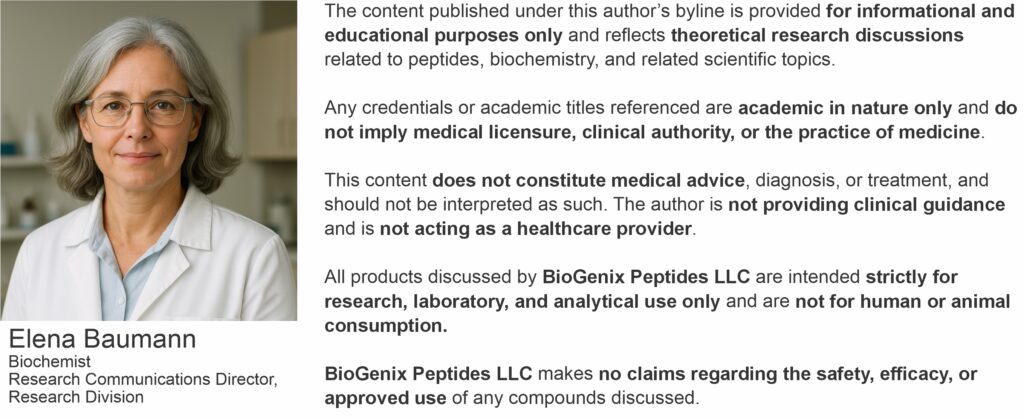
EPITHALON 50mg
Epithalon, also known as AEDG peptide, Epitalon, or Epithalone, is a synthetic tetrapeptide composed of alanine, glutamic acid, aspartic acid, and glycine. It is modeled after Epithalamin, a naturally occurring pineal gland extract that has been studied for its effects on melatonin production, antioxidant activity, and cellular longevity.Research on Epithalon has suggested potential roles in pineal gland regulation, telomerase activation, oxidative stress reduction, and preservation of retinal and immune system function. Because of its connection to melatonin synthesis and circadian rhythm regulation, Epithalon has been investigated as a candidate for anti-aging, sleep, and neuroprotective studies.
In Stock
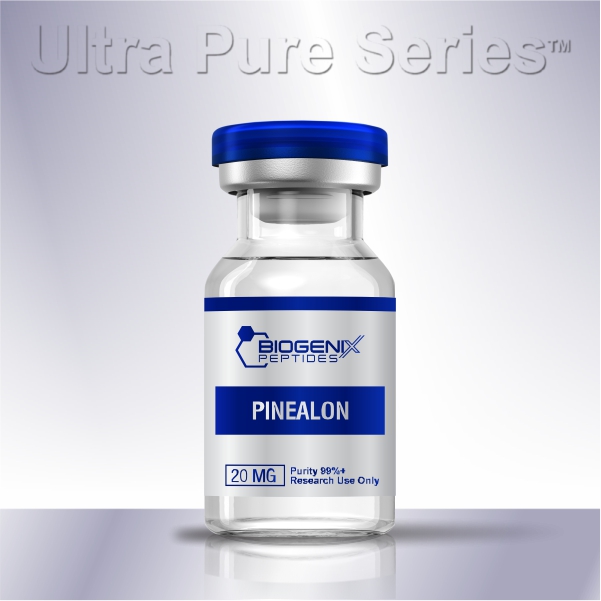
PINEALON 20mg
the brain’s ability to adapt during physical, emotional, or metabolic strain.Because it works at the cellular-regulation level, Pinealon is often explored in studies involving cognitive performance, stress resilience, and overall neural health, especially in age-related or high-demand conditions.
Out of stock
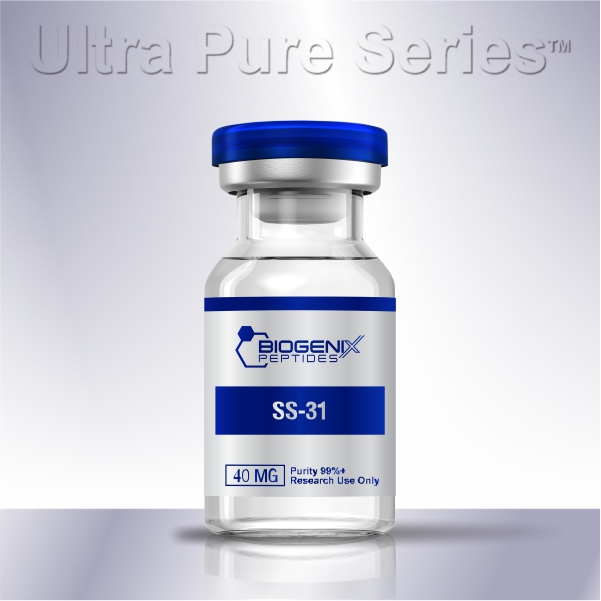
SS-31 40mg
“energy centers” of the cell. It binds to a mitochondrial lipid called cardiolipin, helping support healthier
energy production, reduce oxidative stress, and maintain mitochondrial stability, especially in high-demand or aging tissues.
Because SS-31 works inside the mitochondria rather than on surface receptors, it stands out from most traditional
peptides. Research has explored its potential in areas such as energy metabolism, cardiovascular function, neuroprotection,
and muscle performance, where mitochondrial health plays a key role.
In Stock