

Cortagen (Ala–Glu–Asp–Pro): The Neuroregulatory Tetrapeptide Studied for Brain Signaling, Resilience, and Gene-Expression Effects
Overview of Cortagen (AEDP)
Educational & Research-Only Notice: This content is provided for educational purposes only. Cortagen is discussed here in a scientific context. It is not intended for human or veterinary use, and nothing on this page is medical advice, diagnosis, or treatment guidance.
What Is Cortagen?
Cortagen is a synthetic tetrapeptide with the amino-acid sequence Ala–Glu–Asp–Pro, commonly abbreviated AEDP. It is studied as a short bioregulatory (tissue-related) peptide originally associated with peptide fractions derived from brain cortex preparations (often discussed in the context of “cortex-derived” peptide research). In the literature, Cortagen is most frequently examined in models related to neural signaling, stress/ischemia contexts, and gene-expression effects.1–4
In Simple Terms: Cortagen is a very small peptide “signal fragment” researchers study for how it may influence how cells behave—especially in nervous-system and stress-related research models.
Why Short “Regulatory” Peptides Are Scientifically Interesting
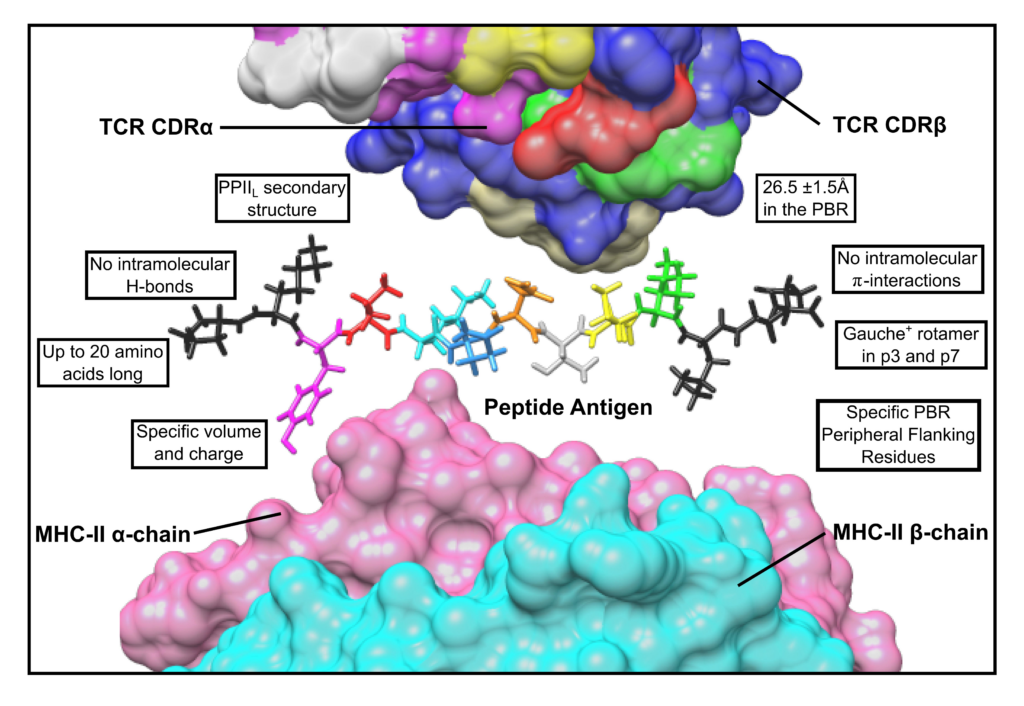
Many conventional neuroactive compounds work by directly pushing neurotransmitter systems (for example, increasing or blocking signaling at receptors). Short regulatory peptides are investigated from a different angle: rather than acting like a classic receptor “on/off switch,” they are often explored for systems-level modulation—including cellular stress responses and gene-expression patterns—especially under challenging conditions such as ischemia or injury models.1–3
In Simple Terms: Instead of “stimulating the brain,” this category of peptides is studied for how it might help cells keep their internal messaging and stability in better order—especially when stressed.
Core Mechanisms Under Investigation
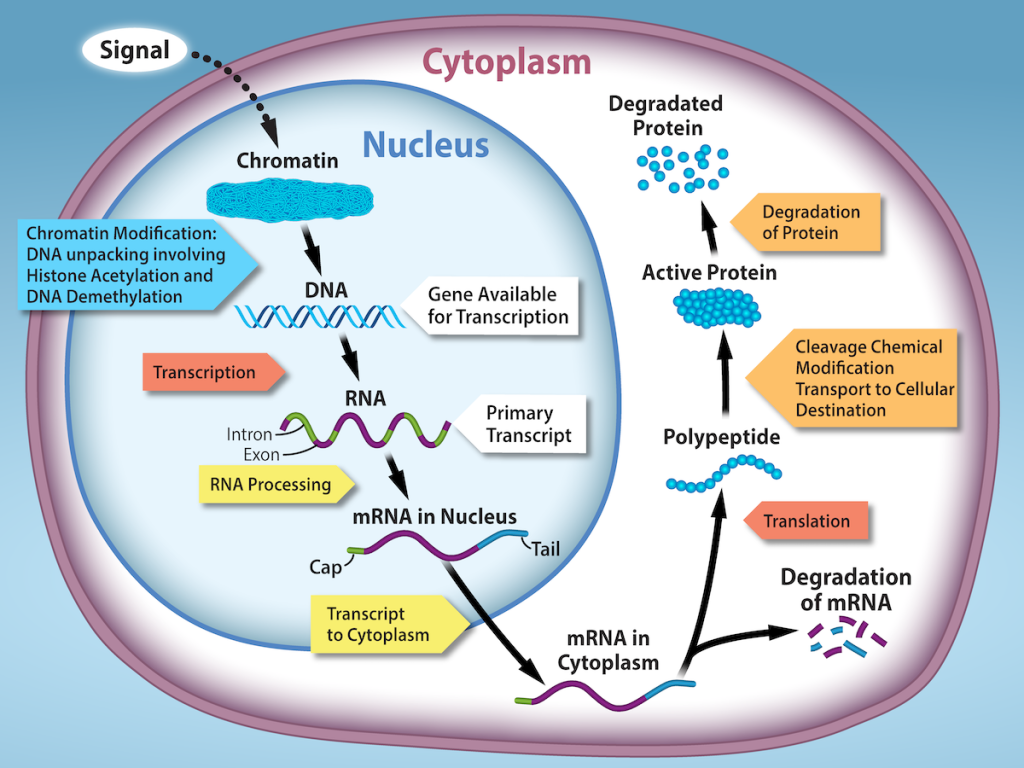
1) Gene-Expression (Transcriptome) Effects
One of the most-cited experimental directions for Cortagen is its evaluation in gene-expression profiling. In a microarray-based study, Cortagen (AEDP) was examined for its influence on gene-expression patterns in mouse heart tissue, highlighting how short peptides may modulate transcriptional programs in a measurable, systems-wide way.2 While this is not a “brain tissue” microarray, it is often referenced because it demonstrates a plausible regulatory footprint consistent with the broader bioregulator peptide framework.
In Simple Terms: Researchers have measured changes in which genes are “turned up or down” after exposure to Cortagen in lab models. That’s one reason it’s discussed as a regulatory peptide rather than a quick-acting stimulant.

2) Nerve Regeneration Models (Peripheral Nerve Injury)
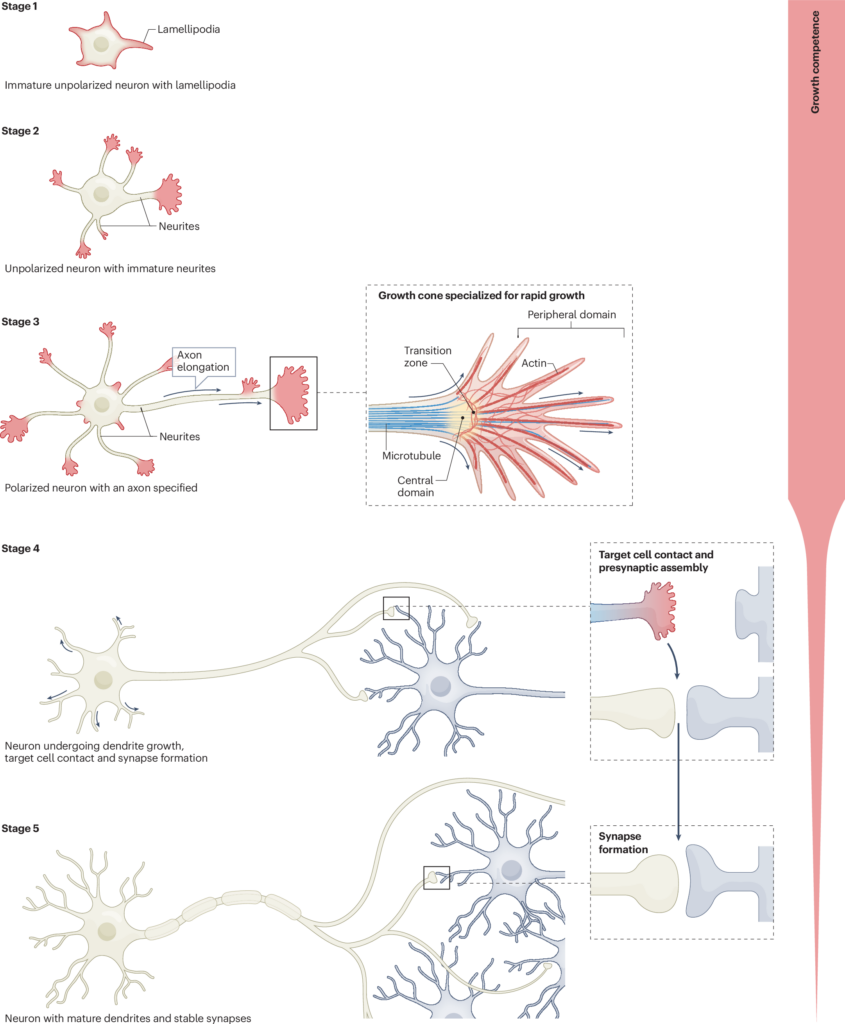
Cortagen has been studied in animal models of peripheral nerve injury. A rat study examining sciatic nerve transection and repair reported effects consistent with altered regeneration dynamics and functional parameters during the recovery window.1 Such studies are frequently cited to support continued investigation into how short peptides may interact with repair signaling and neuronal support pathways in controlled settings.
In Simple Terms: In lab injury models, Cortagen has been explored for whether it can influence how nerves regrow and recover.
3) Ischemia, Oxidative Stress, and “Preconditioning” Research
Another recurring theme in the literature is Cortagen’s inclusion in studies evaluating peptide preparations under chronic brain ischemia and ischemic preconditioning frameworks. For example, publications examining cortex-related peptide agents discuss changes in neurological outcomes and oxidative/antioxidant markers in animal models of ischemic brain damage and preconditioning paradigms.3,4
In Simple Terms: Some studies look at whether peptides like Cortagen are involved in how tissues respond to low-oxygen stress, including how cells manage oxidation and recovery signals.
Behavioral & Neuropharmacology Models: What’s Been Explored
Beyond molecular endpoints, Cortagen has also appeared in animal behavioral research contexts. For instance, a study assessing locomotor activity and anxiety-related behavior in mice compared effects of cortex-derived peptide preparations and the synthetic tetrapeptide Cortagen (AEDP) using established paradigms.5 These models do not “prove” human outcomes—but they help researchers map potential CNS-relevant signals for follow-up studies.
In Simple Terms: Researchers have used mouse behavioral tests to see whether Cortagen is associated with measurable changes in activity or stress-related behavior patterns—useful for guiding future lab work.
Modern Context: “Programmable” Short Peptides and Cell-Fate Signaling
Interest in short peptides has expanded in recent years, including materials-science and bioengineering research exploring how short peptide sequences can help shape cellular behavior and differentiation. A 2025 paper discussing programmable short peptides references AEDP (Cortagen) in the context of stem-cell fate modulation concepts.6 This broader research ecosystem matters because it frames short peptides as “information-rich” motifs that can be designed and tested for specific biological interactions in controlled models.
In Simple Terms: Scientists are increasingly studying short peptides like “code snippets” that may nudge how cells behave in lab settings. Cortagen (AEDP) shows up in that bigger conversation.
What Cortagen Is Not (Important Clarity)
- Not a stimulant or “quick hit” neurotransmitter booster
- Not a conventional small-molecule nootropic
- Not a hormone peptide (it is not discussed in the literature as a classic endocrine agonist)
- Not established as a therapy for any disease
In Simple Terms: Cortagen is best understood as a research peptide studied for regulatory signals—not as a “brain stimulant” and not as a proven treatment.
Key Takeaways
- Cortagen is a synthetic tetrapeptide (AEDP) studied as a short bioregulatory peptide.1–4
- Research has explored Cortagen in contexts including peripheral nerve injury, gene-expression profiling, and ischemia-related models.1–4
- Behavioral paradigms in mice have also been used to probe CNS-relevant signals associated with Cortagen exposure.5
- Modern bioengineering literature increasingly discusses short peptides (including AEDP/Cortagen) as programmable motifs for influencing cellular behavior in controlled settings.6
Reminder: This page is educational only and does not provide medical guidance. Cortagen is discussed in the context of research literature and experimental models.
Peer-Reviewed References
- Turchaninova LN, et al. Effect of tetrapeptide cortagen on regeneration of sciatic nerve. Bulletin of Experimental Biology and Medicine. 2000. PubMed: 11276314.1
- Anisimov SV, Khavinson VK, Anisimov VN. Elucidation of the effect of brain cortex tetrapeptide Cortagen on gene expression in mouse heart by microarray. Neuro Endocrinology Letters. 2004;25(1–2):87–93. PubMed: 15159690.2
- Zarubina IV, et al. Cortexin and cortagen as correcting agents in functional and metabolic disorders in the brain in chronic ischemia. Eksperimental’naia i Klinicheskaia Farmakologiia. 2011. PubMed: 21476278.3
- Zarubina IV, et al. Neuroprotective effects of peptides during ischemic preconditioning. Bulletin of Experimental Biology and Medicine. 2016. PubMed: 26902350.4
- Adriani W, Granstrem O, et al. Modulatory Effects of Cortexin and Cortagen on Locomotor Activity and Anxiety-Related Behavior in Mice. The Open Neuropsychopharmacology Journal. 2009. Article.5
- Vishwanath R, et al. Programmable short peptides for modulating stem cell fate in tissue engineering. Journal of Materials Chemistry B. 2025. RSC (Full Text).6
Reference note: Some foundational Cortagen publications originate from Russian-language journals. Where available, PubMed records are linked for verification and bibliographic detail.