
Peptide Synthesis Archives - BioGenix Peptides™
New Enzyme-Based Chemistry Is Making Peptides More Stable

New Enzyme-Based Chemistry Is Making Peptides More Stable

Why Structural Optimization Is the Next Major Breakthrough in Peptide Research Research Use Only DisclaimerThis content is provided for educational and informational purposes only and reflects theoretical and preclinical research discussions related to peptides, biochemistry, and molecular engineering. It does not constitute medical advice and is not intended for human or animal use. Introduction: The
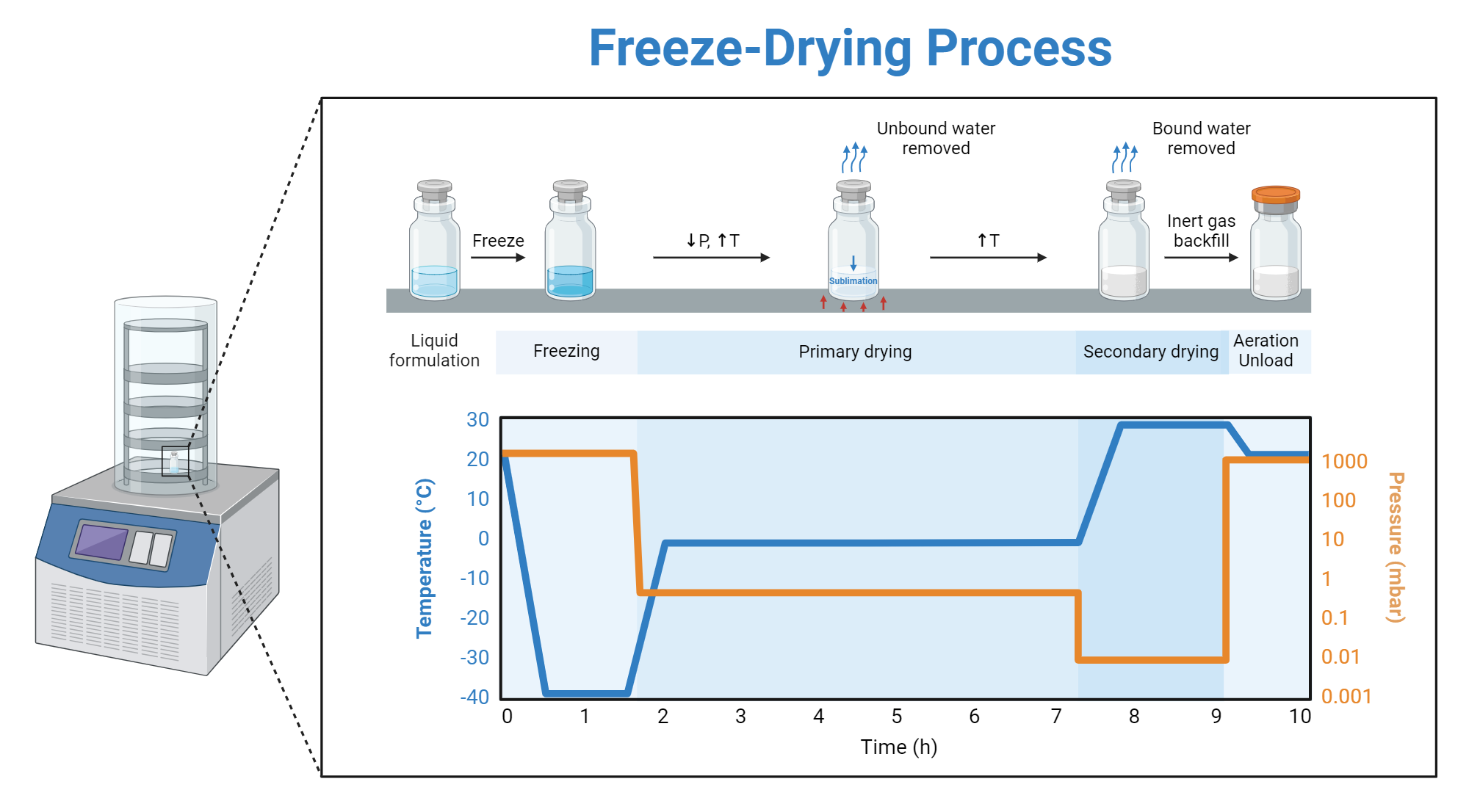
Why Research Peptides Are Typically Lyophilized — and How This Benefits Research

Why Research Peptides Are Typically Lyophilized — and How This Benefits Research

For educational and theoretical research discussion only. This content does not constitute medical advice and does not imply human or animal use. What Does “Lyophilized” Mean? Most high-quality research peptides are supplied in a lyophilized (freeze-dried) form rather than as a liquid. Lyophilization is a preservation process in which water is removed from a compound

How to Read a Peptide COA: Understanding HPLC & Mass Spectrometry (MS)

How to Read a Peptide COA: Understanding HPLC & Mass Spectrometry (MS)

Research-Only Disclaimer:This content is provided for informational and educational purposes only and reflects theoretical discussions related to analytical chemistry and peptide research. It does not constitute medical advice, diagnosis, or treatment. All products discussed by BioGenix Peptides LLC are intended strictly for research, laboratory, and analytical use only and are not for human or animal

How AI Is Predicting — and Accelerating — the Future of Peptide Innovation

How AI Is Predicting — and Accelerating — the Future of Peptide Innovation

Why machine learning is becoming the most powerful tool in peptide research Artificial intelligence has quietly become the backbone of modern peptide discovery. The same forces reshaping drug development, protein engineering, and computational biology are now transforming the peptide space — making research faster, more predictive, and dramatically more innovative. For researchers, clinicians, and biotech

The Origin of Peptides: Early Life Chemistry Before Biology

The Origin of Peptides: Early Life Chemistry Before Biology

How Simple Chemical Reactions May Have Formed the First Peptides on Earth Research Use Only DisclaimerThis content is provided for educational and informational purposes only and reflects theoretical and prebiotic research discussions related to chemistry, molecular evolution, and peptide formation. It does not constitute medical advice and is not intended for human or animal use.

Peptide Synthesis Explained: Solid-Phase vs. Solution-Phase

Peptide Synthesis Explained: Solid-Phase vs. Solution-Phase

Introduction Two principal strategies dominate peptide production: solid-phase peptide synthesis (SPPS) and solution-phase synthesis (SPS). Each offers distinct advantages in scalability, speed, and purity control. This primer compares workflows, chemistries, typical pitfalls, and selection criteria. Core Chemistry Both methods form amide bonds between activated carboxyl and amine groups. Protecting groups (Fmoc, Boc) prevent side reactions;

The 10 Most Common Mistakes People Make When They’re New to Peptide Research

The 10 Most Common Mistakes People Make When They’re New to Peptide Research

10 Common Mistakes Beginners Make in Peptide Research Peptide research has exploded in popularity. But with that growth comes confusion, misinformation, and avoidable errors—especially for beginners. Peptides aren’t like vitamins, supplements, or over-the-counter compounds. They require precision, documentation, and a research-minded approach. Here are the most common mistakes new researchers make—and how to avoid them.