

Bioregulators: The Ultra-Short Peptides Changing How We Think About Cellular Signaling
BioGenix Research Library
Introduction
Unlike classical peptides that stimulate receptors or pathways, bioregulators are tiny 2–4 amino acid sequences being studied for their ability to help tissues normalize and self-correct. In this article, we focus exclusively on the five bioregulators offered by BioGenix—Pinealon, Epithalon, Cartalax, Cardiogen, and Cortagen—and what makes them uniquely interesting in modern research.
What Exactly Are Bioregulators?
Bioregulators are extremely short peptides—often just 2–4 amino acids—that appear to work not by activating receptors, but by helping cells restore natural balance. Instead of pushing a pathway, they may assist tissues in normalizing the signals they already produce.
This is very different from classical peptides, which typically “tell” a cell to increase or decrease a specific response.
How Bioregulators Work (Plain Explanation)
Classical peptides operate like “instructions” for a cell. Bioregulators act more like subtle “corrective signals.” They are studied for their ability to assist tissues in:
- Supporting natural recovery patterns
- Helping normalize abnormal signaling
- Influencing stress-response pathways
- Promoting tissue-specific balance
They don’t force an outcome—they may help restore a baseline.
Scientific Mechanisms (Technical Overview)
Preclinical research suggests bioregulators may influence:
- Gene-expression normalization
- Chromatin remodeling signals
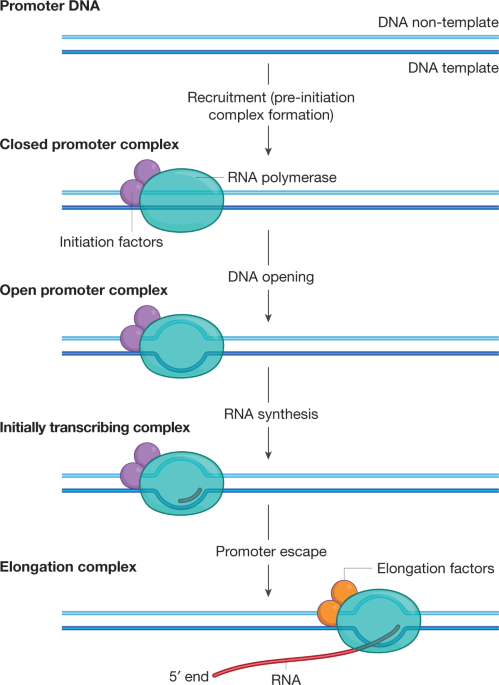
- mRNA synthesis and transcriptional accuracy
- Tissue-specific regulatory pathways
- Adaptive stress responses
Their ultra-short structure may allow them to reach intracellular or even nuclear targets that larger peptides cannot.
Common Bioregulators
Pinealon (EDR)
Studied for cognitive and neuroprotective pathways, Pinealon is associated with:
- Memory and learning processes
- Neuronal stress adaptation
- Support for cognitive signaling under fatigue
Epithalon (AEDG)
One of the most studied ultrashort peptides, Epithalon is linked in research to:
- Circadian rhythm regulation
- Pineal gland signaling
- Longevity-related expression patterns
- Cellular aging pathways
Cartalax
Cartalax is a connective-tissue regulatory peptide studied for:
- Cartilage and joint homeostasis
- Tissue recovery signaling
- Support of structural protein regulation
Cardiogen
Cardiogen is being examined for its role in cardiovascular tissue modulation, including:
- Regulation of cardiac tissue signaling
- Support for vascular tissue balance
- Adaptive responses in cardiac stress models
Cortagen (EDG)
Cortagen is associated with cellular stress-response modulation and general regulatory signaling:
- Adaptive cellular stress pathways
- Support for tissue stability during metabolic load
- General regulatory and restorative signaling
How Bioregulators Differ from Classical Peptides
Classical peptides work through receptor activation—essentially “telling” the cell what to do. Bioregulators work very differently:
- Classical peptides: stimulate a pathway (e.g., GH release, tissue repair signals)
- Bioregulators: help tissues normalize signaling and restore natural patterns
Because of their small size and unique mechanisms, bioregulators occupy their own category—not replacements for classical peptides, but complementary research tools with distinct biological roles.
Why Researchers Are Increasingly Interested in Bioregulators
Bioregulators offer something unusual in molecular research: gentle, tissue-specific regulation rather than direct stimulation.
- They support subtle cellular balancing mechanisms
- They may influence tissue-specific gene activity
- They often complement classical peptides rather than replace them
- They align with longevity, neural, and recovery-focused research areas
For modern researchers, they represent a unique category worth deeper exploration.
Explore Bioregulator Research Compounds
BioGenix Peptides offers Pinealon, Epithalon, Cartalax, Cardiogen, and Cortagen for qualified research use.
Epithalon 10mg
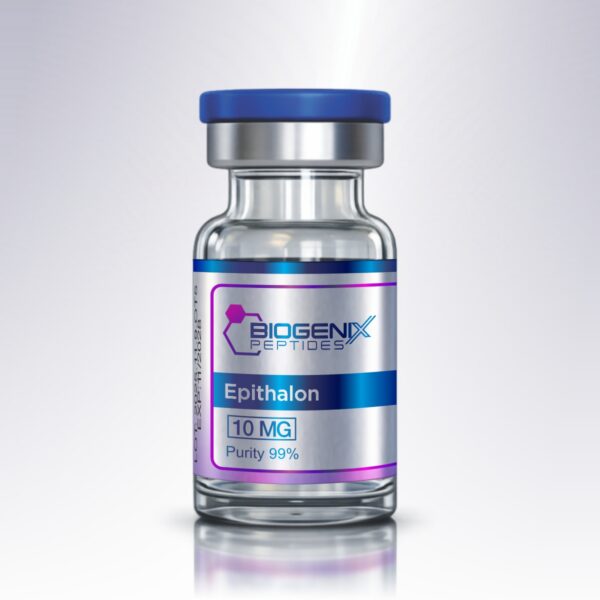
Epithalon, also known as AEDG peptide, Epitalon, or Epithalone, is a synthetic tetrapeptide composed of alanine, glutamic acid, aspartic acid, and glycine. It is modeled after Epithalamin, a naturally occurring pineal gland extract that has been studied for its effects on melatonin production, antioxidant activity, and cellular longevity.Research on Epithalon has suggested potential roles in pineal gland regulation, telomerase activation, oxidative stress reduction, and preservation of retinal and immune system function. Because of its connection to melatonin synthesis and circadian rhythm regulation, Epithalon has been investigated as a candidate for anti-aging, sleep, and neuroprotective studies.
In Stock
Cartalax 20mg
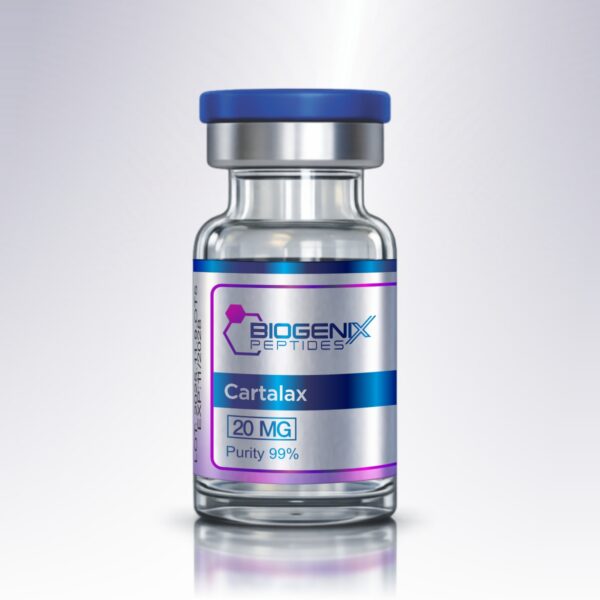
Cartalax is a synthetic regulatory tetrapeptide composed of the amino-acid sequence Ala–Glu–Asp–Gly (AEDG). It belongs to a class of short peptides studied for their potential roles in cellular regulation, gene-expression normalization, and tissue-specific recovery processes.
Unlike classical receptor agonists, Cartalax is investigated for epigenetic-like modulation, acting at the level of transcriptional control rather than direct membrane signaling. This has led to research interest in cartilage homeostasis, joint integrity, inflammation pathways, and age-related degenerative conditions.
Studies describe Cartalax as a bioregulatory peptide, capable of influencing cellular responses to stress, injury, and metabolic challenge across multiple tissue types, with the strongest data centered on connective tissues.
In Stock
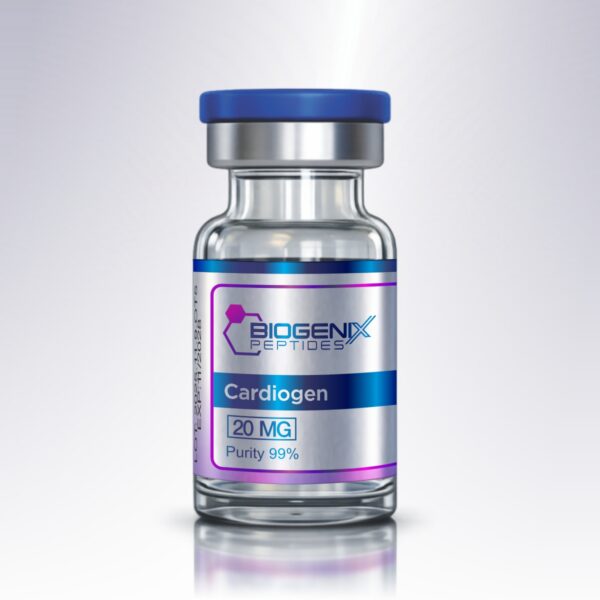
Cardiogen 20mg
Out of stock
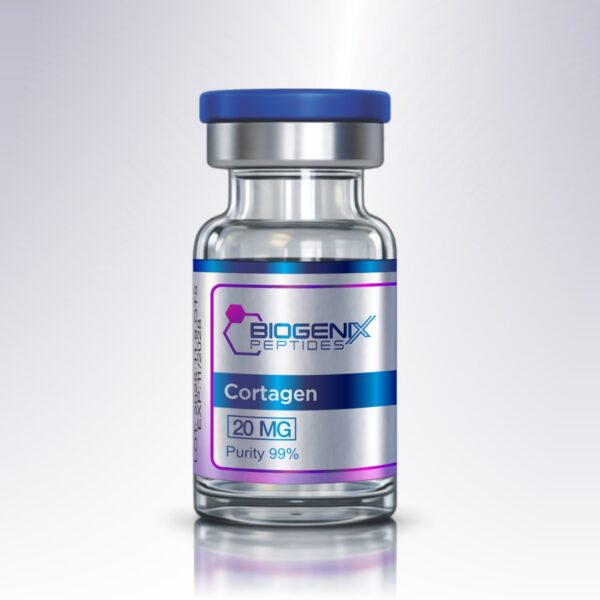
Cortagen 20mg
In Stock
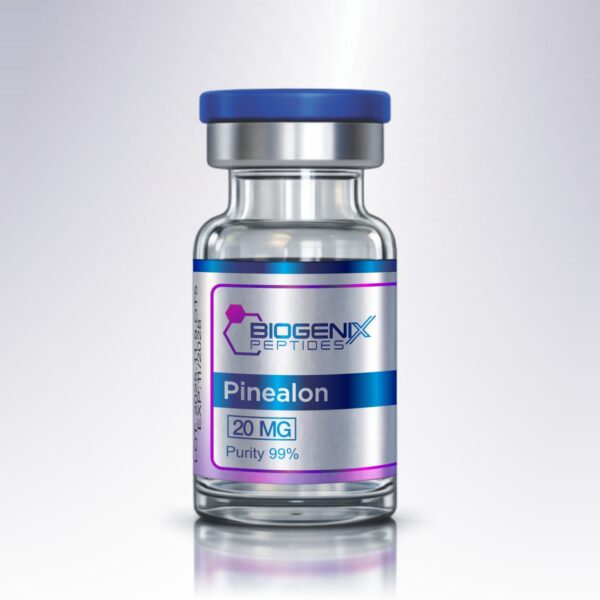
Pinealon 20mg
the brain’s ability to adapt during physical, emotional, or metabolic strain.Because it works at the cellular-regulation level, Pinealon is often explored in studies involving cognitive performance, stress resilience, and overall neural health, especially in age-related or high-demand conditions.
In Stock