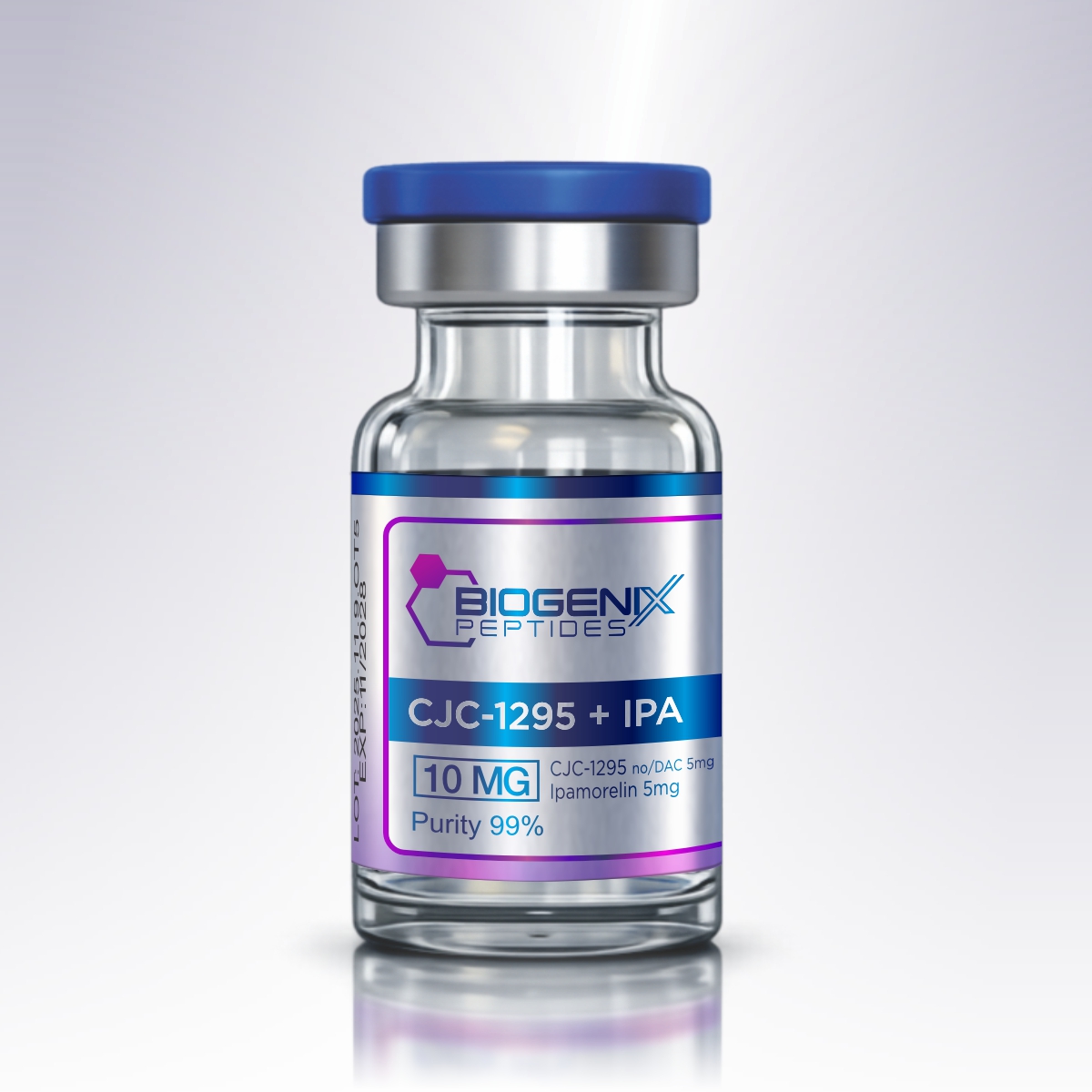
The CJC-1295 (No DAC) + Ipamorelin Blend represents a dual-pathway approach to growth hormone (GH) modulation, combining the upstream stimulation of growth hormone–releasing hormone (GHRH) receptors with the downstream activation
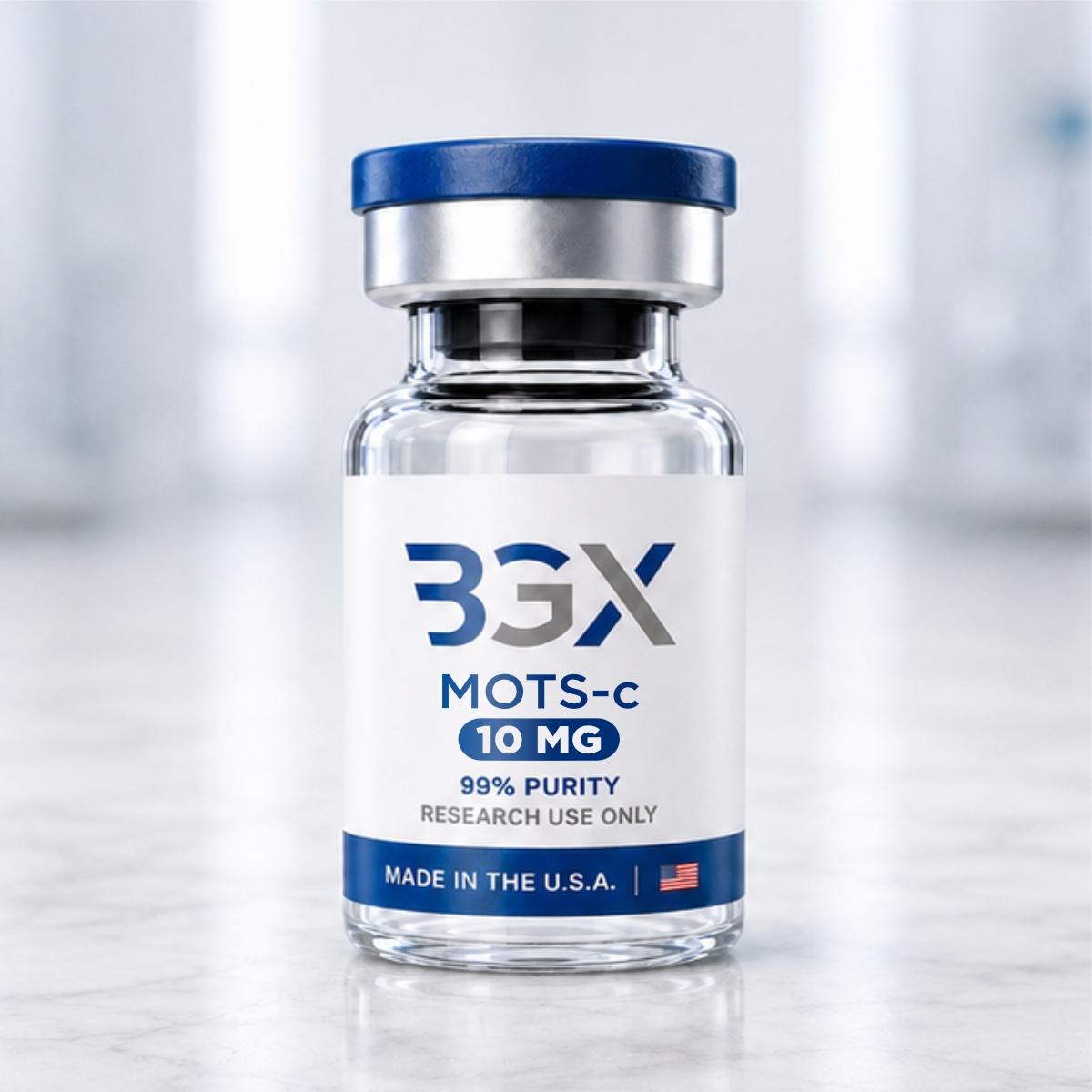
MOTS-c 10mg
$48.00MOTS-c (Mitochondrial Open Reading Frame of the 12S rRNA-c) is a 16–amino-acid peptide encoded within the mitochondrial 12S rRNA gene region. It belongs to the family of mitochondrial-derived peptides (MDPs)
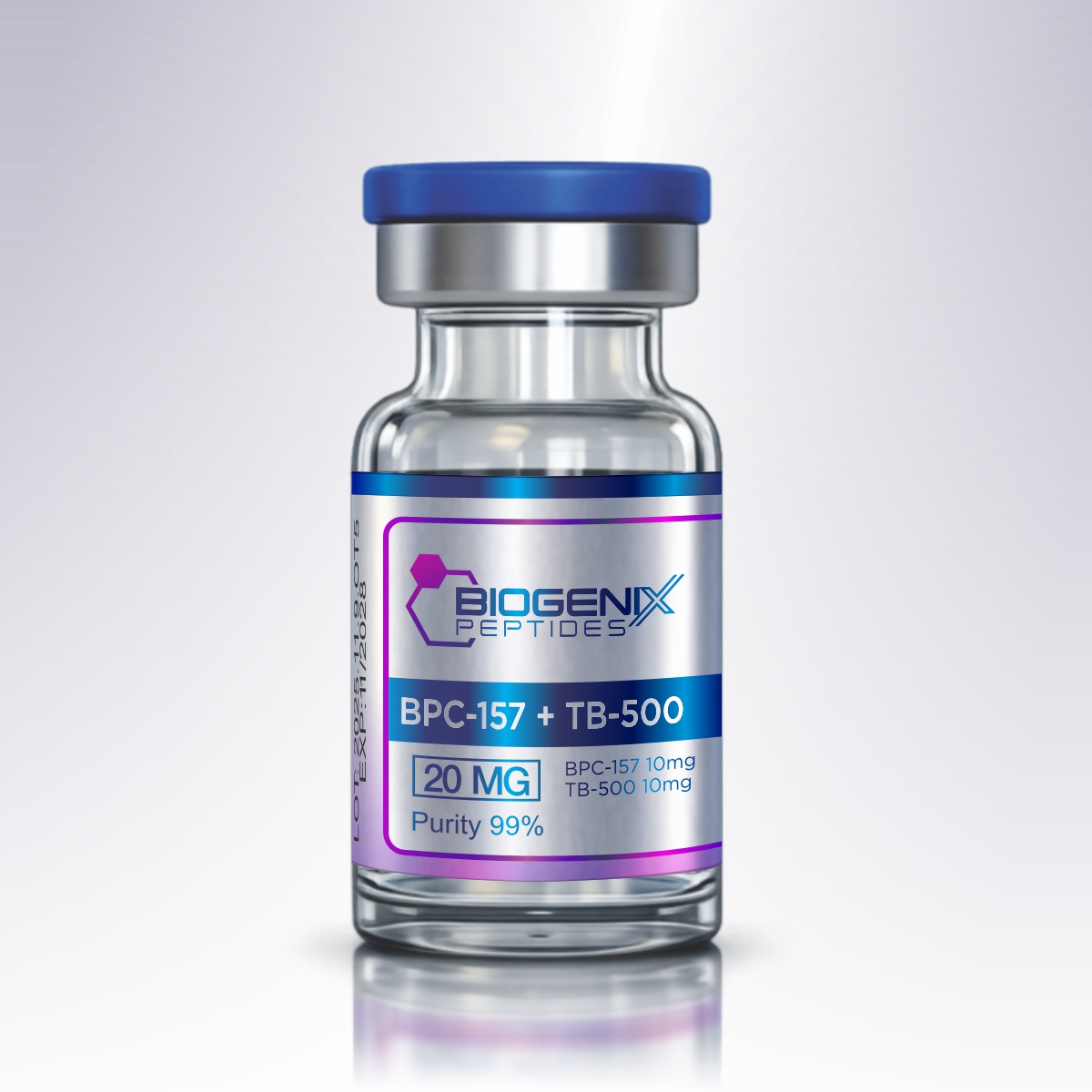
BPC-157 + TB-500 20mg Blend
$105.00BPC-157 (Body Protection Compound-157) and TB-500 (synthetic thymosin beta-4) are two peptides commonly studied in experimental models for their roles in tissue repair and regeneration. While both compounds have distinct
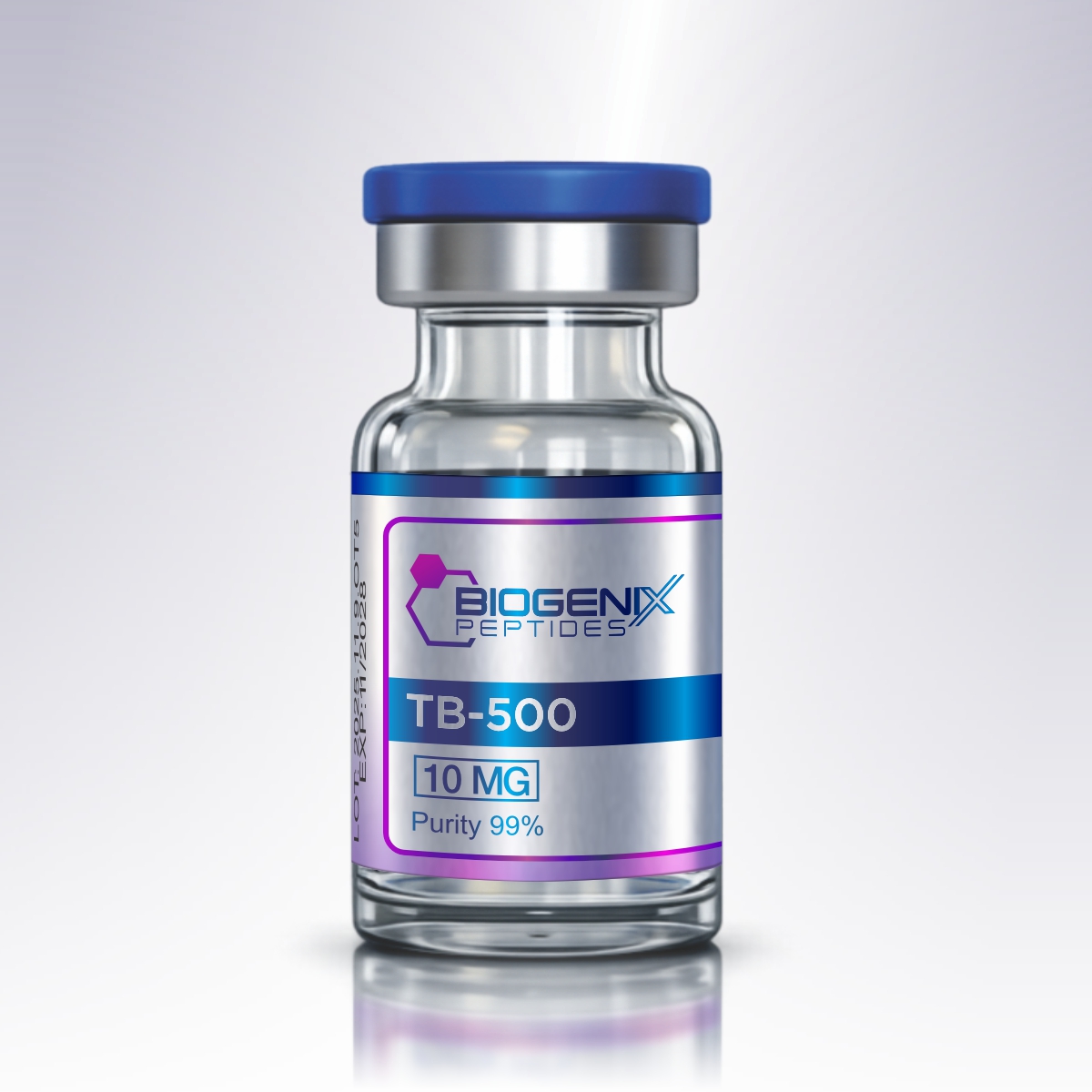
TB-500 10mg
$64.00TB-500 is a synthetic version of Thymosin Beta-4, a naturally occurring protein found in many tissues throughout the body. Researchers study TB-500 for its potential role in supporting healthy tissue
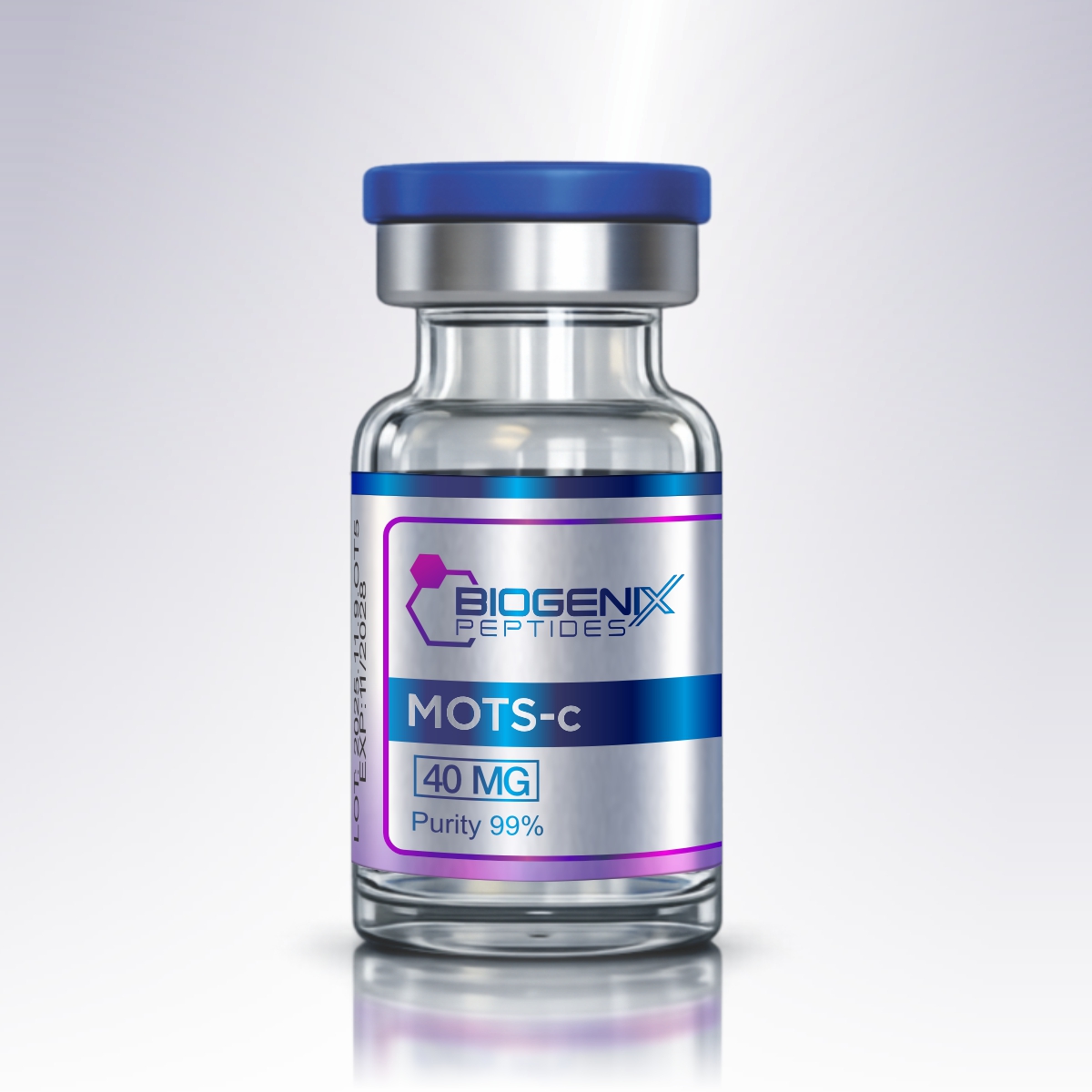
MOTS-c 40mg
$148.00MOTS-c (Mitochondrial Open Reading Frame of the 12S rRNA-c) is a 16–amino-acid peptide encoded within the mitochondrial 12S rRNA gene region. It belongs to the family of mitochondrial-derived
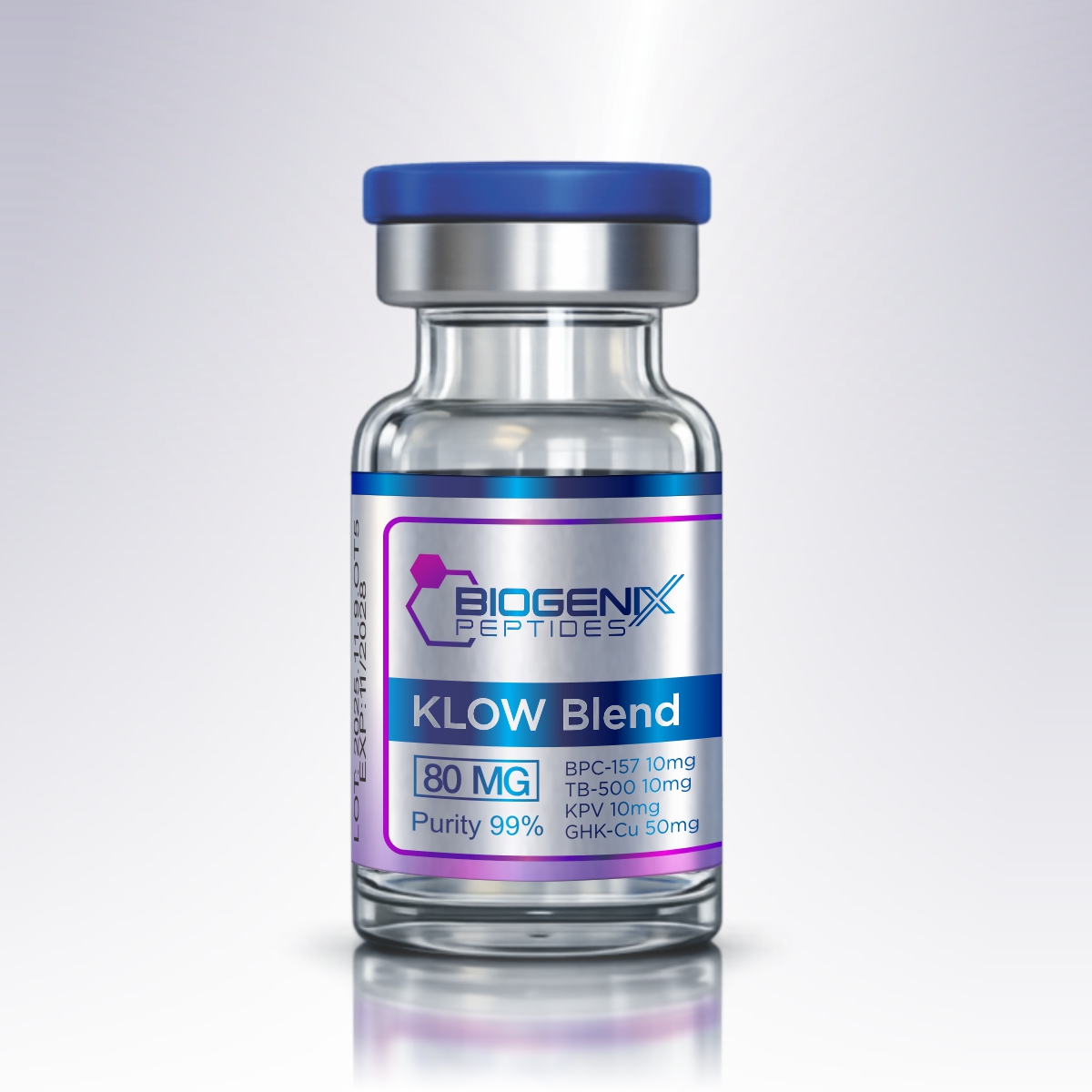
KLOW 80mg Blend
$155.00The KLOW blend pairs four research peptides with complementary roles in tissue protection and repair. BPC-157 supports soft-tissue healing, angiogenesis, and cytoprotection. TB-500
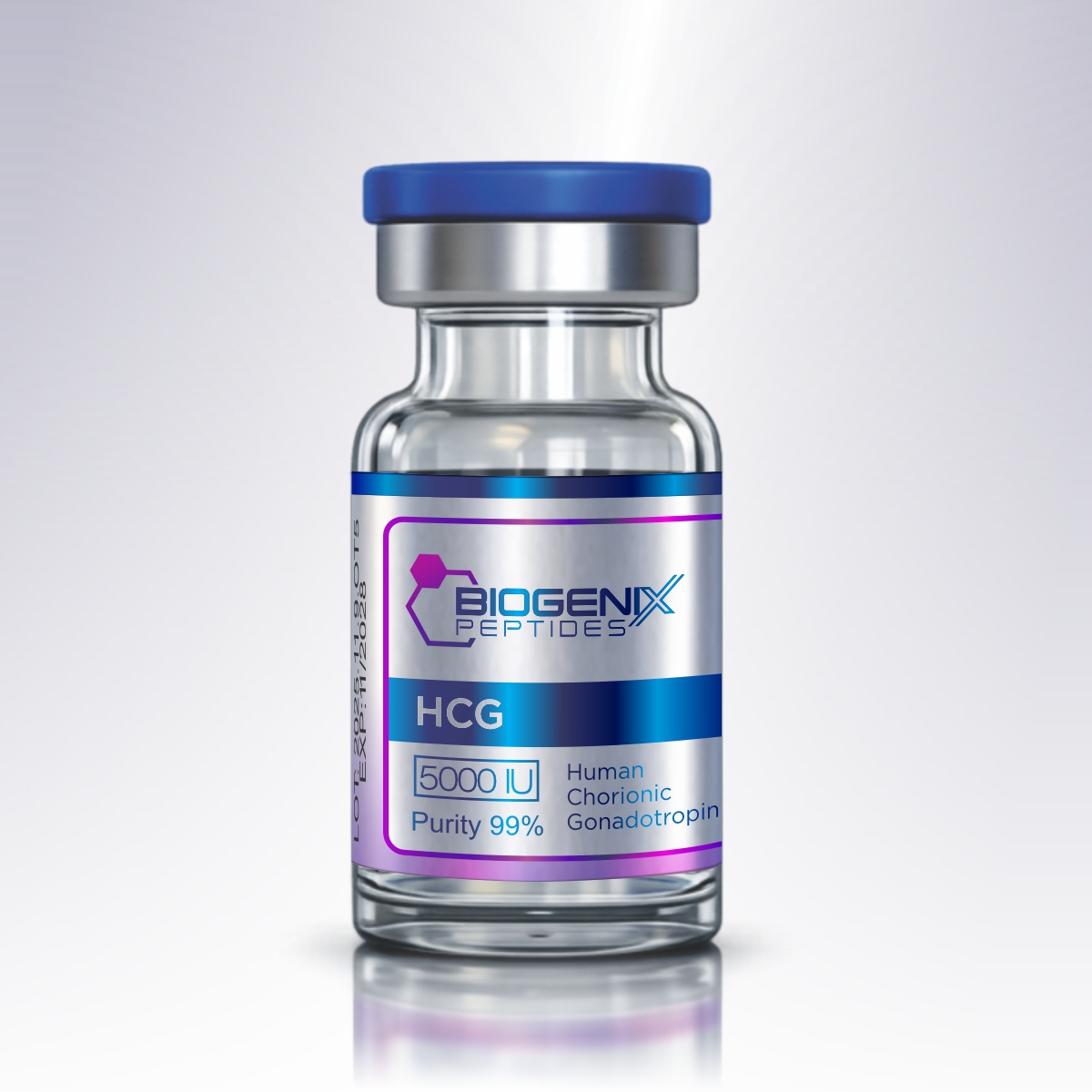
HCG 5000 iu
$56.00Human Chorionic Gonadotropin (HCG) is a naturally occurring hormone made of two connected protein subunits. It plays an important role in fertility and hormone signaling. In research settings, HCG is
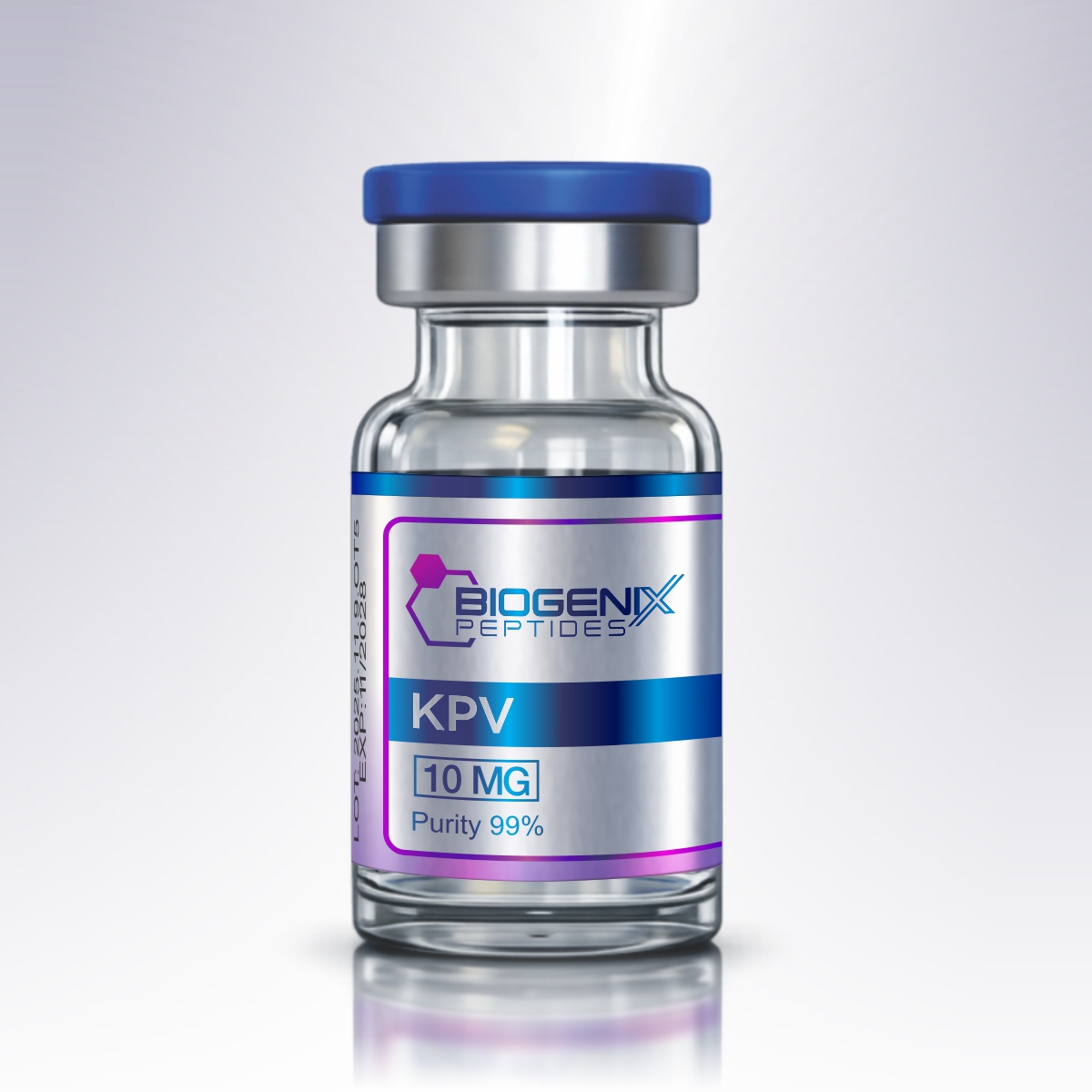
KPV 10mg
$48.00KPV is a short, naturally occurring tripeptide made from the amino acids lysine, proline, and valine. It is a small fragment of the larger hormone α-MSH, and researchers study KPV